
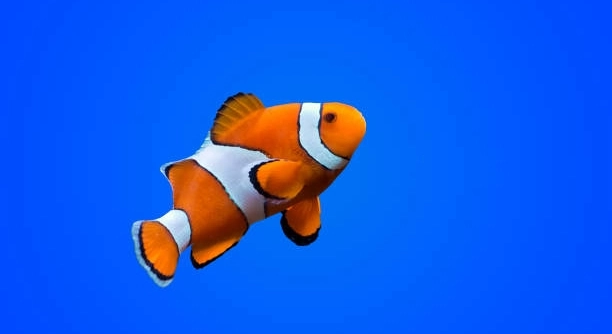
Clownfish live in colorful coral reefs where they spend most of their time swimming and hiding. These small fish have a unique way of resting without eyelids like humans have. Their sleeping habits are quite different but just as important for their survival.
Clownfish do not have eyelids, so they rest by slowing down their movements and reducing their activity while staying protected among sea anemones. This safe environment allows them to rest without closing their eyes.
Learning how clownfish manage to rest safely without lids helps us understand their behavior better and appreciate their special role in the ocean ecosystem.
How Clownfish Protect Their Eyes While Sleeping
Clownfish do not close their eyes like many animals do when they sleep. Instead, they rely on their environment for safety. They stay close to sea anemones, which provide protection from predators. The stinging tentacles of anemones keep other fish away, allowing clownfish to rest safely. When resting, clownfish reduce their activity and move very little. This quiet state helps conserve energy and allows their bodies to recover. Even without eyelids, their eyes remain alert to sudden danger. The symbiotic relationship with anemones is essential for their survival and rest. By hiding among the tentacles, clownfish can relax without the need to close their eyes. This natural shelter acts like a protective shield, making it easier for them to rest peacefully.
Clownfish rely heavily on their anemone’s protection to stay safe and rest effectively without eyelids.
Understanding how clownfish depend on this relationship shows how their sleep is adapted to their unique environment and physical traits.
The Role of Anemones in Clownfish Sleep
Anemones are more than just protection; they are crucial for clownfish survival. The stinging cells of anemones keep away predators, offering a safe resting place. This allows clownfish to relax and conserve energy during rest periods. Anemones provide a stable environment where clownfish feel secure. The two species benefit from each other—clownfish help clean the anemones and scare off predators, while the anemones provide shelter. This close bond makes it possible for clownfish to rest without the need for eyelids or closing their eyes. Without anemones, clownfish would be exposed to more threats and have a harder time resting. Their ability to stay still and safe is linked to the protection offered by anemones, showing how their sleep is closely tied to their habitat.
Anemones play a critical role by providing safety, allowing clownfish to rest without closing their eyes.
Clownfish have adapted to their environment by using anemones as safe spaces, which supports their unique sleeping behavior. This relationship highlights how species can evolve together for mutual benefit. The anemone’s defense system keeps predators at bay, reducing the need for clownfish to be constantly alert. By resting quietly among the tentacles, clownfish reduce stress and save energy. This helps them stay healthy and ready for daily activities like feeding and swimming. The connection between clownfish and anemones is a perfect example of nature’s balance. Their interdependence allows clownfish to thrive in their habitat despite lacking eyelids to protect their eyes during sleep.
How Clownfish Rest Their Eyes
Clownfish keep their eyes open but reduce movement when resting. This helps them stay alert to danger while still getting some rest.
Their eyes don’t close because they lack eyelids. Instead, they rely on their environment for safety, especially the protection offered by sea anemones. When resting, clownfish float calmly among anemone tentacles, staying still to conserve energy. The tentacles shield them from predators and harsh currents. This safe space allows their eyes to stay open without risking injury. Clownfish have adapted to this resting style, balancing the need to rest with staying aware of their surroundings.
Despite not closing their eyes, clownfish enter a restful state that helps their bodies recover. Their reduced movement and the anemone’s protection make this possible. This resting method suits their needs in a busy and sometimes dangerous coral reef habitat.
Eye Adaptations Supporting Clownfish Sleep
Clownfish eyes are adapted to help them stay safe and rest without eyelids. Their eyes are covered by a transparent, protective layer that shields them from debris and damage. This layer acts like a natural barrier, allowing light to pass through while keeping the eyes safe. This means clownfish can keep their eyes open without worrying about injury. Their vision remains sharp, which helps them detect threats quickly even while resting. This adaptation supports their unique sleeping behavior.
The protective layer over clownfish eyes helps them stay alert and safe. It prevents harm from particles in the water and keeps their eyes moist. This means clownfish don’t need eyelids for protection like land animals. This feature is crucial for their survival in the ocean’s open environment. Their eyes also adjust well to changing light conditions, helping them see in both bright and dim waters. These adaptations work together to allow clownfish to rest with open eyes safely.
Clownfish Sleep Patterns
Clownfish follow a daily rhythm influenced by light. They rest mostly at night when the reef is quieter and safer. During this time, their activity slows, and they stay close to their anemone shelter.
Their sleep is light and easily interrupted. Clownfish remain alert to sudden movements or threats, ready to swim away if needed. This cautious rest suits their environment, where danger can appear quickly.
How Rest Benefits Clownfish Health
Rest helps clownfish conserve energy and recover from daily activities like swimming and feeding. During rest, their metabolic rate slows, allowing their bodies to heal and maintain proper function. Without adequate rest, clownfish could become weak and vulnerable to predators or disease.
Environmental Factors Affecting Sleep
Water temperature and reef conditions can influence how well clownfish rest. Cooler water often encourages longer rest periods, while rough currents or noise may disturb them.
Behavior Changes During Rest
Clownfish reduce movement and stay near protective anemones when resting. This behavior minimizes risk and helps maintain safety during sleep.
FAQ
How do clownfish manage to sleep without eyelids?
Clownfish don’t have eyelids, so they can’t close their eyes like humans. Instead, they rely on resting quietly while staying protected inside sea anemones. Their eyes have a clear, protective layer that keeps them safe from debris and injury. This lets clownfish keep their eyes open but still rest by slowing their movements and lowering their activity.
Do clownfish truly sleep like mammals do?
Clownfish don’t sleep in the same deep way mammals do. Their rest is lighter and less continuous. They reduce activity and stay still, which helps conserve energy. While they don’t enter deep sleep phases, this quiet resting state allows their bodies to recover. They also remain alert enough to react quickly to threats.
Why do clownfish choose sea anemones to rest?
Sea anemones provide a safe place for clownfish to rest. The anemone’s stinging tentacles keep predators away. Clownfish are immune to these stings and use the anemone as a protective home. This close relationship helps clownfish feel secure enough to rest without closing their eyes, which would normally leave them vulnerable.
How long do clownfish typically rest each day?
Clownfish usually rest during the night when their reef is quieter and predators are less active. The length of their rest varies with environmental factors like water temperature and safety. Cooler water often leads to longer rest times. Their sleep periods are light and easily interrupted by changes in their surroundings.
Can clownfish sleep outside of anemones?
While clownfish prefer to rest inside anemones for safety, they can rest elsewhere if needed. However, resting outside anemones exposes them to more danger. Without the protection of anemones, clownfish are more vulnerable to predators, which makes resting harder and riskier.
Do clownfish close their eyes at all during sleep?
Clownfish do not have eyelids to close their eyes. Their eyes stay open during rest, protected by a transparent layer. This adaptation helps them remain alert to danger even while they are in a restful state. Closing their eyes would leave them vulnerable in their natural habitat.
How do environmental changes affect clownfish sleep?
Changes like temperature shifts, water currents, and noise can disturb clownfish rest. Cooler water tends to encourage longer rest, while strong currents or loud noises might wake them up or make them more cautious. Their resting behavior adapts to keep them safe and comfortable in changing conditions.
Do clownfish show signs of tiredness or sleep deprivation?
Clownfish can become weak or stressed if they don’t get enough rest. Like other animals, rest is vital for their health and energy. Signs of poor rest might include less movement, slower reactions, or hiding more often. Proper rest helps clownfish stay active and alert during the day.
How do clownfish eyes protect themselves without eyelids?
Their eyes are covered with a clear, protective membrane that keeps out particles and water irritants. This layer functions like a built-in shield, allowing them to keep their eyes open safely. It also keeps their eyes moist and clean without needing eyelids to blink or close.
Are there other fish that sleep without closing their eyes?
Yes, many fish lack eyelids and keep their eyes open while resting. They rely on reduced movement and safe environments to rest. Some fish hide in coral, rocks, or plants to stay protected. Clownfish are unique in using sea anemones as their main safe spot for resting with open eyes.
Clownfish have a unique way of resting that is quite different from many land animals. Because they don’t have eyelids, they cannot close their eyes to sleep. Instead, they rely on their environment and natural adaptations to rest safely. Their relationship with sea anemones plays a big role in how they relax and conserve energy. The anemones offer protection from predators, allowing clownfish to stay still with their eyes open. This resting style helps them stay alert to danger while giving their bodies a chance to recover. It is a clear example of how animals adapt to their surroundings in order to survive.
The protective layer over clownfish eyes is another important factor. This clear membrane shields their eyes from damage and keeps them moist, making eyelids unnecessary. It also allows light to pass through so clownfish can still see while resting. Staying alert is essential because coral reefs can be busy and dangerous places. Clownfish have found a way to balance rest with safety by reducing movement and relying on their anemone partners. Their sleep may not be deep like mammals, but it is effective enough to keep them healthy and ready for daily activity.
Understanding how clownfish sleep helps us appreciate the many ways animals live and adapt in nature. Their sleep behavior shows that rest does not always look the same across species. Instead, it fits the needs and challenges of each animal’s environment. The close connection between clownfish and sea anemones supports both species and highlights the importance of their habitat. Knowing these details helps us respect the delicate balance in ocean life and the clever ways animals take care of themselves. Clownfish sleeping with their eyes open is just one small but fascinating part of this balance.

Hello,
If you enjoy the content that we create, please consider saying a "Thank You!" by leaving a tip.
Every little bit helps us continue crafting quality advice that supports the health, happiness, and well-being of pets around the world, for pets of all shapes, sizes, and species.
We really appreciate the kindness and support that you show us!