
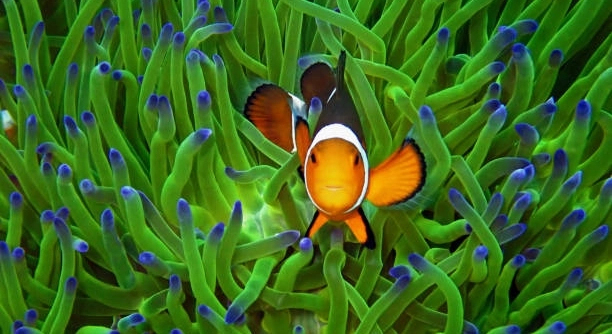
Clownfish are popular pets for many aquarium lovers. They live peacefully in home tanks but can react differently when placed with other fish. Understanding their behavior helps keep a harmonious environment in your aquarium.
Clownfish respond to tankmates mainly through territorial and social behaviors. They may show aggression toward unfamiliar fish or become shy when housed with dominant species. Their reactions depend on the species, tank size, and the presence of hiding spots.
Knowing how clownfish interact with others can improve your aquarium’s balance. This information will guide you in creating a peaceful and healthy space for your aquatic pets.
Understanding Clownfish Behavior with Tankmates
Clownfish are known for their bright colors and unique patterns, but their behavior can be just as interesting. When placed in a tank with other fish, they often show territorial instincts. This means they like to claim a certain area as their own, especially around sea anemones or coral. They may chase or nip at other fish that come too close. However, clownfish are also social creatures and can form pairs or small groups when the environment is right. Their reactions depend on how crowded the tank is and the species they share space with. Providing enough hiding spots and open swimming areas helps reduce stress. Watching how your clownfish act around new tankmates gives clues about their comfort level. Some may become bolder, while others retreat and hide more. This balance between territory and social behavior is key to keeping clownfish happy in a community tank.
Clownfish tend to defend their chosen area but can adapt if tankmates are peaceful and space is sufficient.
Creating the right environment means offering both safe spaces and enough room for all fish. If the tank is too small or too crowded, aggression can increase. Some species are more compatible with clownfish, such as certain damselfish or gobies, which usually coexist peacefully. Avoid placing aggressive or much larger fish nearby, as they can intimidate or harm clownfish. It also helps to introduce new fish slowly, allowing clownfish to adjust without feeling threatened. Regular observation is important to notice any signs of stress, like hiding too much or sudden changes in behavior. Making small changes, such as rearranging decorations or adding plants, can help reduce conflicts. Understanding these dynamics will support a healthier and more balanced aquarium for all its inhabitants.
Tips for Introducing New Tankmates
Start by researching which fish species get along well with clownfish. Some species naturally coexist better in shared environments.
When introducing new fish, give your clownfish time to adjust. Place the new tankmates in a quarantine tank first to avoid disease and reduce stress. Slowly acclimate the new fish by letting them float in a bag inside the main tank, matching the temperature. After release, watch closely for aggressive behavior from either side. Rearranging the tank decorations before adding new fish can disrupt territorial claims and help reset boundaries. Keep feeding times consistent to reduce competition for food. Avoid overcrowding the tank and maintain proper water quality. These steps can help clownfish and new tankmates live peacefully together.
Common Tankmates That Work Well with Clownfish
Clownfish do best with peaceful species that don’t compete aggressively for space or food. Choosing calm tankmates helps maintain a balanced aquarium.
Good companions include certain damselfish, gobies, and blennies. These fish tend to respect clownfish territory without causing stress. Avoid large, aggressive fish that might bully or eat clownfish. Smaller, non-aggressive fish create a calmer environment, allowing clownfish to behave naturally. Providing plenty of hiding places helps all fish feel secure. Proper tank size and careful monitoring also improve harmony. It’s important to observe how your clownfish respond to each new tankmate over time. Adjusting your choices based on their behavior will support a peaceful community tank.
Even peaceful fish can cause tension if the tank is overcrowded or lacks hiding spots. Be ready to make changes if any signs of stress or aggression appear. Keeping a watchful eye helps prevent long-term problems.
Signs of Stress or Aggression in Clownfish
Clownfish under stress may hide more than usual, lose color, or stop eating. Aggression can show through chasing or nipping other fish.
Stress can develop if clownfish feel threatened or if tank conditions are poor. Signs like rapid breathing or erratic swimming indicate discomfort. Aggressive behavior may increase when they feel crowded or when tankmates invade their territory. Observing these behaviors early helps prevent injury or illness. Providing a clean environment, proper diet, and enough space reduces stress. It also helps to remove aggressive tankmates if problems persist. Understanding these signs allows for timely action, ensuring clownfish remain healthy and comfortable. Addressing stress and aggression promptly benefits all aquarium inhabitants.
Managing Clownfish Aggression
Aggression in clownfish usually comes from protecting their territory. This behavior is natural but can be managed with proper tank setup and compatible tankmates.
Providing enough space and hiding spots reduces conflicts. Regularly observing your fish helps catch issues early before they escalate.
Feeding and Its Impact on Behavior
Feeding clownfish properly influences how they interact with tankmates. Well-fed clownfish are less likely to show aggressive or territorial behaviors during meal times.
Consistent feeding schedules and balanced diets keep clownfish calm and healthy. Avoid overfeeding, which can cause water quality problems and stress in all fish.
Tank Size and Layout
A larger tank with plenty of hiding places helps clownfish feel secure. Crowded tanks often increase aggression and stress among fish.
Providing caves, plants, and coral structures creates natural boundaries, which reduce fights and improve overall tank harmony.
Monitoring and Adjusting
Watch your clownfish regularly for changes in behavior. Early detection of problems helps maintain a peaceful aquarium environment.
What tankmates are best for clownfish?
Peaceful species like certain damselfish, gobies, and blennies work well with clownfish. These fish don’t compete aggressively for space or food and tend to respect clownfish territory. Avoid large, aggressive fish that might bully or harm clownfish. Providing plenty of hiding spots and enough swimming space helps keep all fish comfortable and reduces stress.
How do clownfish show aggression?
Clownfish often show aggression by chasing, nipping, or displaying bold movements toward other fish near their territory. This behavior usually happens when they feel threatened or are protecting their anemone or chosen area. Aggression can also increase if tankmates invade their space or if the tank is too small or crowded.
Why does my clownfish hide all the time?
Hiding often means your clownfish feels stressed, threatened, or uncomfortable in its environment. Stressors include aggressive tankmates, poor water quality, or lack of proper hiding places. Sometimes new clownfish take time to adjust. Monitoring water conditions and providing safe spots can help them feel more secure and come out more often.
Can clownfish live with aggressive fish?
It’s not recommended. Aggressive fish can stress clownfish, leading to poor health and injury. Clownfish may become shy or hide too much when housed with aggressive species. For a peaceful aquarium, choose tankmates that are calm and compatible with clownfish’s social behavior.
How important is tank size for clownfish behavior?
Tank size plays a big role. Smaller tanks can cause stress and increase territorial aggression because fish feel crowded. Larger tanks give clownfish enough space to claim territories without constant confrontation. Providing plenty of places to hide also helps reduce stress and aggression in any tank size.
What should I feed clownfish to reduce aggression?
Feeding clownfish a balanced diet regularly helps keep them calm. When fish are well-fed, they are less likely to fight over food or become territorial during feeding times. Avoid overfeeding, as leftover food can harm water quality and increase stress among all tank inhabitants.
How do I introduce new tankmates without causing stress?
Introduce new fish slowly and carefully. Quarantine new tankmates before adding them to the main tank to prevent disease. Acclimate them gradually by floating their transport bag in the tank to match temperature. Rearrange tank decorations before adding new fish to reset territorial boundaries and reduce aggression. Monitor interactions closely for any signs of trouble.
Can clownfish live without anemones?
Yes, clownfish can live without anemones in a home aquarium. While anemones provide shelter and comfort in the wild, many clownfish adapt well to tank environments with plenty of hiding spots and coral decorations. The presence of anemones is not required for their health or happiness in captivity.
What signs show that clownfish are stressed?
Signs of stress include hiding more than usual, losing bright color, rapid breathing, erratic swimming, and reduced appetite. Stress often results from poor water quality, overcrowding, aggressive tankmates, or lack of hiding places. Addressing these issues quickly helps clownfish return to normal behavior and stay healthy.
How do I reduce aggression in a mixed-species tank?
To reduce aggression, provide a spacious tank with plenty of hiding spots and natural barriers. Choose compatible, peaceful species as tankmates. Maintain good water quality and stable conditions. Feeding fish regularly and keeping the tank clean also minimizes stress and aggressive behavior. If aggression persists, consider separating aggressive individuals.
Do clownfish bond with their tankmates?
Clownfish can form social bonds, especially with other clownfish or peaceful species. They sometimes pair up or live in small groups. These social bonds help reduce stress and promote natural behavior. However, bonding depends on the species, tank setup, and individual personalities.
How often should I monitor clownfish behavior?
Daily observation is ideal. Watching your clownfish regularly helps you spot early signs of stress, aggression, or illness. Early detection allows for quick action to fix problems before they worsen. Even short daily checks can make a big difference in maintaining a healthy tank environment.
What if my clownfish keeps bullying other fish?
If bullying happens, try rearranging tank decorations to break up territories and give bullied fish places to hide. Check if the tank is overcrowded or too small and adjust if needed. Consider removing the aggressive fish if behavior does not improve to protect the health of all tankmates.
Can clownfish live peacefully in pairs?
Yes, clownfish often form pairs and live peacefully together. Paired clownfish usually defend their shared territory and show less aggression to other tankmates. Providing enough space and hiding spots helps pairs feel secure and reduces conflicts with other fish.
Is it normal for clownfish to chase other fish?
Yes, chasing is normal territorial behavior. Clownfish defend their area and may chase other fish that come too close. This behavior is usually brief and not harmful if the tank is large enough and tankmates are peaceful. Excessive chasing, however, may signal stress or poor tank conditions.
How do I know if clownfish and tankmates are compatible?
Compatibility is based on observing calm interactions, little chasing, and shared use of space without injury. Compatible tankmates respect each other’s territories and feed without competition. Research species traits before adding new fish and monitor behavior closely after introduction to ensure harmony.
Clownfish are fascinating creatures that bring color and life to home aquariums. Their behavior around tankmates is shaped by natural instincts, such as protecting their territory and forming social bonds. Understanding these behaviors helps in creating a peaceful environment where clownfish can thrive. By paying attention to their reactions and adjusting tank conditions, owners can reduce stress and aggression. Proper care means observing the fish regularly and making changes when needed to keep the tank balanced and comfortable for all its inhabitants.
A key factor in managing clownfish behavior is choosing the right tankmates. Peaceful species that don’t compete aggressively for space or food are the best companions. Providing enough space, hiding places, and maintaining clean water conditions all contribute to less conflict in the tank. Overcrowding or placing aggressive fish with clownfish can cause tension and stress. When new fish are introduced slowly and carefully, the chances of peaceful coexistence improve. Knowing what to expect from clownfish behavior makes it easier to react quickly and maintain harmony.
Taking care of clownfish and their tankmates requires patience and attention to detail. Feeding a balanced diet, keeping the tank clean, and ensuring enough room for each fish are important daily tasks. Recognizing signs of stress or aggression early allows for timely adjustments, which protects the health and happiness of the fish. By understanding how clownfish respond to their tankmates, aquarium owners can create a safe and enjoyable habitat. This careful approach supports the well-being of clownfish and promotes a vibrant, peaceful aquarium.

Hello,
If you enjoy the content that we create, please consider saying a "Thank You!" by leaving a tip.
Every little bit helps us continue crafting quality advice that supports the health, happiness, and well-being of pets around the world, for pets of all shapes, sizes, and species.
We really appreciate the kindness and support that you show us!