
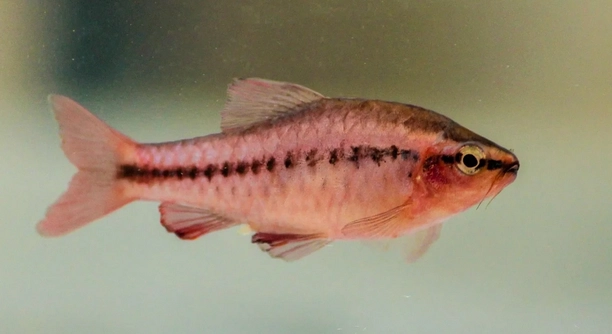
Have you ever found yourself watching your cherry barbs and wondering how they interact with each other in the tank? These colorful little fish often seem to send signals, but the meaning isn’t always clear.
Cherry barbs communicate using subtle body language, movement patterns, and color changes. Males often display brighter colors to assert dominance or attract females, while fin flaring and chasing behaviors signal territorial claims or social interactions within the group.
By learning how cherry barbs express themselves, you can better understand their needs and ensure a more peaceful and healthy aquarium environment.
Understanding Cherry Barb Behavior
Cherry barbs are peaceful fish that thrive in groups. They enjoy swimming together and use their movement to show comfort or discomfort. When calm, they swim in steady patterns, but quick darting or hiding can suggest stress. These fish also rely on visual cues. Males become more vibrant red when they feel dominant or are trying to attract a mate. If two males are competing, you might notice fin flaring or a gentle chase. These actions are part of a natural display and usually do not lead to harm. Observing these patterns over time helps you notice when something is off, such as illness or aggression from overcrowding. A balanced tank with plenty of space and hiding spots allows them to behave naturally. When cherry barbs feel safe, their communication becomes clearer and easier to understand for the observer.
These behaviors might seem small, but they play a big role in how your fish relate to one another.
You’ll also notice that cherry barbs often follow one another. This group swimming is a sign of social bonding and comfort. When isolated, they can grow anxious, so it’s best to keep them in small groups of at least five or six.
Color Changes and Social Signals
Cherry barbs don’t just rely on movement—they use color to express how they feel.
When a male cherry barb is healthy and confident, his color becomes brighter, especially during breeding season. This strong red hue signals strength and helps attract females. On the other hand, if the water quality drops or the fish feels unwell, his color may fade. This fading serves as a quiet indicator that something might be wrong. In group dynamics, brighter males often rank higher and may assert dominance through display behaviors like fin flaring or nudging others. Females typically show more subtle changes, and their color deepens slightly when ready to spawn. Watching these signals lets you adjust tank conditions to meet their needs. For instance, if multiple males are constantly chasing or displaying, it may be time to check for stress factors such as poor water quality or limited space. Paying attention to color and interaction helps you maintain a calm, balanced aquarium where your cherry barbs feel secure.
Vocalizations and Physical Movements
Cherry barbs do not use sound in the way mammals or birds do, but they do rely on subtle body movements. Quick darts, nudges, and fin flicks are often used to express excitement, mild stress, or territorial warnings within their small community.
These movements become more noticeable during feeding or breeding. A male might nudge a female gently to show interest, while quick fin flicks can be a sign of irritation or stimulation. If two fish suddenly chase one another, it could be playful or a soft warning, especially among males. Physical movements often replace sound in fish communication, and with cherry barbs, they stay gentle unless provoked. Tank setup plays a role too. A crowded or dull tank can increase stress, leading to more erratic movements. By watching these shifts closely, you’ll learn when your barbs are feeling secure and when something in the tank may be off balance.
Movements can also signal pecking order changes. If a new fish is introduced, others may test its boundaries with gentle bumps or by swimming in loops nearby. These are normal behaviors and help the group adjust. Over time, the group finds balance again as each fish understands its place. Watching for these signs helps reduce potential tension.
Environmental Influence on Communication
The environment heavily influences how cherry barbs behave and communicate. Clean water, a calm tank, and plenty of plants help support their natural signaling. Stress from poor conditions or loud surroundings may cause them to retreat, act aggressively, or lose color completely.
Lighting also plays a part in communication. Softer lighting makes cherry barbs feel safer, encouraging them to show their natural colors and engage more openly with one another. If the tank is too bright, they may hide more often and reduce social contact. The same goes for water temperature—cooler or warmer than their preferred range can increase anxiety and disrupt normal behavior. Decorations like rocks, driftwood, and live plants offer places to rest and reduce visual stress. These areas become safe zones where fish can reset and return to normal routines. Keeping a steady, peaceful setup allows your cherry barbs to interact and display healthy behaviors that are easy to observe and understand.
Group Dynamics and Bonding
Cherry barbs are social fish that feel more secure in groups. When kept alone or in pairs, they often become shy or stressed. A small group of five or more helps them form natural bonds and reduces signs of aggression or fear.
Within the group, you’ll notice a soft pecking order. Males display more often, while females prefer staying in the background. This balance keeps the tank peaceful, especially when there’s enough space for each fish to move freely without constant confrontation or competition.
Signs of Discomfort
When cherry barbs feel unwell or stressed, their behavior shifts quickly. They may hide more often, become less active, or stop eating. Color fading is another key sign something is wrong. Poor water conditions, sudden temperature shifts, or illness can all cause these changes. If you notice these signs, check the tank environment first. Clean the water, adjust the temperature, and reduce any loud noises nearby. Watch how the group interacts over the next few hours. If one fish isolates itself or gets chased repeatedly, it might need help or medical attention.
Final Thoughts on Communication
Small signals go a long way when watching cherry barbs. Their colors, movements, and group behavior quietly show how they feel each day.
FAQ
What do cherry barbs use to communicate?
Cherry barbs communicate primarily through body language, color changes, and movement patterns. Males will display brighter colors to signal dominance or attract females. Fin flicks, chasing, and gentle nudging are common physical signals used to assert territory or initiate social interaction. These behaviors help the fish interact with each other without using sound. If you observe closely, you’ll see that when they feel threatened or stressed, they might hide or swim more erratically. A peaceful tank with enough space allows these subtle signs to show up more clearly, so you can better understand your fish’s needs.
How can I tell if my cherry barbs are stressed?
Cherry barbs show signs of stress in several ways. One key indicator is a change in color, with their usual vibrant red becoming duller. Stress can also cause them to swim erratically or hide more than usual. If you notice your cherry barbs staying in the corners of the tank or near plants, this could be a sign of stress. Another thing to look out for is a decrease in their appetite or reluctance to interact with the group. These behaviors can result from poor water quality, overcrowding, or sudden changes in their environment.
Do cherry barbs need a group to feel comfortable?
Yes, cherry barbs thrive in groups. They are social fish that feel more secure when kept in schools of at least five or six individuals. In a larger group, they display more natural behaviors and are less likely to show signs of stress. Keeping cherry barbs in groups helps prevent loneliness and encourages social interactions like playful chasing and schooling. A group dynamic also ensures they maintain their calm demeanor, as solitary cherry barbs are more likely to become shy or aggressive. If you want to keep them happy, always provide them with company.
What should I do if my cherry barbs are fighting?
Fighting among cherry barbs is rare but can occur, especially if males are competing for females or dominance within the group. If you notice this happening, try adjusting the tank conditions. Ensure the tank is large enough to give each fish space to claim their territory without constant confrontation. Adding more plants or decorations can also create hiding spots that help diffuse tension. If the fighting persists, you might need to introduce more females to balance the male-to-female ratio or rehome an aggressive fish. Usually, providing ample space and hiding spots reduces these issues.
How do cherry barbs show affection?
Cherry barbs are not affectionate in the same way mammals are, but they do show signs of social bonding. You may notice males displaying brighter colors and performing small dances or chasing after females during the breeding season. This is their way of showing interest and attracting mates. They also form close bonds with other fish in the group, often swimming together and following each other around the tank. While they don’t exhibit affection like pets, their group dynamics and subtle interactions reveal their connection to one another.
How can I tell if my cherry barbs are happy?
Happy cherry barbs are active, socialize within the group, and display their full range of natural colors. You’ll see them swimming confidently around the tank, interacting with each other and showing off their vibrant red coloration, especially the males. When they are content, cherry barbs will also eat regularly and move freely through the tank without hiding. A well-balanced environment with clean water, proper tank mates, and enough space for them to swim and explore will encourage these behaviors. If they seem to be moving slowly or avoiding contact with others, it may be time to check their living conditions.
Do cherry barbs need specific water conditions?
Yes, cherry barbs prefer slightly acidic to neutral water with temperatures between 72°F and 80°F. Regular water changes are important to keep the environment stable. These fish also thrive in well-filtered water that is free from excess chemicals or toxins. It’s essential to check the pH, hardness, and temperature regularly to make sure they remain within an ideal range. Maintaining the right water conditions helps prevent stress and health issues and allows your cherry barbs to communicate effectively. Poor water conditions can lead to faded colors, reduced activity, and increased aggression.
Can cherry barbs live with other fish?
Cherry barbs are peaceful fish that generally get along well with other species. They can live with small, non-aggressive fish like other barbs, tetras, and even some peaceful cichlids. However, it’s best to avoid keeping them with larger or more aggressive fish, as they may get stressed or even become prey. If you’re introducing cherry barbs into a community tank, ensure all the tank mates are compatible in terms of size, temperament, and water requirements. A peaceful community environment helps cherry barbs feel secure and thrive.
How do cherry barbs breed?
Breeding cherry barbs is a relatively simple process, as long as the tank conditions are right. During the breeding season, males become more vibrant, displaying their bright red colors to attract females. The male will chase the female and nudge her gently to encourage her to lay eggs. These fish are egg-scatterers, meaning the female will release her eggs among plants or substrate. The male fertilizes them shortly after. After spawning, it’s a good idea to remove the adults to prevent them from eating the eggs. Within a few days, the eggs will hatch, and the fry can be raised in a separate tank with fine foods like infusoria.
Are cherry barbs hardy fish?
Yes, cherry barbs are generally hardy fish that can adapt to various water conditions as long as they are properly maintained. However, they are still sensitive to drastic changes, such as sudden temperature shifts or poor water quality. Regular maintenance, such as water changes and tank cleaning, is key to keeping your cherry barbs healthy. While they can handle some fluctuations, a stable environment ensures their longevity and well-being.
Final Thoughts
Cherry barbs are fascinating fish to keep in a home aquarium. Their small size, peaceful nature, and vibrant colors make them a popular choice for many hobbyists. As social creatures, they thrive best in groups, and maintaining a healthy environment will ensure they are happy and active. While they may not communicate in the same way that some other animals do, their behavior provides valuable insights into their well-being. Understanding how they interact with each other and the environment can enhance your experience of keeping them as pets.
The key to keeping cherry barbs happy lies in providing the right conditions. This includes maintaining clean, stable water with proper temperature and pH levels. Cherry barbs are relatively hardy, but they can still be affected by poor water quality, which can lead to stress and health issues. Monitoring their behavior and appearance is crucial, as subtle signs like color fading or erratic swimming patterns may indicate discomfort. By paying attention to their needs and making necessary adjustments, you can create a thriving tank environment where your cherry barbs feel safe and secure.
When it comes to tank mates, cherry barbs are generally peaceful and get along well with other small, non-aggressive species. Their calm demeanor allows them to coexist with a variety of fish in a community tank. However, it’s important to keep an eye on the overall dynamics to avoid any aggressive interactions. With a little attention to their social needs and tank conditions, cherry barbs can live long, healthy lives while providing enjoyment and beauty in your aquarium. With the right care, these vibrant fish will continue to brighten your tank for years to come.

Hello,
If you enjoy the content that we create, please consider saying a "Thank You!" by leaving a tip.
Every little bit helps us continue crafting quality advice that supports the health, happiness, and well-being of pets around the world, for pets of all shapes, sizes, and species.
We really appreciate the kindness and support that you show us!