
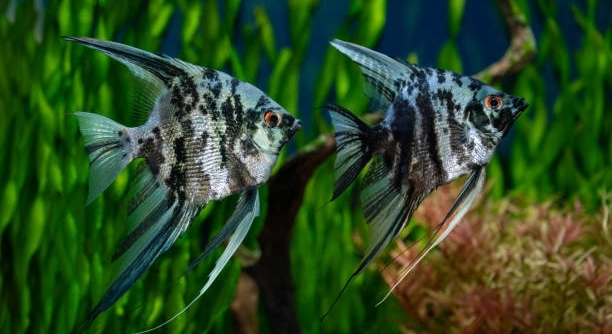
Angelfish are beautiful and fascinating creatures, known for their graceful movements and vibrant colors. Observing their behavior can be quite intriguing, especially when it comes to how they interact with each other in their underwater world.
Angelfish communicate primarily through body language and subtle movements, including fin positioning and swimming patterns. They establish territories and form hierarchies, often engaging in peaceful interactions, though occasional disputes may arise over space or mates.
From their social behavior to their unique ways of communicating, angelfish interactions are filled with interesting details. Understanding these behaviors can help you better care for your angelfish and ensure a peaceful aquarium environment.
1. The Social Nature of Angelfish
Angelfish are naturally social creatures, forming bonds with other fish in their environment. In a tank, you may notice them swimming together or close to one another. They often thrive in groups, especially when there’s plenty of space to spread out. These fish do not always prefer to be alone, and their interactions with each other can be quite fascinating. Some angelfish may engage in playful chasing or peaceful swimming alongside one another. However, these behaviors can change depending on their environment, such as the number of fish and tank size.
They tend to establish a hierarchy in a group. One fish may take on the role of the leader, while others follow or show respect. When placed in a well-balanced tank, angelfish demonstrate their social nature by forming smaller groups or even pairs. Over time, they develop bonds, whether it’s for breeding or simply sharing space.
Although angelfish can get along with each other, it’s important to monitor their behavior closely. Aggression can appear, especially if the space is crowded or territories are not established properly. Having enough hiding spots and a large enough tank can reduce the chances of conflicts and help maintain peaceful interactions.
2. Angelfish and Territorial Behavior
Territoriality is a key factor in angelfish interactions. They will often claim a space or area in the tank as their own. When two or more angelfish are introduced, they might contest for the best spots, leading to occasional aggressive behavior.
As part of their territorial nature, angelfish will chase away other fish if they feel their space is being invaded. This behavior is most common when they are in breeding mode or when the tank is too small. The larger the tank, the less likely they are to exhibit territorial aggression, as they have more space to spread out. The key to reducing territorial issues is providing enough room for all the fish and offering hiding places for peace.
In a larger aquarium, angelfish tend to establish distinct territories, with each fish defending its area. However, these territories aren’t always permanent. Fish may change or shift their claimed spaces based on their comfort level or environmental factors. Proper care and monitoring can lead to a more harmonious tank environment.
3. Mating Behavior of Angelfish
Angelfish can form strong bonds during mating season, often pairing up for life. When they are ready to mate, you might see them swim side by side and engage in synchronized movements. These bonding rituals help them prepare for the breeding process.
During mating, the female will lay her eggs, and the male fertilizes them. The pair then guards the eggs, with both parents taking turns watching over their new “territory.” The bond between the two strengthens as they protect their future offspring together. This behavior shows how strong their relationship can be, especially when raising young.
While mating, you might also notice the pair’s protective stance. If any other fish approach the area where the eggs are, the parents become more aggressive. This behavior is typical and helps ensure the safety of the eggs. As they care for their young, the angelfish show a remarkable level of teamwork.
4. Angelfish Communication Methods
Angelfish primarily communicate through body language and subtle movements. Their fins and posture can express various feelings, from aggression to contentment. A change in their swimming pattern or fin position can signal their mood.
When they feel threatened or stressed, angelfish may display defensive behaviors, such as flaring their fins or darting around. On the other hand, when they are relaxed, they move smoothly and gracefully through the water. They may also show affection by swimming side by side or following each other around. These non-verbal signals help angelfish interact without physical contact.
By observing their body language, you can learn how to care for them better. For example, if an angelfish is constantly hiding or flaring its fins, it might be stressed. By providing the right environment, such as hiding spots or more space, you can help reduce this stress and encourage healthier communication among your fish.
5. Aggression Among Angelfish
Angelfish can display aggression, especially if they feel their space or territory is being threatened. This behavior is more common in smaller tanks or when the fish are stressed. Aggressive actions may include chasing or fin nipping, which can lead to injuries if not addressed.
In a tank with too many fish, angelfish might struggle to establish their territories, causing more frequent confrontations. To reduce aggression, it’s important to ensure enough space for each fish. Providing hiding spots and making sure no one fish dominates the tank can keep aggression at bay.
6. The Importance of Tank Size
A larger tank helps reduce territorial disputes by offering more space for angelfish to roam. It also allows multiple fish to find their own areas to establish territories, leading to fewer conflicts. A crowded tank can cause stress, making aggressive behavior more likely.
Providing a spacious tank is key to healthy angelfish interactions. When fish have room to explore and establish their areas, they’re less likely to feel threatened. This results in a calmer, more peaceful environment for both the angelfish and their tank mates.
7. Angelfish with Other Species
Angelfish generally get along well with peaceful tank mates but can become territorial with more aggressive species. It’s important to choose compatible fish to avoid stress and aggression. Choosing species with similar temperaments ensures a more balanced tank.
Fish like tetras, corydoras, and other peaceful species typically coexist well with angelfish. However, avoid aggressive or overly active fish, as these can trigger defensive behavior. When selecting tank mates, always consider the size of your tank and the personalities of all species involved. This will keep your angelfish calm and your tank harmonious.
FAQ
Do angelfish fight with each other?
Angelfish can become territorial and may fight if their space is invaded. These fights often occur when the tank is too small, or there are too many fish. They might chase, nip at fins, or even display aggressive body language. It’s crucial to give them enough space to establish territories and avoid overcrowding. Adding plants, rocks, and hiding spots helps reduce stress and limits opportunities for fights. Angelfish are less likely to fight when they feel secure in their environment.
Can angelfish live with other fish?
Angelfish can live with other peaceful fish, but it’s essential to choose the right tank mates. Tetras, corydoras, and other calm fish usually coexist well with angelfish. However, avoid pairing them with overly aggressive or very small fish, as they might provoke the angelfish or become prey. A good rule is to pick species that have similar activity levels and temperaments. When introducing new fish, monitor interactions closely to ensure everyone is getting along.
How do angelfish communicate with each other?
Angelfish communicate mainly through body language. They use their fins to express feelings, such as showing aggression or affection. For example, when an angelfish feels threatened, it may flare its fins or swim rapidly to defend itself. In a peaceful state, they swim side by side or follow one another. During mating, the pair engages in synchronized swimming to strengthen their bond. Their communication is subtle but clear when you pay attention to their movements.
Are angelfish social fish?
Yes, angelfish are social and tend to enjoy the company of their own kind. They usually form small groups or pairs, especially in larger tanks. They may swim together or display protective behavior toward each other. However, they can also be territorial, so providing enough space and hiding spots is important to maintain peaceful interactions. When placed in an ideal environment, angelfish will thrive in a community of their own kind, as long as there is no overcrowding.
What size tank do angelfish need?
A minimum of a 30-gallon tank is recommended for angelfish. They need space to swim freely and establish territories. If you plan to keep more than one angelfish, a larger tank is necessary to prevent aggressive behavior. As a general rule, the bigger the tank, the more comfortable the fish will be, leading to less stress and fewer territorial disputes. A 55-gallon tank is ideal if you plan on keeping multiple angelfish or other species with them.
Can angelfish live in a community tank?
Yes, angelfish can live in a community tank with other peaceful fish, but it’s essential to carefully select compatible species. Avoid small, fast-moving, or aggressive fish, as they may stress out the angelfish or cause conflicts. Angelfish thrive in a peaceful environment, and with proper tank setup, they can coexist with other species like tetras, gouramis, and plecos. Always monitor your tank for signs of aggression and intervene if needed.
Do angelfish need to be in pairs?
Angelfish do not need to be in pairs, but they do tend to form pairs during mating season. If you have multiple angelfish, they may establish a hierarchy or bond with one other fish. However, it is not required for them to be in pairs. Angelfish can live alone if necessary, but having another angelfish or peaceful fish can help reduce stress and keep them social. It is essential to ensure that there is enough space for all fish to avoid territorial conflicts.
How do you know if angelfish are stressed?
Stressed angelfish may show several signs, including hiding, erratic swimming, or flaring their fins. They might also stop eating or become more aggressive. If your angelfish appears lethargic, frequently hides, or exhibits changes in behavior, it could be a sign of stress. Common causes include overcrowding, poor water quality, or a lack of hiding spots. To reduce stress, maintain a stable environment with clean water, enough space, and proper tank mates.
What is the best way to introduce new angelfish to a tank?
When introducing new angelfish to a tank, it’s best to do so gradually. Float the bag with the new fish in the tank to allow them to adjust to the water temperature. After about 20 minutes, begin adding small amounts of tank water into the bag to help the fish acclimate to the water chemistry. Once they are properly adjusted, release them into the tank, and watch for signs of aggression. If any aggression occurs, be ready to intervene by separating the fish temporarily.
Can angelfish live with shrimp?
Angelfish can live with shrimp, but caution is needed. Angelfish are opportunistic feeders and may try to eat smaller shrimp, especially the baby ones. Larger, hardier shrimp species like Amano or cherry shrimp are more likely to survive. However, it’s best to monitor your tank closely to ensure the shrimp are not becoming prey. Providing plenty of hiding places for the shrimp can also help them avoid the angelfish.
Final Thoughts
Angelfish are fascinating creatures to keep in an aquarium. They have unique social behaviors and interactions that can make them a joy to observe. Whether you’re keeping a single angelfish or several, understanding how they interact with each other helps in creating a peaceful environment. Their social nature means they prefer companionship, but at the same time, they are territorial and need enough space to thrive. Balancing their social needs with their territorial instincts is key to a successful aquarium setup.
The size of your tank plays a huge role in how well angelfish interact with each other. In a crowded tank, aggression can arise due to the limited space. However, when given a large tank with enough hiding spots, angelfish are less likely to feel threatened or stressed. If you’re thinking about adding more fish to your tank, be mindful of their compatibility with other species. Angelfish do best with peaceful tank mates, and knowing which fish will get along with them can make a big difference in the overall health of your aquarium.
Ultimately, taking the time to observe and understand the behavior of your angelfish will make caring for them easier. Each angelfish has its own personality, and over time, you’ll learn how they communicate and interact with one another. Maintaining a clean, spacious tank and providing them with proper care ensures they remain healthy and stress-free. Whether you’re new to keeping angelfish or a seasoned aquarium owner, these beautiful fish can make for an engaging and rewarding experience.

Hello,
If you enjoy the content that we create, please consider saying a "Thank You!" by leaving a tip.
Every little bit helps us continue crafting quality advice that supports the health, happiness, and well-being of pets around the world, for pets of all shapes, sizes, and species.
We really appreciate the kindness and support that you show us!