
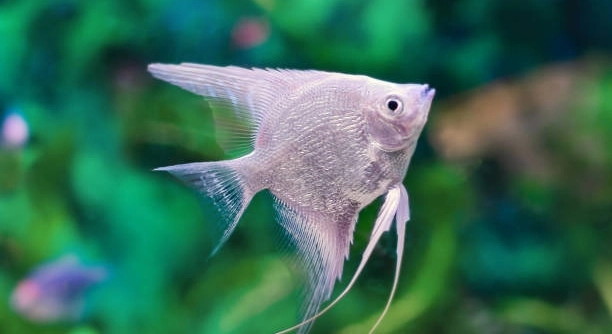
Angelfish are known for their vibrant colors and graceful movements, but have you ever wondered how they communicate with each other? These fascinating fish have unique ways of expressing themselves, beyond just their beauty.
Angelfish communicate primarily through body language, sound, and chemical signals. They use specific postures, fin movements, and behaviors to indicate dominance, courtship, or territoriality. Their communication methods are crucial for their survival and social interactions.
By observing their behaviors closely, you can understand more about their interactions with other fish. These insights can help in creating a better environment for your angelfish to thrive in.
Body Language: The Key to Angelfish Communication
Angelfish rely heavily on their body language to convey their emotions and intentions. A simple shift in posture can tell a lot about how an angelfish is feeling. For example, when an angelfish arches its body and spreads its fins wide, it’s a sign of aggression or territoriality. On the other hand, if the fish keeps its body relatively still with fins relaxed, it’s showing submission or peace. Their fins are particularly important, as these can be raised or lowered to signal different emotions. When engaging in courtship, angelfish will often swim side by side, maintaining close proximity while slightly adjusting their body angles.
The way an angelfish moves through the water also speaks volumes. Quick, darting movements can indicate stress or alarm, while slow, graceful swimming usually suggests calmness and contentment. These body signals help angelfish navigate social hierarchies and avoid conflicts in the tank.
When you observe your angelfish, take note of their movements. It will become easier to tell when they’re content or stressed, and adjusting their environment accordingly can improve their well-being.
Vocalization: Hidden Sounds in the Water
Angelfish can also communicate through sounds, although these are subtle and often hard to detect. They produce faint noises such as grunts and clicks, especially when feeling threatened or agitated. These sounds are created by vibrating their swim bladder.
While these vocalizations may not be as obvious as the movements of their fins, they still play a role in how angelfish interact. In some cases, the sounds are used to warn other fish to stay away or to establish territory. It’s fascinating how angelfish can communicate in ways that we don’t often notice.
For the most part, angelfish rely on body language, but the use of sound can sometimes be the final touch to assert dominance or express discomfort.
Chemical Signals: The Silent Communicators
One of the less obvious ways angelfish communicate is through chemical signals. These pheromones are released into the water when the fish are stressed, scared, or ready to mate. The chemicals help other fish in the area sense danger or understand when another angelfish is in the mood for courtship. These signals are often invisible to us but play a crucial role in their daily lives.
The release of chemical signals isn’t random. Angelfish carefully choose when and how to use them. When an angelfish is feeling threatened, it may release a chemical marker to warn other fish nearby. Conversely, when it’s time to mate, specific pheromones will attract potential mates.
In the case of territoriality, chemical signals help angelfish claim their space and keep other fish away. These pheromones are effective in a way that’s almost invisible, but powerful enough to shape the angelfish’s behavior. Understanding this method can help create a better environment for them, ensuring there’s less stress and competition.
Eye Contact: A Sign of Connection
Angelfish often use eye contact to communicate with each other, especially when they’re in close proximity. When an angelfish looks directly at another, it’s often a way of assessing the other fish’s intentions or position in the social hierarchy. Eye contact is a subtle but important part of their communication.
This behavior is commonly seen during courtship or territorial disputes. If an angelfish locks eyes with another, it can signal either attraction or aggression. In some cases, the fish will hold their gaze for an extended period as a way of asserting dominance or showing disinterest in a potential threat.
Paying attention to eye contact among angelfish can offer a deeper understanding of their relationships within a tank. This form of communication is essential for their social interactions and can help you interpret their behavior better.
Fin Movements: A Clear Indicator
Fin movements are another clear way angelfish communicate with each other. These fish often fan or flutter their fins in a specific pattern to signal their mood. For example, when two angelfish are courting, they may gently open their fins in a synchronized movement, displaying their beauty and attracting one another.
In contrast, when angelfish feel threatened or are establishing dominance, they may puff up their fins to appear larger or more intimidating. This display can help deter other fish from approaching. When angelfish are peaceful and calm, their fins are generally relaxed and close to their bodies.
These small but distinct fin movements are an essential part of their communication. By observing these gestures, you can learn to identify the mood and intent of your angelfish.
Body Posture: Telling the Tale
The posture of an angelfish can reveal a lot about what it’s feeling. When an angelfish stands upright or hovers in one spot, it could be signaling readiness for courtship or displaying its dominance over its territory. This behavior is particularly common during mating rituals when they want to impress potential mates.
In other situations, if an angelfish appears hunched or keeps its body close to the substrate, it might be feeling vulnerable or stressed. This kind of posture often indicates that the fish is frightened or not in the best of health. The way an angelfish holds its body can also give clues about its interaction with the rest of the tank.
If you notice your angelfish frequently changing its posture, it could indicate shifts in mood, health, or interactions with other fish in the tank.
Aggression and Territory: The Importance of Space
Angelfish are territorial by nature, and they communicate this through their actions. When an angelfish feels its space is being encroached upon, it will often use a combination of body language, fin movements, and even vocalizations to establish boundaries. This behavior is especially noticeable during breeding seasons or when they feel threatened by other fish.
Aggressive behaviors can include chasing away other fish, puffing up their fins, or displaying heightened postures. These actions help the angelfish defend its territory and ensure its safety. Understanding these territorial behaviors is essential for creating a harmonious environment for your fish.
It’s important to give your angelfish plenty of space to swim and explore. This can reduce stress and limit aggression, allowing the fish to feel more secure and confident in their territory.
Color Changes: A Sign of Emotion
Angelfish often use their color changes to express emotions or react to environmental changes. When an angelfish feels stressed, scared, or agitated, its colors may darken or become more vibrant. This is often a response to perceived threats or changes in their surroundings.
Changes in color can also occur during mating displays. When courting, an angelfish may show brighter or more intense colors to attract a mate. These color shifts are part of their communication toolkit, helping them convey emotions or intentions clearly without needing to use sound or body language.
The next time you notice your angelfish changing color, pay attention to the surrounding circumstances. It’s an important indicator of how they’re feeling.
Breeding Behavior: A Unique Form of Communication
When angelfish are ready to breed, they engage in specific behaviors that help communicate their readiness to mate. These behaviors include synchronized swimming, fin displays, and the clearing of a breeding site. During courtship, the male angelfish will often follow the female closely, performing a series of elegant maneuvers to show off and attract her attention.
The female will usually respond by inspecting potential breeding spots, often a flat surface like a rock or leaf. Once both the male and female are ready, they will engage in a ritualistic dance before laying eggs. This breeding behavior is a clear form of communication, ensuring both fish are on the same page when it comes to reproduction.
If you notice these specific actions, it’s likely that your angelfish are preparing to spawn.
Social Hierarchy: Establishing Roles
Angelfish often establish a social hierarchy within their tank. Larger or more dominant angelfish tend to assert themselves over the smaller ones. These social structures are communicated through body language and physical interactions, with dominant fish engaging in displays of aggression or territorial behavior.
Recognizing the social roles in your tank will help you understand why some angelfish behave aggressively or shy away from others. It’s all about maintaining the balance and order within their space.
FAQ
How do angelfish communicate with each other?
Angelfish communicate through a combination of body language, fin movements, eye contact, and sometimes chemical signals. They rely heavily on their physical movements to express feelings, such as aggression or courtship. Their fins may flare up to show dominance or calm down when they are relaxed. Eye contact is used for assessing other fish and establishing relationships. In addition, angelfish release pheromones into the water to signal stress, territory, or readiness for breeding. These various methods of communication help them navigate social interactions and maintain their territory.
Why do angelfish change color?
Angelfish change color due to various factors like stress, aggression, mating, or environmental changes. When they are stressed or threatened, their colors may darken or become more intense. This color change is a way of signaling distress or discomfort. On the other hand, during breeding, angelfish may display brighter, more vibrant colors to attract a mate. Their color changes act as an important visual signal to other angelfish, letting them know how the fish is feeling and whether it is a threat or a potential mate.
Can angelfish recognize their owners?
While there isn’t conclusive scientific evidence that angelfish recognize their owners in the same way that dogs or cats do, they are capable of learning and associating certain actions or events with specific individuals. Angelfish can become accustomed to the presence of their caretakers, especially when they are fed regularly. Over time, they may even learn to approach their owners during feeding times, associating them with food. This behavior indicates that they can recognize patterns and may respond to their owner’s actions in a conditioned way.
What should I do if my angelfish seems stressed?
If your angelfish is showing signs of stress, such as darting around, hiding, or exhibiting unusual behaviors, it’s important to evaluate its environment. Check the water conditions (temperature, pH, ammonia levels, etc.) to make sure they are within the optimal range. Poor water quality is often a leading cause of stress. Ensure there are no aggressive tank mates, as angelfish are territorial and can be stressed by other fish. If they are in a breeding cycle, they might also display stress due to the hormonal changes. Giving your angelfish a peaceful environment with enough space to swim can help reduce their stress.
How do angelfish court and mate?
Angelfish courtship is a complex behavior that involves synchronized swimming, fin displays, and physical closeness. During mating, the male will follow the female, often displaying his colors and adjusting his body movements to attract her. Once the female shows interest, the two will swim together in a ritualized manner, sometimes circling each other. The female will then inspect potential breeding sites, such as a flat rock or leaf, and the male will help clear the area of debris. Afterward, the female lays her eggs, and the male fertilizes them.
Are angelfish aggressive towards other fish?
Angelfish can be aggressive, especially when it comes to protecting their territory or during breeding seasons. They tend to display more aggressive behaviors toward other fish that enter their personal space. However, angelfish are usually peaceful with other species, especially if there is plenty of room and hiding spots in the tank. It’s important to monitor their interactions with other fish, especially if there are any signs of stress or fighting. Ensuring the tank has plenty of space and suitable tank mates can help reduce aggression.
How can I tell if my angelfish is healthy?
A healthy angelfish will display bright colors, swim gracefully, and eat well. If your angelfish has a good appetite, moves actively, and appears alert, it is generally a sign of good health. Unusual behaviors such as lethargy, discoloration, fin rot, or refusal to eat are signs of stress or illness. Regularly checking the water quality, maintaining a clean tank, and feeding your angelfish a balanced diet are important for their health. Healthy angelfish also have smooth, intact fins without any signs of tearing or damage.
Do angelfish need a companion?
Angelfish are social creatures and do well when kept with other angelfish or peaceful tank mates. While they can live alone, they often exhibit more natural behaviors when in pairs or small groups. However, keeping too many angelfish in a small tank can cause stress and territorial disputes. A single angelfish may feel isolated, especially if there are no other fish of the same species around. Pairing them with other peaceful fish or keeping a single angelfish with enough space can help ensure a more balanced and healthy environment.
What size tank do angelfish need?
Angelfish need a tank of at least 30 gallons to thrive, though larger tanks are always better, especially if you plan to keep multiple fish. A larger tank provides more space for swimming and reduces territorial conflicts. Angelfish are relatively large fish, so having enough room allows them to grow comfortably and reduces stress. Tanks smaller than 30 gallons can lead to overcrowding, water quality issues, and increased aggression, so it’s essential to provide ample space for your fish to feel secure.
Can angelfish live with other species?
Yes, angelfish can live with other species, but they should be kept with compatible tank mates. Peaceful fish such as tetras, gouramis, and small catfish usually make good companions for angelfish. However, aggressive or overly territorial fish may provoke angelfish, leading to stress or fights. It’s also important to ensure that the other fish can comfortably coexist with angelfish in terms of water conditions and tank size. Keep in mind that angelfish may become more territorial during breeding, so it’s best to avoid placing other fish too close to their chosen nesting areas.
Final Thoughts
Understanding how angelfish communicate is key to providing them with a comfortable and healthy environment. These fish use a variety of methods, from body language and fin movements to color changes and chemical signals, to express their emotions and interact with other fish. By observing their behaviors, such as eye contact, posture, and fin displays, you can get a clearer sense of what they need or how they feel. Knowing how angelfish communicate helps you avoid stress in the tank, promote peaceful interactions, and even assist in breeding when the time comes.
Angelfish are relatively peaceful when they feel secure, but they can become aggressive if they feel threatened or if their space is invaded. Recognizing signs of stress, such as changes in behavior or color, can help you act quickly to improve the conditions in their tank. Ensuring the water quality is optimal, providing enough space, and keeping compatible tank mates will go a long way in reducing aggression and ensuring your angelfish remain healthy and happy. Additionally, by watching their body language and color changes, you’ll be better prepared to identify when they are ready to breed or when they are feeling threatened.
By following these simple guidelines, you can create a positive environment for your angelfish where they can thrive. It’s important to remember that every fish is unique, and by paying attention to their individual behaviors, you can tailor their care to suit their needs. Whether you’re a beginner or experienced in fishkeeping, understanding how angelfish communicate will make it easier to maintain a healthy and happy aquarium for these beautiful and fascinating creatures.

Hello,
If you enjoy the content that we create, please consider saying a "Thank You!" by leaving a tip.
Every little bit helps us continue crafting quality advice that supports the health, happiness, and well-being of pets around the world, for pets of all shapes, sizes, and species.
We really appreciate the kindness and support that you show us!