
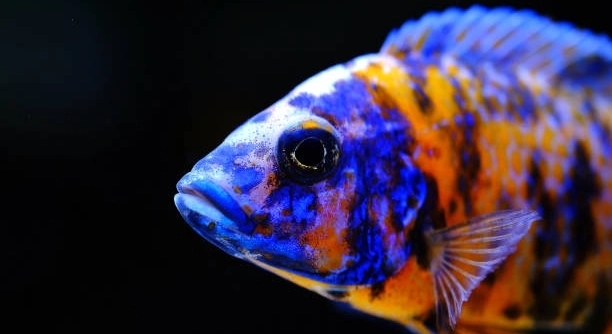
Convict cichlids are small, colorful freshwater fish known for their lively behavior. Many aquarists notice how these fish interact with one another and their owners, often displaying surprising signs of connection and care in their environment.
Convict cichlids show affection through consistent physical proximity, gentle nipping, and coordinated movements with their mates or owners. These behaviors indicate bonding, trust, and protective instincts, reflecting both social and environmental responses within their aquatic habitat.
Observing these subtle signs can deepen your understanding of your cichlids’ social life and enhance the care you provide daily.
Recognizing Affection in Convict Cichlids
Convict cichlids display affection in ways that are easy to notice once you pay attention. They often stay close to their mates or the corners of the tank they favor, showing comfort in proximity. Gentle nipping at fins or tails is another common sign, not aggression, but a way of interacting. You might also see them following each other or circling together, which demonstrates social bonding and coordination. Even when you approach the tank, some convict cichlids will swim toward you, indicating trust and familiarity. These behaviors are consistent, and over time, you can distinguish between normal social interactions and signs of stress or discomfort. Paying attention to patterns in their daily activities helps interpret these affectionate gestures accurately. Feeding time often brings out subtle displays, such as nudging or guarding food, which reinforces their attachment and territorial awareness. Observing closely allows for a deeper appreciation of their social habits.
Affection in convict cichlids is most apparent through consistent proximity, gentle nipping, and synchronized movements with their mate or companion fish.
Watching these behaviors daily helps you bond with your cichlids and ensures they remain happy, healthy, and engaged in their tank environment.
How Tank Environment Influences Behavior
The setup of your tank plays a major role in how convict cichlids show affection.
Tank size, hiding spots, and decorations directly affect their interactions. A spacious environment with rocks, plants, and shelters allows them to explore while feeling secure. When cichlids have adequate space, they display more natural behaviors, including affectionate gestures like following or nudging each other. Overcrowded tanks can increase stress, making these behaviors less noticeable or even leading to aggression. Lighting and water quality also influence their mood and comfort. Clear water and proper filtration reduce stress and support healthy social interactions. Temperature stability is important; sudden fluctuations can make them withdrawn. By arranging the tank thoughtfully, you encourage natural bonding behaviors, allowing you to see their affection more clearly. Even small changes, like adding a new hiding spot, can enhance their sense of security and prompt more interaction. Observing and adjusting their environment ensures these fish remain social, active, and expressive.
Signs of Pair Bonding
Pair bonding in convict cichlids is evident when two fish consistently stay close and coordinate movements. They share territory, guard each other, and show gentle nudges or tail touches. This behavior signals trust, attachment, and mutual comfort between the pair in the tank environment.
Once a pair bond forms, convict cichlids engage in synchronized swimming, often circling together or mirroring each other’s actions. They may also share feeding spots, allowing both fish to eat without conflict. Nest building is another clear sign, with both fish participating in clearing substrate or arranging small rocks. These activities strengthen their connection and display mutual cooperation. Observing these interactions over time provides insight into their social structure and emotional attachment. Pair bonds are usually stable, with consistent routines and recognizable patterns of interaction.
During bonding, cichlids frequently display protective behavior. One fish may position itself between the mate and potential threats or new tank additions. This protective instinct highlights their awareness and care for each other. Additionally, subtle gestures like gentle fin touches and resting nearby reinforce the bond. Understanding these signs helps maintain their well-being and allows you to support their natural social habits. Pair bonding enhances tank harmony and overall fish health.
Interpreting Affection Towards Owners
Convict cichlids can show affection to their owners through approach behavior, following movements, or remaining near the front of the tank. These gestures indicate recognition, comfort, and trust built over consistent interaction.
Over time, cichlids may swim toward you when you approach the tank, sometimes nudging the glass or positioning themselves in visible spots during feeding. They respond to gentle tapping, feeding routines, or hand presence, signaling familiarity and reassurance. Recognizing these behaviors helps you understand their comfort level and emotional engagement. Encouraging positive interactions, like providing food or maintaining consistent care, strengthens this connection. Additionally, subtle displays, such as mirroring your movements or observing quietly from a nearby hiding spot, indicate attentiveness and bonding. Consistent attention and care ensure they feel secure and appreciated. This recognition of affection from convict cichlids can enhance your experience as a fish keeper and promote their overall happiness in the tank.
Physical Gestures of Affection
Convict cichlids use body language to show care. Gentle nipping, nudging, and swimming close together are common signs. These gestures signal trust and comfort with their mate or tank companions, reflecting their social instincts and emotional connection.
Fin flaring and subtle circling around each other are additional physical signs. These actions strengthen pair bonds and indicate that the fish feel secure in their environment, showing affection through coordinated movements.
Vocalizations and Sounds
Although not loud, convict cichlids produce low grunts and clicks during interaction. These sounds are used to communicate with mates or signal reassurance. Regular observation reveals when these noises accompany affectionate behaviors, such as guarding or swimming together, highlighting their complex social communication.
Feeding and Sharing
Convict cichlids often display affection by sharing food or feeding spots. Allowing a mate to eat first or nudging food toward each other shows cooperation and trust, reinforcing their bond and social harmony within the tank.
Protective Behavior
Protecting a mate or nearby fry is a clear sign of attachment. Cichlids position themselves strategically to guard loved ones, demonstrating loyalty and care that reflects their affectionate instincts.
FAQ
How do I know if my convict cichlid likes me?
Convict cichlids show recognition and trust through consistent approach behavior. They may swim toward you when you enter the room, follow your movements outside the tank, or linger near the front during feeding. Nudging the glass or positioning themselves in visible spots are additional signs of familiarity. These actions reflect comfort with your presence.
Do convict cichlids form long-term bonds?
Yes, convict cichlids often form stable pair bonds, especially when kept in suitable environments. Pairs swim together, share territory, and engage in coordinated activities like feeding and nest building. Protective behavior and consistent proximity over time indicate a strong, lasting bond between mates or tank companions.
Can they show affection to other fish?
Convict cichlids display affection toward compatible tank mates through gentle nudging, following, and synchronized swimming. These interactions signal social attachment and comfort. Providing ample space, hiding spots, and stable water conditions encourages these behaviors and reduces stress, helping them maintain healthy relationships with other fish.
What are the main signs of affection in convict cichlids?
The main signs include staying close to mates or owners, nudging or gentle nipping, coordinated swimming, mirroring movements, and protective behavior. Sharing food or feeding spots is another indication. These behaviors demonstrate trust, social bonding, and emotional attachment in a safe tank environment.
Do they respond to feeding routines?
Yes, feeding routines strengthen their recognition of you. Cichlids may swim toward you during feeding, show excitement, or wait near their usual feeding spot. Responding to consistent feeding times builds familiarity and trust, making them more interactive and expressive in their daily behavior.
How does the tank environment affect their affection?
Tank size, decorations, hiding spots, and water quality impact their social behavior. Spacious tanks with proper shelters allow them to feel secure, encouraging pair bonding, gentle interactions, and displays of attachment. Overcrowding or poor water conditions can reduce affectionate behaviors and increase stress.
Can convict cichlids be trained to interact with owners?
While not trainable like mammals, they respond to consistent care, feeding, and gentle interaction. They learn to associate your presence with safety and food, which increases their approach behavior and affectionate gestures over time. Patience and consistency are key.
Are their protective behaviors a sign of affection?
Yes, guarding mates or fry is a clear indication of attachment. Convict cichlids position themselves strategically, showing loyalty and care. Protective behavior is part of their social instincts and demonstrates trust, both in the mate and in the surrounding environment.
Do they use sounds to communicate affection?
Convict cichlids produce low grunts and clicks during social interaction. These subtle sounds accompany coordinated swimming, guarding, or nudging. Listening for these noises, especially during bonding behaviors, provides insight into their communication and emotional expression.
How can I encourage affectionate behavior in my cichlids?
Maintaining stable water conditions, providing ample space and hiding spots, keeping consistent feeding routines, and avoiding sudden disturbances help cichlids feel secure. A comfortable environment allows natural social behaviors, fostering trust, pair bonding, and affectionate gestures toward both mates and owners.
Is it normal for only one fish to show affection in a pair?
Sometimes, one cichlid may be more expressive, but both contribute to the bond in subtle ways. One might lead in movements or be more protective, while the other reciprocates through proximity, shared feeding, or coordinated swimming, reflecting a balanced attachment.
Can young cichlids show affection?
Even juvenile convict cichlids display social behaviors. They engage in following, gentle nudging, and coordinated swimming with peers. Early signs of bonding can appear as they develop, helping establish social hierarchy and attachment as they mature.
What should I avoid to prevent stress-related behavior changes?
Avoid overcrowding, sudden temperature changes, poor water quality, and frequent tank rearrangements. Stress can reduce affectionate behaviors, increase aggression, and harm health. Maintaining a stable, enriched environment supports natural social interactions and strengthens bonds between cichlids and their owners.
How do convict cichlids show affection without direct interaction?
They may display affection passively by staying in proximity, mirroring movements, or guarding shared territory. Even without direct nudging or feeding gestures, these subtle behaviors indicate comfort, trust, and ongoing social attachment within the tank.
Are there differences in affection between males and females?
Males often show more protective behavior, while females may engage more in nurturing and cooperative actions. Both contribute to pair bonding, but their methods differ, reflecting natural roles and instincts in maintaining attachment and social harmony.
Can affection indicate health or mood?
Yes, consistent displays of social interaction, feeding participation, and protective behavior generally indicate good health and comfort. Withdrawal, aggression, or lack of engagement may signal stress, illness, or an unsuitable environment, emphasizing the connection between social behavior and well-being.
Does tank placement affect their willingness to show affection?
A quiet, stable location reduces stress and encourages natural social behaviors. Frequent disturbances, loud noises, or heavy traffic near the tank can make cichlids more withdrawn, reducing their interaction with mates or owners and suppressing affectionate gestures.
How long does it take for them to show affection?
Time varies depending on the fish, environment, and prior experiences. Some convict cichlids show recognition within days, while others may take weeks. Consistency in care and stable tank conditions accelerates trust and encourages visible affectionate behaviors.
Is it possible for a new fish to disrupt affection in a bonded pair?
Yes, introducing new fish can alter dynamics temporarily. Bonded cichlids may become more protective or cautious, displaying less overt affection. Providing hiding spots, gradual introductions, and monitoring interactions helps maintain their social stability and reduce stress-related changes.
Can affection behaviors change over time?
Affectionate behaviors can fluctuate with age, health, or environmental changes. Bonds may strengthen or weaken depending on comfort, security, and consistency in the tank setup. Observing patterns over time helps you understand their natural rhythms and emotional expression.
Are there signs that affection is genuine versus territorial behavior?
Genuine affection is characterized by gentle nudging, proximity without aggression, and cooperative actions like feeding or swimming together. Territorial behavior involves chasing, fin flaring, or blocking access to food or shelters. Careful observation distinguishes attachment from dominance or defense instincts.
Do convict cichlids form bonds with more than one tank mate?
Yes, when space and conditions allow, they may engage in affiliative behavior with multiple compatible fish. While pair bonds remain strong, they can show social attachment through following, nudging, or coordinated movements with other tank companions, reflecting flexible social behavior.
How important is observation in understanding their affection?
Regular observation is essential. Watching daily interactions, feeding routines, and protective behaviors allows you to interpret gestures accurately. Understanding patterns helps you create a supportive environment that encourages bonding and ensures their physical and emotional well-being.
Can affection improve over time with consistent care?
Yes, convict cichlids respond positively to stable routines, proper tank conditions, and gentle interaction. Over time, they become more expressive, interactive, and trusting, deepening pair bonds and attachment to both mates and owners. Patience and attentiveness foster these behaviors naturally.
Do they show signs of affection during breeding?
During breeding, displays of cooperation and protection are intensified. Both parents participate in nest building, guarding eggs, and coordinating movements. These behaviors demonstrate attachment and reinforce bonds, highlighting natural instincts for care and social connection.
Is affection linked to tank size?
Larger tanks with adequate space and hiding spots promote natural interaction, giving cichlids room to engage in bonding behaviors. Small or crowded tanks limit movement and reduce visible affection, sometimes leading to stress or aggression, emphasizing the importance of proper environment for social behavior.
How can I document their affectionate behavior?
Keeping notes or taking short videos of daily interactions helps track patterns. Recording feeding responses, nudging, following, and protective actions provides insight into their social dynamics and helps you recognize changes over time, ensuring their environment supports positive behaviors.
Do convict cichlids show affection differently in groups versus pairs?
In groups, social hierarchies influence how affection is displayed. Pair bonds remain evident, but interactions with other fish include following, gentle nudging, and synchronized swimming. Observing these patterns highlights their adaptability and ability to form multiple social connections in a balanced environment.
Can stress or illness affect affectionate behavior?
Yes, stress or illness often reduces interaction, approach behavior, and gentle gestures. Withdrawal, hiding, or aggression can replace normal affectionate actions. Maintaining water quality, proper diet, and stable tank conditions is crucial to preserve their natural social behaviors and emotional expression.
Do cichlids remember affectionate interactions?
Convict cichlids have memory of consistent care, feeding, and positive social interactions. Repeated recognition fosters trust and encourages approach behavior. Over time, they may show anticipation during feeding or respond to specific owners, reflecting their ability to remember and associate positive experiences.
How can I distinguish between affection and curiosity?
Affection involves repeated, consistent gestures like proximity, nudging, following, and protective behavior. Curiosity is more exploratory and occasional, such as inspecting new objects or swimming briefly toward movement without ongoing interaction. Observing repetition and pattern distinguishes attachment from mere investigation.
Can affection extend to tank enrichment objects?
Sometimes, convict cichlids may interact gently with objects like plants or rocks, especially if paired with a mate nearby. While not true affection, these interactions provide comfort, security, and engagement, indirectly supporting their social behaviors and emotional well-being.
Is it normal for affection to decrease during molting or growth phases?
Yes, during periods of physical stress, growth, or molting, cichlids may reduce active interaction. Temporary withdrawal or reduced nudging is normal, and behaviors usually return once the fish adjusts, highlighting the link between physical condition and social expression.
Does age affect their affectionate behavior?
Younger cichlids may display curiosity and early bonding, while adults show more defined pair bonds, protective instincts, and coordinated actions. Aging fish might reduce activity but maintain subtle affectionate gestures, reflecting changing energy levels while preserving social attachment.
Are there risks in misinterpreting aggression as affection?
Yes, fin flaring or chasing can resemble interaction but may indicate dominance or stress. Careful observation of context, repetition, and accompanying behaviors helps distinguish genuine affectionate gestures from territorial or aggressive actions.
How do environmental changes impact bonding?
Changes in tank layout, water conditions, or new additions can temporarily disrupt affectionate behavior. Gradual adjustments, proper hiding spots, and consistent care help cichlids maintain bonds, ensuring continued social engagement and minimizing stress-related behavior changes.
Can multiple pairs coexist peacefully?
Yes, with sufficient space and hiding areas, multiple pairs can maintain bonds without excessive aggression. Observing interactions and providing visual barriers helps reduce conflict while allowing pairs to express natural affectionate behaviors and maintain social harmony.
Is affectionate behavior more visible during certain times of day?
Cichlids are generally more active during feeding or when the tank is undisturbed. Observing during these periods increases the likelihood of seeing nudging, following, or coordinated swimming, making affection easier to recognize and understand.
Do they show affection differently in planted tanks versus bare tanks?
Planted tanks provide shelter, visual barriers, and exploration opportunities, encouraging natural social behaviors. Bare tanks may limit comfort and reduce visible gestures like following or nudging, demonstrating the importance of environmental enrichment in promoting affectionate interactions.
Can affection be used to gauge overall happiness?
Yes, consistent displays of bonding, protective behavior, and interaction with mates or owners generally indicate contentment. Withdrawal, aggression, or lack of engagement may signal stress, making affectionate behaviors a reliable indicator of emotional well-being and environmental suitability.
Does gender influence the way affection is expressed toward owners?
Males may display protective gestures or approach cautiously, while females often engage in more consistent interaction, such as following or staying near the front of the tank. Both genders express trust and recognition, but their methods may reflect natural instincts and individual personality.
Are there signs that affection is increasing over time?
Increased proximity, more frequent nudging, synchronized swimming, and heightened response to feeding or approach behavior indicate growing trust and attachment. Consistent observation reveals gradual changes, showing that bonds strengthen with stable care and interaction.
Can affection predict breeding readiness?
Yes, strong pair bonds often precede spawning. Coordinated swimming, shared territory, nest building, and protective behaviors suggest readiness. Observing these actions helps anticipate breeding behavior and understand the social dynamics of your cichlids.
Is it normal for affection to fluctuate with tank activity?
Yes, disturbances, loud noises, or heavy movement around the tank can reduce visible interaction. Cichlids may temporarily retreat or show less nudging, highlighting their sensitivity to environmental stimuli and the importance of a calm setting for natural behaviors.
Do convict cichlids show signs of regret or reconciliation after disputes?
After minor conflicts, they often return to coordinated swimming, gentle nudging, or proximity behaviors. These actions restore the bond and reinforce pair attachment, demonstrating social awareness and the maintenance of relationships within the tank.
Can affection help reduce aggression between tank mates?
Strong bonds and established pair relationships can stabilize social hierarchies, reducing overall tension. Recognizing and supporting these attachments encourages cooperative behavior, decreases conflict, and promotes a harmonious tank environment.
How can I enhance the visibility of affectionate behaviors?
Maintaining clean water, stable temperature, consistent feeding, and providing hiding spots allows cichlids to feel secure. Observing during active periods, such as feeding, increases the likelihood of seeing nudging, synchronized swimming, or protective gestures, making affection more noticeable.
Is it normal for some cichlids to remain aloof despite consistent care?
Yes, individual personalities vary. Some fish are naturally reserved and may show minimal outward affection. Consistent care, stable environment, and patience often encourage subtle gestures, though not all fish will display overt behaviors toward owners or mates.
Do cichlids remember affectionate interactions with previous owners or tank mates?
They have memory of positive experiences. Cichlids may recognize familiar routines, feeding cues, and social partners. New environments require adjustment, but prior experiences influence how quickly they display trust and affectionate behaviors in new settings.
Can affection indicate dominance or submission?
Some gestures overlap with social hierarchy, but true affection is cooperative, gentle, and consistent. Aggressive or territorial behaviors are usually more forceful and unilateral. Observing context, repetition, and paired responses helps distinguish attachment from dominance or submission.
Are there signs of affection unique to convict cichlids compared to other cichlids?
Convict cichlids are particularly expressive through nudging, coordinated swimming, and protective behavior. While other cichlids may display similar gestures, these behaviors are frequent and highly observable in convicts, making them easier to interpret and track over time.
How can I track changes in affectionate behavior?
Regular observation, notes, and video recordings help monitor nudging, following, protective actions, and responses to feeding. Comparing behaviors over days or weeks reveals patterns, indicating increasing, stable, or declining attachment and helping ensure environmental and social needs are met.
Do cichlids show affection outside their pair bond?
Yes, social interaction with non-paired tank mates includes following, nudging, and synchronized swimming. While less intense than pair bonding, these gestures indicate comfort, social awareness, and the ability to form secondary attachments within a suitable environment.
Can affectionate behavior be encouraged during breeding?
Yes, providing stable conditions, adequate space, and proper nesting materials encourages coordination, protective behavior, and shared activities. These behaviors support successful breeding and strengthen pair bonds, reflecting both natural instincts and emotional connection between mates.
How long should I observe before drawing conclusions about affection?
Consistent observation over several weeks provides a clear picture of normal behaviors. Short-term activity may not reflect genuine attachment. Tracking feeding response, nudging, coordinated swimming, and protective actions over time ensures accurate interpretation of affectionate behaviors.
Are there signs that affection is weakening?
Withdrawal, reduced proximity, decreased nudging, or aggression toward mates or owners can indicate weakening bonds. Environmental stressors, illness, or overcrowding often contribute. Identifying these changes allows adjustments to care and tank conditions to restore comfort and social interaction.
Does affection affect overall tank dynamics?
Yes, strong pair bonds and social connections influence hierarchy, reduce aggression, and encourage cooperative behavior. Affectionate interactions create stability, ensuring healthier, more predictable behavior among cichlids and a more harmonious environment for all tank inhabitants.
Can affection vary by time of year?
Seasonal changes, particularly in natural light and temperature, can influence activity levels. Affectionate behaviors may fluctuate, becoming more or less visible, though strong pair bonds typically remain consistent despite environmental shifts.
Are there signs of jealousy or competition affecting affection?
When new fish are introduced, bonded cichlids may show mild aggression or increased protective behavior. Observing how affection changes in these scenarios helps differentiate normal social responses from stress-induced behaviors, ensuring stability and continued attachment.
Can affection be misinterpreted as mating behavior?
Some bonding gestures overlap with courtship, but true affection is consistent and cooperative, not limited to reproductive intent. Nudging, following, and protective actions outside of breeding periods indicate ongoing social attachment rather than mating motivation.
Does feeding order reflect affection?
Allowing a mate to eat first, sharing food, or gentle nudging during feeding demonstrates cooperation and trust. These behaviors reinforce pair bonds and show that affection can manifest in practical, observable ways during daily routines.
How do I support affectionate behaviors long-term?
Maintain stable water parameters, provide adequate space, enrich the environment, and keep consistent feeding routines. Gentle interaction and careful observation encourage trust, social bonding, and ongoing affectionate behaviors, ensuring their well-being and emotional health in the tank.
Can sudden tank changes erase affectionate behaviors?
Yes, abrupt changes in layout, water conditions, or tank companions can temporarily reduce interaction and trust. Gradual adjustments, hiding spots, and consistent care help cichlids re-establish bonds and resume natural affectionate behaviors without long-term disruption.
Are there subtle signs that owners often miss?
Subtle nudges, coordinated swimming, and positioning near a mate without direct interaction are easily overlooked. These gestures indicate comfort and attachment, demonstrating that affection is not always loud or obvious but can be consistently present in subtle ways.
How do cichlids balance affection and territorial instincts?
Affection and territoriality coexist. Pair bonds are maintained within shared territory, while mild defensive behaviors protect resources. Observing context and frequency of gestures clarifies when actions are affectionate rather than aggressive, showing a balance of social attachment and instinctive defense.
Do cichlids show affection during rest or inactivity?
Even during quiet periods, proximity, gentle touching, or coordinated positioning reflects attachment. They may rest near each other
Convict cichlids are much more than just colorful additions to a tank. Their behaviors reveal a depth of social interaction that is both fascinating and rewarding to observe. From gentle nudging to coordinated swimming, these fish communicate their comfort, trust, and attachment in ways that can be surprisingly easy to recognize once you pay attention. Watching them engage with each other and occasionally with you provides insight into their social nature. They rely on subtle cues to show affection, whether it is following a mate, guarding eggs, or staying close during feeding times. By noticing these behaviors, you can appreciate the complexity of their interactions and better understand their needs as social creatures in a controlled environment. Over time, you start to see patterns in how they interact with one another and the environment, which makes caring for them more engaging and meaningful.
Creating a suitable environment is essential for encouraging these natural behaviors. Tank size, hiding spots, decorations, and stable water conditions all play a role in how comfortable convict cichlids feel. When they feel secure, they are more likely to display their social and affectionate behaviors. Small details, like arranging rocks, adding plants, or maintaining consistent feeding schedules, can make a significant difference in their overall comfort and willingness to interact. Environmental factors not only affect their physical health but also their emotional well-being. A secure and stable habitat allows them to bond with mates and interact gently with other tank mates. Observing these interactions over time gives a clearer picture of their social dynamics. By carefully considering tank setup and maintenance, you create conditions that naturally encourage these fish to express attachment and trust. This understanding of their behavior makes you more aware of their needs and improves your ability to provide proper care.
Affection in convict cichlids is subtle but meaningful. The signs are often small and easy to miss if not observed consistently. Nudging, proximity, synchronized swimming, and protective behavior are all part of their way of showing attachment. Even their interactions with owners, like approaching the tank or responding to feeding routines, reflect recognition and comfort. Patience and careful observation are important because these behaviors may develop gradually. Understanding them allows you to distinguish between affection and stress or aggression. Appreciating these behaviors also strengthens your connection with the fish and enhances the experience of keeping them. While convict cichlids may not show affection in ways that are immediately obvious, consistent care, proper environment, and attention to their social patterns reveal a rich and rewarding set of behaviors. Recognizing and supporting these interactions contributes to their happiness and long-term well-being, making the care of these fish both fulfilling and insightful.

Hello,
If you enjoy the content that we create, please consider saying a "Thank You!" by leaving a tip.
Every little bit helps us continue crafting quality advice that supports the health, happiness, and well-being of pets around the world, for pets of all shapes, sizes, and species.
We really appreciate the kindness and support that you show us!