
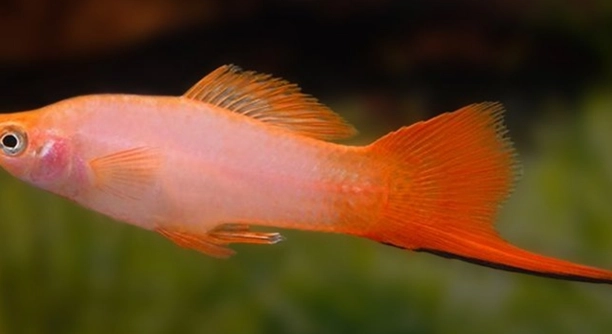
Swordtail fish are active and social creatures, but stress can affect their behavior and health. Understanding how to calm a stressed swordtail is essential for maintaining their well-being in your aquarium.
Stress in swordtails can be reduced by adjusting their environment. Factors such as water quality, tank mates, and tank conditions play key roles. Ensuring the right temperature, pH, and filtration can help keep your swordtail calm and healthy.
Creating a peaceful and stable environment for your swordtail can help reduce stress. Proper care is key to their overall health and happiness.
Environmental Stressors
Swordtails are sensitive to changes in their environment. Water temperature and quality are crucial for their well-being. When the water is too warm or too cold, or if the pH is off, it can cause stress. Filtration systems must be regularly checked, as poor water circulation leads to harmful toxins. A tank that is overcrowded with too many fish can also create tension. Swordtails need space to swim freely, and too many tank mates can make them feel threatened.
Ensuring the water is clear and properly filtered will help maintain a calm environment. Regular water changes are essential in removing waste and toxins that could stress the fish.
Swordtails require at least a 20-gallon tank for proper swimming space. This will help prevent overcrowding and give them a more relaxed environment. Keeping the tank clean and free of debris promotes overall fish health.
Tank Mates
Swordtails are peaceful but can become stressed if housed with aggressive fish. When choosing tank mates, ensure they are calm and compatible. Aggressive fish can intimidate swordtails, causing them to hide, become skittish, or even stop eating. It’s important to carefully consider the size and behavior of other species in the tank. Incompatible species can trigger stress or aggression in your swordtail, leading to health issues.
Opt for peaceful, non-territorial fish that won’t compete for space. Species like tetras, guppies, and other small, non-aggressive fish work well in a tank with swordtails. Avoid larger or more dominant species that may intimidate them.
Choosing compatible tank mates will make the tank environment more peaceful. This reduces stress and allows swordtails to feel safe.
Water Quality
Water quality is essential for swordtail health. Regularly test the water to ensure proper levels of ammonia, nitrites, and nitrates. Poor water quality can stress swordtails, causing them to become more vulnerable to diseases. Make sure your filtration system works properly and keep the tank clean.
Regular water changes are key to maintaining a healthy tank. Aim for 25% to 30% water changes weekly to remove toxins and prevent harmful buildups. Consistently monitor water parameters like pH and hardness to ensure stability. Sudden changes in water conditions can trigger stress, so adjust gradually if needed.
Swordtails thrive in stable water conditions. Keeping water parameters steady and within the recommended range helps reduce stress. Water changes and proper filtration will ensure that harmful substances are removed, promoting a healthy, calm environment for your fish.
Temperature
Swordtails are tropical fish and require specific water temperatures. The ideal range for swordtails is between 72°F and 78°F. Too high or too low a temperature can cause stress, leading to health problems. Keep a reliable heater in the tank to maintain a steady temperature.
Check the water temperature regularly to ensure it stays within the appropriate range. If the water fluctuates too much, swordtails can become stressed and more susceptible to illness. Using a thermometer will help monitor the temperature. Stable conditions help swordtails feel secure in their environment.
Avoid placing the tank in drafty areas or near windows where the temperature may change quickly. Maintaining a consistent temperature is vital for swordtail health and stress reduction. Make sure your aquarium heater is functioning well to keep the environment steady.
Tank Decorations
Swordtails appreciate having places to hide. Provide plants, rocks, or decorations that allow them to seek shelter if they feel threatened. A well-decorated tank creates a more natural environment, which helps reduce stress. Ensure that decorations don’t overcrowd the tank or hinder swimming.
Live plants are a great addition to a swordtail’s tank. They offer hiding spots and improve water quality by absorbing excess nutrients. However, make sure plants are compatible with the water conditions. Avoid sharp objects that could potentially injure your swordtail. Simple decorations work best for reducing stress.
Swordtails will feel more secure if they have hiding places. Avoid overcrowding, which can stress them out. Choose decorations that create a peaceful, enriching environment.
Feeding Routine
Swordtails thrive on a consistent feeding routine. Overfeeding can lead to water quality issues, while underfeeding causes stress and malnutrition. Stick to a feeding schedule that meets their nutritional needs. This routine will help swordtails feel secure and healthy.
Offer a balanced diet with high-quality flakes or pellets. Supplement with frozen or live foods like brine shrimp or daphnia for added variety. Regular feeding at the same time each day encourages a sense of stability for your swordtail. Keep the tank clean after feeding to prevent excess food from decaying.
Maintaining a regular feeding schedule helps swordtails stay healthy and calm. Feeding them the right amount ensures they receive proper nutrients.
FAQ
How do I know if my swordtail is stressed?
Stress in swordtails is often marked by changes in behavior. If your swordtail is hiding more than usual, swimming erratically, or refusing to eat, these can be signs of stress. Additionally, dull or faded coloring, rapid gill movement, and unusual fin positions can indicate that something is wrong.
What are the common causes of stress in swordtails?
Common stressors for swordtails include poor water quality, temperature fluctuations, aggressive tank mates, and overcrowding. These factors can cause them to feel unsafe and uncomfortable, leading to stress. Stress can also result from a lack of hiding places or improper feeding habits.
Can stress affect my swordtail’s health?
Yes, stress can have a significant impact on your swordtail’s health. It weakens their immune system, making them more prone to diseases. Chronic stress can also reduce their lifespan. Maintaining a peaceful environment with stable water conditions is key to preventing these issues.
How can I reduce stress for my swordtail?
To reduce stress, provide a stable environment with consistent water temperature and quality. Use a good filtration system, avoid overcrowding, and ensure your swordtail has hiding spots. Keep the tank clean and provide a balanced diet to help them feel secure and healthy.
Is it normal for my swordtail to stop eating when stressed?
Yes, stress can cause swordtails to stop eating. If your swordtail is not eating, it might be responding to a stressor in its environment, such as poor water quality, incompatible tank mates, or temperature fluctuations. Addressing the stressor usually restores their appetite.
Can I add new fish to my swordtail tank if it’s stressed?
Adding new fish to a stressed swordtail tank is not recommended. It can increase the stress levels of your swordtail. Make sure your swordtail is calm and comfortable before introducing new tank mates. Introduce new fish gradually and monitor interactions carefully to avoid causing further stress.
How often should I change the water in my swordtail tank?
Water changes should be done regularly, usually once a week, to maintain healthy water quality. Aim for a 25% to 30% water change each time. This helps remove waste and toxins that could cause stress. Regular water testing will help determine the right schedule.
How do I maintain a healthy temperature for my swordtail?
Keep the water temperature between 72°F and 78°F for swordtails. Use an aquarium heater to maintain a steady temperature and place a thermometer in the tank to monitor it. Sudden changes in temperature can stress your swordtail, so avoid placing the tank in areas where the temperature fluctuates.
What is the best tank size for swordtails?
Swordtails need space to swim and thrive. A tank size of at least 20 gallons is ideal for a small group of swordtails. Larger tanks are better if you plan to have more fish or if you want to provide extra swimming space and hiding places.
How do I know if my swordtail has a disease?
Symptoms of disease in swordtails include discoloration, spots, lesions, or abnormal swimming patterns. They may also show signs of fin damage, bloating, or difficulty breathing. If you notice any of these signs, isolate the affected fish and research the possible cause to address the issue promptly.
What is the best diet for swordtails?
Swordtails are omnivores and should be fed a balanced diet. Offer high-quality flakes or pellets designed for tropical fish, supplemented with occasional live or frozen foods like brine shrimp, daphnia, or bloodworms. Providing a variety ensures they get all necessary nutrients for good health.
Can swordtails live with other fish?
Swordtails are peaceful and generally get along with other non-aggressive species. Avoid keeping them with overly aggressive fish, as this can stress them out. Compatible tank mates include tetras, guppies, and peaceful bottom-dwellers. Ensure the tank is large enough to accommodate all the fish comfortably.
How do I know if my swordtail is happy?
A happy swordtail will swim actively, explore the tank, and interact with other fish. They should have vibrant coloring and a healthy appetite. If your swordtail appears relaxed and engaged in its environment, it is likely content. Stress-free fish usually have clear, bright eyes and healthy fins.
How can I prevent aggression in my swordtail tank?
Aggression can occur if there are too many males or incompatible species in the tank. Avoid overstocking and make sure there are enough hiding spots. If aggression is an issue, consider adding more females to balance the male-to-female ratio. Regularly monitor fish behavior to address any problems early.
Should I quarantine new fish before adding them to the tank?
Yes, quarantining new fish is a good practice. It helps prevent introducing diseases or parasites to your main tank. Keep new fish in a separate tank for 2-3 weeks and monitor them for signs of illness. If they appear healthy, they can be introduced to the main tank.
How can I encourage my swordtail to breed?
Swordtails breed easily in a well-maintained tank with stable water conditions. To encourage breeding, provide plenty of plants and hiding places. Males will display their colorful fins to attract females. Once pregnant, female swordtails will give birth to live young, which can be cared for in a separate nursery tank.
What should I do if my swordtail has babies?
If your swordtail gives birth to fry, separate them from adult fish to avoid them being eaten. Provide fine-leaf plants or mesh breeding nets where the fry can hide. Offer finely crushed flakes or live food for nourishment. Keep the water clean and monitor the fry’s growth.
Final Thoughts
Swordtails are resilient fish that thrive in stable and well-maintained environments. By providing them with consistent water conditions, proper nutrition, and a peaceful tank setup, you can reduce stress and help them feel secure. They require a balanced diet, a spacious tank, and suitable tank mates to keep them healthy. If you observe signs of stress, addressing the root cause promptly is essential for their well-being. Regular maintenance, including water changes and monitoring temperature, ensures a thriving environment for your swordtail.
While swordtails are relatively easy to care for, they do have specific needs that must be met to ensure they are calm and comfortable. Stress can arise from various factors such as overcrowding, poor water quality, or aggressive tank mates. By understanding these needs and making adjustments when necessary, you can create a more relaxing space for your swordtail. Adding hiding spots, plants, and ensuring a proper feeding schedule will help keep them stress-free. Swordtails enjoy having their own space to swim freely and hide when they feel the need.
In summary, keeping your swordtail healthy and happy is achievable with the right care. Pay attention to their environment and habits, as even small changes can make a significant difference. By following the guidelines for tank maintenance, diet, and stress management, your swordtail can live a long, vibrant life. Happy, stress-free swordtails contribute to the overall balance and health of your aquarium, making them a rewarding fish to keep.

Hello,
If you enjoy the content that we create, please consider saying a "Thank You!" by leaving a tip.
Every little bit helps us continue crafting quality advice that supports the health, happiness, and well-being of pets around the world, for pets of all shapes, sizes, and species.
We really appreciate the kindness and support that you show us!