
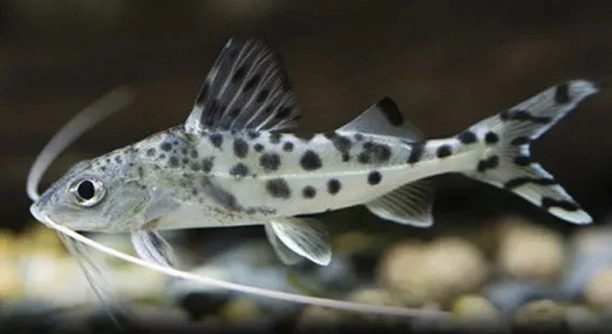
Are your Pictus catfish tank lights too bright or too dim? Proper lighting is important for the health and comfort of your fish. Finding the right balance helps create a natural environment for your aquatic pets.
The ideal lighting for a Pictus tank typically ranges from 0.5 to 1 watt per liter, providing moderate brightness that mimics their natural habitat. Excessive light can cause stress, while too little can affect their activity and feeding behavior.
Understanding the right lighting intensity improves your fish’s wellbeing and enhances the overall appearance of your tank. This article will guide you through the key factors to consider for proper illumination.
Understanding Pictus Catfish Lighting Needs
Pictus catfish originate from rivers and streams where lighting conditions vary throughout the day. In an aquarium setting, replicating these natural lighting patterns is important for their comfort. Bright, direct lighting can cause stress, making your fish hide or become inactive. On the other hand, very dim lighting can reduce their activity and affect feeding. It’s best to aim for moderate lighting that supports their natural behavior and highlights their unique markings. Using floating plants or shaded areas can help create spots of lower light, giving the fish places to retreat. Timers for lights can also mimic day and night cycles, promoting a healthier environment. Regular observation will help you notice how your Pictus catfish respond and whether any adjustments are needed. Proper lighting supports their immune system and overall vitality, making your tank more enjoyable to watch.
Lighting intensity should be balanced to avoid stress or inactivity in your fish.
Creating a lighting setup that matches their natural habitat improves Pictus catfish wellbeing. Light timers and shaded areas allow for natural cycles and resting spaces. Adjust lighting based on fish behavior for a healthy tank environment.
Choosing the Right Light Type for Your Tank
LED lights are a popular choice for Pictus tanks because they provide good brightness without generating much heat. They are energy-efficient and allow you to adjust intensity easily. Fluorescent lights can work as well but tend to produce more heat, which may affect water temperature. Full-spectrum lights help promote plant growth if you keep live plants, but make sure they don’t overwhelm your fish with brightness. Some hobbyists use dimmable lights or add floating plants to soften the light further. Avoid colored lights that can cause unnatural stress to fish. The color temperature of the lighting should be in the range of 5000K to 7000K to mimic daylight, which helps keep fish active and healthy. Ensuring proper light distribution will help your Pictus catfish feel more comfortable and display their natural colors beautifully.
Different light types impact tank temperature and fish comfort.
Choosing LED or full-spectrum lights helps maintain a stable environment and supports natural fish behavior. Adjust lighting according to the needs of your tank setup and inhabitants.
Adjusting Light Duration for Pictus Tanks
The length of time your tank lights stay on impacts your Pictus catfish’s wellbeing. Too much light can cause stress, while too little can affect their daily rhythm. A good starting point is 8 to 10 hours of light per day.
Gradually adjusting the light duration helps your fish adapt without sudden changes. Using a timer can maintain consistent light cycles, which supports the natural behavior of Pictus catfish. When the lights are on too long, fish may become more prone to stress and hiding. Shorter light periods encourage natural activity patterns and reduce algae growth in the tank. Observing your fish will help you find the optimal lighting schedule. It’s best to avoid sudden changes to prevent disturbing their routine and overall health.
Maintaining a steady light cycle mimics natural day and night patterns. Timers are helpful to keep this consistent. Adjust duration based on your fish’s behavior and tank conditions.
Impact of Lighting on Tank Plants and Algae Growth
Lighting plays a crucial role in the health of live plants and algae control in your tank. High-intensity lights encourage plant growth but can also lead to excessive algae if not managed properly. Balancing light intensity and duration is key to maintaining a healthy ecosystem.
Too much light causes algae to grow quickly, which can take nutrients away from plants and make the tank look dirty. If algae become a problem, reducing light duration or intensity helps keep it under control. Including live plants can also compete with algae for nutrients, improving water quality. Adjust your lighting setup according to the types of plants you keep and their light requirements. Proper lighting promotes plant health and limits algae growth, supporting a stable environment for your Pictus catfish. Regular tank maintenance complements good lighting practices to maintain a clean and healthy tank.
Monitoring Fish Behavior for Light Adjustment
Pictus catfish behavior changes with lighting. If they hide often, the light may be too bright. Restlessness can also signal discomfort.
Observing your fish regularly helps identify the right lighting conditions. Adjust light intensity or duration based on their activity and comfort levels.
Using Dimmers and Shades
Dimmers allow precise control over light brightness, helping create a comfortable environment for your Pictus catfish. Shades or floating plants reduce direct light, offering shaded areas.
Both methods help prevent stress caused by harsh lighting. Adjusting light gradually ensures fish adapt well and stay healthy.
Avoiding Colored Lighting
Colored lights can cause unnecessary stress to Pictus catfish. Stick to natural daylight tones for the best results.
Natural light colors support healthy fish behavior and display their colors accurately.
FAQ
How bright should my Pictus tank lighting be?
Pictus catfish do best with moderate lighting, around 0.5 to 1 watt per liter. This range mimics their natural environment, preventing stress from overly bright lights and encouraging activity. Too much brightness can cause hiding, while too little may reduce feeding and movement.
Can I use any type of light for my Pictus tank?
Not all lights are ideal. LED lights are preferred because they offer adjustable brightness, low heat, and energy efficiency. Full-spectrum lights work well if you have live plants, but avoid colored lights that may stress the fish. Fluorescent lights can be used but tend to generate more heat.
How long should my tank lights stay on each day?
Keeping your lights on for 8 to 10 hours daily is best. This duration supports natural day-night cycles without encouraging excessive algae growth. Using a timer helps maintain a consistent schedule, which benefits your fish’s health and behavior.
What happens if my lighting is too strong?
Strong lighting can stress Pictus catfish, causing them to hide or become inactive. It may also encourage rapid algae growth, which can affect water quality and plant health. Providing shaded areas or reducing light intensity helps keep fish comfortable.
Is it okay to use dimmers or shades?
Yes, dimmers allow you to fine-tune brightness to the fish’s needs. Shades or floating plants create darker spots in the tank, giving Pictus catfish places to retreat from bright light. Both help reduce stress and improve fish wellbeing.
Will lighting affect algae growth in my tank?
Lighting intensity and duration directly impact algae growth. High light levels and long exposure promote algae blooms. To control algae, reduce light duration or intensity and add live plants, which compete with algae for nutrients.
Do Pictus catfish prefer colored lighting?
No, colored lighting is not recommended. It can confuse or stress fish by altering the natural appearance of their environment. Using lights with natural daylight colors (5000K to 7000K) supports normal behavior and highlights their true colors.
How can I tell if my Pictus catfish is stressed by lighting?
Signs include hiding frequently, reduced activity, or erratic swimming. If you notice these behaviors, try lowering the light intensity or shortening the light period. Gradual changes prevent further stress and help fish adapt.
Can I use timers to manage tank lighting?
Timers are very helpful. They keep lighting consistent, which mimics natural cycles. Consistency reduces stress and supports healthy fish behavior. Set the timer for 8 to 10 hours of light daily and adjust based on your observations.
Does lighting affect plant health in a Pictus tank?
Yes, plants need sufficient light for photosynthesis. Full-spectrum lights encourage plant growth but can increase algae if too strong. Balancing light intensity and duration promotes plant health without overwhelming the tank with algae.
Should I change lighting when adding new fish?
It’s best to maintain stable lighting when adding new fish. Sudden changes can cause stress. Introduce gradual adjustments if needed, allowing both fish and plants to adapt smoothly to new conditions.
What role do shaded areas play in lighting?
Shaded spots offer refuge for Pictus catfish when light is too bright. Floating plants or decorations can create these areas, helping fish feel secure and less stressed. This setup encourages natural behavior and reduces hiding.
Finding the right lighting for your Pictus catfish tank is important for the health and comfort of your fish. Proper lighting helps create a natural environment that supports their activity and reduces stress. Bright lights that are too strong can cause your fish to hide or become inactive, while dim lighting may lower their energy and appetite. Using moderate lighting, typically between 0.5 and 1 watt per liter, is a good way to mimic their natural habitat and encourage natural behavior. It’s also helpful to provide shaded areas or floating plants so your fish have places to rest away from bright light.
Choosing the right type of light can make a difference in how well your tank supports your Pictus catfish and any live plants you may have. LED lights are often the best choice because they produce less heat and allow you to adjust brightness easily. Full-spectrum lights work well for plant growth but should be used with care to avoid excessive brightness. Avoid colored lights, as these can stress the fish and disrupt their natural routines. Additionally, setting a timer to keep a consistent light schedule of 8 to 10 hours per day can help maintain a stable environment that benefits both fish and plants.
Keeping an eye on your fish’s behavior will help you make adjustments to the lighting as needed. If you notice your Pictus catfish hiding often or acting restless, try lowering the light intensity or shortening the lighting period. Providing a balance of light and shade, along with consistent timing, creates a more natural and healthy environment. This approach supports your fish’s wellbeing and keeps your tank looking its best. Regular observation and small changes can lead to a comfortable habitat where your Pictus catfish thrive.

Hello,
If you enjoy the content that we create, please consider saying a "Thank You!" by leaving a tip.
Every little bit helps us continue crafting quality advice that supports the health, happiness, and well-being of pets around the world, for pets of all shapes, sizes, and species.
We really appreciate the kindness and support that you show us!