
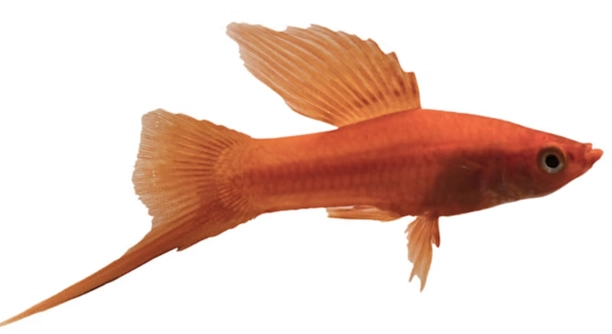
Swordtails are a popular choice for aquarium hobbyists. These lively fish are known for their bright colors and active nature. Many people wonder how big they can get when kept in captivity.
Swordtails typically reach a size of 3 to 4 inches in captivity, depending on their environment and care. The males are usually smaller, while females tend to be larger, reaching closer to 4 inches in length.
Understanding how their size can vary with factors like diet and tank size is important for creating the best habitat for them. This knowledge can help you care for your swordtails better.
How Swordtails Grow in Captivity
Swordtails are fairly small fish that can grow up to 4 inches when kept in captivity. However, several factors can influence their size. The size of their tank plays a key role; swordtails have more room to grow in a larger tank. Additionally, their diet and water quality can either encourage or limit their growth. A well-balanced diet rich in protein can help swordtails grow to their full size. On the other hand, poor water conditions or limited space can stunt their growth and lead to health issues.
Swordtails, like many fish, will grow to the size that their environment allows. So, proper care and attention are necessary to ensure they reach their maximum size potential.
It’s also worth noting that swordtails can have different growth rates depending on their gender. Males usually stay smaller compared to females, so they may not reach the full 4-inch size. Taking proper care of both will help them thrive and grow as large as possible.
Factors Affecting Swordtail Size
A swordtail’s growth is influenced by factors like tank size, water quality, and diet. Poor water conditions can limit their growth potential.
One of the most significant factors in their growth is tank size. If you keep swordtails in a small tank, they may not have enough space to grow to their full potential. Ideally, a tank should be at least 20 gallons for a small group of swordtails. The water temperature should also be kept steady, around 72°F to 82°F, as this range supports healthy growth. When it comes to feeding, swordtails need a varied diet, including flakes, pellets, and occasional live food. A balanced diet ensures that they receive the nutrients necessary for their size development. Along with these factors, regular water changes are vital for keeping the water clean and free of toxins. When these conditions are met, swordtails are more likely to grow larger and stay healthy.
Gender Differences in Size
Male swordtails are usually smaller than females, typically growing to about 3 inches. Females, on the other hand, can grow slightly larger, up to 4 inches. These size differences are part of their natural biology.
The males tend to be more slender and smaller because they don’t need as much size for reproduction. The females, being larger, carry the eggs and need more space to store them, which is why they tend to grow bigger. While the difference in size isn’t huge, it’s important to note when keeping swordtails in your aquarium. A balance of both males and females is ideal for maintaining healthy breeding.
Keeping a close eye on both genders helps with their care, as each will have different needs regarding space and food intake.
Swordtail Growth and Tank Environment
A proper tank environment is key to swordtail growth. They need space, clean water, and the right temperature to thrive.
Swordtails, like other fish, need adequate space to grow. The more room they have, the more they can grow to their potential size. Tank overcrowding can stress the fish, making it difficult for them to reach their full size. The right water conditions, such as consistent temperature and pH levels, are equally important. Swordtails thrive in slightly alkaline water, with a pH range between 7.0 and 8.4. Regular water changes are essential for maintaining a clean environment and promoting healthy growth. A water filter can also help keep the tank clean by removing excess waste.
Along with water quality, having enough plants and hiding spaces in the tank will reduce stress and allow the swordtails to feel secure. When swordtails feel safe, they are more likely to exhibit healthy growth. Regular maintenance of their environment ensures the best chance for them to reach their full size potential.
Swordtail Diet and Growth
Swordtail growth is heavily influenced by their diet. Feeding them a balanced, varied diet is essential for their size development.
A good mix of high-quality flakes, pellets, and live or frozen foods like brine shrimp or daphnia can provide the nutrients swordtails need. Proper feeding ensures they grow steadily and reach their full potential size. Swordtails, like other fish, require protein for healthy development, which is why their diet should include a variety of protein sources. The right balance of protein, fiber, and vitamins promotes good growth and vibrant health.
Overfeeding or underfeeding can affect their growth rate, so it’s crucial to follow proper feeding guidelines. The goal is to offer just enough food for swordtails to eat in 2-3 minutes. By doing this, you avoid water pollution and help maintain a clean, healthy environment. This balance ensures that swordtails have the nutrition they need for growth while also avoiding excess waste in the tank.
Temperature and Water Conditions
Maintaining the right water temperature and conditions is critical for healthy swordtail growth. The ideal temperature range is between 72°F and 82°F.
Swordtails thrive in warm water, and maintaining a consistent temperature within this range helps prevent stress, which can stunt their growth. Fluctuations in water temperature can negatively affect their metabolism and overall health. A good quality aquarium heater can help stabilize the temperature. It’s also essential to monitor the water’s pH level, which should be between 7.0 and 8.4 for swordtails to grow properly. Keeping the water clean by performing regular water changes and using a filter ensures the environment stays healthy.
In addition to temperature and pH, water hardness plays a role in their growth. Swordtails do well in moderately hard water, so ensure your tank’s hardness level stays within the appropriate range. All of these water conditions work together to create the best environment for your swordtails to grow to their full size potential.
Tank Size and Growth Potential
A larger tank provides more room for swordtails to grow. In a cramped space, their growth can be stunted.
Swordtails need space to swim freely, which promotes healthy growth. A tank that’s at least 20 gallons for a small group of swordtails is ideal. Crowding can lead to stress and unhealthy conditions. With more space, they’re less likely to fight or feel threatened, contributing to better growth and overall well-being. The larger the tank, the better the conditions for them to thrive.
Stress and Its Effect on Growth
Stress is a major factor in hindering swordtail growth. When stressed, swordtails may not grow as large or healthy as they could.
Fish under constant stress often show stunted growth and may suffer from health issues. Poor water conditions, aggressive tank mates, and lack of hiding spots can cause stress. Swordtails need a peaceful environment with adequate space and plenty of places to hide. Keeping tank conditions stable, including temperature, water quality, and lighting, helps prevent stress. Reducing stress allows swordtails to grow more efficiently and reach their full size potential.
Breeding and Size Changes
Breeding can affect the size of swordtails, especially with females. Pregnant females may look slightly larger.
When females carry eggs, they can appear larger than normal due to the egg mass inside them. This doesn’t necessarily mean they will grow permanently, but it can cause temporary size changes. Maintaining proper care during breeding cycles is important to ensure females remain healthy and grow appropriately. In some cases, if females are continually bred without a proper break, their growth could be impacted, making regular care and observation vital.
FAQ
How fast do swordtails grow in captivity?
Swordtails generally grow at a moderate rate. Under ideal conditions, they can reach full size in about 6 months to a year. The rate of growth depends on factors like water quality, diet, and tank size. With a good environment, swordtails will grow steadily, reaching about 3 to 4 inches. However, poor conditions, such as overcrowding or inconsistent water quality, may slow down their growth.
Do swordtails grow bigger in larger tanks?
Yes, swordtails can grow bigger in larger tanks. When they have more space to swim and explore, they tend to develop better overall. A larger tank promotes better water quality, and less crowding means less stress, which helps swordtails reach their full growth potential. Keeping swordtails in a cramped space can stunt their growth, causing them to remain smaller than they would in a larger, more suitable environment.
What size tank is best for swordtails?
A tank that holds at least 20 gallons is recommended for swordtails. This size provides enough space for a small group of swordtails and ensures proper water quality. A larger tank helps reduce stress and gives the fish plenty of room to swim and grow. It also makes it easier to maintain stable water conditions, which contribute to healthy growth.
Can swordtails grow to their full size in a 10-gallon tank?
While swordtails can survive in a 10-gallon tank, it’s not ideal for them to reach their full size. A 10-gallon tank can feel cramped, leading to stress and stunted growth. Swordtails may reach around 2 to 3 inches, but they’ll likely stay smaller than if they were kept in a larger, more suitable tank. It’s better to provide a 20-gallon tank or larger for optimal growth.
Do swordtails need a specific type of diet to grow properly?
Yes, swordtails need a balanced diet to grow properly. A diet rich in protein is essential for their growth. Feeding them high-quality flakes, pellets, and occasional live or frozen foods, such as brine shrimp or daphnia, will provide the necessary nutrients. A varied diet ensures they get all the vitamins, minerals, and protein they need for healthy growth and vibrant colors.
How often should I feed swordtails to encourage growth?
Swordtails should be fed once or twice a day. Offer only as much food as they can eat in 2-3 minutes to avoid overfeeding and water contamination. Overfeeding can lead to obesity and water quality problems, which can negatively affect their growth. A balanced feeding schedule encourages steady growth without causing stress or waste buildup in the tank.
Can swordtails grow in colder water?
Swordtails prefer warmer water, typically between 72°F and 82°F. While they may survive in slightly cooler water, growth may be slower, and their health could suffer. Colder water can stress swordtails and cause them to become more vulnerable to diseases. To ensure proper growth, it’s best to maintain a consistent warm temperature within the recommended range.
How can I tell if my swordtail is growing properly?
A healthy, growing swordtail should have a slim body with vibrant colors. If your swordtail isn’t growing as expected, it may appear smaller than its tank mates or show signs of poor health, such as dull colors, lethargy, or difficulty swimming. To ensure healthy growth, monitor water quality, provide a balanced diet, and reduce stressors like overcrowding.
Are swordtails more prone to stunted growth if kept with other species?
Swordtails can live peacefully with other non-aggressive species, but keeping them with overly aggressive or larger fish can cause stress, leading to stunted growth. It’s best to house them with peaceful species that won’t compete for food or space. Proper tank mates allow swordtails to feel secure and grow to their full size.
How does breeding affect the size of swordtails?
Breeding doesn’t significantly impact the overall size of swordtails, but pregnant females may appear larger due to carrying eggs. Their size will return to normal after giving birth. It’s important to give females time to recover after each breeding cycle, as excessive breeding without rest can affect their health and long-term growth.
Will swordtails grow differently based on gender?
Yes, males and females differ in size. Male swordtails typically grow to about 3 inches, while females can grow up to 4 inches. The gender difference is due to their reproductive roles, with females needing more space for carrying eggs. While males are smaller and more slender, females tend to be more robust.
Final Thoughts
Swordtails are relatively easy to care for and can grow to a healthy size in captivity with the right environment. Keeping them in a spacious tank with good water quality is key to helping them reach their full potential. The ideal tank size for swordtails is at least 20 gallons, which provides enough space for them to swim and grow properly. A larger tank also helps maintain stable water conditions, which are essential for their health and growth. With proper care, swordtails will thrive and grow to about 3 to 4 inches, depending on factors like diet, tank size, and water quality.
The right diet is another important factor in swordtail growth. Swordtails need a balanced diet that includes both plant-based and protein-rich foods. High-quality flakes, pellets, and live or frozen foods like brine shrimp and daphnia will provide the necessary nutrients. Overfeeding should be avoided, as it can lead to water pollution and health issues. Feeding swordtails the right amount of food, once or twice a day, helps them stay healthy and grow steadily. It’s important to remember that feeding should be done in moderation to prevent water contamination and to ensure the fish grow properly without stress.
Temperature and water conditions also play a significant role in how big swordtails get. They thrive in warm water, ideally between 72°F and 82°F, and slightly alkaline water with a pH range between 7.0 and 8.4. Regular water changes and the use of a good filter can keep the tank clean and free from harmful substances. Swordtails also do better when they are not stressed. Stress can hinder their growth and cause other health problems, so it’s important to maintain a peaceful and stable environment. This includes avoiding overcrowding and ensuring they have enough hiding spots or plants to feel secure. By following these basic care guidelines, swordtails can grow into healthy, vibrant fish in your aquarium.

Hello,
If you enjoy the content that we create, please consider saying a "Thank You!" by leaving a tip.
Every little bit helps us continue crafting quality advice that supports the health, happiness, and well-being of pets around the world, for pets of all shapes, sizes, and species.
We really appreciate the kindness and support that you show us!