
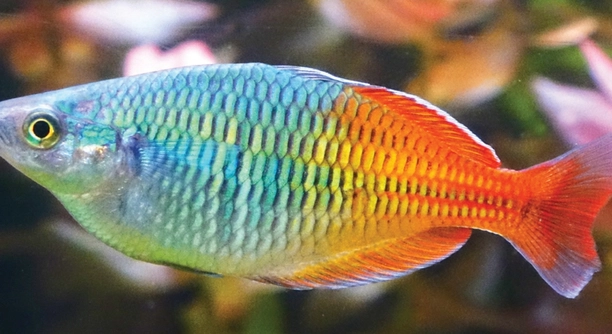
Rainbow fish are a popular choice for aquariums, known for their vibrant colors and energetic swimming. If you’re planning to keep them, you may be wondering just how big these beautiful fish can get as they grow.
Rainbow fish typically grow to a size of 3 to 6 inches, depending on the species. Some varieties, like the rainbowfish from the Melanotaenia genus, can grow even larger, reaching up to 8 inches in length.
Understanding their growth patterns is essential for creating a suitable environment. This knowledge will help ensure your rainbow fish thrive in your aquarium.
Rainbow Fish Species and Their Growth Rates
Different species of rainbow fish grow at different rates, and understanding this can help you set the right expectations for their size. Species like the Boesemani Rainbowfish tend to grow slightly larger than others. On average, most rainbow fish grow between 3 to 6 inches in length. However, there are a few varieties that can exceed 6 inches, reaching sizes of up to 8 inches. This growth depends on a number of factors, including water quality, diet, and space.
While these fish are relatively small when compared to other aquarium species, their growth rate can be influenced by their environment. If a rainbow fish is kept in an environment with optimal conditions, such as clean water, the right temperature, and a nutritious diet, they are more likely to grow to their maximum potential. It’s also important to provide them with enough space to swim freely, as overcrowding can stunt their growth.
Ultimately, their growth should be monitored regularly to ensure they’re reaching their full size. Keeping track of their development can also help you detect any health issues early on.
Factors Affecting Growth
Several factors influence how large your rainbow fish will grow. The right care can make a big difference.
Diet, water quality, and tank size all play a major role in their growth. A varied, nutrient-rich diet will help support their development, while maintaining proper water conditions ensures they thrive.
How to Maximize Growth Potential
To maximize your rainbow fish’s growth potential, start by ensuring your aquarium has enough space. A larger tank allows for better water quality and more swimming room. Rainbow fish are active swimmers, so they need room to move freely. In terms of diet, offer them a balanced variety of high-quality flakes, pellets, and live foods to meet their nutritional needs.
Additionally, monitor the water temperature carefully. A temperature range of 75 to 80°F is ideal for most species. Regular water changes, along with proper filtration, will help maintain water quality and prevent harmful waste from affecting their health. Keep in mind that each rainbow fish has its own growth rate, and while they may grow at different speeds, it’s important to stay patient and make adjustments as needed.
By providing optimal conditions, you can encourage your rainbow fish to reach their full size and thrive in your aquarium.
Tank Size and Space Requirements
The size of your aquarium can greatly impact how large your rainbow fish grow. A tank that is too small can limit their growth and cause stress. Aim for a tank that holds at least 30 gallons for a small group of rainbow fish.
When considering tank size, think about not only the fish’s size but also their activity level. Rainbow fish are active swimmers and need plenty of space to move freely. If you want to keep multiple fish, consider a larger tank to accommodate them. Overcrowding can result in stunted growth and health problems.
A spacious environment with enough swimming room will support their growth. Ensuring they have room to explore and interact with their surroundings will help them develop more naturally. Adding live plants and hiding spots can also reduce stress and encourage healthy growth.
Water Quality and Maintenance
Maintaining high water quality is crucial for the health of your rainbow fish. They thrive in clean, well-filtered water. Keeping your tank water free of harmful toxins, such as ammonia and nitrates, is essential to their growth. Regular water changes will help.
Rainbow fish are sensitive to poor water conditions, which can lead to stunted growth, illnesses, and even premature death. Use a good filtration system to keep the water clear and healthy. Perform water changes at least once a week, changing about 20 to 30 percent of the water.
Test your water regularly to ensure it stays within the proper range for pH, hardness, and other key factors. By keeping the water clean and well-maintained, you will provide a healthy environment for your rainbow fish to grow and thrive.
Feeding and Diet
A well-balanced diet is essential for the growth of your rainbow fish. Offer a mix of high-quality flakes, pellets, and occasional live or frozen foods like brine shrimp or bloodworms. This variety helps ensure they get all the necessary nutrients for healthy development.
Feeding them appropriately is just as important as the variety of food. Overfeeding can lead to poor water quality, while underfeeding may stunt growth. Feed your rainbow fish small amounts two to three times a day. Avoid letting uneaten food linger in the tank to maintain water quality.
Temperature Control
Rainbow fish prefer warm water. Maintaining a temperature range of 75 to 80°F is ideal for their growth and health. Use a reliable aquarium heater to maintain consistent temperatures.
If the water temperature fluctuates too much, it can stress the fish, affecting their growth and overall health. Stable warmth ensures they remain active, healthy, and more likely to reach their full size. Make sure the heater is appropriate for your tank size.
Social Environment
Rainbow fish are social and thrive in groups. Keeping them in schools will make them feel more comfortable and reduce stress, which can otherwise stunt growth. Aim for at least 6 to 8 fish in a group.
A peaceful environment with other non-aggressive fish is ideal. Adding plenty of hiding spots and plants will give them the security they need. Social interaction among the fish helps them remain active, promoting healthy growth.
FAQ
How fast do rainbow fish grow?
Rainbow fish generally grow at a moderate pace. They typically reach their full adult size in about 6 to 12 months, depending on the species and the environment. While most varieties stay between 3 and 6 inches, some can grow up to 8 inches, especially in ideal conditions. Growth can be faster if the tank environment is perfect, with the right diet, water quality, and space.
Can rainbow fish live with other species?
Yes, rainbow fish are peaceful and social, making them great tankmates for many other species. They get along well with non-aggressive fish like tetras, corydoras, and guppies. Avoid keeping them with very aggressive species or fish that may stress them. The key is ensuring that all fish are compatible and that there is enough space.
Do rainbow fish need a specific type of water?
Rainbow fish thrive in slightly alkaline water with a pH range of 7.0 to 8.0. They prefer soft to moderately hard water, but they can adapt to a variety of water conditions. Regular testing of your water’s pH, hardness, and temperature is important to maintain optimal conditions for their growth. Consistent water quality will support healthy development.
What’s the best temperature for rainbow fish?
Rainbow fish do best in water temperatures between 75°F and 80°F. Keeping the water within this range ensures they stay active, healthy, and grow properly. It’s important to avoid drastic temperature fluctuations, as these can stress the fish and potentially stunt their growth. A reliable aquarium heater can help maintain a stable environment.
How often should I feed my rainbow fish?
Rainbow fish should be fed small portions two to three times a day. Offering a variety of food, including flakes, pellets, and live or frozen foods like brine shrimp, will support their growth. Only feed them what they can eat in a few minutes to prevent overfeeding and water quality issues. Regular feeding helps them maintain good health.
Can rainbow fish grow bigger in larger tanks?
Yes, a larger tank can support better growth in rainbow fish. With more space to swim, they experience less stress, which helps them grow to their full potential. Additionally, larger tanks maintain better water quality, reducing the risk of growth issues. If you plan to have multiple fish, a 30-gallon tank or larger is recommended.
Do rainbow fish need live plants in their tank?
While live plants are not essential, they provide numerous benefits for rainbow fish. Plants create hiding spots and reduce stress by providing a more natural environment. They also help maintain water quality by absorbing excess nutrients. Having plants in the tank can contribute to a healthier, more comfortable space for your fish, promoting their overall well-being.
Are rainbow fish easy to breed?
Breeding rainbow fish can be challenging, but it’s not impossible. Most species breed in similar conditions, with slightly warmer water and plenty of swimming space. To breed them successfully, it’s important to maintain water quality and provide them with a varied, nutritious diet. A separate breeding tank may also be necessary to prevent other fish from eating the eggs.
Do rainbow fish get along with shrimp or snails?
Rainbow fish can live with shrimp and snails, but there are some things to consider. Larger species of rainbow fish may prey on smaller shrimp, particularly if they’re not well-fed or the shrimp are too small. Snails generally do fine with rainbow fish as they don’t compete for space or food. However, keep an eye on interactions to ensure the safety of smaller invertebrates.
Can rainbow fish tolerate cold water?
Rainbow fish are not cold-water fish. They require warmer temperatures to stay healthy and thrive. Cold water can stress them, weakening their immune system and potentially leading to disease. If you live in a region with cold water, make sure to use an aquarium heater to keep the water within the 75°F to 80°F range.
Do rainbow fish need special lighting?
Rainbow fish do not require special lighting, but providing a light source that mimics a natural day and night cycle can help them feel more comfortable. A simple aquarium light with a timer that turns on and off at the same times each day is sufficient. Avoid very bright lights, as they can stress the fish, especially if the tank lacks hiding spots.
Final Thoughts
Rainbow fish are beautiful, active, and relatively easy to care for. Their growth potential depends on various factors, including tank size, water quality, diet, and social environment. Providing them with the right conditions will not only help them grow to their full size but also keep them healthy and active. While they may require some attention and regular maintenance, the rewards of watching them thrive in a well-maintained tank are well worth the effort.
One of the most important things to remember is that rainbow fish thrive in groups. Keeping a small school will allow them to socialize and feel more secure. This helps to reduce stress, which can hinder growth and overall well-being. Additionally, maintaining a large tank with ample swimming space and proper filtration will create a healthy environment where your fish can grow and develop naturally. Regular water changes and monitoring water quality will further support their growth and health.
By focusing on the key aspects of their care, rainbow fish can be a joy to have in your aquarium. With a balanced diet, stable water temperature, and the right tank mates, they will flourish and display their vibrant colors. Whether you’re new to fishkeeping or an experienced hobbyist, rainbow fish are a rewarding species to care for. With the right approach, you can ensure that your rainbow fish grow healthily and reach their full potential in a thriving, well-maintained tank.

Hello,
If you enjoy the content that we create, please consider saying a "Thank You!" by leaving a tip.
Every little bit helps us continue crafting quality advice that supports the health, happiness, and well-being of pets around the world, for pets of all shapes, sizes, and species.
We really appreciate the kindness and support that you show us!