
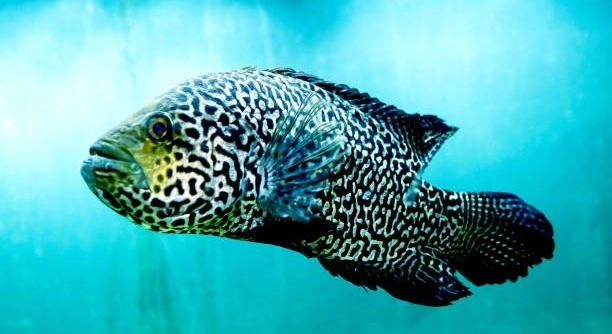
Have you ever noticed a Jack Dempsey fish swimming in an aquarium and wondered how large it can grow over time? These colorful freshwater fish are popular among hobbyists, admired for their vibrant patterns and striking appearance.
Jack Dempsey fish can reach a typical adult size of 10 to 15 inches in length, with some individuals occasionally growing slightly larger under optimal conditions. Size depends on tank space, diet, water quality, and overall care provided.
Knowing their potential size helps owners plan proper tank setups and care routines, ensuring these fish thrive in home aquariums comfortably.
Typical Size of Jack Dempsey Fish
Jack Dempsey fish are known for their robust build and striking colors. On average, they grow to about 10 to 15 inches in length, though some may reach up to 16 inches in rare cases. Their growth is influenced by several factors, including diet, water quality, and tank size. In smaller aquariums, they may grow slower, while a larger, well-maintained tank allows them to reach their full potential. Providing a balanced diet rich in protein supports healthy development and vibrant coloration. Regular water changes and proper filtration are essential to maintain their health, as poor water conditions can stunt growth or cause illness. Monitoring their environment closely ensures they remain active and stress-free. Jack Dempseys are also territorial, so giving them adequate space reduces aggressive behaviors, which in turn promotes steady growth. Observing their size over time can be rewarding for owners who take care of them consistently.
Adult Jack Dempsey fish usually weigh between 1 and 2 pounds, depending on their diet and living conditions.
A proper tank setup can make a significant difference in size. Larger tanks with hiding spots allow them to swim freely and grow naturally. Including driftwood, rocks, and plants creates an environment similar to their natural habitat. Feeding them varied food, such as pellets, live insects, or frozen foods, helps maintain steady growth. Avoid overcrowding, as competition for space and food can slow their development. Keeping consistent water parameters, such as pH between 6.5 and 7.5 and temperature around 78 to 82°F, encourages healthy growth. Observing their behavior while adjusting care routines ensures they remain comfortable. Jack Dempsey fish can be long-lived if provided with the right conditions, often thriving for eight to ten years. Regular monitoring of their health and tank environment makes it easier to detect issues early. These measures help the fish reach their maximum size and display their full colors.
Factors Affecting Growth
Diet plays a major role in determining the size of a Jack Dempsey fish.
Genetics also influence how large a fish will grow. Even in ideal conditions, some individuals may naturally remain smaller or grow faster. Providing a varied and high-quality diet, maintaining clean water, and offering enough space are all necessary for optimal growth. Overfeeding can cause obesity, while underfeeding slows development, so careful portion control is important. Tank mates and stress levels can affect growth as well, since frequent aggression or overcrowding may stunt development. By understanding these factors, owners can create a supportive environment that promotes steady and healthy growth for their Jack Dempsey fish. Consistency and observation are key.
Growth Rate of Jack Dempsey Fish
Jack Dempsey fish grow relatively quickly during their first year, often reaching half their adult size within 12 months. Growth slows as they mature, but proper care and nutrition can support steady development over several years.
Juvenile Jack Dempseys need frequent feeding to support fast growth. Offering high-protein foods, such as live or frozen insects and specialized pellets, helps build muscle and coloration. Water quality plays a key role during this stage, as poor conditions can stunt growth or cause illness. Maintaining stable temperature and pH levels encourages healthy development. Tank size also matters: larger tanks allow more room to swim and reduce stress from territorial disputes. Observing their size changes over time can help you adjust care routines to promote consistent growth.
After the first year, growth becomes more gradual, but monitoring diet and environment remains essential. Adults may gain only an inch or two per year, depending on conditions. Overcrowding or aggressive tank mates can slow growth, while a clean, spacious environment encourages full development. Regular water testing and adjustments ensure that the fish remain healthy. Feeding small portions several times a day prevents overfeeding while supporting energy needs. Providing hiding spots reduces stress and supports consistent growth. Even mature Jack Dempseys benefit from balanced diets, adequate space, and stable water parameters to reach their potential size and maintain vibrant coloration.
Tank Size and Environment
A larger tank is essential for Jack Dempsey growth, as limited space can stunt development and increase stress.
A tank of at least 55 gallons is recommended for a single adult Jack Dempsey, with larger setups preferred for multiple fish. These fish are territorial, so decorations such as rocks, driftwood, and plants create hiding spots and reduce aggressive interactions. Water parameters should remain stable, with temperatures between 78 and 82°F and pH around 6.5 to 7.5. Filtration is important to maintain clean water and prevent ammonia buildup, which can harm growth. Regular water changes of 20 to 25 percent weekly keep the environment healthy. Substrate choice also matters: soft sand or smooth gravel prevents injury, especially when the fish explore or dig. By combining adequate space, stable water conditions, and environmental enrichment, Jack Dempseys can grow steadily, remain active, and display their characteristic vibrant colors over time.
Diet and Nutrition
Providing a balanced diet is crucial for Jack Dempsey fish growth. High-protein foods like pellets, frozen or live insects, and occasional vegetables support muscle development and overall health. Feeding multiple small portions daily encourages steady growth.
Avoid overfeeding, which can lead to obesity and water quality issues. Maintaining a consistent feeding schedule ensures proper digestion and nutrient absorption. Rotating food types keeps the fish interested and helps develop natural hunting behaviors. Proper nutrition also enhances coloration, making Jack Dempseys appear more vibrant and healthy in the tank.
Genetics and Growth Potential
Genetics play a significant role in the ultimate size of Jack Dempsey fish. Even with perfect care, some individuals may naturally remain smaller, while others may reach the upper limits of the species’ size range. Selective breeding can influence traits like growth rate and coloration.
Common Size Myths
Jack Dempseys rarely grow beyond 16 inches in home aquariums. Exaggerated claims about enormous sizes are often based on exceptional cases or poor measurement practices. Maintaining realistic expectations helps plan proper tank setups and care routines.
Monitoring Growth
Regular observation of your Jack Dempsey’s size and behavior helps ensure healthy development and allows adjustments to diet or tank conditions when necessary.
FAQ
How fast do Jack Dempsey fish grow?
Jack Dempsey fish grow quickly during their first year, often reaching half their adult size within 12 months. Growth slows after the first year but continues gradually. Providing high-protein foods, clean water, and a spacious tank supports steady development. Stress from overcrowding or aggressive tank mates can slow growth.
What is the average adult size of a Jack Dempsey fish?
Most adult Jack Dempsey fish reach 10 to 15 inches in length. In rare cases, some may grow slightly larger under optimal conditions. Size depends on genetics, diet, water quality, and tank space. Proper care ensures they reach their full growth potential.
Do male and female Jack Dempseys grow differently?
Males are generally slightly larger and more colorful than females, especially as they mature. Female Jack Dempseys tend to be smaller and rounder. However, growth rates can overlap, and both sexes benefit from consistent nutrition and proper tank conditions.
Can a Jack Dempsey outgrow its tank?
Yes, Jack Dempseys need at least a 55-gallon tank for a single adult. Smaller tanks can stunt growth and increase stress and aggression. Providing enough space, hiding spots, and proper filtration ensures healthy development and reduces territorial conflicts.
What type of diet supports maximum growth?
A balanced diet with high-protein pellets, live or frozen insects, and occasional vegetables promotes growth and vibrant colors. Feeding small portions multiple times per day prevents overfeeding, encourages natural hunting behavior, and supports steady development. Consistency is key.
How does water quality affect size?
Poor water quality can stunt growth and cause illness. Maintaining a stable temperature of 78–82°F, a pH of 6.5–7.5, and performing regular water changes keeps Jack Dempseys healthy. Filtration is essential to remove waste, prevent ammonia buildup, and maintain oxygen levels.
Do Jack Dempseys continue growing after one year?
Yes, growth slows but continues over several years. Adults typically gain only an inch or two per year depending on care, tank size, diet, and stress levels. Consistent observation and adjustments in care help ensure continued healthy growth.
Are there myths about Jack Dempsey size?
Yes, many claims exaggerate how large they can grow. While exceptional cases exist, most reach 10–15 inches in home aquariums. Setting realistic expectations helps owners provide proper tank setups and avoid frustration when their fish grows normally.
Can genetics limit a Jack Dempsey’s size?
Genetics influence maximum growth potential. Even with ideal care, some individuals remain smaller while others reach larger sizes. Selective breeding can also affect growth rates, coloration, and overall health. Recognizing genetic limits helps in planning tank size and care routines.
How do I monitor my Jack Dempsey’s growth?
Regularly observing size, behavior, and appetite helps detect growth issues early. Take measurements occasionally, note changes in color and activity, and adjust diet or tank conditions if needed. Monitoring ensures healthy development and helps prevent stunted growth.
How long do Jack Dempsey fish live?
With proper care, Jack Dempseys can live 8–10 years in captivity. Adequate diet, stable water conditions, a spacious tank, and low-stress environments contribute to longevity. Regular monitoring and maintenance help them thrive throughout their lifespan.
What tank setup encourages proper growth?
A large tank with at least 55 gallons for one adult, hiding spots with rocks or driftwood, and a soft substrate supports healthy growth. Proper filtration, stable temperature, and water quality are essential. Environmental enrichment reduces stress and allows natural behaviors that encourage steady size development.
Can tank mates affect Jack Dempsey growth?
Yes, aggressive or overcrowded tank mates can stress Jack Dempseys, slowing growth and affecting coloration. Choosing compatible species and providing enough space and hiding spots reduces stress and allows consistent development. Observation and adjustments are important for maintaining harmony in the tank.
What is the best way to feed a growing Jack Dempsey?
Feed small portions several times daily with a mix of high-protein pellets, live or frozen foods, and occasional vegetables. Rotate food types to maintain interest and ensure nutrient variety. Avoid overfeeding, which can cause obesity and water quality issues, slowing growth over time.
Can environmental changes stunt growth?
Frequent fluctuations in temperature, pH, or water quality can stress fish and stunt growth. Maintaining stable conditions, proper filtration, and regular water changes helps Jack Dempseys develop steadily and reach their full potential. Stability is more important than constant adjustments.
Do Jack Dempseys need supplemental vitamins or minerals?
While a balanced diet usually provides sufficient nutrients, occasional supplements can enhance coloration and overall health. Use sparingly and follow manufacturer instructions. Over-supplementation can harm water quality and cause health problems, so moderation is essential for proper growth.
How do I know if my Jack Dempsey is healthy and growing properly?
Healthy growth is indicated by steady size increase, vibrant colors, active swimming, and normal appetite. Watch for signs of stress, illness, or stunted growth. Adjust diet, water parameters, or tank environment as needed to ensure optimal health and size development.
What role does stress play in growth?
Stress from poor water quality, overcrowding, or aggressive tank mates can slow growth. Reducing stress with proper tank size, hiding spots, and compatible companions allows Jack Dempseys to develop naturally. Calm environments promote healthy appetite, activity, and consistent growth.
How often should I check their growth?
Observe your fish weekly for changes in size, coloration, and behavior. Take occasional measurements if possible. Regular observation helps detect early issues and ensures adjustments in care, tank conditions, or diet to support steady growth. Consistency helps maintain health.
Can Jack Dempseys grow larger in the wild?
Yes, in natural habitats, they may reach larger sizes due to more space, natural food sources, and environmental conditions. However, in home aquariums, their size is generally limited by tank space and diet, making 10–15 inches typical. Proper care ensures they reach this healthy adult size.
What should I avoid to ensure proper growth?
Avoid overfeeding, poor water quality, overcrowding, incompatible tank mates, and frequent environmental changes. Neglecting any of these factors can stunt growth and reduce overall health. Maintaining stable, clean, and spacious conditions allows Jack Dempseys to thrive and grow steadily.
Are there differences in growth between captive-bred and wild-caught fish?
Captive-bred Jack Dempseys often adapt better to aquarium conditions and may grow steadily with proper care. Wild-caught individuals may be more stressed initially and require careful acclimation. Both can reach similar sizes if provided with adequate space, diet, and water quality.
Can growth be accelerated safely?
Growth can be supported by a balanced diet, clean water, and proper tank space, but artificially accelerating it is not recommended. Overfeeding or poor environmental adjustments can harm health. Focus on steady, natural growth through consistent care and optimal living conditions.
Is there a link between coloration and size?
Vibrant coloration often indicates good health and proper nutrition, which supports growth. Dull colors may suggest stress, poor diet, or illness, which can also slow development. Maintaining a healthy environment ensures both size and appearance reach their potential.
How long does it take for a Jack Dempsey to reach full size?
Typically, Jack Dempseys reach near-adult size in 2–3 years, with growth slowing after the first year. Consistent diet, proper tank size, water quality, and low stress levels allow steady growth until the fish reaches its genetic potential. Patience and care are essential.
Can tank decorations affect growth?
Yes, hiding spots and structures reduce stress and territorial aggression. Without adequate decorations, fish may spend energy on conflict rather than growth. Providing rocks, driftwood, and plants creates a comfortable environment, encouraging steady size development and natural behaviors.
What common mistakes stunt growth?
Common mistakes include overfeeding, poor water quality, insufficient tank space, incompatible tank mates, and inconsistent diet. Each factor contributes to stress or nutrient deficiency, which slows growth. Avoiding these mistakes ensures Jack Dempseys develop to their full potential and remain healthy over time.
How can I ensure my Jack Dempsey reaches its maximum size?
Provide a spacious tank, balanced diet, stable water conditions, compatible tank mates, and regular monitoring. Avoid stress, overcrowding, and poor nutrition. Consistency in care and attention to environmental factors ensures your Jack Dempsey grows steadily and maintains vibrant coloration throughout its life.
Can Jack Dempseys shrink or lose size?
They do not shrink naturally, but stress, illness, or poor nutrition can cause weight loss and a slimmer appearance. Addressing the cause and improving care restores healthy body condition, supporting size retention and overall growth.
Are all Jack Dempseys the same size at maturity?
No, genetics, diet, tank conditions, and stress levels create variation. Some fish remain smaller naturally, while others reach larger sizes. Understanding this helps owners provide realistic care expectations and properly sized tanks for healthy development.
Does water temperature impact growth?
Yes, keeping the tank between 78 and 82°F supports metabolism and healthy growth. Too cold slows development, while too warm stresses the fish. Consistent temperature is essential for steady growth and maintaining energy levels.
How often should water changes be performed for optimal growth?
Weekly water changes of 20–25 percent remove waste, prevent ammonia buildup, and maintain stable water parameters. Clean water reduces stress, supports immune function, and allows Jack Dempseys to grow steadily. Filtration works best when paired with regular water maintenance.
What role does exercise play in growth?
Active swimming promotes muscle development and overall health. A spacious tank with open swimming areas encourages natural movement, reducing stress and supporting steady growth. Decorations should allow both hiding and free swimming to balance safety and activity.
Can Jack Dempseys be housed with smaller fish without affecting growth?
Smaller fish may be stressed or eaten by Jack Dempseys, which can indirectly affect their growth. It’s better to choose similarly sized, compatible species to reduce stress and ensure energy is directed toward healthy development.
How does pH level affect growth?
A pH between 6.5 and 7.5 keeps Jack Dempseys comfortable. Fluctuations outside this range can stress the fish, slow metabolism, and reduce growth. Regular testing and adjustments maintain optimal conditions for steady development.
Do Jack Dempseys need supplemental lighting for growth?
Lighting affects color display more than growth, but consistent day-night cycles reduce stress and support natural behavior. Avoid excessive or harsh lighting, which may increase aggression and stress, indirectly affecting development.
Are there signs of stunted growth?
Signs include slower than expected size increase, dull coloration, reduced activity, or poor appetite. Observing these indicators allows owners to adjust diet, water quality, or tank conditions to restore healthy growth.
Can Jack Dempseys recover from stunted growth?
Yes, if the underlying cause is addressed. Improving diet, water quality, tank size, and reducing stress can allow fish to resume healthy growth, though some permanent stunting may occur if conditions were poor for a long time.
How important is consistency in care?
Consistency in feeding, water quality, temperature, and tank maintenance is critical. Sudden changes can stress the fish, slow growth, and affect coloration. Routine care ensures Jack Dempseys develop steadily and remain healthy throughout their life.
Do Jack Dempseys grow faster in community tanks?
Growth may be slower in crowded community tanks due to competition for space and food. Stress from aggressive neighbors can also impact size. Providing adequate space and compatible species helps maintain steady development.
What’s the largest recorded Jack Dempsey size?
In captivity, some rare individuals have reached slightly over 16 inches, but most adults remain 10–15 inches. Exceptional cases are uncommon and depend on optimal conditions and genetics. Setting realistic expectations ensures proper care and tank planning.
How can I track my fish’s growth accurately?
Measure the fish occasionally using a soft ruler or markings on the tank, record growth in a journal, and monitor behavior and coloration. Consistent tracking helps adjust care routines and ensures the fish reaches its full potential.
Does stress impact color as well as growth?
Yes, stressed Jack Dempseys often appear dull, eat less, and grow slower. Reducing stress with proper tank size, hiding spots, and compatible tank mates supports both coloration and steady size development.
Are there seasonal growth patterns?
In captivity, growth is mostly consistent year-round if conditions remain stable. Seasonal changes outdoors have minimal effect unless the tank environment fluctuates significantly. Consistent temperature, diet, and water quality maintain steady growth.
Do Jack Dempseys grow differently in planted tanks?
Planted tanks provide hiding spots and reduce stress, supporting steady growth. Fish feel secure and expend less energy on territorial disputes. Plants also help maintain water quality, indirectly contributing to healthy development.
Can I speed up growth with special feeds?
High-quality feeds support growth but should not be overused. Rapid growth from excessive protein or supplements can harm health. Focus on balanced nutrition, stable water conditions, and sufficient space to encourage steady, natural development.
Is size linked to breeding potential?
Larger, healthy adults are more likely to breed successfully. Proper growth, coloration, and health contribute to reproductive readiness. Maintaining ideal conditions ensures both size and breeding potential are optimized.
Do juvenile Jack Dempseys need different care than adults?
Yes, juveniles grow rapidly and require frequent feeding, slightly warmer water, and more protein-rich diets. Adults need a stable environment and less frequent but balanced feeding. Tailoring care to growth stage ensures steady development.
How can I prevent stunted growth in a new tank?
Acclimate the fish slowly, provide a large enough tank, maintain stable water parameters, feed a balanced diet, and include hiding spots. Monitoring behavior and adjusting care early prevents stunting and supports healthy growth from the start.
Can Jack Dempseys adapt if moved to a larger tank later?
Yes, moving to a larger tank often allows better growth and reduces stress. However, growth may remain slower if the fish experienced prolonged stunting earlier. Consistent care in the new tank maximizes potential development.
What is the role of tank maintenance in growth?
Regular cleaning, water changes, and filter checks prevent toxic buildup. Healthy water quality reduces stress, supports immune function, and allows energy to be used for growth rather than coping with poor conditions.
Do Jack Dempseys grow faster in tropical setups?
As long as temperature, water quality, and diet are consistent, tropical setups support steady growth. Extreme fluctuations in temperature or pH, however, can stress fish and slow development. Stability is more important than tropical conditions alone.
How often should I feed adult Jack Dempseys?
Adults thrive on one to two feedings per day with a balanced diet. Avoid overfeeding, which can harm water quality and lead to obesity. Monitor appetite and adjust portions to maintain steady growth and health.
What are the signs of unhealthy growth?
Slow growth, weight loss, dull coloration, lethargy, or reduced appetite indicate poor health. Addressing water quality, diet, or tank conditions quickly helps restore proper growth. Consistent monitoring is key.
Do Jack Dempseys require supplements for growth?
Supplements are optional if the diet is balanced. Occasional vitamins can enhance coloration and support health, but excessive use can harm water quality. Balanced nutrition and stable care are usually sufficient for steady growth.
Can poor tank mates stunt growth?
Yes, aggressive or incompatible tank mates increase stress and competition, which can slow growth. Choosing compatible fish and providing hiding spots ensures Jack Dempseys develop properly and remain healthy.
Are there differences in growth between captive-bred lines?
Some captive-bred lines grow slightly faster or display more vibrant colors due to selective breeding. Genetics play a role, but proper care and environment remain the main factors determining ultimate size.
Does age affect growth rate?
Growth is fastest in juveniles, slows after the first year, and continues gradually through adulthood. Older fish gain minimal size annually. Proper care throughout life ensures steady, healthy development.
Can tank size alone increase growth?
Tank size supports growth but must be combined with proper diet, water quality, and low stress. A large tank without adequate care will not guarantee maximum size. Balanced conditions are necessary for optimal development.
How important is water hardness?
Moderate hardness supports health and growth. Extremely soft or hard water can stress Jack Dempseys and affect metabolism. Regular testing and adjustments maintain conditions that encourage steady growth.
Do Jack Dempseys grow differently in community tanks versus species-only tanks?
Community tanks can slow growth due to stress or competition for food. Species-only tanks reduce aggression and provide more space, allowing energy to focus on growth. Proper tank management is key in either setup.
How long does it take to notice growth improvements?
After improving diet or water conditions, noticeable growth can appear in a few weeks, though full potential may take months or years. Consistency and patience are essential to support steady, healthy development.
Can stress from handling affect growth?
Yes, frequent handling or netting causes stress, which can slow metabolism and growth. Limit handling to necessary occasions like tank maintenance or health checks. Creating a stable environment reduces unnecessary stress.
Do Jack Dempseys grow better in planted or bare tanks?
Planted tanks reduce stress and provide hiding spots, indirectly supporting growth. Bare tanks may increase aggression and energy expenditure, potentially slowing development. Balanced tank setups help maintain steady growth.
Can tank lighting affect growth?
Lighting mainly affects coloration and activity patterns. Consistent light cycles reduce stress, indirectly supporting healthy growth. Avoid harsh or irregular lighting, which may disturb behavior and energy balance.
Are there signs of stunted juveniles?
Stunted juveniles appear smaller than peers, have slower development, or display dull colors. Poor appetite, lethargy, or stress from overcrowding often accompany stunting. Addressing conditions early helps restore normal growth.
How do I measure a Jack Dempsey properly?
Use a soft ruler or tape along the tank wall while the fish swims alongside it. Avoid netting if possible, as it stresses the fish. Record measurements to monitor growth accurately over time.
Can Jack Dempseys outgrow their diet?
Yes, growing fish need more food than adults. Adjust portions as they grow to prevent underfeeding. Balanced nutrition is essential for steady growth and healthy development.
Do water changes impact juvenile growth more than adults?
Yes, juveniles are more sensitive to water quality changes. Regular water changes prevent ammonia buildup, reduce stress, and allow energy
Jack Dempsey fish are fascinating freshwater fish that can grow to impressive sizes with proper care. Understanding their growth patterns, dietary needs, and environmental requirements is key to helping them reach their full potential. Many people underestimate how much space and attention these fish need, especially during their first year of rapid growth. Juvenile Jack Dempseys can grow quickly when given a high-protein diet and a clean, well-maintained tank. Observing them closely during this stage helps you notice changes in size and behavior, which can indicate whether your care routine is effective. It is important to remember that growth is gradual and that maintaining consistent conditions over time is more beneficial than attempting to speed up development artificially. Stress from overcrowding, poor water quality, or aggressive tank mates can slow their growth or affect their overall health, so creating a calm and stable environment is essential. Providing hiding spots and decorations allows them to feel secure while also reducing aggression, which indirectly supports healthy growth.
Adult Jack Dempsey fish continue to grow slowly after their first year, but they still require proper care to maintain health and size. Diet remains important, with a balance of pellets, live or frozen foods, and occasional vegetables supporting muscle development and vibrant coloration. Regular water changes and consistent temperature and pH levels are crucial for long-term health. Tank size plays a significant role, as larger tanks allow more freedom of movement and reduce territorial conflicts. Even small adjustments in their environment, like adding new hiding spots or improving filtration, can positively impact growth and behavior. Genetics also affect their ultimate size, so it is important to set realistic expectations based on the individual fish. By focusing on steady care and attention to detail, owners can help their Jack Dempseys thrive and reach sizes that are typical for the species. Monitoring growth, behavior, and coloration over time provides insight into their well-being and allows for timely adjustments to their care routine.
Overall, keeping Jack Dempsey fish requires a balance of proper nutrition, stable environmental conditions, and careful observation. Growth varies between individuals, and maintaining patience is important to see long-term results. By providing adequate tank space, a nutritious diet, and consistent water quality, these fish can live long, healthy lives and display their characteristic vibrant colors. Stress management, compatibility with tank mates, and environmental enrichment are equally important, as they influence not only size but overall health and behavior. Owners who focus on these key aspects can enjoy watching their Jack Dempseys grow steadily and remain active and healthy over time. Understanding the factors that influence growth helps prevent common mistakes and ensures the fish reach their full potential, making the care process both manageable and rewarding. With consistent attention and proper care, Jack Dempsey fish can become a vibrant centerpiece in any freshwater aquarium, showcasing their unique patterns and robust appearance throughout their lives.

Hello,
If you enjoy the content that we create, please consider saying a "Thank You!" by leaving a tip.
Every little bit helps us continue crafting quality advice that supports the health, happiness, and well-being of pets around the world, for pets of all shapes, sizes, and species.
We really appreciate the kindness and support that you show us!