
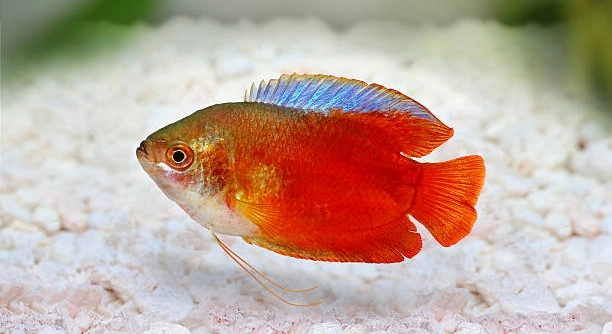
Giant gouramis are fascinating freshwater fish often admired for their size and calm presence in home aquariums. Many aquarists enjoy watching them grow but may not know just how large they can become over time.
Giant gouramis (Osphronemus goramy) can grow up to 24 inches (60 centimeters) in length and weigh around 7 kilograms (15 pounds) under optimal conditions. Their growth rate depends on diet, water quality, and tank size, making proper care essential.
Knowing their potential size is important for planning a suitable home and ensuring their long-term well-being in captivity.
Typical Size of Giant Gouramis
Giant gouramis start small, around one to two inches when purchased from stores. With proper care, they grow steadily, often reaching 12 inches within their first two years. Growth slows afterward, but they can continue growing for many years. Their size depends largely on tank space, water conditions, and diet. A well-fed giant gourami in a spacious tank can reach its maximum size more comfortably than one in a cramped environment. Observing them daily, you’ll notice subtle changes in body shape and fin length as they mature. Maintaining clean water and balanced nutrition not only supports growth but also prevents health issues. Providing hiding spots and gentle companions ensures they remain less stressed, which also contributes to healthy development. Even small differences in tank setup can have a noticeable impact on how quickly these fish reach their full size.
Growth varies depending on environment, but most can reach 18 to 24 inches in large tanks.
Keeping giant gouramis healthy requires attention to water temperature, filtration, and a mix of plant-based and protein-rich foods. Overcrowded tanks or poor water quality can stunt their growth, causing stress or illness. Observing behavior alongside size helps determine if adjustments are needed. These fish prefer slow-moving water and moderate temperatures. Regular water changes and proper tank cleaning prevent diseases that can affect growth. By monitoring both feeding and water conditions, owners can maintain an environment that encourages steady development. Over time, the difference between a well-cared-for gourami and one in poor conditions becomes very apparent in size, coloration, and overall activity. Their growth is gradual, but consistent care ensures they thrive while showing their natural beauty.
Factors Affecting Growth
Tank size plays a critical role in how large a giant gourami will get.
Diet, water quality, and space all influence their development. Providing a high-quality diet with vegetables, pellets, and occasional live foods supports proper growth. Consistent water parameters reduce stress, which is crucial for their size potential. Temperature should remain stable, usually between 24–28°C, to prevent health issues that can slow growth. Fish in smaller tanks often reach stunted sizes despite good nutrition. Proper filtration and aeration allow the fish to move freely and grow without restraint. Social environment also matters; aggressive tankmates can stress gouramis and hinder growth. Observing feeding habits helps adjust portions to prevent overfeeding or underfeeding, both of which affect size. Lighting and tank layout impact activity levels, indirectly supporting development. All these factors combined determine whether your giant gourami reaches its maximum size naturally.
Providing a balanced diet and proper tank conditions ensures your giant gourami reaches its full potential. Consistent care and monitoring of their environment support healthy, steady growth, making it easier to predict their adult size and maintain their well-being.
Lifespan and Growth Rate
Giant gouramis can live 15 years or more with proper care. Their growth is fastest during the first few years and slows as they approach full size. Long-term health depends on consistent feeding, clean water, and a stable environment.
In the first year, young gouramis can grow several inches quickly if they have enough space and nutrition. By their second or third year, they often reach 12–15 inches, with growth gradually slowing after this stage. Diet plays a major role—feeding a mix of pellets, vegetables, and occasional protein-rich foods ensures steady development. Overcrowded tanks or poor water quality can stunt growth, so monitoring conditions is essential. These fish are resilient but thrive best under attentive care.
Even after reaching full size, giant gouramis continue to gain weight and develop stronger muscle tone. Maintaining proper tank conditions and avoiding sudden changes in environment or diet helps prevent stress-related issues. Observing behavior can indicate if the fish is thriving or facing problems. Growth may appear slower later, but with consistent care, they remain healthy and active for many years, displaying vibrant colors and full fins that show their maturity.
Tank Size Requirements
A spacious tank is essential for giant gouramis to grow and thrive.
Adult giant gouramis need at least 125–150 gallons of water due to their potential size. A larger tank allows for proper movement, reduces stress, and supports better water quality. Filtration should handle their waste efficiently, and a secure lid is important because these fish may jump. Decorations should include open swimming areas and hiding spots to mimic natural habitats. Proper tank maintenance, including regular water changes and monitoring of parameters, ensures the fish remain healthy. Without enough space, growth can be stunted, and health issues may arise.
Smaller tanks can lead to overcrowding and limited swimming space, which can affect both growth and behavior. Providing a tank large enough for adults reduces aggression, allows normal activity, and encourages natural feeding habits. Filtration systems must be strong enough to maintain water clarity and oxygen levels. Plants or ornaments should not obstruct swimming areas but can offer shelter and reduce stress. Tank placement away from direct sunlight or temperature fluctuations also helps maintain stable water conditions. Regular observation of water parameters and the fish’s behavior ensures that any issues are addressed early, promoting steady growth and overall well-being.
Diet and Feeding
Giant gouramis are omnivores and need a varied diet to grow properly. They eat pellets, vegetables, and occasional live foods like worms or small insects. Consistent feeding helps maintain health and supports steady growth.
Overfeeding can lead to obesity and water quality issues. Portion control and regular feeding schedules prevent problems while keeping gouramis active. Balanced nutrition ensures proper development and vibrant coloration.
Signs of Healthy Growth
Healthy giant gouramis have smooth, firm bodies with bright eyes and well-formed fins. Regular movement and active swimming indicate proper development.
Growth should be steady over time. Sudden weight loss, lethargy, or fin damage can signal health issues or poor water conditions. Monitoring their behavior helps ensure they thrive and reach full size.
Common Growth Issues
Stunted growth in giant gouramis often results from small tanks, poor diet, or unstable water conditions. Consistent care is key to avoiding these problems.
Providing adequate space, clean water, and balanced nutrition helps correct growth issues and supports overall well-being. Regular observation and adjustments prevent long-term health problems.
Gender Differences in Size
Male giant gouramis generally grow larger than females, though differences are subtle until adulthood.
FAQ
How fast do giant gouramis grow?
Giant gouramis grow fastest during their first two years. Young fish can gain several inches in a year if they have enough space and proper nutrition. After reaching around 12–15 inches, growth slows but continues gradually throughout their life. Tank size, water quality, and diet all influence growth rate.
What is the maximum size of a giant gourami?
Adult giant gouramis can reach up to 24 inches in length and weigh around 7 kilograms (15 pounds). Achieving this size requires a large tank, stable water conditions, and a balanced diet. Fish kept in smaller tanks may not reach their full potential and can remain stunted.
How often should I feed my giant gourami?
Feeding should be consistent, usually once or twice a day for adults. Young fish may need more frequent feedings. Portion control is important to prevent overfeeding, which can cause obesity and water quality issues. A mix of pellets, vegetables, and occasional live foods is ideal.
What tank size is suitable for giant gouramis?
A minimum of 125–150 gallons is recommended for adult gouramis. Larger tanks allow for free swimming, reduce stress, and make it easier to maintain water quality. Tank decorations should include open areas and hiding spots, but overcrowding should be avoided to support healthy growth.
Can giant gouramis live with other fish?
Yes, but tankmates must be chosen carefully. Giant gouramis can be territorial, especially males, so peaceful, similarly sized fish are better companions. Avoid small fish that could be seen as food. Monitoring interactions ensures harmony and prevents injuries or stress.
What water conditions do giant gouramis need?
They thrive in slow-moving freshwater with a temperature between 24–28°C (75–82°F). pH should be stable, usually between 6.5 and 8.0. Consistent water changes and proper filtration help prevent health problems and support growth. Avoid sudden changes in temperature or water chemistry.
How do I know if my giant gourami is healthy?
Healthy fish have firm bodies, bright eyes, and smooth fins. Active swimming, good appetite, and consistent growth are signs of well-being. Lethargy, fin damage, or sudden weight loss may indicate stress or illness. Observing daily behavior helps detect problems early.
Do males and females grow differently?
Males typically grow slightly larger than females, though the difference is subtle until they reach adulthood. Males may develop broader heads and more pronounced fins. Providing proper care ensures both sexes reach their full size potential.
What causes stunted growth in giant gouramis?
Stunted growth is often due to small tanks, poor diet, or poor water quality. Overcrowding or aggressive tankmates can also stress fish, slowing development. Correcting these issues, such as increasing tank size or improving nutrition, usually restores steady growth.
Can giant gouramis grow in a home aquarium?
Yes, with proper care, they can reach impressive sizes at home. Large tanks, clean water, and a balanced diet are essential. Regular monitoring of behavior and water parameters ensures their growth and health are maintained, allowing them to thrive for many years.
Are giant gouramis aggressive when they grow larger?
They can become more territorial as they mature, especially males. Providing ample space, hiding spots, and careful selection of tankmates reduces aggression. Observing interactions and separating fish if needed helps maintain a safe and stress-free environment.
How long do giant gouramis live?
They can live 15 years or more with proper care. Maintaining clean water, a balanced diet, and a stable environment supports longevity. Regular observation and early problem detection contribute to a healthy, long life.
What should I do if my gourami stops growing?
Check tank size, water quality, diet, and stress levels. Adjusting these factors usually restores healthy growth. Overfeeding, poor nutrition, or overcrowding can all slow development. Consistent care and attention to environment are key to helping them reach full size.
Can I keep a giant gourami in a small tank temporarily?
Small tanks can be used for juveniles, but only temporarily. As they grow, moving them to a larger tank is essential to avoid stunted growth and health issues. Planning ahead for an appropriately sized adult tank ensures long-term well-being.
Do giant gouramis need supplemental vitamins or supplements?
A balanced diet typically provides all necessary nutrients. Occasionally adding vitamins or supplements can support growth, especially for young or sick fish. Avoid over-supplementing, as excess can harm water quality and fish health.
What type of plants are safe for giant gouramis?
They enjoy soft, sturdy plants that can tolerate nibbling. Floating plants or hardy species like Java fern and Anubias are suitable. Plants provide hiding spots and reduce stress but should not overcrowd swimming areas. Observation ensures plants and fish coexist safely.
How do I prevent health problems as they grow?
Maintaining clean water, a balanced diet, proper tank size, and monitoring behavior prevents most health issues. Early detection of stress or illness allows timely treatment. Consistency in care ensures they remain active, healthy, and continue growing steadily.
What is the ideal diet for adult giant gouramis?
Adult gouramis thrive on a mix of high-quality pellets, vegetables like lettuce and spinach, and occasional protein such as worms or shrimp. A varied diet ensures proper growth, muscle development, and vibrant coloration while supporting overall health.
Are there differences in growth between wild and captive gouramis?
Wild gouramis may grow faster or larger due to natural conditions and abundant food sources. Captive fish can reach full potential if tank conditions, diet, and care replicate these needs. Proper home care can allow them to grow impressively, even in captivity.
How do I encourage proper growth in a home aquarium?
Provide a large tank, maintain water quality, and feed a varied diet. Regular observation, careful tankmate selection, and minimizing stress contribute to steady growth. Attention to these factors ensures that giant gouramis reach their full size and remain healthy for many years.
Giant gouramis are remarkable fish that can become a striking presence in a home aquarium. Their size, calm behavior, and unique appearance make them appealing to many fish keepers. Understanding their growth potential is essential before deciding to keep them. These fish can reach up to 24 inches in length and weigh around 15 pounds, which means they need more space than many standard aquarium fish. Providing an adequately sized tank from the start is critical. Without enough space, they may become stressed, which can affect both their growth and overall health. While they grow steadily during their early years, their rate slows as they mature, so patience and consistency are key. A large tank, clean water, and proper diet are the main factors that support healthy development over time.
Proper nutrition plays an equally important role in their growth and well-being. Giant gouramis are omnivores, so a balanced diet consisting of pellets, fresh vegetables, and occasional protein sources is necessary. Overfeeding should be avoided, as it can lead to obesity and poor water quality, which in turn can cause health problems. Regular observation of their feeding habits helps ensure they are getting enough food without overdoing it. Water conditions should be closely monitored as well. Stable temperatures, appropriate pH levels, and clean water all contribute to steady growth and long-term health. Additionally, tank decorations, open swimming space, and hiding spots help reduce stress, making the fish more active and improving their overall condition. Even small changes in water parameters or tank setup can have noticeable effects, so attention to detail is essential.
Long-term care is just as important as initial setup. Giant gouramis can live 15 years or more with consistent attention to their environment and health. Regular water changes, careful feeding, and monitoring for signs of stress or illness all support their longevity. They can coexist with other similarly sized, peaceful fish if the tank is large enough, but aggressive or tiny tankmates should be avoided. Male gouramis may become slightly more territorial as they mature, so extra care may be needed in social setups. Observing behavior, body condition, and growth over time allows owners to make adjustments as necessary, ensuring the fish reach their full potential. With proper care, giant gouramis are not only impressive in size but also healthy, active, and vibrant, making them a rewarding species to maintain in a home aquarium.

Hello,
If you enjoy the content that we create, please consider saying a "Thank You!" by leaving a tip.
Every little bit helps us continue crafting quality advice that supports the health, happiness, and well-being of pets around the world, for pets of all shapes, sizes, and species.
We really appreciate the kindness and support that you show us!