
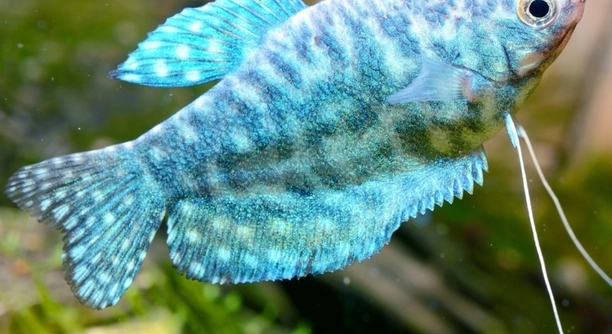
Have you ever added a dwarf gourami to your tank and wondered just how big it might grow over time?
Dwarf gouramis typically grow to about 2 to 3.5 inches in length. While some may reach up to 4 inches in ideal conditions, most remain within the average size range when properly cared for in home aquariums.
Learning about their growth patterns can help you maintain a healthy and suitable environment for your dwarf gourami.
Average Size of Dwarf Gourami
Dwarf gouramis are known for their manageable size, which makes them popular in smaller aquariums. On average, these fish grow to about 2 to 3.5 inches in length. Males tend to be slightly larger and more colorful than females, especially when fully mature. The growth rate depends on a few factors such as diet, tank size, and water quality. In a well-maintained tank with clean water and proper nutrition, they tend to reach their maximum size within a year. Their size makes them easy to house with compatible tank mates, especially other peaceful species. If you’re aiming to keep your gourami healthy, make sure their environment is consistent and free from stress. Avoid overstocking the tank and maintain steady temperatures. Their compact size doesn’t mean they’re less active—these fish like room to swim and plenty of places to explore. Their small size also helps reduce waste and keep water parameters stable.
They’re small, but they still need attention when it comes to space and water conditions.
Most dwarf gouramis won’t exceed 3.5 inches, even in excellent conditions. While some aquarists may report a rare 4-inch fish, this isn’t the norm. Genetics plays a role, but so do external conditions like water quality, feeding habits, and stress levels. Poor tank conditions can stunt their growth, while overcrowding or aggression from tank mates may cause behavioral changes. If they don’t feel safe, they may stay hidden and eat less, affecting overall development. Keep in mind that stress isn’t always visible, so maintaining a calm and balanced tank is key. You don’t need a massive tank for them, but space still matters. A 10-gallon setup works for one, but adding more requires additional room. Growth also varies by sex—males tend to reach their peak size faster. For best results, monitor their development monthly and adjust their care as needed. With the right approach, they’ll reach their full size comfortably.
Factors That Influence Growth
Diet, tank size, and water quality all play a role in how big your dwarf gourami will eventually grow.
A balanced, high-protein diet supports growth and helps maintain color and energy levels. Offer a mix of flakes, pellets, frozen, and live foods to cover all their nutritional needs. High-quality ingredients make a difference in overall health. Too much filler in cheap foods can lead to poor development or even bloating. Water quality is another big factor. Ammonia, nitrites, and nitrates need to be kept under control with regular water changes and a good filter. These fish do best in stable water temperatures between 75°F and 80°F. Consistency is more important than aiming for perfection—sudden shifts in temperature or pH can slow growth and cause stress. Tank size also matters more than you might think. While they don’t need a huge space, a cramped tank limits movement and can stunt their development. Each gourami should have enough space to claim territory and explore.
Lifespan and Growth Rate
Dwarf gouramis typically reach full size within 6 to 12 months. Their growth is gradual but steady when conditions are right. Proper feeding and clean water help them develop at a healthy rate without delays or complications.
Once they reach about two inches, growth may slow down, but it doesn’t stop. During the early months, feeding protein-rich food can encourage healthy development. It’s normal to see slight variations in size between individuals, even if they’re kept in the same tank. Genetics also influences how fast or slow they grow. If they aren’t reaching typical size, check for stress factors—overcrowding, poor water quality, or aggression from other fish. Avoid frequent changes in water temperature or overfeeding, which can negatively affect their growth. A peaceful environment, stable tank conditions, and a balanced diet all play a part in helping them grow to their full potential in a reasonable timeframe.
Their lifespan is usually between 3 and 5 years in captivity. Growth tends to level off in the first year, but how long they live depends on ongoing care. Keeping the tank clean and avoiding stressful conditions can extend their life. If they’re frequently exposed to poor water quality or illness, their lifespan may be cut short. Diseases like Iridovirus can affect dwarf gouramis, especially if they come from mass-bred sources. Always observe your fish for unusual behavior or appetite changes. A longer life also means a more stable size, so you won’t need to worry about sudden growth spurts later on. By providing a low-stress setup, consistent feeding schedule, and regular monitoring, they’ll stay active and healthy well into their adult years. If you’re giving them the right care from the start, they’ll thrive—not just survive—in your tank.
Differences Between Male and Female Sizes
Males are usually more colorful and slightly larger than females. Most male dwarf gouramis grow to around 3 to 3.5 inches, while females often stay closer to 2 to 2.5 inches. The difference becomes more noticeable as they mature.
The size gap isn’t huge, but it’s something to consider when planning a mixed group. Males often display brighter shades of blue, red, or orange, and their bodies appear longer and slimmer. Females tend to be duller in color with rounder bodies. This size and shape difference is more than just appearance—it also influences how they interact in the tank. Males are a bit more territorial, especially in smaller spaces, and their extra size can make them seem more dominant. You’ll need more room and hiding spots when keeping multiple males or a mixed group. Keeping the tank balanced helps reduce stress and aggression, which also affects their long-term growth and health.
Tank Size and Environment Needs
A single dwarf gourami needs at least a 10-gallon tank. For multiple fish, increase the space to prevent stress and aggression. Crowded tanks can slow their growth and cause health problems over time.
Add plants, calm lighting, and smooth decorations to create a peaceful space. These fish like quiet areas where they can hide or rest.
Common Growth Issues
Poor water quality is one of the biggest reasons dwarf gouramis stop growing properly. Dirty tanks stress them out, weaken their immune system, and slow development. Ammonia spikes and uncycled tanks are especially harmful. Overfeeding or offering low-quality food can also impact their size. It’s important to give them varied meals that include protein and fiber. Frozen or live foods, along with a good pellet, help with proper nutrition. If growth is still slow despite good food, check the tank temperature—it should stay around 77–80°F. A stressful tank environment or bullying from other fish can also limit their growth. Watch for fin-nipping, chasing, or hiding behavior.
Final Size Expectations
Most dwarf gouramis reach about 2 to 3.5 inches long. Males tend to grow on the larger side, while females stay a bit smaller.
FAQ
Do dwarf gouramis grow fast or slow?
They grow at a moderate pace. You’ll usually notice steady growth over the first six to twelve months. Good food, clean water, and a low-stress tank make a big difference. If things are off, their growth can slow down quickly.
What’s the maximum size a dwarf gourami can reach?
Most reach about 3 to 3.5 inches. Some may stay smaller, especially females, who typically grow closer to 2 to 2.5 inches. Males tend to be larger. It’s rare for a dwarf gourami to exceed 4 inches in home aquariums.
Why is my dwarf gourami not growing?
Check the water conditions first. Poor quality or unstable parameters can slow or even stop growth. Also, make sure they’re eating enough of the right food. If there’s tank aggression or they’re hiding all the time, stress may be the reason.
How many dwarf gouramis can I keep together without affecting growth?
In a 20-gallon tank, you can keep two males or a small group of one male and two females. Overcrowding causes stress, which slows growth and increases the chance of illness. Always give them space to swim and hide.
Do dwarf gouramis need live food to grow properly?
Not always, but live food like brine shrimp or daphnia can support better growth. If live food isn’t available, frozen or high-quality pellet food is fine. Just make sure the diet is balanced and includes some protein-rich options.
Can I keep a dwarf gourami in a small tank if it’s just one fish?
Yes, a single dwarf gourami can live comfortably in a 10-gallon tank. Still, tank size affects more than just space—it also impacts water quality and stress levels. A larger tank makes maintenance easier and supports healthier growth.
How long does it take for a dwarf gourami to reach full size?
Most will reach full size within 6 to 12 months. After that, they may only grow a little more. Their growth rate depends on water quality, diet, genetics, and how comfortable they feel in the tank.
What temperature helps dwarf gouramis grow best?
Keep the water between 77°F and 80°F. Consistent temperature helps their metabolism and immune system. Avoid large fluctuations—cold water slows growth and can make them more likely to get sick.
Are male dwarf gouramis always bigger than females?
Most of the time, yes. Males are not only larger but also more colorful. They grow to about 3 to 3.5 inches, while females are smaller and have rounder bodies. The difference becomes more noticeable as they mature.
Can poor diet cause dwarf gouramis to stay small?
Yes, a poor or unbalanced diet can affect both their size and health. If they aren’t getting enough protein, vitamins, or variety, they may stop growing. Offer a mix of pellets, frozen food, and the occasional live treat to keep them healthy.
What happens if they grow too fast?
Too-fast growth isn’t usually a problem unless it’s caused by overfeeding. Rapid growth from too much food can lead to bloating, poor organ development, or shorter lifespans. Stick to small, consistent meals instead of heavy feedings.
Does stress affect their growth?
Definitely. Stress from tank mates, poor water, or noise can slow their growth or lead to illness. Make sure they have hiding spots and aren’t constantly competing for food or space. A calm tank supports steady growth.
Can a dwarf gourami’s size change later in life?
Once they’ve reached full size, they won’t get noticeably bigger. Weight can change a little depending on diet or health, but their length stays the same. A healthy adult will maintain size with consistent care and proper food.
Final Thoughts
Dwarf gouramis are peaceful, colorful fish that can be a nice addition to small and medium-sized freshwater tanks. Their size makes them easy to care for, especially if you’re looking for a species that won’t outgrow your setup. Most grow to around 3 inches, which is manageable for many home aquariums. Some may reach a bit larger or stay smaller, depending on gender, care, and genetics. Giving them a clean tank, steady temperature, and good food will help them stay healthy and reach their full size. While they don’t grow very fast, they do develop steadily over several months.
It’s important to remember that tank conditions play a big role in how your dwarf gourami grows. Even small changes in temperature, water quality, or tankmates can affect their growth and stress levels. A calm environment with plenty of hiding places allows them to feel secure, which helps with overall health. Overcrowding, dirty water, or too much competition for food can lead to stunted growth or illness. These fish may seem low-maintenance, but they do best when their needs are consistently met. Careful attention to water changes, diet, and tank setup will go a long way in keeping them at their best size and condition.
Understanding their growth pattern helps you better plan for their care over time. You won’t see sudden changes in size, and that’s normal for dwarf gouramis. If they’re active, eating well, and showing clear colors, they’re likely doing fine. Watching them develop from smaller, younger fish into healthy adults can be a rewarding part of the aquarium hobby. Whether you keep just one or a few in a community tank, making space for their natural habits and giving them a steady routine will help them thrive. Once fully grown, they tend to stay at a consistent size, and with proper care, they can live several years. Keeping a close eye on their growth is one more way to make sure you’re giving them the best home possible.

Hello,
If you enjoy the content that we create, please consider saying a "Thank You!" by leaving a tip.
Every little bit helps us continue crafting quality advice that supports the health, happiness, and well-being of pets around the world, for pets of all shapes, sizes, and species.
We really appreciate the kindness and support that you show us!