
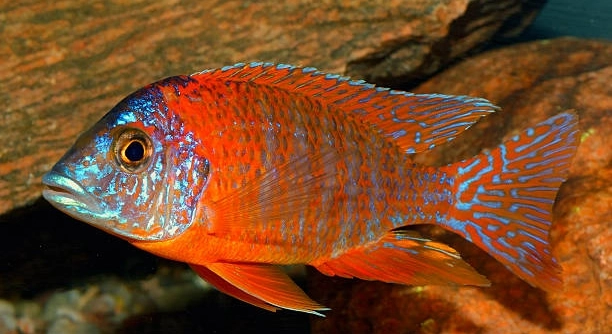
Convict cichlids are popular freshwater fish that many aquarists keep for their bold looks and active behavior, yet their adult size often surprises new owners planning tanks and long term care at home aquariums setups.
Convict cichlids typically reach an adult length of four to six inches in captivity. Growth depends on genetics, diet, and tank conditions, with males usually larger than females and displaying more pronounced body mass over time during proper aquarium husbandry.
Size influences tank space, aggression levels, and compatibility, and these details play a key role in maintaining convict cichlid environments.
Adult Size and Growth Patterns
I have kept convict cichlids for years, and their growth is steady when basic needs are met. Juveniles grow quickly during the first months, then slow as adulthood approaches. Males usually develop thicker bodies and longer fins, while females remain slightly smaller. Most healthy specimens settle between four and six inches, though some males reach the upper range more often. Consistent feeding, clean water, and low stress support proper growth. Poor conditions can limit size and lead to weak body structure. Genetics also play a role, meaning siblings may grow at different rates. Observing growth over time helps aquarists adjust care before problems appear. This practical awareness makes keeping convict cichlids more predictable and rewarding in home aquariums. Regular observation encourages patience, realistic expectations, and respect for natural limits, which has helped me avoid overcrowding mistakes and unnecessary upgrades in small community tanks over time with careful planning and restraint.
Growth differences become clearer after the first year. I noticed that stable routines produced fuller bodies and calmer behavior. Sudden changes in diet or water often slowed development, making consistency more valuable than excess feeding or frequent adjustments. This pattern remained true across multiple setups and varied tank sizes tested.
While convict cichlids are hardy, size should never be forced. Heavy feeding does not equal healthy growth and often creates water quality problems. I learned to focus on balanced meals and observation instead of rushing results. Allowing fish to grow at a natural pace improves lifespan and coloration. Tank mates, hiding spaces, and breeding activity also influence how energy is used. When these factors are managed well, adult size remains consistent and predictable. This approach supports long term success without unnecessary stress for both fish and keeper. It also reduced maintenance demands in my experience over several years of care.
Tank Conditions That Affect Size
Tank size directly affects how large convict cichlids grow. Limited space restricts movement and increases stress. I found that adequate room allowed stronger bodies, clearer markings, and more stable behavior patterns throughout adulthood. This was consistent across different filtration setups and layouts used in my tanks over time periods observed.
Water quality, diet, and social structure shape final size just as much as genetics. Clean water supports efficient digestion and muscle development. I maintain regular water changes to keep waste low, which consistently improves growth stability. A varied diet with proper protein levels fuels development without causing excess fat. Overfeeding creates rapid gains that do not last and often lead to health decline. Social dynamics matter as well. Crowded tanks increase aggression, forcing fish to burn energy on defense rather than growth. Proper territory spacing allows calmer behavior and better nutrient use. Breeding pairs also redirect energy toward reproduction, which can slow body growth temporarily. Lighting and decor influence stress levels more than many realize. Simple layouts with secure hiding spots encourage natural movement patterns. When these elements align, convict cichlids reach their expected adult size reliably. This balanced approach has given me consistent results across several setups and years of care. I avoid frequent rearranging, since stability reduces stress. Over time, steady conditions proved more effective than constant upgrades or chasing rapid visual improvement. This mindset helped me plan tanks with realistic space and care expectations based on long term observation rather than short trends in aquarium keeping habits.
Differences Between Male and Female Sizes
Males and females show clear size differences as they mature. Males grow longer and develop thicker bodies, while females remain smaller with rounder shapes. In my tanks, this difference became obvious after breeding age, making identification easier without stress or handling for most keepers over time and careful observation periods.
Male convict cichlids often reach five to six inches, especially when dominant in the tank. Females usually stay closer to four inches, though body depth can increase during spawning periods. I noticed males also appear larger due to extended fins and stronger heads. These traits develop gradually and depend on stable water conditions. Feeding quality matters, but social balance matters more. When males constantly fight, growth slows. When hierarchy settles, size stabilizes. Observing these patterns helped me adjust stocking choices and avoid pairing mistakes in smaller aquariums over long term home setups with repeated results observed personally by me consistently.
Female convict cichlids may appear smaller, but their presence strongly affects tank dynamics. During breeding, females become territorial and use energy for egg production rather than growth. I observed that repeated spawning kept females compact but sturdy. This is normal and not a health concern. Their shorter length helps them maneuver tight spaces and defend nests effectively. Size differences also reduce constant conflict between pairs. Understanding this balance allowed me to design tanks that supported natural behavior while keeping stress low and growth patterns consistent across multiple breeding cycles over time in controlled home aquariums I maintained personally long term.
Size Expectations in Community Tanks
In community tanks, convict cichlid size influences compatibility more than temperament alone. Larger adults claim territory quickly, limiting space for passive species. I learned that even average sized adults can dominate smaller fish. Planning tank layout around adult size reduced losses and constant chasing. This approach kept activity levels steady and prevented unnecessary stress during daily feeding routines in mixed setups I managed over several years with consistent results observed firsthand at home aquariums regularly.
Convict cichlids often reach full size within the first year, which catches many keepers off guard in shared tanks. I found that starting with juveniles gives a false sense of space. As they grow, their physical presence alone pressures other fish. Larger bodies mean stronger feeding responses and faster claims over food. This can leave timid species undernourished. Adequate tank volume, visual barriers, and careful species selection help offset these issues. When I adjusted stocking plans to adult size instead of juvenile size, overall health improved. Growth stabilized, aggression dropped, and maintenance became easier. Respecting adult size prevents constant rehoming and disappointment later for long term success in stable community aquariums I maintained personally with careful observation and consistent routines over time periods alone repeatedly.
Tank Size and Physical Development
I found that tank size strongly controls how large convict cichlids appear and behave. Smaller tanks limit swimming space, leading to stockier bodies and higher tension. Adequate room allows natural movement, balanced muscle growth, and calmer interactions over time. This difference became clear after several setups at home aquariums tested.
Using tanks under recommended volume often slowed growth and increased aggression. I noticed fish spent more energy defending space than feeding. Larger tanks spread territories naturally, reducing stress. Stable spacing helped convict cichlids reach expected adult size without forced growth. This pattern stayed consistent across years of long term care.
Diet and Its Influence on Size
Diet quality shapes size more than quantity. I stopped heavy feeding and focused on varied portions with protein and plant matter. Growth became steadier and bodies looked stronger. Poor diets cause bloating without real size gain. Feeding schedules matter too. Smaller meals reduce waste and improve digestion. When paired with clean water, fish use nutrients efficiently. This approach limited health issues and kept adult size predictable. Over time, I relied less on supplements and more on observation. Balanced feeding supported steady growth without pushing fish beyond natural limits in controlled home aquariums over many years of careful personal experience documented.
Breeding and Temporary Size Changes
Breeding activity temporarily affects size appearance. Energy shifts toward reproduction, not body growth. I noticed paired fish stayed compact but solid. This change is normal and reverses after spawning slows. Understanding this prevents concern when adult length pauses during active breeding periods in well maintained home tanks over time consistently.
FAQ
How big do convict cichlids get in home aquariums?
Convict cichlids usually reach four to six inches in captivity. In my experience, most settle around five inches when given stable care. Males tend to reach the larger end of this range, while females remain shorter but sturdy. Size stays consistent when water quality, diet, and space remain balanced.
Do convict cichlids grow larger in the wild?
Wild convict cichlids may grow slightly larger due to open space and natural feeding opportunities. However, the difference is not dramatic. Captive fish that receive proper care often match wild size closely. I have not seen captive specimens fall short when conditions were correct.
How fast do convict cichlids grow?
Growth is rapid during the first six months, then slows as adulthood approaches. I noticed most size gain happens early, with fine body development continuing later. Sudden growth spurts usually relate to improved conditions rather than age alone. Consistency supports steady progress.
Can tank size limit how big convict cichlids get?
Yes, limited space affects physical development. Smaller tanks restrict movement and increase stress, which slows growth. When I upgraded tank size, body shape improved even if length stayed similar. Adequate space supports muscle development and calmer behavior overall.
Does overfeeding make convict cichlids bigger?
Overfeeding does not create healthy size. It often causes bloating and water issues instead. I learned that balanced meals lead to stronger bodies and predictable growth. Feeding more than needed increased waste without improving adult length or health.
Are male convict cichlids always bigger than females?
Males are usually larger, but not always by length alone. They appear bigger due to thicker bodies and extended fins. Females stay shorter but gain body depth during breeding periods. This difference becomes clearer after maturity in stable tanks.
Do breeding convict cichlids stop growing?
Breeding shifts energy toward reproduction, which can pause visible growth. I noticed paired fish stayed compact during active spawning. This is temporary and normal. Once breeding slows, growth patterns stabilize again without long term impact.
Can stress reduce convict cichlid size?
Stress affects growth significantly. Aggression, overcrowding, and poor water quality divert energy away from development. When I reduced tank tension, growth evened out. Calm environments support better nutrient use and stronger physical condition.
Do genetics affect how large convict cichlids get?
Genetics play a role in final size. Fish from the same spawn may grow differently despite identical care. I observed some individuals reach maximum size earlier. Good care allows fish to reach their genetic potential, but it cannot exceed it.
Is size linked to aggression in convict cichlids?
Larger fish often dominate space, but size alone does not define aggression. I kept smaller individuals that were more territorial than larger ones. Behavior depends on hierarchy, environment, and breeding status more than length alone.
Will frequent water changes help convict cichlids grow bigger?
Clean water supports healthy growth, but excess water changes are unnecessary. I followed a steady schedule and saw consistent results. Stable parameters matter more than constant intervention. Fish respond best to predictable routines.
Can convict cichlids outgrow their tank?
Yes, many do. Juveniles appear small, leading to cramped setups later. I learned to plan for adult size early. This prevented stress and rehoming issues. Considering final size avoids long term problems.
Do decorations affect how big convict cichlids grow?
Decorations influence behavior more than size directly. Hiding spots reduce stress, allowing energy to support growth. Sparse layouts increased tension in my tanks. Balanced structure encouraged natural movement and steady development.
Is slow growth a sign of poor health?
Not always. Some fish grow slowly due to genetics or breeding activity. I only became concerned when slow growth paired with weight loss or lethargy. Observation over time gives clearer answers than size alone.
Can size predict lifespan in convict cichlids?
Larger size does not guarantee longer life. Healthy condition matters more. I kept average sized fish that lived longer than larger ones. Proper care, diet, and low stress influence lifespan more than length measurements.
Final Thoughts
Understanding how big convict cichlids really get helps set realistic expectations and prevents many common mistakes. Size affects almost every part of their care, from tank space to social behavior. I learned that planning around adult size, rather than juvenile appearance, makes fish keeping calmer and more predictable. Convict cichlids are not large fish, but their solid build and confident behavior give them a strong presence. When their physical needs are met, they grow at a steady pace and maintain good body condition. Ignoring size considerations often leads to overcrowding, stress, and constant adjustments. Taking the time to understand their natural growth patterns makes long term care more manageable and less frustrating. This awareness also encourages better observation, which is one of the most valuable habits in aquarium keeping.
Growth should never be rushed or forced. Convict cichlids respond best to consistency, not excess. Balanced feeding, clean water, and stable environments support healthy development without pushing limits. I noticed that fish raised this way showed better coloration, calmer behavior, and fewer health problems. Size alone does not define success. Strong fins, steady movement, and normal behavior matter more than reaching the upper end of a size range. Accepting natural variation also reduces unnecessary concern. Some fish grow slightly larger, others stay compact, and both can be perfectly healthy. Respecting these differences allows aquarists to focus on overall well being rather than measurements alone. This mindset made my own setups easier to maintain over time.
Convict cichlids reward thoughtful care with resilience and predictable growth. Their size fits well within many home aquariums when planned properly, but they still demand respect for space and structure. Keeping them successfully is less about chasing ideal numbers and more about maintaining balance. When tanks are designed with adult size in mind, behavior stabilizes and maintenance becomes routine. This creates a more enjoyable experience and reduces the need for constant changes. Over time, this steady approach builds confidence and understanding. Convict cichlids may be simple fish on the surface, but their growth patterns reflect the quality of care they receive. Paying attention to these details leads to healthier fish and a more satisfying aquarium overall.

Hello,
If you enjoy the content that we create, please consider saying a "Thank You!" by leaving a tip.
Every little bit helps us continue crafting quality advice that supports the health, happiness, and well-being of pets around the world, for pets of all shapes, sizes, and species.
We really appreciate the kindness and support that you show us!