
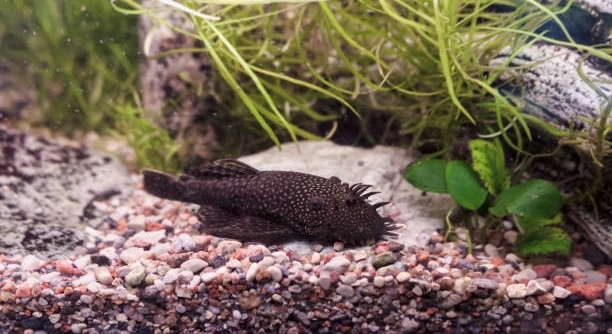
Have you ever found yourself setting up a tank for your bristlenose pleco but unsure how much space it will need over time?
Bristlenose plecos typically grow to about 4 to 6 inches in length when fully mature. Their compact size makes them popular for smaller aquariums, though proper care and tank conditions are essential for healthy development.
Knowing their full-grown size can help you choose the right tank setup and support their overall well-being in the long run.
Average Size of Bristlenose Plecos
Bristlenose plecos usually reach a mature size of 4 to 6 inches. This makes them one of the smaller pleco species, which is why many people choose them for home aquariums. Their size depends on a few basic factors like tank space, water quality, and diet. In a well-maintained setup, most will grow steadily and reach their full size within about two years. Males tend to be slightly larger than females, and they also develop more noticeable bristles on their heads. While growth is relatively slow compared to other fish, the end size remains manageable. Because of this, they are often chosen for tanks that can’t house larger bottom-dwellers. Giving them enough space to move around and hide is important for both their growth and overall health. While they’re small, they still need proper care and room to thrive in a balanced tank environment.
Keep in mind that overcrowding may limit their growth or stress them out.
A single bristlenose pleco can live well in a 20 to 30-gallon tank, especially when tankmates are peaceful and the environment is stable. Proper filtration helps maintain the water quality, which supports their development. These fish also appreciate driftwood and smooth surfaces to rest on. Watching their growth can be rewarding.
Factors That Affect Growth
Poor diet, limited space, or unstable water conditions can prevent a bristlenose pleco from reaching its full size. These factors often go unnoticed until growth becomes clearly stunted or slow.
To help your bristlenose pleco grow properly, start with the right tank size—at least 20 gallons for one adult. Make sure there is enough space for movement and hiding spots using driftwood and caves. Good filtration is necessary to keep water conditions stable, which reduces stress. They eat mostly plant-based foods, so offer algae wafers, blanched vegetables like zucchini or spinach, and occasional protein sources like bloodworms. Feeding a balanced diet once or twice a day helps them grow steadily. Avoid overfeeding, though, as it affects water quality. Keep the tank temperature between 73°F and 81°F and do weekly partial water changes to maintain stability. Monitor their growth every few months and adjust care as needed. Their small size doesn’t mean low maintenance, but they’re relatively easy to keep with basic care.
Growth Rate and Lifespan
Bristlenose plecos grow slowly and typically reach full size within 1 to 2 years. Their growth rate depends on diet, water conditions, and tank space. Once mature, their size remains stable as long as care remains consistent.
During their early months, growth can be noticeable, especially when the tank provides clean, well-filtered water and a consistent feeding schedule. These plecos don’t grow rapidly, but steady development is a good sign of proper care. In smaller or poorly maintained tanks, their growth might slow or stop. Bristlenose plecos can live for 5 to 8 years, sometimes longer if well cared for. Lifespan is closely linked to their environment—clean water, steady temperatures, and a balanced diet are essential. Make sure to avoid sharp decorations that may cause injuries, as infections can affect health and shorten their lifespan. Regular water testing and tank cleaning help support long-term stability and reduce unnecessary stress.
Once fully grown, bristlenose plecos maintain their size with minimal change. Their compact size means they don’t require frequent upgrades in tank size. However, their activity level and natural behavior benefit from enough space to explore and rest. Consistent feeding and water quality help them stay healthy and active. They may show subtle changes in appearance with age, such as darker coloring or more defined bristles. Keeping their tank mates calm and compatible also helps reduce stress. When housed alone or in peaceful communities, they tend to remain more active and visible throughout their lives.
Male vs Female Size Differences
Male bristlenose plecos usually grow slightly larger than females, averaging about half an inch more in length. They also develop prominent head bristles, especially during maturity. Females may have smaller, less visible bristles or none at all.
In addition to their size difference, males are often more territorial and may claim specific hiding spots. These behaviors become more noticeable during breeding periods. Males can grow up to 6 inches, while females usually remain closer to 4 or 5 inches. Aside from bristle growth, body shape also differs. Males tend to have a slimmer profile and broader heads, while females appear rounder, especially when carrying eggs. This makes it easier to identify their sex once they reach maturity. Both males and females need the same level of care, but if multiple males are kept together, it’s important to provide extra hiding places to avoid territorial stress.
Tank Size and Its Impact
A bristlenose pleco kept in a small tank may not grow to its full size. Limited space can cause stress, slow development, and lead to health issues over time.
A 20 to 30-gallon tank is suitable for one adult bristlenose pleco. Larger tanks support better water quality and more stable conditions.
Diet and Nutrition
A balanced diet supports healthy growth and overall development. Bristlenose plecos mainly eat algae, but they also need a variety of foods to meet their nutritional needs. Algae wafers, blanched vegetables like zucchini or cucumber, and occasional protein-rich treats such as bloodworms work well. Feeding once or twice daily is enough, and uneaten food should be removed to keep the water clean. Good nutrition helps prevent stunted growth and boosts immunity. A healthy diet also encourages activity and better coloration. Be sure to offer food in a way that allows them to reach it easily, especially during low-light hours when they’re most active.
Final Size in Captivity
Most bristlenose plecos in captivity reach 4 to 6 inches, depending on care. Proper tank conditions, good food, and low stress levels support full growth.
FAQ
How long does it take for a bristlenose pleco to reach full size?
It typically takes about 1 to 2 years for a bristlenose pleco to reach full size, which is around 4 to 6 inches. Growth rate can vary depending on tank conditions, diet, and care. Proper water quality, sufficient space, and a well-balanced diet can encourage steady growth. Plecos in smaller tanks or with inadequate nutrition may grow slower.
Do bristlenose plecos grow faster in larger tanks?
Yes, bristlenose plecos tend to grow faster in larger tanks. A bigger tank ensures better water quality, more space for movement, and less stress. It’s also easier to maintain the right water conditions in a larger setup, which supports healthy growth. A 20 to 30-gallon tank is ideal for one adult pleco.
What can affect the growth of a bristlenose pleco?
The growth of a bristlenose pleco can be affected by several factors, including tank size, water quality, diet, and tank mates. Poor water conditions, overcrowding, and an inadequate diet can stunt growth. Ensuring a stable environment with proper filtration and feeding a variety of foods promotes healthy development.
Do male bristlenose plecos grow larger than females?
Yes, male bristlenose plecos generally grow larger than females. Males can reach up to 6 inches, while females usually stay around 4 to 5 inches. The size difference is often accompanied by males developing more prominent head bristles, which can help in identifying their gender. Despite this difference, both sexes need similar care.
Can bristlenose plecos live in smaller tanks?
While bristlenose plecos can survive in smaller tanks, it is not ideal for their growth. A tank smaller than 20 gallons may stunt their growth or cause stress. A well-maintained 20-gallon tank is the minimum recommended size, and larger tanks provide better conditions for healthy development.
What do bristlenose plecos eat?
Bristlenose plecos are primarily herbivores. They eat algae, but they also enjoy a variety of vegetables like zucchini, cucumber, and spinach. They can also have protein-rich foods like bloodworms or shrimp pellets occasionally. Offering a balanced diet ensures they receive the proper nutrients for growth and health.
Do bristlenose plecos need to be fed every day?
Yes, bristlenose plecos should be fed every day. Feeding once or twice a day with algae wafers, vegetables, and occasional protein sources is ideal. It’s important to provide enough food for them to consume without overfeeding, as leftover food can affect water quality. They are primarily nocturnal, so they often feed during the night.
Can bristlenose plecos live with other fish?
Yes, bristlenose plecos are peaceful and can live with most other species, especially small to medium-sized fish. They do well with other bottom dwellers, provided there’s enough space and hiding places. However, avoid keeping them with aggressive or large fish that may stress or harm them.
How can I tell if my bristlenose pleco is healthy?
A healthy bristlenose pleco will have clear, bright eyes, smooth skin, and an active appearance. It should swim around the tank, feed regularly, and show no signs of injury or abnormal behavior. Healthy plecos also have a consistent growth pattern. If your pleco appears lethargic, has damaged fins, or refuses to eat, it may be sick and need attention.
What water conditions do bristlenose plecos need?
Bristlenose plecos prefer slightly acidic to neutral water, with a pH between 6.5 and 7.5. The temperature should range between 73°F and 81°F. Regular water changes and a good filtration system are important to maintain water quality and remove waste. Clean water promotes healthy growth and prevents stress-related health issues.
Do bristlenose plecos need a lot of hiding places?
Yes, bristlenose plecos appreciate having plenty of hiding places in the tank. They are shy and like to rest in caves, behind plants, or under driftwood. Providing these spaces helps reduce stress and encourages natural behaviors. Adding decorations like rocks or plants that create shaded spots is a good idea.
Can I breed bristlenose plecos in my tank?
Yes, bristlenose plecos can breed in a home aquarium. To breed them, you’ll need both a male and a female. The male will build a nest in a cave or other hiding spot, and the female will lay eggs inside. After fertilization, the male guards the eggs until they hatch. You’ll need to ensure stable water conditions and a proper diet to encourage breeding.
What is the lifespan of a bristlenose pleco?
Bristlenose plecos typically live 5 to 8 years in a well-maintained tank. With proper care, some may live even longer. Their lifespan is influenced by tank size, diet, water quality, and stress levels. Keeping their environment stable and providing regular maintenance can help them reach their maximum lifespan.
Final Thoughts
Bristlenose plecos are hardy, low-maintenance fish that can thrive in the right conditions. Their growth rate and final size depend heavily on factors such as tank size, diet, and water quality. While they are relatively easy to care for, ensuring their environment supports their needs is crucial for their overall health and well-being. A spacious tank with stable water conditions can help them grow to their full potential, typically reaching a size of 4 to 6 inches in captivity.
Feeding a balanced diet is another key factor. These plecos are primarily herbivores, relying on algae, vegetables, and occasional protein sources for proper nutrition. Providing a variety of foods ensures they receive the necessary nutrients to support their growth and energy levels. Regular water changes and good filtration will help maintain a healthy environment, reducing the risk of diseases and promoting strong growth. It is important to avoid overfeeding, as excess food can deteriorate water quality, leading to potential health issues.
Understanding the specific needs of your bristlenose pleco will ensure a long, healthy life for them in your aquarium. By offering a suitable tank size, a nutritious diet, and consistent care, you can support their growth and ensure they reach their full size in a stress-free environment. Regular monitoring of water quality and the overall condition of the fish will keep them happy and healthy for years.

Hello,
If you enjoy the content that we create, please consider saying a "Thank You!" by leaving a tip.
Every little bit helps us continue crafting quality advice that supports the health, happiness, and well-being of pets around the world, for pets of all shapes, sizes, and species.
We really appreciate the kindness and support that you show us!