
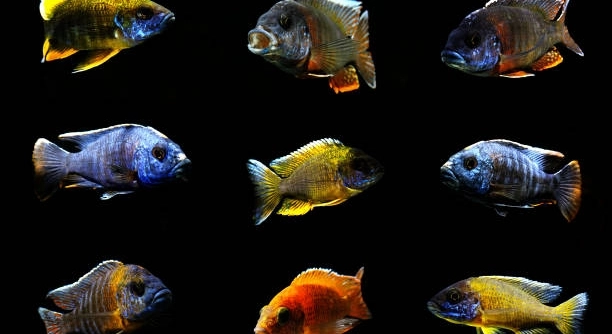
African cichlids are popular freshwater fish known for their vibrant colors and interesting behaviors. Many fish owners wonder how these cichlids show affection towards each other and their caretakers. Understanding their signs of affection can help deepen the bond with these beautiful fish.
African cichlids display affection through behaviors such as gentle nipping, following each other closely, and cleaning one another. These actions indicate trust and social bonding within their groups. Recognizing these signals helps in creating a healthy and comfortable environment for them.
Learning how to identify these subtle gestures can improve your experience with African cichlids. This simple guide will help you recognize their unique ways of showing care.
How African Cichlids Show Affection to Each Other
African cichlids have unique ways of expressing affection within their groups. One common behavior is gentle nipping or mouthing, which looks like light biting. This is not aggression but a sign of social bonding. They often follow each other closely, swimming side by side. Cleaning is another affectionate act; one fish may pick algae or debris off another’s body. These behaviors show trust and comfort among cichlids. Understanding these signs helps maintain a peaceful tank and reduces stress. Observing these actions can also give insights into their social structure and hierarchy, which is important for their well-being. Keeping the tank environment stable encourages these positive interactions. Proper tank size, hiding spots, and balanced diet all support healthy social behaviors. Recognizing these signs early on can improve how you care for your fish and help them thrive in captivity.
Affectionate behaviors between cichlids are signs of strong social bonds and mutual trust within their groups. These behaviors indicate healthy interactions.
Being able to spot these signs allows you to manage your tank better and ensure your fish stay happy. The social nature of cichlids means they rely on these gestures for harmony, so paying attention to them is essential.
How African Cichlids Show Affection to Their Owners
African cichlids also display affection toward their caretakers. They may swim up to the glass when you approach, following your movements. This shows recognition and interest. Some cichlids respond to feeding times by coming close eagerly, signaling trust in you as their provider. They may also exhibit body language such as flaring fins or changing colors slightly when interacting with you. These subtle cues mean they feel comfortable and safe in your presence. Building a routine helps them recognize you and feel secure. Regular feeding, gentle tank maintenance, and calm behavior encourage these connections. Over time, you may notice more interactive behaviors, reflecting a bond growing between you and your fish.
Showing affection to owners involves recognition, approach behaviors, and body language indicating comfort and trust.
Consistent care and interaction create a positive relationship, making your cichlids more responsive and engaged. These interactions not only make watching your fish more enjoyable but also improve their overall health and well-being.
Signs of Affection in African Cichlids
African cichlids use body language to show affection. They may nudge or gently bump each other with their heads. This indicates a friendly or bonding behavior rather than aggression.
These fish also engage in “mouth-locking” or gentle biting during social interaction. It helps establish relationships and sometimes shows playfulness. Following each other closely is another sign, meaning they feel safe together. These behaviors contribute to the group’s social harmony. When cichlids clean one another by removing debris or parasites, it further strengthens their bonds. These actions happen mostly in calm environments with enough space, so tank setup plays an important role.
Recognizing these signs helps you understand their social needs better. It also allows you to monitor stress or aggression early. When cichlids show these affectionate behaviors, it’s a good indicator that they are comfortable in their habitat.
How to Encourage Affectionate Behavior
To encourage affectionate behavior, maintain a stable environment with proper water conditions. Clean water and balanced temperature reduce stress, allowing fish to interact naturally.
Providing enough space and hiding spots in the tank is essential. Overcrowding often causes aggression, which prevents affectionate behaviors. Include rocks, plants, or decorations that mimic their natural habitat, helping fish feel secure. A nutritious diet supports their health and mood, making them more likely to display social behaviors. Consistency in feeding times and gentle interaction helps fish recognize you, building trust.
Avoid sudden changes in lighting or water chemistry, as these can disturb their social bonds. Observing your cichlids daily helps spot early signs of distress, allowing timely intervention. With proper care, affectionate behavior will become more visible, enriching the tank’s dynamic.
Common Misunderstandings About Cichlid Affection
Not all close interactions between cichlids mean affection. Sometimes, behaviors that look like bonding can be territorial disputes. It’s important to observe the context to understand if it’s friendly or aggressive behavior.
Aggression usually involves chasing, fin flaring, or constant biting, which differs from gentle social touches that indicate affection.
The Role of Tank Environment in Cichlid Relationships
A well-maintained tank supports positive social behaviors in African cichlids. Clean water and stable conditions reduce stress, allowing fish to show natural affection. Proper space prevents overcrowding and fights. Adding rocks, plants, and hiding spots mimics their natural habitat, helping them feel secure. A comfortable environment encourages social grooming, following, and gentle interactions, all signs of healthy relationships. Tank design and regular care are key to fostering these bonds.
Watching for Stress Signs
Stress can stop affectionate behaviors and cause aggression or hiding.
FAQ
How do African cichlids show affection to their owners?
African cichlids show affection by recognizing their owners and responding to their presence. They may swim close to the glass when you approach, follow your movements, or come eagerly during feeding time. These behaviors indicate trust and comfort, as the fish learn to associate you with food and safety. Some cichlids may also display slight changes in color or fin posture when interacting with you, showing they feel secure.
Why do my cichlids nip each other? Is it a sign of affection?
Gentle nipping or mouthing among cichlids is often a form of social bonding rather than aggression. This behavior helps establish relationships and hierarchy within the group. However, if the nipping turns into constant biting causing injuries, it might be aggression due to overcrowding or stress. Monitoring their behavior closely and ensuring the tank is well-sized can help maintain healthy social interactions.
Can cichlids form bonds with other fish species?
Cichlids usually prefer to interact with their own kind because they have specific social behaviors and communication styles. Some species may tolerate or even form loose associations with other peaceful fish, but strong affectionate bonds typically develop within cichlid groups. Mixing aggressive cichlids with other species can lead to stress or fights, so it’s important to choose tank mates carefully.
What are the signs of stress in African cichlids?
Stress in cichlids often shows as hiding, loss of appetite, color fading, and increased aggression. Stressed fish might isolate themselves or act lethargic. Poor water quality, overcrowding, sudden changes in tank conditions, or incompatible tank mates are common causes. Recognizing these signs early allows for quick action to improve their environment and reduce stress.
How can I encourage my cichlids to show more affection?
Maintaining clean water, stable temperature, and a well-structured tank helps fish feel secure, which encourages social behaviors. Providing plenty of space and hiding spots reduces aggression and stress. Feeding them a nutritious diet consistently builds trust. Gentle interaction through slow movements near the tank also helps them get comfortable with you. Patience is key, as affectionate behaviors may increase gradually.
Is it normal for cichlids to fight even if they show affection?
Yes, some level of territorial behavior and competition is natural in African cichlids. They have complex social hierarchies where occasional disputes happen. These are usually brief and less intense when the tank is properly set up with enough space and hiding places. Long-lasting or severe fights may indicate issues like overcrowding or incompatible fish.
Do cichlids recognize their owners?
Yes, cichlids can recognize the person who regularly feeds and cares for them. They respond to familiar movements and routines. This recognition often results in more interactive and less fearful behavior when the owner is near.
How do cichlids show affection during breeding?
During breeding, cichlids often display courtship behaviors like chasing, color changes, and cleaning the spawning site together. These actions show increased social bonding and care. Parents may also guard their eggs or fry, indicating strong protective instincts.
Can I tell if a cichlid is lonely?
African cichlids are social fish and usually do better with companions. A lonely cichlid may become less active, hide more, or show signs of stress. Providing compatible tank mates encourages natural behaviors and can reduce loneliness. However, tank size and species compatibility must be considered.
What tank conditions help promote affectionate behavior?
Stable water temperature, good filtration, regular cleaning, and a natural setup with rocks and plants create a comfortable environment. These conditions reduce stress and support social bonding. Avoid overcrowding to minimize aggression and allow fish to establish territories peacefully.
African cichlids are fascinating fish with unique ways of showing affection. Their gentle nipping, following behaviors, and social grooming are clear signs they bond with each other and even with their owners. Understanding these behaviors helps create a better environment for them. When you notice these signs, it means your fish feel safe and comfortable in their tank. Observing how they interact can also give clues about their mood and health. It is important to remember that cichlids rely on social signals to live peacefully together, so paying attention to their behavior is key to their well-being.
Creating the right environment is essential to encourage affectionate behaviors in African cichlids. Clean water, proper tank size, and hiding spots all contribute to reducing stress and allowing natural social interactions to occur. Overcrowded or poorly maintained tanks often cause aggression instead of bonding. Feeding a balanced diet and keeping a consistent routine also help fish feel secure. These factors make cichlids more likely to show signs of trust and connection. The tank setup should mimic their natural habitat as much as possible, with rocks and plants that provide shelter and space to explore. Taking care of these needs will support positive social behavior and help your fish thrive.
Watching and understanding your cichlids’ affectionate behavior improves the overall fishkeeping experience. It creates a closer connection between you and your fish and helps you spot problems early. When cichlids show affection, it means they are healthy, happy, and comfortable with their surroundings. This knowledge allows for better care decisions and fosters a peaceful tank environment. Remember that patience is important, as building trust and seeing these behaviors develop takes time. With attention and care, your African cichlids will display their natural social bonds, making your aquarium more lively and rewarding to maintain.

Hello,
If you enjoy the content that we create, please consider saying a "Thank You!" by leaving a tip.
Every little bit helps us continue crafting quality advice that supports the health, happiness, and well-being of pets around the world, for pets of all shapes, sizes, and species.
We really appreciate the kindness and support that you show us!