
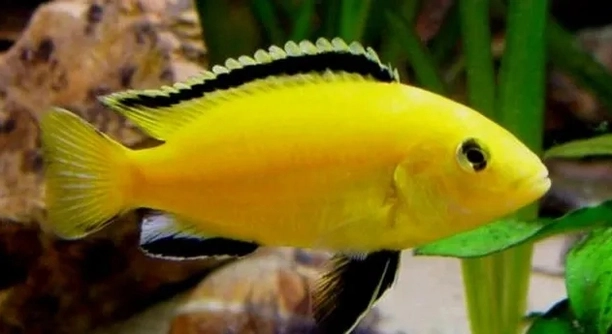
Many cichlid owners notice subtle changes in their fish after adjusting water volumes. Observing these behaviors can be both interesting and surprising. Small adjustments, like a 7-litre water change, often reveal unexpected patterns.
A 7-litre water change can influence cichlid behavior by altering water chemistry and territorial dynamics. Fish may exhibit increased activity, slight aggression, or changes in feeding patterns, reflecting their response to environmental shifts and adaptation to new conditions.
Monitoring these reactions is important for maintaining a balanced aquarium. Understanding them helps ensure your cichlids remain healthy and comfortable in their habitat.
Immediate Reactions After a 7-Litre Water Change
After performing a 7-litre water change, I often notice cichlids behaving differently within the first few hours. Some become more active, swimming around with renewed energy, while others retreat to corners, observing the altered environment carefully. The change in water volume slightly shifts the chemical balance, affecting pH and hardness levels. Even small shifts can trigger territorial instincts or stress responses in certain species. Feeding behavior also seems to adjust; fish that normally eat quickly may take longer, and some might avoid food briefly. Watching these subtle cues can help understand their tolerance to change. Consistent water changes help cichlids adapt over time, but the immediate reactions are always interesting. Some fish show visible fin flaring or chasing behaviors as they re-establish their territory. By keeping the environment stable and monitoring responses closely, stress can be minimized, and the tank remains healthy for all residents.
Immediate responses provide insight into cichlids’ stress levels and adaptability. Observing these behaviors ensures proper care after water changes.
Paying attention to these reactions helps predict long-term effects of water changes. Fish adjust over days, and understanding patterns supports better feeding, interaction, and overall health management. Tracking these changes can improve tank stability and prevent unnecessary stress for the cichlids.
Long-Term Behavioral Adjustments
Over several days, cichlids begin to adapt to the 7-litre water change. Initial skittishness gradually decreases, and fish resume regular swimming and feeding patterns. Territorial disputes may reduce as they settle back into familiar spaces. Water chemistry stabilizes, and behaviors become more consistent. Observing long-term adjustments helps understand each fish’s personality and tolerance.
Repeated 7-litre changes impact behavior differently depending on the species and individual fish. Some cichlids respond with minor aggression or hiding, while others show increased curiosity and exploration. Regular monitoring allows adjustments to feeding schedules or decoration placement to reduce stress. Over time, these water changes can improve overall tank hygiene and health, encouraging active swimming and social interaction. Fish begin to establish stable territories, and dominance hierarchies normalize. The slight environmental shift challenges their adaptability, which can strengthen immunity and resilience. Watching how each fish reacts over time reveals patterns in feeding, aggression, and social behavior. By keeping careful records, owners can predict responses to future water changes and maintain a balanced environment that supports growth, reproduction, and general well-being of the cichlids.
Signs of Stress After Water Changes
Cichlids sometimes show stress after a 7-litre water change. Common signs include hiding, fin clamping, and reduced activity. Some may refuse food or swim erratically. Monitoring these behaviors helps ensure they are adjusting and not experiencing prolonged stress.
Stress responses vary between species. Some cichlids react immediately, darting around the tank or flaring fins, while others simply retreat to corners. Water chemistry shifts, even small ones, can trigger these behaviors. Temperature changes, pH fluctuations, and altered mineral content all contribute. Keeping a consistent routine and observing reactions over several hours helps identify which fish need extra care. Stress may reduce gradually if the environment stabilizes.
Long-term stress can affect growth and health. Fish that remain withdrawn or refuse food may develop weakened immunity. Observing daily interactions and feeding patterns helps detect lingering issues. Adjusting water parameters slowly and ensuring hiding spots are available reduces tension. Recording reactions over multiple water changes makes it easier to predict behavior and maintain a balanced tank. Consistent care allows cichlids to regain normal activity and reduces the risk of chronic stress-related problems.
Feeding Behavior Shifts
After a 7-litre water change, feeding patterns often shift. Some fish become more cautious, nibbling slowly or skipping meals. Others show heightened appetite, eating faster than usual. Tracking these changes ensures proper nutrition and prevents overfeeding or underfeeding.
Feeding behavior adjustments occur as fish respond to new water conditions. Sudden changes in chemistry or temperature can make cichlids hesitant to eat immediately. Some individuals may explore the tank before approaching food, while dominant fish may guard feeding spots more aggressively. Maintaining a consistent feeding schedule and observing how each fish responds helps prevent conflicts and ensures all fish receive enough food. Over time, feeding routines can normalize as cichlids adapt to environmental shifts.
Long-term monitoring of feeding behavior is important. Fish that consistently eat less may require supplemental feeding or stress reduction strategies, such as adding plants or hiding spots. Aggressive behavior during feeding can indicate territory re-establishment and should be managed carefully. Watching interactions helps maintain harmony and ensures growth and health are not compromised. Adjusting feeding techniques based on observed behavior allows for a balanced diet and reduces stress, supporting overall well-being of the cichlids in the aquarium.
Territory and Space
Cichlids often adjust their territories after a 7-litre water change. Some fish may become more defensive, patrolling areas they consider theirs. Others explore previously ignored corners. Observing these shifts helps understand social hierarchies and maintain peace in the tank.
Changes in water can prompt reorganization of space. Dominant fish may assert control, while submissive individuals retreat temporarily. Providing sufficient hiding spots and visual barriers reduces tension and allows each fish to settle comfortably.
Interaction with Tank Mates
Social behavior can shift noticeably after a water change. Fish may chase, nudge, or display fin flaring more frequently. These interactions are usually temporary as they re-establish boundaries. Monitoring patterns ensures the tank remains balanced and prevents prolonged aggression.
Activity Levels
A 7-litre water change can influence swimming and exploration. Some fish increase movement, while others slow down temporarily. Observing activity helps detect stress or adaptation issues.
Environmental Awareness
Cichlids respond to subtle changes in their surroundings. Water clarity, decorations, and new water flow can all influence behavior. Awareness of these factors supports healthier interactions and adjustment.
FAQ
How often should I do a 7-litre water change for my cichlids?
A 7-litre water change can be done weekly for small to medium tanks, depending on bioload and tank size. Frequent changes help maintain water quality, reducing toxins and stabilizing pH. Observing fish behavior after each change helps determine if adjustments are needed.
Will a 7-litre water change stress my cichlids?
Some fish may show temporary stress, such as hiding, fin clamping, or reduced feeding. These behaviors usually subside within a few hours as they adjust. Providing hiding spots and keeping water parameters stable minimizes stress and supports smooth adaptation.
Do cichlids eat less after a water change?
It’s common for fish to eat less immediately after a water change. Changes in water chemistry or temperature may make them cautious. Feeding smaller amounts and maintaining a routine encourages them to resume normal eating patterns gradually.
Can a water change reduce aggression?
Yes, stable water conditions help reduce long-term aggression. Aggression often spikes temporarily as fish re-establish territories, but consistent water quality and proper space prevent prolonged disputes. Visual barriers and hiding spots can further ease conflicts between fish.
Should I adjust feeding after a water change?
Feeding should be slightly reduced immediately after a change if fish seem hesitant. Offering familiar foods in small portions prevents waste and stress. Once fish resume normal behavior, regular feeding amounts can continue without issue.
What signs indicate a cichlid is adapting well?
Fish that swim normally, feed regularly, and interact with tank mates are adjusting properly. Reduced hiding, resumed territorial behaviors, and curiosity about their surroundings show they are comfortable with the new conditions.
Can frequent 7-litre water changes harm cichlids?
Frequent, consistent water changes generally benefit cichlids, but sudden large changes in chemistry or temperature can be harmful. Gradual, measured changes help maintain balance without shocking the fish. Monitoring parameters like pH, ammonia, and nitrite is important.
Do all cichlid species react the same way?
No, reactions vary. Some species are more sensitive and show stress easily, while others are resilient. Observing individual behaviors helps tailor care and water change routines specific to the species in your tank.
How can I minimize stress during water changes?
Use dechlorinated water at the same temperature, add water slowly, and avoid sudden movements around the tank. Maintaining decorations and hiding spots in place helps fish feel secure while adjusting to the change.
Is it necessary to clean the substrate during a 7-litre change?
Cleaning the substrate during partial water changes is optional. Removing debris can improve water quality, but over-disturbing it may stress fish. Gentle vacuuming or siphoning small amounts of waste is usually sufficient for maintaining balance.
What should I do if a fish remains stressed after a change?
Provide extra hiding places, maintain stable water parameters, and monitor closely for illness. Stress should gradually reduce over a few days. If signs persist, testing water quality and evaluating tank conditions is essential to prevent health issues.
Do water changes affect breeding behavior?
Water changes can influence breeding readiness. Fresh, clean water often encourages spawning in some cichlid species. However, excessive changes or unstable conditions may delay or disrupt breeding. Maintaining consistent temperature and chemistry is key to supporting reproduction.
How long after a water change do cichlids usually settle?
Most cichlids adjust within a few hours to a day. Active fish resume normal swimming and feeding patterns quickly, while shy or subordinate fish may take longer. Observing their interactions and feeding behavior indicates when they are fully comfortable again.
Can 7-litre water changes improve tank clarity?
Yes, regular partial water changes remove suspended particles, excess nutrients, and dissolved waste, which improves water clarity. Clear water supports healthier behavior, encourages feeding, and reduces stress caused by murky conditions.
Are there signs I’m doing water changes incorrectly?
Visible stress, increased aggression, refusal to eat, or unusual swimming patterns may indicate improper water changes. Check temperature, pH, and chemical balance, and ensure changes are gradual and measured to prevent shocking the fish.
How does water chemistry impact behavior after a change?
Shifts in pH, hardness, or ammonia levels can cause temporary stress. Fish may hide, flare fins, or become lethargic. Maintaining stable water chemistry minimizes behavioral disruptions and supports overall health and social stability in the tank.
Is it necessary to observe every fish after a water change?
Yes, observing all individuals helps detect subtle changes in behavior or health. Some fish may hide or act differently, and early detection allows intervention before minor issues become serious problems.
Can water changes trigger new behaviors?
Yes, fish may explore new territories, interact differently with tank mates, or show altered feeding patterns. These behaviors are usually temporary and indicate the fish adapting to subtle environmental changes.
Do temperature fluctuations matter during a 7-litre change?
Yes, sudden temperature changes can stress fish. Water added should match the tank temperature closely to avoid shock. Consistent monitoring ensures a smooth adjustment and prevents health problems.
How do I track long-term behavior changes?
Keeping a simple journal of feeding, aggression, swimming patterns, and hiding habits after each water change helps identify trends. This record allows adjustments to care routines, improves well-being, and supports a healthy tank ecosystem over time.
Can a water change prevent disease?
Regular water changes reduce harmful bacteria, ammonia, and nitrate buildup, lowering disease risk. While they don’t eliminate all threats, maintaining clean water creates a healthier environment that supports immune system function in cichlids.
Should I treat tap water before adding it?
Yes, always use a water conditioner to remove chlorine, chloramine, and heavy metals. Proper treatment prevents stress and potential health issues, ensuring a safe environment for the fish.
Do hiding spots affect behavior after a water change?
Yes, sufficient hiding spots reduce stress and aggression. Fish use these areas to feel secure while adjusting to new water. Lack of shelter can increase tension and lead to prolonged stress or territorial conflicts.
How long should I wait between 7-litre water changes?
A week is generally sufficient for most tanks, though this depends on tank size, population, and water quality. Observing fish behavior and water parameters helps determine the optimal frequency for maintaining balance.
Is it necessary to aerate the water after a change?
Aeration helps maintain oxygen levels, especially in densely stocked tanks. Bubblers or filters increase water movement, supporting fish activity and reducing stress caused by lower dissolved oxygen after water changes.
Can water changes affect coloration?
Yes, stress from sudden or improper changes may temporarily dull colors. Once fish adapt and water quality stabilizes, colors usually return to normal, reflecting good health and reduced stress levels.
Do plants influence cichlid reactions to water changes?
Live plants provide cover, improve water quality, and buffer minor chemistry changes. Their presence can reduce stress, offer hiding spots, and encourage more natural behaviors after a water change.
Should I avoid feeding before a water change?
Feeding immediately before a change can increase waste in the water, affecting clarity and chemistry. It’s better to feed a few hours after the change once fish start adjusting.
Can partial water changes replace full tank cleanings?
Partial water changes maintain water quality and reduce buildup of harmful compounds, but occasional deep cleaning may still be necessary for substrate and decorations. Combining both approaches ensures a healthy, balanced tank environment.
How can I tell if the tank is balanced after changes?
Fish behavior, water clarity, and chemical readings indicate balance. Active fish, stable interactions, normal feeding, and consistent water parameters show that the environment is healthy and properly maintained.
Do water changes affect filtration efficiency?
Yes, water changes help filters perform better by reducing load from waste and debris. Cleaner water allows filters to maintain effective biological, mechanical, and chemical filtration, supporting overall tank stability.
What’s the best way to introduce new water?
Add water slowly and evenly across the tank to avoid disturbing fish. Using a siphon or gentle pouring reduces stress and helps fish acclimate quickly to the updated environment.
Can water changes influence breeding pairs?
Fresh water can encourage spawning behaviors, but consistent parameters are crucial. Sudden or extreme changes may inhibit breeding. Observing pair behavior and providing proper conditions supports reproductive activity.
How do I know if a 7-litre change is enough?
Monitor water parameters and fish behavior. If ammonia, nitrite, or nitrate levels remain high or fish show prolonged stress, adjustments to the volume or frequency of water changes may be necessary.
Should I change water during the day or night?
Daytime changes allow observation of reactions and feeding behavior afterward. Night changes may disturb fish less, but monitoring becomes difficult. Choose a time that allows careful observation and minimal stress.
Do cichlids recognize repeated water changes?
Yes, fish can adapt over time. Consistent, predictable changes reduce stress and help them adjust behavior more quickly with each session. Patterns in swimming, feeding, and interactions often stabilize after several cycles.
Are there any long-term risks to frequent 7-litre changes?
As long as changes are gradual, water is conditioned, and parameters remain stable, risks are minimal. Sudden or poorly managed changes can cause stress, aggression, or health problems, so careful attention is essential.
Can water changes improve overall tank hygiene?
Yes, removing waste and excess nutrients supports cleaner water, reduces algae growth, and promotes a healthier environment for both fish and plants. Regular maintenance keeps the tank visually appealing and biologically stable.
Do all fish react the same way after a water change?
Individual personalities, species, and social rank influence reactions. Some fish are bold and curious, while others are shy. Understanding these differences helps in managing stress and maintaining a balanced tank environment.
How long does it take for water chemistry to stabilize after a change?
Small changes usually stabilize within a few hours. Larger shifts may take a day or two. Monitoring pH, hardness, and other parameters ensures safe and comfortable conditions for cichlids.
Can partial water changes prevent algae growth?
Yes, removing excess nutrients limits algae growth. Regular partial changes, combined with proper lighting and plant management, help maintain a clear and healthy tank environment.
Should I remove decorations during a water change?
Not usually. Removing decorations can stress fish by altering their environment. Only clean decorations if necessary and do so gently to minimize disruption.
Do water changes affect schooling or group behavior?
Yes, minor adjustments can temporarily alter schooling patterns or social interactions. Fish may cluster differently or explore new areas until they readjust to the updated environment.
How important is water temperature consistency?
Temperature fluctuations can cause stress, affect feeding, and trigger aggression. Matching new water to the tank’s temperature is essential for smooth adaptation.
Can water changes improve fish longevity?
Maintaining clean, stable water reduces stress and disease risk, supporting overall health. Consistent partial changes contribute to longer, healthier lives for cichlids.
Do I need to adjust lighting during a water change?
Not necessarily, but keeping light conditions stable helps reduce stress. Sudden changes in brightness may startle fish, so gradual adjustments are best if lighting needs change.
How do I handle sensitive or shy cichlids?
Provide plenty of hiding spots, add water slowly, and minimize disturbances. Observing their behavior closely allows for tailored care and reduces prolonged stress.
Can water changes affect pH-sensitive species differently?
Yes, species with narrow pH tolerance may show stress or avoid certain areas temporarily. Monitoring water chemistry closely ensures these fish remain comfortable and healthy.
Is it okay to combine water changes with feeding?
It’s better to separate them. Feeding before a water change can increase waste, while feeding afterward allows fish to resume normal patterns and reduces stress during adjustment.
Do seasonal temperature changes affect water change routines?
Yes, seasonal variations may require adjusting water temperature more carefully. Gradual changes and consistent monitoring prevent shock and maintain stability.
Can a 7-litre water change help with cloudy water?
Yes, partial water replacement removes suspended particles and excess nutrients. Clearer water encourages normal feeding and behavior and reduces stress for cichlids.
Are there behavioral signs that a water change was successful?
Active swimming, normal feeding, reduced hiding, and balanced interactions indicate a positive outcome. Fish returning to regular routines reflect healthy adaptation to the new water conditions.
How can I make water changes less stressful for cichlids?
Use slow water addition, match temperature, maintain hiding spots, and minimize sudden movements. Consistency in routine helps fish adjust without prolonged stress or aggression.
Is monitoring necessary after every water change?
Yes, observing fish ensures early detection of stress or health issues. Monitoring behavior, feeding, and interactions helps maintain a stable and safe environment.
Do water changes affect juvenile and adult fish differently?
Juveniles may be more sensitive to changes, showing hiding or reduced feeding. Adults usually adjust faster, though individual personalities still influence responses. Careful observation supports both age groups effectively.
Can water changes help prevent ammonia spikes?
Yes, removing a portion of water reduces ammonia buildup and other waste compounds. Regular changes combined with proper filtration maintain a healthy environment.
Should I test water parameters after every change?
Testing helps ensure stability and safety, particularly in sensitive or heavily stocked tanks. Monitoring pH, ammonia, nitrite, and nitrate levels allows timely intervention if adjustments are needed.
Do water changes influence social hierarchies?
Yes, fish may re-establish territories or dominance rankings. Temporary aggression or chasing is common, but consistent conditions help normalize relationships over time.
Are there differences between morning and evening water changes?
Morning changes allow observation and feeding afterward. Evening changes may reduce disturbances but make monitoring harder. Choose a time that allows consistent care and observation.
Can water changes reduce disease transmission?
Partial water changes remove waste and bacteria, reducing the chance of illness. While they don’t eliminate all risks, they significantly improve tank hygiene and overall fish health.
Do water changes affect fish coloration permanently?
Temporary dulling can occur during stress, but colors usually return once fish adapt. Consistent water quality and minimal stress support vibrant, healthy coloration over time.
How do I know if my cichlids are stressed long-term?
Signs include prolonged hiding, refusal to eat, lethargy, or repeated fin clamping. Observing daily behavior and adjusting care helps mitigate long-term stress and maintain health.
Can partial water changes affect filter efficiency long-term?
Yes, regular changes prevent excess waste from overwhelming filters, ensuring they continue to operate effectively and maintain water quality for the tank.
Should I use tap water or bottled water?
Tap water is fine if properly conditioned to remove chlorine, chloramine, and metals. Bottled water is rarely necessary unless local water quality is poor or requires specific adjustments.
Do water changes influence mating behaviors long-term?
Stable, clean water encourages natural breeding behaviors. Sudden or extreme changes may inhibit reproduction, so maintaining consistent parameters supports healthy mating patterns.
Can frequent partial changes replace other maintenance tasks?
They help maintain water quality but don’t eliminate the need for occasional substrate cleaning, filter maintenance, and decoration care. Combining strategies ensures a healthy environment.
Are there behavioral differences in cichlids by age after changes?
Yes, juveniles often hide more and eat cautiously. Adults adapt faster but may temporarily increase aggression as they re-establish territories. Observation ensures proper care for both groups.
Do water changes influence oxygen levels significantly?
Partial changes refresh water and can improve oxygen availability, especially when combined with proper aeration. Adequate oxygen supports feeding, swimming, and general health.
How can I tell if the tank is properly balanced after changes?
Healthy behavior, normal feeding, stable interactions, and consistent water parameters indicate balance. Monitoring these factors ensures the environment remains safe and supportive.
Can water changes affect fish stress hormones?
Yes, sudden changes can elevate stress hormone levels, impacting feeding, behavior, and immunity. Gradual adjustments and stable conditions help minimize these effects and promote overall well-being.
Do hiding spots matter more after a water change?
Yes, hiding spots give fish security while adjusting to new water. They reduce stress, prevent aggression, and allow fish to regain confidence in the updated environment.
Can water changes trigger exploratory behavior?
Yes, fish may investigate previously ignored areas or interact differently with tank mates. This behavior reflects adaptation and curiosity in response to environmental changes.
Should I monitor water flow during changes?
Yes, sudden increases in flow can stress fish. Gradual water addition and careful filter adjustments prevent disturbance and support smooth adaptation.
Do water changes affect cichlid sleep patterns?
Minor changes may temporarily disrupt rest, but most fish adjust quickly. Maintaining consistent lighting and stable conditions supports normal sleep and activity cycles.
Can I use water additives during a 7-litre change?
Yes, conditioners or supplements can support health, but avoid overuse. Proper dosage ensures safety and prevents chemical imbalances that could stress the fish.
How important is consistency in water change routines?
Consistency reduces stress and helps fish predict environmental shifts. Regular, measured changes support stable behavior, feeding, and social interactions in the tank.
Do water changes influence algae growth long-term?
Yes, removing nutrients limits algae proliferation. Combined with proper lighting and maintenance, regular partial changes help maintain a clean, visually appealing tank.
Can water changes improve overall fish health?
Yes, cleaner water reduces toxins and stress, supporting immunity, feeding, and behavior. Consistent partial changes contribute significantly to long-term health and well-being of cichlids.
How do I handle aggressive fish during water changes?
Observe interactions closely, maintain hiding spots, and add water slowly. Temporary aggression is normal, but ensuring enough space and barriers prevents prolonged disputes.
Should I adjust water chemistry after every change?
Not always, but monitoring pH, hardness, and temperature ensures stability. Minor adjustments may be needed to maintain optimal conditions for sensitive species.
Can water changes influence tank microfauna?
Yes, partial changes reduce excess nutrients and waste, affecting beneficial bacteria and small invertebrates. Maintaining balance supports healthy biological filtration and overall tank health.
Do water changes affect filter media?
Regular changes prevent overloading, maintaining efficiency. They do not typically require additional media cleaning unless debris accumulates excessively.
Can water changes reduce nitrate levels effectively?
Yes, partial changes remove nitrates that accumulate from waste and uneaten food. Regular monitoring ensures levels remain safe for cichlids.
Do water changes affect water hardness long-term?
Partial changes with compatible water maintain stable hardness. Using water with drastically different hardness may affect chemistry, so matching source water is important.
How can I tell if a water change is too stressful?
Signs include prolonged hiding, erratic swimming
Caring for cichlids involves paying close attention to their environment, and water changes are an essential part of that care. A 7-litre water change, while not extreme, can still influence fish behavior in noticeable ways. Observing their reactions immediately after the change can provide insights into how well they are adapting. Some fish may become more active and explore areas of the tank they usually ignore, while others may retreat to hiding spots for a short time. These behaviors are usually temporary and indicate the fish are responding naturally to the slight alteration in their environment. By noticing patterns in activity, feeding, and social interactions, it becomes easier to anticipate and manage future water changes, keeping the tank balanced and the fish comfortable. Understanding how cichlids react to such changes also helps in identifying potential issues before they develop into larger problems, such as prolonged stress or territorial aggression.
Over the long term, consistent 7-litre water changes contribute to a stable and healthy aquarium. Fish gradually adjust to minor shifts in water chemistry, establishing predictable behaviors that make daily observation easier. Aggression and territorial disputes usually decrease once the fish have had time to settle, and feeding patterns return to normal. Maintaining proper water quality is important not only for behavior but also for overall health. Clean water helps prevent the buildup of harmful compounds like ammonia, nitrites, and nitrates, which can impact immune function and stress levels. Providing hiding spots and visual barriers further supports adaptation, reducing tension between fish and encouraging natural behaviors. Even small details, such as temperature consistency and gradual water replacement, play a role in making water changes less disruptive. Monitoring these factors over time allows you to create an environment that supports both the physical health and behavioral stability of your cichlids.
Ultimately, water changes are a routine but important part of cichlid care. Observing behavior before, during, and after changes gives valuable feedback about the tank’s condition and the fish’s well-being. Adjusting water parameters carefully and consistently ensures that fish can adapt without prolonged stress. By tracking feeding habits, activity levels, and social interactions, it becomes possible to maintain a balanced aquarium where cichlids feel secure and thrive. Even small partial changes, when performed thoughtfully, can have a significant impact on maintaining healthy water chemistry and supporting natural behaviors. With attention to detail and careful observation, cichlids can remain active, healthy, and comfortable, creating a more enjoyable and manageable aquarium experience for both the fish and the owner. This approach encourages long-term stability, helping fish live healthier, less stressful lives in their carefully maintained environment.

Hello,
If you enjoy the content that we create, please consider saying a "Thank You!" by leaving a tip.
Every little bit helps us continue crafting quality advice that supports the health, happiness, and well-being of pets around the world, for pets of all shapes, sizes, and species.
We really appreciate the kindness and support that you show us!