
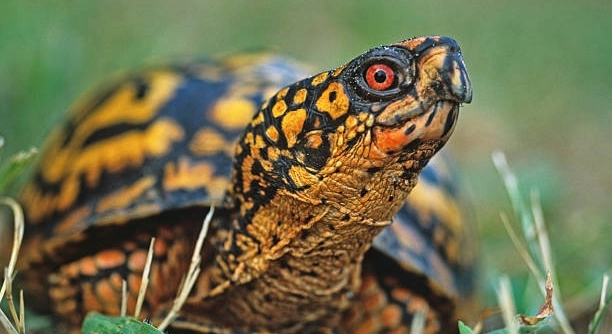
Habitats and environments play an essential role in shaping life on Earth. From the lush forests to the barren deserts, these spaces provide everything organisms need to thrive. Understanding how they work is key to comprehending the world around us.
A habitat is the natural environment where an organism lives, and its environment encompasses the conditions surrounding it. Factors such as climate, vegetation, and geographic location directly influence the organisms that can survive in specific habitats.
Exploring these factors will reveal how habitats affect living organisms and the delicate balance that sustains life within each environment.
The Importance of Habitats in Shaping Ecosystems
Habitats provide organisms with the essential elements they need to survive, such as food, water, shelter, and space. They help maintain ecological balance, supporting biodiversity. The structure of a habitat directly influences the types of organisms it can support. For example, forests provide shelter and food for a variety of species, while deserts have adapted life forms that thrive in dry conditions. Understanding these ecosystems helps us appreciate the complex interactions between plants, animals, and the environment. It also highlights the importance of protecting these areas from damage caused by human activity, such as deforestation and pollution.
Habitat preservation is vital for the survival of species and the health of our planet. By keeping habitats intact, we can ensure biodiversity continues to thrive and help maintain the natural systems that support life.
Through the years, as habitats change due to climate shifts or human intervention, species are forced to adapt, migrate, or face extinction. This can lead to imbalances that affect the entire ecosystem. Conservation efforts aim to protect these areas from degradation. The stability of a habitat ensures that species within it can continue to thrive, benefiting the entire environment.
Factors Affecting Habitat Health
Several factors impact the health of habitats, such as climate, pollution, and human development. Changes in weather patterns, often caused by climate change, can alter the availability of food and water for organisms. Additionally, habitat fragmentation, where large areas are divided into smaller sections, can limit species’ access to necessary resources, leading to population decline. Deforestation, pollution, and urban expansion further strain these ecosystems.
Preserving habitats requires a balance between development and conservation. Ensuring habitats remain functional means protecting the species that rely on them and maintaining the overall health of our environment. This is a responsibility we all share.
How Climate Change Alters Habitats
Climate change leads to rising temperatures, shifting rainfall patterns, and more extreme weather events, which directly impact habitats. These changes force species to adapt or relocate. In many cases, these organisms face a reduced ability to find food or shelter, making survival more challenging.
As ecosystems struggle to cope with the changing climate, some species may migrate to cooler or more stable environments, while others may face extinction. The loss of habitats, such as coral reefs and wetlands, affects many species. Increased temperatures cause these areas to degrade, reducing the resources available for local wildlife. Protecting these habitats is essential for preserving biodiversity.
Without proper intervention, many ecosystems may become uninhabitable for the species that currently rely on them. Protecting and restoring natural areas, especially those vulnerable to climate change, is crucial. This can be done through conservation efforts and efforts to mitigate climate impact.
Habitat Destruction from Human Activity
Human activity, including deforestation, pollution, and urbanization, contributes significantly to habitat destruction. As forests are cleared for agriculture or development, wildlife loses their homes and food sources. Pollution from chemicals, waste, and industrial processes further harms habitats and the organisms that live there.
The direct effects of habitat destruction can be seen in the decline of species populations. In some cases, entire ecosystems have been irreparably damaged, and species have been driven to extinction. Habitat fragmentation creates isolated pockets of habitat, making it harder for species to thrive. Preservation efforts, such as sustainable development practices, are necessary to prevent further destruction.
The Role of Conservation in Habitat Preservation
Conservation plays a key role in protecting habitats and the species that rely on them. By conserving natural areas, we help maintain biodiversity and ensure the stability of ecosystems. It’s vital to implement measures that reduce harm and support the recovery of damaged habitats.
Protected areas like national parks and wildlife reserves provide safe spaces for endangered species. These areas help maintain ecological balance by preventing over-exploitation of resources. Conservation efforts also include restoring degraded habitats, such as replanting forests or cleaning up polluted waterways. Every action taken to preserve these habitats supports a healthier planet.
The Impact of Invasive Species on Habitats
Invasive species can disrupt the balance of ecosystems by outcompeting native species for resources. When non-native plants, animals, or insects are introduced, they often have no natural predators and can rapidly spread, overwhelming native species. This shift in the balance threatens biodiversity.
Controlling invasive species is crucial to maintaining the health of natural habitats. Preventing the introduction of non-native species and managing their spread can help protect ecosystems. Efforts like monitoring and removing invasive species allow native plants and animals to thrive, contributing to healthier habitats.
Habitat Restoration Efforts
Restoring damaged habitats involves a range of activities aimed at bringing them back to a state where they can support life again. This may include replanting trees, removing pollutants, or reintroducing species that have been lost from the area. Habitat restoration can have long-term positive effects.
Restoration projects are often challenging and require significant resources, but they provide many benefits. Restoring wetlands can improve water quality, while reforesting areas can help absorb carbon dioxide and reduce erosion. These efforts create healthier environments for both wildlife and humans. By restoring habitats, we give ecosystems a chance to recover.
FAQ
What is a habitat?
A habitat is the natural environment where an organism lives. It provides everything a species needs to survive, such as food, water, shelter, and space. Habitats can be as small as a tree trunk or as large as an entire forest, and they vary greatly depending on the species living there.
How do different species adapt to their habitats?
Species adapt to their habitats in many ways. For instance, animals in cold environments develop thick fur or layers of fat to conserve heat. Plants in dry areas might develop deep roots to access water. These adaptations help organisms survive by enabling them to find food, stay safe, and thrive in their environment.
Why is habitat preservation important?
Preserving habitats is crucial for maintaining biodiversity. Healthy habitats support a variety of species, which contribute to the stability of ecosystems. Protecting these areas helps prevent species from going extinct and maintains the delicate balance that ensures ecosystems function well.
What happens when a habitat is destroyed?
When a habitat is destroyed, the species living there lose their food sources, shelter, and space. This often leads to population decline or extinction. The destruction of habitats also disrupts the natural balance of ecosystems, affecting all the organisms dependent on that habitat.
How do humans impact habitats?
Human activities such as deforestation, pollution, and urbanization often lead to habitat destruction. Clearing forests for agriculture, building cities, and using harmful chemicals can degrade natural environments. These actions reduce the availability of resources and disrupt ecosystems, making it harder for many species to survive.
What is the difference between a habitat and an ecosystem?
A habitat is the specific area where an organism lives, while an ecosystem refers to the entire environment, including both living organisms and their physical surroundings. An ecosystem includes the interactions between species and their habitat, including factors like climate, water, and soil.
What are some examples of habitats?
Examples of habitats include forests, deserts, grasslands, wetlands, and oceans. Each of these areas provides different conditions for various species to survive. For example, a forest habitat is home to many species of trees, animals, and insects, while a desert habitat supports drought-resistant plants and animals adapted to heat.
How does climate change affect habitats?
Climate change is causing habitats to shift, often making them inhospitable to species that depend on stable conditions. Rising temperatures, more frequent storms, and shifting rainfall patterns can alter habitats, forcing species to migrate or adapt. Some species may not survive these changes, leading to population declines.
Can habitats be restored after destruction?
Yes, habitats can be restored, although it is often a long and challenging process. Restoration efforts may involve planting trees, cleaning up polluted water, and reintroducing species. The goal is to return the habitat to a healthy state where it can once again support a diverse range of species.
What is habitat fragmentation?
Habitat fragmentation occurs when large, continuous habitats are broken up into smaller, isolated sections. This often happens due to human development, like roads or urbanization. Fragmentation can limit species’ access to food, mates, and resources, making it harder for populations to thrive.
Why are wetlands important for habitats?
Wetlands are crucial for maintaining healthy habitats because they support a wide variety of species, help filter water, and provide flood control. They are home to plants, animals, and insects that cannot survive in other environments. Wetlands also help maintain water quality by trapping pollutants and sediments.
What role do protected areas play in habitat conservation?
Protected areas like national parks, wildlife reserves, and marine sanctuaries provide safe spaces for species to live without the threat of development or exploitation. These areas allow ecosystems to thrive and can help endangered species recover. They are essential for preserving biodiversity and maintaining the balance of natural habitats.
How can I help preserve habitats?
You can help preserve habitats by supporting conservation organizations, reducing your carbon footprint, and being mindful of your consumption. Simple actions like planting native plants, reducing waste, and avoiding harmful chemicals in your yard can also make a difference. Additionally, advocating for habitat protection laws can contribute to larger-scale efforts.
What are the effects of invasive species on habitats?
Invasive species can upset the balance of an ecosystem by outcompeting native species for resources. They may have no natural predators, allowing them to spread quickly and dominate an area. This can lead to the decline or extinction of native species and disrupt the functioning of the habitat.
How can we control invasive species?
Controlling invasive species involves identifying and managing their spread. This can be done by removing them from affected areas, preventing new invasions, and restoring habitats to their natural state. Efforts include monitoring ecosystems, educating the public, and enforcing laws that restrict the introduction of non-native species.
What is the importance of biodiversity in a habitat?
Biodiversity is crucial for the health and stability of a habitat. A diverse range of species ensures that ecosystems are resilient to changes and can continue to provide essential services like pollination, water purification, and nutrient cycling. When biodiversity is reduced, habitats become more vulnerable to disruption.
Final Thoughts
Understanding the importance of habitats and their preservation is essential for maintaining the health of our planet. Habitats are the foundation for life on Earth, providing the necessary conditions for organisms to survive. From forests to wetlands, each habitat plays a unique role in supporting biodiversity and ensuring ecosystems function properly. As the natural world faces increasing challenges, it’s more important than ever to recognize the critical link between species and their environments.
While much progress has been made in conservation, there is still a long way to go. Habitat destruction, climate change, and invasive species continue to threaten ecosystems and the species that depend on them. Conservation efforts, such as creating protected areas, restoring damaged habitats, and reducing human impact, are crucial steps in reversing the damage done. However, these actions must be supported by individuals, communities, and governments to create lasting change. Every small step taken to preserve natural habitats contributes to the greater effort of protecting the environment for future generations.
Looking ahead, it’s clear that we must work together to protect and restore habitats worldwide. Each of us can play a role, whether through supporting conservation organizations, making eco-friendly choices, or advocating for policies that prioritize environmental protection. The preservation of habitats is not just about protecting wildlife; it’s also about securing a healthy future for ourselves. By caring for the habitats around us, we ensure a more sustainable world for all species, including humans.

Hello,
If you enjoy the content that we create, please consider saying a "Thank You!" by leaving a tip.
Every little bit helps us continue crafting quality advice that supports the health, happiness, and well-being of pets around the world, for pets of all shapes, sizes, and species.
We really appreciate the kindness and support that you show us!