
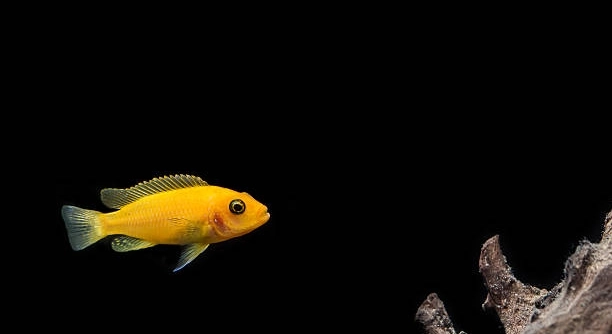
Do you ever notice your electric yellow cichlid floating near the bottom of the tank more than usual, moving slowly, or seeming uninterested in swimming around? These behaviors can leave you wondering if something is wrong with your fish.
Electric yellow cichlids naturally have periods of low activity and rest, which is normal behavior. Occasional laziness does not necessarily indicate illness, though consistent lethargy accompanied by other signs may require water quality checks or veterinary attention.
Understanding your cichlid’s habits can help you distinguish normal rest from potential health concerns, ensuring your fish stays happy and active in its environment.
Understanding Lazy Behavior in Electric Yellow Cichlids
Electric yellow cichlids often display what looks like lazy behavior, but much of it is perfectly normal. These fish have natural periods of rest where they float near the bottom or remain in one spot. During these moments, they may barely move or show limited interest in food. Observing your cichlid throughout the day will help you recognize its usual activity pattern. Sometimes, water temperature or tank setup can affect their energy levels. Cooler water can slow metabolism, making them appear sluggish, while a crowded tank or lack of hiding spots can increase stress, causing temporary inactivity. Feeding routines can also play a role; after meals, cichlids often rest to digest. Spotting the difference between normal rest and signs of illness is key. By paying attention to subtle changes in behavior, you can keep your cichlid healthy and content, ensuring it enjoys its environment without unnecessary stress or interference.
Normal rest periods help maintain the fish’s metabolism and reduce stress, contributing to long-term health and stable behavior.
Keeping an eye on your cichlid’s daily habits helps you respond to any changes. Noticing shifts in activity, appetite, or swimming patterns can signal if something needs attention. Consistent observation allows for adjustments in tank conditions, diet, or water quality, keeping the fish comfortable.
Signs That Laziness May Indicate a Problem
Occasional lethargy is normal, but sudden prolonged inactivity should not be ignored.
Changes in swimming behavior, loss of appetite, rapid breathing, clamped fins, or unusual spots on the body can indicate illness or stress. Water quality issues such as ammonia spikes, pH imbalance, or low oxygen levels often trigger these behaviors. Infections, parasites, or internal problems can also reduce activity. Regular water testing and tank maintenance are essential to prevent these issues. Observing social interactions within the tank is important, as aggression from other fish can cause hiding and apparent laziness. Temperature fluctuations can further stress fish, so maintaining stable conditions is critical. Early detection of abnormal behavior allows timely intervention, whether through adjusting the environment, changing feeding routines, or consulting a veterinarian. By recognizing these warning signs, you ensure your electric yellow cichlid receives the proper care needed for health and vitality, preventing small issues from becoming serious problems.
Tank Conditions and Their Impact
Maintaining stable tank conditions is essential for cichlid activity. Water temperature, pH, and cleanliness all affect energy levels. Slight fluctuations can make your fish appear lazy. Proper filtration and regular water changes prevent buildup of harmful substances that can stress the fish.
Consistent temperature helps electric yellow cichlids stay active. Ideally, the water should be kept between 74 and 80 degrees Fahrenheit. Sudden changes can slow metabolism, causing prolonged resting periods. pH should remain between 7.8 and 8.6 to mimic natural conditions. Dirty water increases stress and encourages disease, which often results in lethargy. Using a reliable filter, testing water weekly, and performing partial water changes helps maintain a healthy environment. Decorations and hiding spots also matter, as overcrowded or barren tanks can reduce movement and make the fish seem lazy.
Feeding routines influence activity too. Overfeeding can make cichlids sluggish, while irregular feeding may lead to skittish or anxious behavior. Offering small, frequent meals keeps energy stable. Foods rich in protein, like pellets or frozen foods, encourage swimming and exploration. Avoid uneaten food, as it pollutes the tank, affecting both water quality and fish health. Observing how your cichlid responds to feeding patterns provides insight into its behavior, helping you adjust routines for a more active and content fish.
Social Dynamics in the Tank
Cichlids often adjust activity based on tank mates. Aggression or dominance can lead some fish to hide or remain inactive, appearing lazy.
Introducing new fish can disrupt established hierarchies. Electric yellow cichlids are territorial, and a stressed fish may reduce movement to avoid confrontation. Providing adequate space and hiding spots minimizes stress and encourages natural swimming behavior. Observing interactions closely is important; occasional chasing is normal, but constant bullying can affect appetite and health. Rearranging decorations or adding barriers can help subordinate fish feel secure. Social stress is often overlooked but plays a major role in activity levels. Adjusting tank population and layout ensures all fish maintain healthy energy and behavior patterns.
Diet and Activity Levels
A balanced diet directly affects your cichlid’s energy. Lack of proper nutrition can make them appear lazy. Offering varied food ensures they get essential vitamins and proteins to stay active.
Overfeeding may also reduce movement. Uneaten food can pollute the tank and stress the fish, making them less lively.
Water Quality Maintenance
Regular water testing and cleaning are critical. Ammonia, nitrite, and nitrate levels should remain low to prevent stress. Clean water supports healthy activity, reduces disease risk, and keeps cichlids comfortable. Consistent maintenance encourages normal behavior and prevents prolonged lethargy.
Observing Behavior Patterns
Tracking your fish’s daily routine helps identify what’s normal. Noting feeding, swimming, and resting patterns allows you to detect early signs of health issues or stress. Understanding these habits makes it easier to maintain a suitable environment.
Environmental Enrichment
Adding rocks, plants, and hiding spots stimulates natural behavior. A dynamic tank keeps cichlids exploring and reduces excessive resting or inactivity.
FAQ
Why does my electric yellow cichlid seem lazy in the morning?
Cichlids are naturally less active at certain times of the day. Morning inactivity is often normal, as they may be digesting food or adjusting to light changes. Observing them over a few days helps determine if it’s typical behavior or a sign of stress.
Could water temperature be making my cichlid sluggish?
Yes. Electric yellow cichlids prefer water between 74 and 80 degrees Fahrenheit. Cooler water slows metabolism, causing reduced movement. Using a reliable heater and monitoring the temperature regularly ensures your fish stays active and healthy.
How does diet affect my fish’s energy?
A poor diet can make cichlids appear lazy. They need a mix of high-quality pellets, occasional frozen or live foods, and proper portion sizes. Overfeeding can cause lethargy, while underfeeding reduces energy. Feeding smaller, frequent meals supports normal swimming and activity.
Is hiding behavior a sign of laziness or stress?
Hiding is often normal, especially if your tank has decorations and plants. However, if a fish hides excessively or avoids other fish, it may be stressed due to aggression, overcrowding, or environmental issues. Adjusting tank layout or population can improve confidence and activity.
Can tank size influence laziness?
Yes. Electric yellow cichlids need enough space to swim freely. A small or overcrowded tank restricts movement, increases stress, and may make fish appear lazy. Providing adequate swimming areas and reducing crowding promotes natural activity.
Are water quality issues linked to inactivity?
Absolutely. High ammonia, nitrite, or nitrate levels can stress fish, making them lethargic. Regular water testing, partial water changes, and proper filtration are necessary to maintain optimal water quality and support normal behavior.
Do cichlids rest after eating?
Yes. After meals, cichlids often rest to digest food. This behavior is normal, especially if it lasts for a short period. Resting helps maintain metabolism and prevents overexertion in a controlled tank environment.
Could illness be causing laziness?
Prolonged inactivity, loss of appetite, clamped fins, rapid breathing, or unusual spots may indicate illness. Early intervention is key. Check water quality, adjust diet, and consult a veterinarian if symptoms persist to prevent serious health issues.
How can I tell normal resting from problematic behavior?
Normal resting is brief, predictable, and does not affect appetite or social interaction. Problematic behavior includes persistent hiding, irregular swimming, or visible physical symptoms. Keeping notes on daily patterns helps differentiate typical rest from health concerns.
Do tank mates affect activity levels?
Yes. Aggressive or territorial fish can stress cichlids, causing them to hide or move less. Providing hiding spots, rearranging tank decorations, or adjusting the number of fish can reduce stress and encourage normal swimming behavior.
Will adding enrichment increase activity?
Adding rocks, plants, or other hiding spots stimulates exploration. Enrichment encourages natural behavior, reduces stress, and helps prevent prolonged inactivity, making your electric yellow cichlid more engaged with its environment.
How often should I monitor my cichlid’s behavior?
Daily observation is ideal. Watching feeding, swimming, and resting patterns helps detect subtle changes early. Noticing shifts in activity allows timely adjustments to diet, tank conditions, or social setup, keeping your fish healthy and active.
Can light levels impact activity?
Yes. Sudden bright lights or irregular lighting schedules may make cichlids inactive. Maintaining a consistent day-night cycle simulates natural conditions and supports regular swimming and feeding habits.
What role does stress play in inactivity?
Stress from overcrowding, aggression, poor water quality, or sudden changes reduces activity. Addressing environmental factors and ensuring a stable tank routine helps minimize stress and promotes normal energy levels.
Are some cichlids naturally less active than others?
Individual personality and age affect activity. Younger or more adventurous fish may swim constantly, while older or naturally calm cichlids rest more often. Recognizing these differences helps distinguish normal behavior from potential health concerns.
How long is too long for a fish to appear lazy?
Short rest periods are normal. However, prolonged inactivity lasting several days, especially with other symptoms like loss of appetite or abnormal swimming, requires investigation. Checking water, diet, and tank dynamics can identify causes and prevent health problems.
What immediate steps should I take if my fish becomes unusually inactive?
First, test water quality for temperature, pH, and toxin levels. Check feeding routines and observe interactions with tank mates. Make small adjustments, like adding hiding spots or reducing overcrowding. If inactivity persists, consult a veterinarian experienced with freshwater fish.
Can temperature fluctuations cause sudden laziness?
Yes. Rapid changes in water temperature stress cichlids, slowing metabolism and movement. Using a heater and monitoring daily prevents fluctuations and helps maintain consistent energy levels in the tank.
Is it normal for cichlids to rest at the bottom?
Yes. Resting near the bottom or among decorations is natural behavior, especially during low activity periods. Occasional bottom resting is not a sign of illness unless accompanied by other concerning symptoms.
Do all electric yellow cichlids behave the same way?
No. Individual differences, tank conditions, and social dynamics create variations in activity levels. Observing your fish over time provides a clear understanding of what is normal for its behavior, feeding, and interaction patterns.
Electric yellow cichlids are fascinating fish with unique personalities and behaviors. Observing them closely can help you understand what is normal and what may signal a problem. Laziness in these fish is often just a natural part of their routine. Like many animals, they have periods of rest where they move slowly or stay in one spot. This does not always indicate illness or poor care. Paying attention to patterns in their activity, such as how long they rest and when they swim actively, is essential. Fish, like people, have variations in energy depending on age, personality, and their environment. Accepting that some periods of inactivity are normal allows you to better distinguish between ordinary behavior and genuine concerns that require action.
Maintaining proper tank conditions is one of the most important factors in supporting healthy activity levels. Temperature, water quality, and tank layout all directly affect energy and behavior. Stable water temperature helps maintain metabolism, while clean water reduces stress and lowers the risk of disease. Adequate space and appropriate hiding spots prevent aggression and encourage natural movement. Even simple changes, like rearranging decorations or adding plants, can have a noticeable impact on your cichlid’s behavior. Feeding routines also play a role in activity. Balanced, high-quality food and controlled portions support energy, while overfeeding or irregular feeding can lead to lethargy. Watching how your fish responds to its environment helps you make informed adjustments that improve both its health and its daily activity.
Finally, observing social dynamics and behavioral patterns is key to understanding your electric yellow cichlid. Aggressive or territorial tank mates can cause stress, resulting in hiding or reduced movement. Providing adequate space and monitoring interactions ensures all fish feel safe and confident. Keeping notes on daily behavior, such as feeding habits, swimming activity, and resting periods, makes it easier to identify abnormal changes early. Early detection allows timely adjustments to water, diet, or tank setup, preventing small issues from turning into serious health problems. Recognizing natural rest periods, understanding environmental influences, and monitoring social interactions all work together to maintain a healthy, happy cichlid. With patience and careful observation, you can ensure your fish thrives while exhibiting its normal, natural behavior patterns.

Hello,
If you enjoy the content that we create, please consider saying a "Thank You!" by leaving a tip.
Every little bit helps us continue crafting quality advice that supports the health, happiness, and well-being of pets around the world, for pets of all shapes, sizes, and species.
We really appreciate the kindness and support that you show us!