
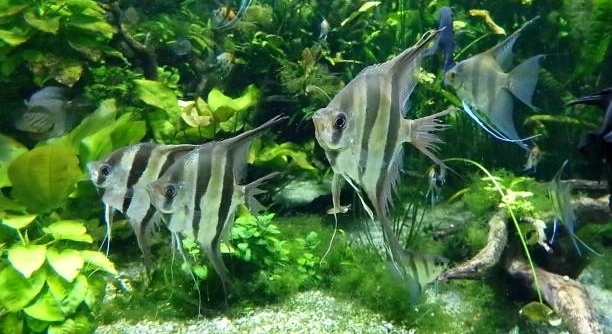
Angelfish are popular aquarium fish, often prized for their graceful movements and striking appearance. However, understanding whether they have formed a bond with their owners can be a bit tricky.
Angelfish show affection through specific behaviors such as following their owners, swimming near the glass, or responding to your presence. These actions indicate comfort and a degree of attachment, reflecting trust and familiarity in their environment.
There are many subtle signs to look for in your angelfish’s behavior. Understanding these clues will help you see whether your fish is comfortable and perhaps even fond of you.
Following You Around
One of the first signs that your angelfish might like you is if it consistently follows your movements. When you approach the tank, it swims closer to the glass and stays nearby. This behavior shows that your fish is interested in you and feels secure enough to interact. If your angelfish seems to track you as you walk around the room, it’s a clear indication that it recognizes you and feels safe in your presence. These fish can become accustomed to routines, and if they see you regularly, they may grow comfortable with your presence.
Fish typically rely on their instincts and environment, so the act of following you suggests a positive bond. Angelfish may also begin to associate you with feeding time, which can reinforce this behavior. Over time, the bond between you and your fish can grow, and they may even anticipate your movements or gestures.
This behavior signals that your angelfish is alert to you, learning to trust you, and views you as part of its regular environment.
Reactive to Your Presence
Angelfish may also react more to your presence over time. If your fish swims eagerly to the surface when you come near, it indicates comfort. It’s an indication they might recognize you as their food provider or simply enjoy being in your company.
Swimming to You
If your angelfish swims towards you when you approach, it’s a good sign. This is especially noticeable when the fish moves away from its usual hiding spots and meets you at the tank’s edge. The behavior shows interest and possibly recognition of you as a source of food or companionship.
When your angelfish eagerly swims towards you, it may be trying to interact or simply curious about your presence. Over time, it may begin to associate you with feeding time, which encourages this behavior. The more comfortable and secure the fish feels in its environment, the more likely it is to approach you when you enter the room. This interaction signifies trust and an emerging bond.
Angelfish that swim towards you instead of hiding in corners show they are adapting to their surroundings and growing more accustomed to human presence. This could mean that they are recognizing you and associating you with something positive, like food or care.
Playful or Aggressive Behavior
Angelfish can display playful behavior as well. This might include darting back and forth in the tank or creating bubbles with their mouths. If your angelfish seems active and interested in moving around the tank when you’re present, it could indicate they are comfortable enough to engage in playful swimming patterns. However, you may also see some territorial behavior. If your fish displays aggression towards other tank mates when you approach, this can be a sign of its desire to protect its space. This reaction might not be related to affection but shows a clear awareness of your presence.
Pay attention to the way your angelfish behaves when it’s in the tank alone versus when you’re there. If it becomes more playful or interactive when you’re around, it’s a positive sign. On the other hand, if it seems aggressive, it could be a sign of territoriality rather than affection. Either way, the fish’s behavior is affected by your presence, showing its reaction to you.
Staying Near the Surface
Angelfish that spend more time near the surface of the tank when you are around could be showing comfort. This behavior is often tied to the fish feeling secure in its environment, especially if the surface area is where the fish can interact with you more easily.
When your angelfish stays near the surface, it might be expecting food or simply observing you. Fish that enjoy your company or feel comfortable often hang out near the top where they can see and respond to you. Over time, this behavior can become more common.
Angelfish that actively stay near the surface when you approach are often familiar with you and may have developed a certain level of trust. If this is a change from their usual behavior, it could be a sign that your fish is more comfortable with your presence.
Responding to Food
If your angelfish becomes noticeably more active when food is introduced, it indicates they’ve learned to associate you with a source of nutrition. This behavior can show a strong connection between the fish and its caretaker, as the fish recognizes you as the one who provides for its needs.
The excitement around feeding time is an indicator that the angelfish trusts you to care for it. They may swim eagerly toward the food, actively interacting with you when the feeding process begins. This is a sign of recognition and a positive relationship with you.
Calm During Maintenance
Angelfish that remain calm during tank maintenance show a high level of comfort and familiarity with their environment. When you clean or adjust the tank, if your fish stays active and not overly stressed, it’s a sign that it has adjusted to your presence and the routine.
FAQ
How can I tell if my angelfish recognizes me?
Angelfish often recognize their owners by sight. If your fish swims toward you when you approach the tank or becomes active when it sees you, it’s a sign it might recognize you. This behavior shows that your angelfish is aware of your presence and feels comfortable enough to interact. Over time, your fish might even learn to associate you with feeding time, making the behavior more noticeable. They might also swim around excitedly when you’re near, further indicating recognition. If your angelfish is calm and doesn’t hide when you enter the room, it’s a positive sign that it has grown used to you.
Do angelfish get attached to their owners?
Yes, angelfish can get attached to their owners over time. While they are not as expressive as some other pets, they can form bonds with their caretakers. If your angelfish follows your movements, interacts with you during feeding time, or stays near you, it shows a level of attachment. Fish are sensitive to their environment, and when they feel safe, they become more accustomed to your presence. A fish that consistently reacts to you in these ways is likely forming a bond based on trust and routine. It’s important to note that attachment might not be as obvious as with mammals, but the signs are still there.
How do I make my angelfish like me more?
Building a connection with your angelfish takes patience and consistency. The first step is ensuring that their tank is well-maintained, as fish tend to be more comfortable in clean, stable environments. Try feeding them regularly at the same time each day, as they will start to associate you with food. Also, spend time near the tank and interact with your fish by moving slowly so you don’t startle them. Over time, they will become accustomed to your presence. Avoid sudden movements or loud noises, as this can cause stress and make your fish more wary.
Is it normal for my angelfish to ignore me?
Yes, it’s normal for angelfish to ignore you sometimes, especially if they are still adjusting to their new environment or have just been introduced to the tank. Some fish take longer to get used to their owners and may initially be shy or reserved. Angelfish can also be more focused on their surroundings or tank mates, which might make them less responsive. However, if your fish consistently avoids interaction, it could indicate stress or discomfort with the environment. Ensure the water parameters are stable, and consider whether there are any stressors in the tank, such as other aggressive fish or excessive noise.
Why does my angelfish swim away from me?
If your angelfish swims away when you approach, it could be due to fear or stress. Some angelfish are naturally more skittish and may feel threatened by sudden movements or unfamiliar changes in their environment. It’s important to give your fish time to adjust, especially if it’s a new addition to your tank. However, if your fish consistently swims away and avoids interaction, there might be something wrong with the water conditions, or it could be stressed by tank mates. Ensure that the water is clean and stable, and avoid sudden disturbances in the tank.
Can angelfish show affection?
While angelfish are not as outwardly affectionate as some pets, they do show signs of attachment and comfort. They might follow your movements, swim near the glass when you approach, or become excited when it’s feeding time. These behaviors suggest that the angelfish recognizes you and feels comfortable around you. Angelfish may also engage in playful swimming patterns or seem to watch you from a distance, which can be interpreted as a form of affection. While the bond is different from that of more interactive pets, it’s clear that angelfish can develop a relationship with their owners over time.
Do angelfish get stressed easily?
Yes, angelfish can get stressed quite easily, especially if they are not comfortable in their environment. Stress in angelfish can result from poor water quality, overcrowding, incompatible tank mates, or sudden changes in the tank. When stressed, angelfish may exhibit behaviors like hiding, refusing to eat, or swimming erratically. To reduce stress, ensure the tank is well-maintained, with stable water parameters and plenty of hiding spots. Additionally, avoid making sudden movements near the tank and try to maintain a peaceful environment with other compatible fish. If stress continues, it could impact the health of your fish.
Why does my angelfish follow me around the tank?
If your angelfish follows you around the tank, it’s a good sign that it’s comfortable with your presence. Fish often follow movements, especially when they associate the person with feeding or care. Over time, as the fish gets used to you, it may start to swim closer to the glass whenever you are nearby. This behavior can also indicate curiosity or a desire for attention. Angelfish are intelligent and learn quickly, so if they see you frequently and are fed by you, they may start to anticipate your movements and follow you around as a sign of recognition.
Can angelfish live happily alone?
Angelfish can live alone, but they may benefit from having tank mates. In the wild, angelfish are often found in groups, so they tend to be social creatures. If kept alone, they may show signs of loneliness, such as becoming less active or spending more time hiding. However, some angelfish are perfectly content by themselves, especially if they have enough space, stimulation, and interaction with their owner. If you plan to keep an angelfish alone, ensure that their tank is large enough, and try to spend time near the tank to help prevent loneliness. If you do have other fish, make sure they are compatible to avoid aggression.
Why does my angelfish swim in circles?
Swimming in circles can be a sign of either curiosity or stress. If your angelfish is constantly swimming in circles, it might be due to boredom or a lack of stimulation in the tank. Adding more hiding spots or plants can help alleviate this behavior. On the other hand, if the swimming is erratic or excessive, it could indicate stress caused by poor water quality, an illness, or aggressive tank mates. Check your tank conditions and ensure your fish has enough space to move around comfortably. If the behavior continues, consider consulting a vet or aquarium expert.
Final Thoughts
Understanding whether your angelfish likes you involves paying attention to their behavior. While they may not show affection in the same way a dog or cat might, they do have ways of indicating comfort and trust. If your angelfish follows you around the tank, reacts positively when you approach, or becomes more active during feeding, these are signs they recognize and feel secure with you. Fish are creatures of habit, and as they become familiar with your routine, they may show more signs of attachment over time. It’s important to be patient and allow the bond to grow gradually, as fish take time to adjust to their environment and their owners.
Providing a stable and comfortable environment is key to gaining your angelfish’s trust. They thrive in tanks with consistent water quality, appropriate tank mates, and enough space to swim freely. If your fish seems to be avoiding you or behaving erratically, it might be an indication of stress, poor water conditions, or an unhealthy environment. Regular maintenance and ensuring that your fish feels safe are crucial factors in fostering a positive relationship. When your angelfish feels at ease, it’s more likely to interact with you, whether through swimming near the surface or responding to your movements.
In conclusion, while angelfish may not form bonds as visibly as some other pets, they are capable of developing familiarity and comfort with their owners. By recognizing their behavior and providing a supportive environment, you can build a relationship based on trust. Keep in mind that every fish is different, and some may take longer than others to show signs of attachment. As long as you remain patient and attentive to their needs, you’ll likely notice your angelfish becoming more responsive to you over time.

Hello,
If you enjoy the content that we create, please consider saying a "Thank You!" by leaving a tip.
Every little bit helps us continue crafting quality advice that supports the health, happiness, and well-being of pets around the world, for pets of all shapes, sizes, and species.
We really appreciate the kindness and support that you show us!