
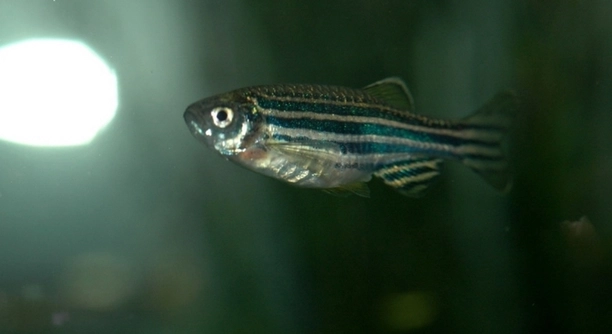
Have you ever set up a new aquarium and noticed your zebra danios behaving differently once things were moved around or changed?
Zebra danios are capable of remembering their tank setup. Research shows they can learn and recall spatial environments, using landmarks to navigate. This behavior supports the idea that memory plays a role in their routine swimming patterns.
Learning how memory influences their behavior can help you create a more comfortable and enriching environment for your zebra danios.
How Memory Affects Zebra Danio Behavior
Zebra danios are small, active fish that rely on their environment for structure and routine. When placed in a familiar tank setup, they often swim predictable routes and return to known hiding spots. If the layout is changed, they may appear confused or hesitant, exploring the space more cautiously until they reorient themselves. This behavior shows how memory influences their actions. Over time, they can adapt and form new patterns once the setup becomes familiar again. Their ability to remember helps reduce stress, as it allows them to anticipate where food is located and where they feel safe.
Zebra danios do not rely on instinct alone. They learn from their environment and adjust to changes based on experience.
When observing their behavior after a change, it becomes clear how memory plays a role. Repeated visits to the same corner or checking a previously used space show how they process past information.
Setting Up a Consistent Tank Environment
Maintaining a stable layout supports your zebra danios’ sense of security. A consistent environment allows them to feel more at ease, promoting better health and stronger routines.
Use decorations like plants, caves, and rocks to create landmarks in the tank. These help your zebra danios form spatial memories. Avoid moving everything at once, especially if they’ve been in the same setup for a while. Gradual changes are easier for them to adapt to. Keep feeding areas in the same location, and ensure there’s enough space for free swimming. Lighting also plays a role—sudden changes can startle them. A timer helps maintain regular day and night cycles. If you need to clean or rearrange, try to return items to their original spots when possible. Watching how they respond to even small adjustments can help you understand their preferences and habits better. Respecting their memory-based behavior creates a low-stress environment that allows them to thrive.
Recognizing Signs of Memory in Danios
Zebra danios often return to the same areas during feeding and rest. If objects are moved, they may pause or avoid certain spots until they adjust. These patterns reflect learned behaviors linked to memory.
When you rearrange the tank, you might notice your zebra danios swimming slower or hovering in one area for longer than usual. This is a sign they’re trying to figure out the new layout. Over time, they’ll start to develop new paths and routines. Some will even return to where food used to be, expecting it to appear. Watching for this behavior helps confirm they’re not just reacting randomly. These responses show that memory helps them interact with their surroundings in a structured way.
Behavior such as checking known hiding places or circling a former feeding zone means they’re drawing from previous experience. It’s a quiet, but noticeable way memory guides their actions. Subtle changes in movement and spacing around the tank can be linked to how familiar or unfamiliar things feel to them. By recognizing these moments, you can better understand their comfort level and whether they’ve fully adjusted to their environment again. Memory plays a bigger role in their daily patterns than it may seem at first.
Helping Danios Adjust After Tank Changes
When you change the tank layout, your zebra danios may need time to adapt. They will explore slowly, test boundaries, and gradually rebuild routines. Keep the tank calm and consistent while they reorient themselves.
If you notice your zebra danios acting stressed or hiding more after changes, it helps to minimize noise and avoid additional disruptions. Let them explore at their own pace without interference. Continue feeding at the same time and location, and avoid adjusting water conditions too frequently during this period. Offering a familiar decoration or hiding spot from the previous layout can help bridge the transition. You can also watch their swimming patterns to check if they’re resuming old habits or creating new ones. This process doesn’t take long, but patience matters. A stable environment, both visually and physically, helps them regain their sense of place and security in the tank.
How Long It Takes for Danios to Adjust
Zebra danios usually take a few days to adjust to a new setup. During this time, they might explore less and stick to the edges of the tank. Their activity picks up as they become more familiar with the new layout.
You may see them return to routines like swimming in loops or gathering near their usual feeding area. These behaviors signal that they’re settling in. If the tank stays consistent, their stress levels drop and normal activity returns. Watch for steady swimming and feeding as signs they’ve fully adjusted.
When Memory Supports Group Behavior
Zebra danios often swim in groups, and memory helps them follow each other smoothly. When one finds a safe path or spot, the others quickly mimic it. This shared behavior creates a rhythm in the tank. Familiar routes and spots become part of their group routine and reduce confusion.
What to Avoid During Setup Changes
Avoid moving everything at once or changing lighting patterns too often. Sudden adjustments can increase stress and delay how quickly they adapt. Keep some familiar elements to help them feel secure.
FAQ
How can I help my zebra danios adjust after a major tank change?
To help your zebra danios adjust after a major tank change, try to keep things calm. Avoid adding new decorations or adjusting the water conditions too much during this time. Allow them to explore at their own pace and don’t force any interaction. Gradually return old items to the tank to help them feel more comfortable. If possible, keep the feeding areas the same, as consistency is important for their memory. Keep the tank lights on a regular schedule, as changes in light can increase stress. Monitor their behavior closely during this period.
Can zebra danios recognize their owners?
Zebra danios do not have complex recognition abilities like some other pets, but they can associate you with feeding times. They may swim to the front of the tank when they see you, especially if they’ve learned that you’re the source of food. This response isn’t an emotional bond but rather a learned behavior based on the association with food and regular routines.
Do zebra danios need a lot of space to thrive?
Zebra danios do not require large tanks, but they do appreciate space to swim freely. A 10-gallon tank is typically sufficient for a small group of them. It’s important to provide enough swimming room, as they are active swimmers. Overcrowding can increase stress levels and lead to poor health. Keep in mind that zebra danios thrive in groups, so having at least five or six together is ideal. This also helps reduce aggression among them.
How can I tell if my zebra danios are stressed?
Stressed zebra danios will exhibit several signs. They might swim erratically or remain in one area of the tank, not exploring as usual. Some may also display signs of rapid gill movement or rest at the bottom. Loss of appetite, hiding, or aggression towards tank mates are also signs of stress. If you notice these behaviors, check for issues such as poor water quality, overcrowding, or changes in the tank environment. Keeping the tank consistent and clean can reduce stress.
Do zebra danios prefer planted tanks?
Zebra danios do well in planted tanks. Plants provide hiding spots and enrich the tank environment. However, they do not require plants to thrive. The key is creating a well-maintained environment with open swimming areas and enough cover to reduce stress. A mix of plants and decorations works best, giving them room to swim freely while offering shelter when needed.
How often should I feed my zebra danios?
Zebra danios should be fed once or twice a day. They are small fish and do not require large portions. A balanced, high-quality fish food is essential for their health. Overfeeding can lead to water quality issues, which in turn can cause stress. Make sure to remove any uneaten food to prevent contamination. Additionally, you can occasionally provide them with live or frozen foods to mimic their natural diet, like brine shrimp or daphnia.
Do zebra danios get along with other fish?
Yes, zebra danios are generally peaceful and can coexist with a variety of other small, non-aggressive fish. However, they might not be compatible with very aggressive species, as zebra danios are fast swimmers and can be stressed by more territorial fish. Ideal tank mates include other peaceful species like guppies, tetras, or corydoras catfish. It’s important to ensure enough space and hiding spots to reduce territorial behavior.
Can zebra danios live with bettas?
Zebra danios can live with bettas, but caution is needed. Bettas are known for their aggressive behavior, especially towards other fish with flowing fins. Zebra danios, being quick swimmers, may avoid some of the aggression, but their constant movement can trigger the betta’s territorial instincts. To ensure a peaceful tank, it’s best to monitor their interactions closely. If aggression becomes a problem, it might be necessary to separate them.
How do zebra danios behave at night?
Zebra danios are diurnal, meaning they are active during the day and rest at night. At night, they typically slow down, find a comfortable spot, and may rest near the bottom of the tank or in a hiding spot. Their activity drops significantly once the lights go off. Ensuring a regular light cycle mimics their natural rhythm and helps them rest properly.
How long do zebra danios live?
Zebra danios typically live between 2 to 3 years in a well-maintained tank. Some can live longer with optimal care, including proper water conditions, a balanced diet, and minimal stress. Their lifespan can be shortened by poor water quality, disease, or stress. Regular tank maintenance and monitoring their health will help them live a longer, happier life.
What temperature do zebra danios prefer?
Zebra danios thrive in temperatures between 65°F and 75°F (18°C to 24°C). They are quite adaptable and can tolerate slight fluctuations, but drastic temperature changes can cause stress or illness. A stable, moderate temperature is ideal for keeping them healthy. You can use a reliable aquarium heater to maintain the proper range if your tank is in an area with fluctuating temperatures.
Final Thoughts
Zebra danios are resilient fish that adapt well to changes in their environment, although it may take time. Their ability to remember certain aspects of their tank setup shows that they can learn from their experiences. While they are not known for complex memories, they do rely on familiar patterns to navigate their surroundings. This simple yet effective memory helps them thrive, as they instinctively return to spots associated with food and safety.
However, it’s important to remember that zebra danios are sensitive to stress, especially when there are sudden changes in their environment. Adjusting the tank layout or introducing new fish can cause them temporary confusion. By keeping their environment stable and predictable, you can help reduce the stress they may feel. In addition, maintaining a clean tank with stable water conditions is key to their overall health. Stress can lead to behavioral changes and even illness, so a balanced, calm habitat is essential.
In conclusion, zebra danios can remember their tank setup to a degree, relying on learned behaviors to navigate their space. Creating a stable and consistent environment will support their well-being and help them adjust more quickly when changes occur. By understanding their behavior and making adjustments when needed, you can ensure that they lead healthy, stress-free lives in your tank.

Hello,
If you enjoy the content that we create, please consider saying a "Thank You!" by leaving a tip.
Every little bit helps us continue crafting quality advice that supports the health, happiness, and well-being of pets around the world, for pets of all shapes, sizes, and species.
We really appreciate the kindness and support that you show us!