
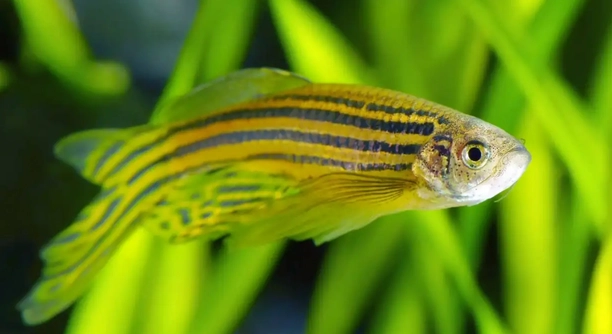
Zebra Danios are popular freshwater fish, often kept as pets due to their vibrant colors and lively behavior. If you’re a fan of these small fish, you might be curious about how they respond to human voices.
Zebra Danios do react to human voices, although their response is not as complex as that of mammals. They may show interest by swimming toward the sound or becoming more active, but they do not display specific emotional responses.
Understanding how Zebra Danios interact with human voices can be interesting. It highlights the simple ways these fish communicate with their environment.
How Zebra Danios Use Sound to Respond to Their Environment
Zebra Danios, like many fish, have sensitive hearing and are able to detect sound waves in their environment. They don’t have ears like humans, but they do have specialized structures, such as the lateral line system, which allows them to sense vibrations in the water. These vibrations can include the sound of moving objects or the presence of other animals nearby. While their reactions to human voices are limited, they can detect and react to the sound of your voice when it creates vibrations in the water.
Although Zebra Danios may not recognize human voices the way mammals do, they are still able to notice changes in their surroundings. When you speak near their tank, they might swim closer to the sound, potentially out of curiosity or because the sound is causing vibrations that they interpret as part of their environment. However, they don’t seem to show clear emotional responses, such as excitement or fear.
These responses can be influenced by factors like the fish’s current activity level or whether they associate your presence with feeding time. Zebra Danios may respond more actively if they are conditioned to expect food when they hear certain sounds, including voices. This is why they might swim toward you when you speak, as they may have learned that your voice often signals food. However, their ability to process these sounds is not as sophisticated as human recognition.
Can Zebra Danios Understand Their Owners?
Zebra Danios may not fully understand or recognize human voices, but they can learn to associate sounds with certain events, like feeding.
Fish, including Zebra Danios, primarily respond to environmental cues and patterns rather than specific sounds. While they don’t interpret human voices the same way pets like dogs or cats might, they can still associate certain tones and vibrations with specific actions, such as feeding. With time, Zebra Danios may begin to swim toward their owners when they hear the sound of a voice or the vibration of footsteps, linking these sounds to the promise of food. This learned behavior demonstrates their ability to adapt and respond to the stimuli in their environment, though it’s not based on understanding or recognizing the voice itself. Instead, it’s the repetition and association with rewarding experiences that shapes their behavior.
The Role of Sound in Zebra Danio Behavior
Zebra Danios are sensitive to vibrations, which means they can detect a range of sounds in their environment. Though they don’t respond to voices in the same way mammals do, they will react to any vibrations that disrupt their space. Sounds travel through water, and fish like Zebra Danios are quick to pick up on these changes.
These fish rely on vibrations to navigate and interact with their surroundings. While they don’t necessarily “hear” sounds in the human sense, their lateral line system detects vibrations caused by moving objects or sounds. This sensitivity helps them respond to things like water currents or the approach of other animals, including humans. However, Zebra Danios are most likely to react to sounds they’ve learned to associate with feeding or other familiar events. Their ability to identify these sounds is more about patterns rather than the sound itself.
Over time, Zebra Danios may grow accustomed to certain noise patterns, like the sound of footsteps or your voice, because they often associate these sounds with feeding time. This is a form of conditioning, where they start to connect specific noises with the anticipation of food. It’s a learned behavior rather than an instinctual one, showing that while Zebra Danios can respond to human presence, they don’t fully recognize or understand voices the way pets like dogs might.
How They Learn to Associate Sounds with Feeding
Zebra Danios have a strong ability to associate sound with food. Over time, they can learn to react to sounds that indicate feeding time. This is not a complex process for the fish but is more about recognizing patterns.
This behavior is a simple form of classical conditioning. When Zebra Danios hear the sound of your voice, footsteps, or even the movement of the tank lid, they can start to associate that sound with the arrival of food. It’s a natural response to the routine of feeding, which is why they may swim toward the sound. While they might not understand the specifics of human speech, the repetition of these events makes them link the sound to something positive—food.
As they start associating certain noises with feeding, Zebra Danios can become more responsive to these cues. This doesn’t mean they recognize or understand your voice in the way you might think. Instead, it’s their ability to respond to repetitive stimuli that creates this behavior. When you speak or move near their tank, they are likely expecting food. Their reaction is based on learned behavior and the sound’s connection to a reward, not on any real understanding of human language.
The Impact of Tank Environment on Sound Perception
The environment in which Zebra Danios live can influence how they perceive sound. Factors like tank size, water conditions, and surrounding noise levels can all affect their sensitivity to vibrations. A quieter, more stable environment may lead to clearer responses to human noises.
In a well-maintained tank, Zebra Danios may be more likely to react to subtle vibrations caused by human voices. In contrast, if the tank is in a noisy or unstable environment, it could affect their ability to detect or respond to sounds. Clean water and appropriate tank setup play a key role in their behavior.
Why Zebra Danios May Not React to Voices Like Other Pets
Zebra Danios don’t have the same social structures or vocal communication as pets like dogs or cats. Their response to sounds is more instinctual and less emotional, meaning they do not associate human voices with interaction or affection the way mammals do.
Sensitivity to Human Movement and Sound Patterns
Zebra Danios are more likely to react to movement or noise they associate with food. Their sensitivity to sound is heightened by the routine of feeding times. They respond to patterns, like your voice or the sound of food containers, rather than any emotional attachment to the sound itself.
FAQ
Do Zebra Danios recognize their owners’ voices?
Zebra Danios do not recognize human voices in the way mammals do. They can detect vibrations in the water, such as the sound of footsteps or your voice, but they don’t associate these sounds with any specific person. Their reactions are more about recognizing patterns, particularly the sounds they connect with feeding time.
How do Zebra Danios react to sound?
Zebra Danios react to sound through their lateral line system, which detects vibrations in the water. While they don’t interpret sound the way humans or some animals do, they can become aware of environmental changes caused by sound. Their reaction may include swimming toward the sound, but it’s often based on learned behaviors rather than a true understanding of the sound source.
Can Zebra Danios hear high-pitched sounds?
Yes, Zebra Danios can hear a range of sounds, including higher-pitched frequencies that may be inaudible to humans. They detect these vibrations through their lateral line system, which helps them sense movement and sounds in the water. However, they are less likely to respond to high-pitched sounds unless those sounds are associated with feeding or other significant events in their environment.
Do Zebra Danios have a good sense of hearing?
While Zebra Danios don’t “hear” in the same way humans do, they have a strong ability to sense vibrations through their lateral line system. This system helps them detect changes in their environment, like the movement of water caused by sound. Their sense of hearing is geared more towards detecting vibrations rather than understanding sound in an emotional or communicative way.
How do Zebra Danios distinguish different sounds?
Zebra Danios don’t have the cognitive ability to distinguish sounds in the same way we do. They can detect different vibrations, but their response is based on pattern recognition. Over time, they may associate certain sounds, like a voice or the opening of a tank lid, with feeding. However, this is a learned behavior rather than a sophisticated sense of hearing or understanding.
Why do Zebra Danios swim to the surface when they hear sound?
When Zebra Danios swim to the surface in response to sound, it’s usually because they associate that sound with feeding time. If they’ve been conditioned to respond to certain noises, such as a human voice or the sound of a container opening, they may swim toward the source in anticipation of food. It’s a simple learned behavior based on routine rather than a reaction to the sound itself.
Do Zebra Danios get stressed by human voices?
Zebra Danios are not typically stressed by human voices. They may react to the presence of a person by swimming toward the sound, but their behavior isn’t driven by stress or fear. They are more likely to respond if they associate the sound with food or if the noise disrupts their environment. However, sudden loud noises or unfamiliar sounds can cause stress, just as any change in their environment might.
Can Zebra Danios hear their tank mates?
Yes, Zebra Danios can hear their tank mates through vibrations in the water. They use their lateral line system to sense movement and sounds from other fish in the tank. This ability helps them avoid danger, navigate their environment, and communicate with other fish. However, their responses to other fish sounds are more instinctual than emotional.
What kinds of sounds do Zebra Danios respond to?
Zebra Danios primarily respond to sounds that create vibrations in the water. These include the sound of movement, like the opening of the tank lid or the sound of food being dropped into the tank. They are also sensitive to louder noises or vibrations caused by external sources, but their primary response is based on the association of sound with feeding.
Can I train Zebra Danios to recognize my voice?
While you can’t train Zebra Danios to recognize your voice like a dog, you can condition them to respond to specific sounds. For example, if you consistently speak near their tank or associate your voice with feeding, they may begin to swim toward the sound of your voice in anticipation of food. However, this isn’t the same as recognition; it’s more about associating patterns.
Do Zebra Danios communicate with sound?
Zebra Danios do not communicate using sound in the same way mammals or birds do. They rely on other forms of communication, such as body language and movement. While they are capable of sensing vibrations, their primary means of interaction with each other and the environment involves visual cues and physical movement rather than vocalizations.
What is the best environment for Zebra Danios to react to sounds?
A calm and stable tank environment is ideal for Zebra Danios to react to sounds. If the water quality is good and the tank is free from excessive noise or disturbances, they are more likely to notice subtle vibrations. A quiet environment will make it easier for them to pick up on the sounds they associate with feeding or other events.
Does the size of the tank affect their reaction to sound?
Yes, the size of the tank can influence how Zebra Danios react to sound. In a larger tank, vibrations may be more spread out, making it harder for them to detect certain sounds. In a smaller tank, vibrations may be more concentrated, so Zebra Danios may be more sensitive to sounds. The overall setup of the tank also plays a role in how well they can perceive and react to noise.
Final Thoughts
Zebra Danios are fascinating creatures with unique ways of interacting with their environment. While they don’t have the ability to recognize human voices as we might expect from more social animals, they are still sensitive to the vibrations that occur around them. Their response to sounds, like human voices or footsteps, is based on their ability to detect vibrations in the water, a skill they use to navigate their surroundings. These fish don’t “hear” the same way humans do, but their lateral line system helps them sense changes in the water that could indicate something nearby.
Over time, Zebra Danios can learn to associate certain sounds with specific actions, like feeding. This means that they may swim toward the sound of a voice or footsteps if they have learned to connect it with food. However, it’s important to understand that this isn’t the same as recognizing a voice. The fish are simply responding to a familiar pattern of vibrations they’ve been conditioned to associate with something positive. It’s a simple form of learning, but it shows that Zebra Danios are adaptable and can form associations based on their environment.
In conclusion, while Zebra Danios may not react to human voices the same way more interactive pets might, they still have the ability to perceive and respond to certain sounds in their environment. Their reactions are more about recognizing patterns and associations than actual comprehension of sound. Understanding how these fish interact with sound can deepen our appreciation for their behavior and highlight the importance of maintaining a stable and calm environment for them to thrive.

Hello,
If you enjoy the content that we create, please consider saying a "Thank You!" by leaving a tip.
Every little bit helps us continue crafting quality advice that supports the health, happiness, and well-being of pets around the world, for pets of all shapes, sizes, and species.
We really appreciate the kindness and support that you show us!