
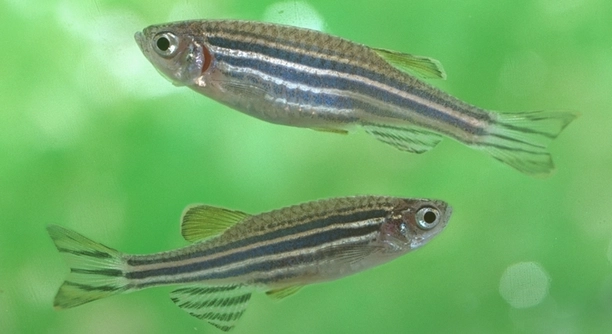
Have you ever noticed your zebra danios acting differently when you walk by their tank or approach them more often than usual?
Zebra danios are known to react to human presence, showing changes in behavior such as increased activity or swimming toward the glass. These responses are typically linked to learned associations with feeding and environmental awareness.
Recognizing these small changes can help you better understand their social behavior and care needs in a home aquarium.
How Zebra Danios React to Human Presence
Zebra danios often respond to human movement, especially when they associate it with food or changes in their tank. These fish can become more active, swim closer to the glass, or even follow your movements. Over time, they can recognize feeding routines, often darting to the surface when you walk by. They rely heavily on environmental cues, and human interaction becomes part of that environment. While they do not bond the way some other animals might, zebra danios are alert and quick to adapt. Their behavior may appear social, but it’s mainly driven by habit and sensory triggers. The more consistent your actions around the tank, the more predictable their reactions become. They may not have emotions like mammals, but they still show basic learning and responses. Observing their behavior regularly can help you notice subtle changes, which is especially useful for maintaining their well-being and ensuring they stay healthy.
Their reactions are often strongest right before feeding time, showing how much they can learn from routines.
The key to recognizing their responses lies in watching their patterns over time. Increased activity, faster swimming, or group movements when you’re nearby are common indicators. These behaviors show their awareness of what’s happening outside the tank.
What Their Reactions Might Mean
These responses usually reflect learned behavior, not affection or emotional connection.
Zebra danios pick up on visual cues quickly. If feeding follows your approach to the tank often enough, they learn to expect it. They may start swimming excitedly or gather near the surface. This behavior is often mistaken for affection, but it’s based on conditioning. The fish are reacting to past patterns. Loud movements or sudden shadows may startle them instead, causing them to scatter. Over time, they adapt to routine behavior and become more comfortable. Your consistent presence can lead to predictable reactions, but these do not imply bonding. Their memory may not be long-term, but it’s strong enough for daily habits. If you change your schedule or appearance, they might behave differently until they readjust. Observing their reactions can help you refine your care routine. Understanding these patterns helps you distinguish between stress and excitement. This way, you can maintain a stable, calm environment that supports their daily habits.
How Tank Environment Affects Their Behavior
A calm and consistent tank environment makes zebra danios feel secure. Too much noise or motion near the tank can stress them out and affect how they respond to your presence throughout the day.
Lighting, water quality, and tank layout influence how zebra danios behave. If the lighting is too bright or inconsistent, they may hide more often. Sudden changes in temperature or water conditions can lead to erratic swimming or avoidance behavior. A well-maintained filter helps keep the water stable, which supports regular behavior patterns. Plants and hiding spots offer security, giving them space to retreat when startled. When these elements stay consistent, danios are more likely to react calmly to outside movement, including your presence. Their comfort level can be seen in how much they explore, school together, or stay visible during the day.
If the tank is located in a quiet, low-traffic area, their behavior will likely be more stable. Avoid placing the tank near loud electronics or frequently used doors. Vibrations from nearby movement can travel through the tank and affect their response to people walking by. When the space around their tank feels predictable, they’re less likely to show signs of stress. Calm surroundings contribute to clearer, more regular behavior patterns over time. Regular feeding schedules, paired with gentle lighting transitions, also help build their confidence. With time, they’ll become more active during predictable parts of the day, especially when they sense movement tied to positive routines like feeding. Keeping their habitat steady supports better interaction and a healthier environment overall.
Signs of Stress vs. Normal Reactions
Rapid swimming, hiding, or lack of appetite can signal stress. Normal reactions include swimming near the glass, schooling, or surface activity during feeding times.
If zebra danios scatter or freeze when someone approaches, it’s often a sign of discomfort. Stress can also show through faded colors or clamped fins. Tank conditions play a large role in this, but constant disruptions outside the tank add pressure. Loud sounds, harsh lighting, or unpredictable activity can overwhelm them. On the other hand, curiosity-driven movement, like approaching the front of the tank or pacing during feeding time, is normal. These fish are quick to learn routines and show excitement when things are predictable. A good way to tell the difference is by watching how long unusual behavior lasts. If they quickly return to their usual activity, it’s likely just a momentary reaction rather than stress.
Feeding Routines and Learned Behavior
Zebra danios quickly associate feeding times with specific actions, like seeing you near the tank. Regular feeding at the same time each day builds this pattern and strengthens their response to your presence.
If feeding is inconsistent or rushed, their reactions may become confused or delayed. Sudden changes in routine can cause stress and impact how they respond to you near the tank.
How to Encourage Positive Reactions
Keep your movements calm and consistent when approaching the tank. Avoid sudden gestures, loud noises, or tapping on the glass. Approach the tank slowly and at the same time daily if possible. Pair your presence with positive experiences like feeding or light interaction. Over time, these fish begin to recognize your routine and may respond with more excitement or calm behavior. Patience is important, especially with new fish. Let them get used to your presence gradually, especially during the first few weeks. A stable environment and predictable care lead to better interactions and more relaxed, responsive behavior from your zebra danios.
When to Be Concerned
If they stop responding to feeding cues or begin hiding often, it may signal a problem. Sudden changes in reaction should prompt you to check their environment and routine.
FAQ
Do zebra danios recognize their owners?
Zebra danios may not recognize you the same way a dog or cat might, but they can become familiar with your presence. If you interact with them consistently—especially during feeding times—they begin to associate you with food and safety. Over time, they may swim toward the front of the tank when you approach, especially if your actions are calm and routine. This learned behavior suggests they recognize patterns tied to your presence, even if they don’t recognize your face or voice in the way mammals do.
Why do zebra danios scatter when I walk by?
Zebra danios are naturally skittish, especially when something unfamiliar or sudden happens near their tank. Quick movements, loud steps, or shadows can make them dart around or hide. This is a survival instinct, not necessarily a sign of fear toward you specifically. Over time, if your movements are gentle and predictable, they may adjust and become less reactive. Giving them time to adapt to your presence and keeping the area around their tank calm can help reduce scattering behavior.
Is it normal for zebra danios to swim against the glass when I’m nearby?
Yes, this can be a normal behavior, especially if it’s around feeding time or if they associate you with food. Zebra danios are active swimmers and may display surface or glass-facing movement when they’re anticipating something. However, if this behavior becomes constant and obsessive, it could point to boredom or stress. Check tank conditions, water quality, and enrichment options like plants or tank mates to keep their environment stimulating and balanced.
How do I tell if they’re stressed by my presence?
If your zebra danios suddenly hide, lose color, or refuse food after you approach the tank, they may be stressed. Rapid, erratic swimming or separating from the school can also indicate discomfort. Stress from human presence usually fades with time if your actions are consistent and non-disruptive. Avoid tapping the glass, making sudden movements, or standing too close for long periods. Creating a quiet and steady routine around the tank allows them to feel more secure.
Can zebra danios learn a feeding schedule?
Yes, zebra danios can quickly learn a consistent feeding schedule. If you feed them at the same time each day, they will begin to anticipate it and become more active or present near the front of the tank around those times. This helps reduce anxiety and encourages healthy eating habits. Keeping a regular schedule also makes it easier to spot any behavioral changes, since sudden disinterest in food could point to illness or stress. Pairing your presence with predictable feeding helps reinforce positive responses to you.
Do they react differently to different people?
Zebra danios may show slightly different responses depending on the person approaching the tank. This can be due to the way someone moves, how often they interact with the fish, or the tone of their voice. While they don’t have strong facial recognition, they notice changes in patterns and may feel more comfortable with someone who’s part of their routine. Sudden, unfamiliar presence may cause them to hide or behave more cautiously, while regular caregivers may trigger a calm or excited response.
Should I interact with them outside of feeding times?
Interacting outside feeding times can be helpful in building familiarity, as long as it’s calm and not overwhelming. Simply standing near the tank or moving slowly around it helps them adjust to your presence. Avoid overdoing it or causing disturbances. Gentle interaction can encourage them to stay visible and active, which supports social behavior and reduces skittishness. The more predictable and calm your interactions are, the more comfortable they become over time.
Is tapping the glass bad for zebra danios?
Yes, tapping on the glass can startle and stress them. Sound travels differently in water, and tapping creates loud, sudden vibrations that are intense for fish. Repeated exposure to this kind of disruption can affect their health and behavior. If you need their attention, it’s better to use slow, visible movement or routine-based actions like opening the lid at feeding time. Avoiding stressful actions like tapping helps maintain a peaceful tank environment.
How long does it take them to adjust to new people or changes?
Adjustment time varies depending on the individual fish and how big the change is. For new caretakers or shifts in routine, it can take a few days to a couple of weeks for zebra danios to adapt. Providing a stable tank setup, regular feeding schedule, and keeping activity near the tank calm and predictable helps ease the transition. Patience is important. Once they feel secure, they tend to resume regular activity and interact more freely.
Why do they stop reacting to me sometimes?
If your zebra danios stop responding to you, it might be due to stress, poor water quality, or a shift in routine. Illness can also make them less responsive. Check the tank conditions, feeding habits, and recent changes. A consistent schedule and a well-maintained tank usually help restore their normal behavior. If the issue continues, observe for other signs like fading color, clamped fins, or changes in swimming patterns that could point to a larger problem.
Final Thoughts
Zebra danios are small, active fish that can show noticeable behavior changes when people are nearby. They often react to movement and sound, especially if it happens suddenly or outside their usual routine. With time and regular interaction, many zebra danios begin to show signs of comfort and may even swim toward the front of the tank when you approach. This is often a sign that they recognize certain patterns, such as feeding times or your daily presence. While their reactions may seem simple, they are meaningful in the context of their environment and instincts.
Although zebra danios do not form bonds in the same way as dogs or cats, they are capable of learning and adapting. They respond well to consistency, such as a stable feeding schedule and gentle movement around their tank. Repeated positive experiences can help them feel safe and reduce skittish behavior. When your presence is linked to calm interaction and routine care, zebra danios may begin to show interest and even become more active when you are around. However, every fish is different, and their comfort level may vary depending on past experiences, tank setup, and individual temperament.
Paying attention to their reactions can help you create a better environment for them. Avoiding loud noises, sudden shadows, or tapping the glass makes a big difference. If they seem overly stressed or hide often, it may be a sign that something in their surroundings needs adjustment. A quiet space, clean water, and plenty of hiding spots can give them the security they need. When zebra danios feel safe, they are more likely to show their natural behavior and interact more freely. Simple steps like being consistent and respectful of their space can go a long way in helping them feel at ease around people.

Hello,
If you enjoy the content that we create, please consider saying a "Thank You!" by leaving a tip.
Every little bit helps us continue crafting quality advice that supports the health, happiness, and well-being of pets around the world, for pets of all shapes, sizes, and species.
We really appreciate the kindness and support that you show us!