
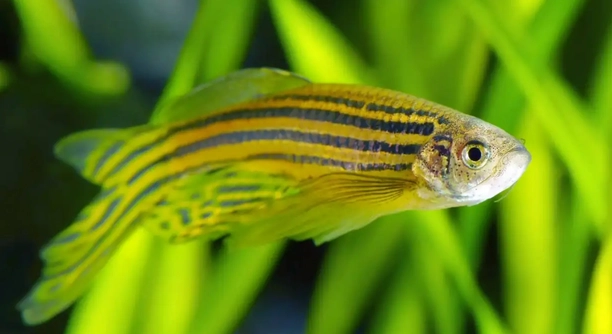
Have you ever spent time watching your zebra danios and noticed how they seem to copy one another’s actions?
Zebra danios are known to exhibit shoaling behavior, which includes mimicking the movements and actions of others in their group. This behavioral synchronization helps reduce stress, increase survival, and promote group coordination in various situations.
Learning how and why they do this reveals important insights about their social nature and everyday interactions.
Why Zebra Danios Copy Each Other’s Behavior
Zebra danios are social fish that prefer to live in groups, and their behavior often reflects this close interaction. When one fish starts to swim quickly or change direction, others tend to follow. This mimicry isn’t random—it’s part of how they stay safe and connected. By copying the actions of the group, each fish benefits from shared information about food, danger, and comfort. In a tank environment, this means you might see your danios swimming together in patterns, eating at the same time, or hiding in the same spot. Their natural instincts to stick together help them feel less stressed and more secure. Mimicking behavior helps reinforce that sense of security, especially when they’re in unfamiliar settings or new tanks. It’s not just interesting to watch—it’s a big part of what makes zebra danios so unique and well-suited for community aquariums.
Zebra danios rely on visual signals and body movements to stay synchronized with each other.
This behavior can also be influenced by tank conditions, such as lighting, layout, and the number of fish present. A calm, stable environment makes it easier for them to mirror one another’s movements. When something changes—like a sudden noise or a shift in temperature—the fish may startle all at once, then regroup quickly, often mimicking the most confident or active fish in the moment. This mimicry doesn’t just help with safety, but also plays a role in learning. Younger or less experienced danios will watch and imitate the more active ones, which can help them understand feeding patterns or hiding spots. The longer they’re kept in a balanced and consistent environment, the more relaxed and in-sync they tend to become. So if your danios are copying one another, it’s often a good sign—they’re doing what comes naturally to stay connected.
What It Means for Your Aquarium Setup
Watching for group mimicry can help you better understand your tank’s social balance and the well-being of your danios.
To support this behavior, try keeping at least five zebra danios together, as they thrive best in small groups. Spread out decorations and provide open swimming space so they can move in unison. Avoid overcrowding the tank—too many fish can create stress and make it harder for them to mimic naturally. Also, maintain consistent lighting and a regular feeding schedule. These simple details help encourage their natural behavior. If you notice one fish often leading, it may be the most confident in the group, and others will typically follow its lead. Mimicry isn’t a problem—it’s a part of how they interact and stay healthy. Watching these social patterns can also help you spot signs of stress or illness. If a fish suddenly breaks away from the group or changes its swimming behavior, it could signal that something is off in the tank.
How Mimicry Affects Feeding and Activity Levels
When one zebra danio starts eating, others often rush in and begin feeding too. This shared behavior can create a fast-paced feeding environment, making it important to monitor how much food each fish is getting.
Feeding time often turns into a flurry of activity due to mimicry. One fish noticing the food usually triggers the rest to join in almost instantly. This can sometimes lead to competition, where the faster or more aggressive danios get the bulk of the food. To balance things out, try spreading the food across different areas of the tank. This gives all your fish a fair chance to grab their share without too much stress or racing. Over time, you may also notice certain fish consistently leading the feeding rush. This kind of group reaction is common and reflects how closely they rely on one another for cues and routine.
Their activity levels also follow this pattern of shared behavior. If one fish becomes unusually active—darting around or exploring a new space—others tend to follow its lead. This is especially noticeable when they’re introduced to a new tank or after a water change. The mimicry helps reduce anxiety because it creates a sense of group safety. When most of the group is calm and swimming normally, others will usually match that energy. On the flip side, if a fish becomes stressed or starts hiding, it may influence others to do the same. Watching these changes can give you clues about how they’re feeling overall and whether the tank setup is supporting healthy activity.
How Mimicry Connects to Group Hierarchies
Zebra danios can show a loose pecking order based on who the others tend to follow most often. This isn’t aggressive, but it still shapes how they interact daily.
In most cases, there’s usually one or two danios that take the lead during feeding or exploring. The others respond by mimicking their actions, which can create a natural social flow. This pattern isn’t forced—rather, it’s something that forms over time as the fish become more familiar with each other. You might notice the same danio always being first to check out new areas or darting toward the front when it’s time to eat. These leading fish often influence the mood of the group, so keeping them healthy and stress-free supports the entire tank. Mimicry, in this context, becomes a quiet communication tool. By understanding who sets the pace, you can learn a lot about the group’s structure and comfort levels.
Mimicry During Stressful Events
During stressful moments, such as loud noises or sudden light changes, one fish’s reaction often sets the tone. If it darts or hides, others quickly follow. This chain reaction helps them respond faster and stay safe together.
When the tank environment becomes unsettled, zebra danios rely heavily on visual cues from one another. A single fish freezing or hiding is enough to trigger a group-wide response. This mimicked behavior isn’t just instinct—it’s a survival tactic rooted in their natural schooling habits.
Mimicry and New Tank Introductions
Introducing new fish can disrupt the established behavior in the tank. Existing danios may either avoid or follow the newcomers depending on how they act. If the new fish are calm and active, the group tends to adjust more easily. However, if the newcomers are nervous or erratic, it can create short-term stress for the whole group. Mimicry plays a big role here—especially when it comes to feeding, swimming, or hiding. Giving your fish time to adjust and providing plenty of hiding spaces can ease the shift. Over time, the group usually regains balance, with behavior syncing again once comfort returns.
What to Watch for in Their Behavior
Sudden shifts in mimicry—like one fish breaking away or hiding constantly—can signal illness or stress. Keep an eye on any changes.
FAQ
Do zebra danios copy each other’s swimming patterns?
Yes, they do. Zebra danios often mimic each other’s swimming style and speed, especially when they’re part of a stable group. If one fish begins to swim in a certain direction, others usually follow quickly. This behavior helps them stay together and move as a coordinated unit. It’s especially noticeable when they’re exploring, reacting to changes in the tank, or just swimming casually. The mimicry helps maintain their natural schooling habits and gives them a sense of safety.
Can mimicry cause stress in zebra danios?
It can, depending on the situation. If one danio becomes anxious or stressed—due to illness, poor water conditions, or sudden changes in the tank—others may pick up on that stress through mimicry. This can lead to the whole group becoming more skittish or withdrawn. In that case, it’s important to figure out what triggered the behavior. Checking water quality, rearranging the tank to reduce competition, and providing more hiding spots can help reduce group stress.
Is mimicry a sign of strong social bonds in danios?
Mimicry is a natural part of how zebra danios function as a group. While they don’t form strong emotional bonds like mammals, they do show clear signs of social structure and coordination. Mimicking each other’s behavior keeps the group aligned and reduces the chance of one fish getting separated. It’s more about maintaining safety and consistency than forming close friendships, but it does show that they’re socially aware of their group.
How long does it take new danios to start mimicking the group?
It usually takes a few days. When new danios are introduced, they may first stay at the edges or act independently. But once they start feeling safe, they begin watching and copying the group’s behavior. This includes feeding habits, swimming routes, and even rest times. If they seem slow to adapt, it’s worth checking whether they’re being bullied or not getting enough food. A healthy, peaceful tank makes it easier for new fish to settle in and start mimicking.
Do all danios mimic equally, or are some more likely to lead?
Some fish naturally take the lead. You might notice that one or two danios tend to act first, and the others follow. These fish aren’t necessarily dominant, but they do seem to be more confident or curious. The rest of the group looks to them for cues, especially during feeding or when reacting to new things in the tank. Mimicry often starts with them and spreads out from there.
Can mimicry help detect illness in the tank?
Yes, it can. If one fish starts acting off—sluggish, hiding, or swimming differently—the others may start mimicking that behavior. This doesn’t always mean they’re sick too, but it’s a sign that something might be off. Watching for these patterns can help you catch problems early. If the whole group suddenly changes behavior, it’s time to check water parameters, food quality, or signs of infection.
Do zebra danios mimic during breeding behavior too?
They do, but it looks a little different. During breeding, the males often chase the females, and this activity can trigger more chasing across the group. It creates a lively, sometimes chaotic dynamic. Even danios not actively breeding may get involved just by copying the movement. It’s a good idea to monitor the tank during this time to make sure things don’t get too aggressive.
Is mimicry the same as schooling?
Not exactly, but they’re closely related. Schooling is when the fish swim together in a coordinated group, usually for safety. Mimicry is a big part of what makes schooling work. By copying each other’s movements, danios can move together smoothly and react to threats quickly. So, mimicry supports schooling, but the two aren’t interchangeable.
Should I separate a danio that acts differently from the group?
Not right away. First, watch closely to see if the behavior is temporary or if it spreads to others. If the fish is just resting or slightly less active, it may just need a bit of time. But if it’s hiding all the time, refusing food, or showing physical signs of illness, it’s best to quarantine it. This helps protect the rest of the tank and gives the fish a better chance to recover without stress. Mimicry makes it easier to spot unusual behavior early on, so trust your observations.
Final Thoughts
Zebra danios are small, active fish that often move as a group and show similar behaviors. When one starts to explore, eat, or rest, others quickly follow. This copying behavior helps them stay close together, which is something they naturally do in the wild to stay safe. In a home aquarium, the same behavior can be seen. It can make the tank feel more alive and connected. Watching them mimic each other is one of the many reasons why people enjoy keeping zebra danios.
Mimicry also plays a role in how zebra danios respond to changes in their environment. If something changes in the tank—like a new decoration, different lighting, or a shift in water temperature—one fish may react first. That reaction can spread through the group, even if the others don’t feel the change themselves. This shows how tuned in they are to each other. It also helps fish owners notice problems early. If the whole group suddenly acts differently, it may be a sign that something needs attention. Mimicry, while natural, can highlight both comfort and concern, depending on the situation.
Overall, understanding this behavior gives better insight into how zebra danios interact and why they thrive in groups. It’s not just about having more fish—it’s about how those fish behave together. Watching how quickly one fish’s actions affect the others is a reminder that their social patterns are built around communication and awareness. Mimicry may seem simple, but it helps keep the group stable. For fishkeepers, creating a safe, calm, and balanced space encourages these natural patterns to continue. Whether you’re new to keeping danios or have had them for a while, paying attention to how they mimic one another can help you care for them better.

Hello,
If you enjoy the content that we create, please consider saying a "Thank You!" by leaving a tip.
Every little bit helps us continue crafting quality advice that supports the health, happiness, and well-being of pets around the world, for pets of all shapes, sizes, and species.
We really appreciate the kindness and support that you show us!