
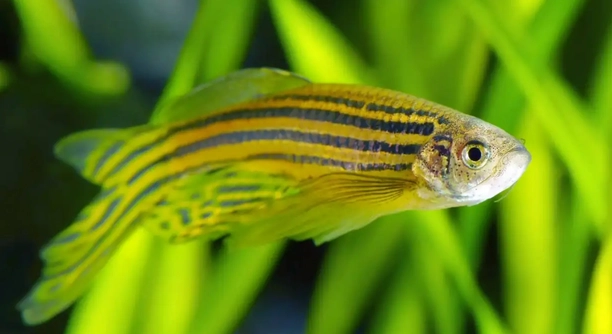
Do you ever find yourself watching your zebra danios dart around and wonder if they’re just being active or actually having fun?
Zebra danios are known for their active nature and social behavior, which can be interpreted as playful. They often engage in chasing games, explore their environment, and respond to enrichment, suggesting they benefit from interactive tank features and stimulation.
Encouraging this behavior with simple ideas can help promote a more enriching environment for your zebra danios and keep them engaged.
Why Zebra Danios Show Playful Behavior
Zebra danios are active fish that enjoy movement, interaction, and stimulation in their tank. Their behavior often involves quick darting, chasing each other, and exploring different areas of the aquarium. These actions are common in social fish that thrive in groups. While not play in the same way mammals experience it, these behaviors are signs of healthy, stimulated fish. Playful movement can also be a response to good water conditions and proper tank setup. Providing space, hiding areas, and a balanced diet encourages these natural actions. Group living is essential, as solitary zebra danios often become stressed or inactive. Their interactions with each other are important for maintaining both physical activity and mental stimulation. Watching them weave around decorations or swim in synchrony shows their need for space and companions. These behaviors should be encouraged through thoughtful tank care and enrichment tools that allow the fish to stay active and curious.
Zebra danios need a group of at least five to stay socially active. A smaller number may lead to stress or aggression.
Their active swimming, chasing, and group movements are part of natural social behaviors. These interactions help them stay alert, reduce stress, and maintain good health. Playful signs also suggest comfort and security in their habitat.
Fun Enrichment Ideas to Try
Simple tank changes can give zebra danios a more engaging environment and encourage playful behavior. Adding live plants, gentle water flow, and tunnels or bridges helps promote exploration and movement. These features give the fish both structure and stimulation. Floating decorations and small mirrors can also prompt short bursts of activity. Occasionally rearranging items in the tank introduces novelty and helps prevent boredom. Feeding techniques can also be adjusted to offer stimulation—try spreading food around the tank or using a feeding ring. Just be sure the changes are gradual to avoid causing stress. Enrichment doesn’t need to be complex, but it should support their natural instincts. Using soft lighting and a secure lid reduces distractions and encourages them to explore freely. Also, make sure the tank mates are compatible and not too aggressive or overly passive. A peaceful environment supports consistent activity levels and reduces the risk of any behavioral issues.
Signs Your Zebra Danios Are Enjoying Themselves
Zebra danios often show enjoyment through quick darting, playful chasing, and active group swimming. These movements are smooth, constant, and coordinated. When they feel safe and stimulated, their colors may also appear brighter and more vibrant than usual.
Another sign your zebra danios are enjoying their environment is their eagerness to explore new tank additions. Whether it’s a floating plant, a tunnel, or a change in the layout, interested fish will swim up to examine and move through it. They may follow each other or circle objects repeatedly. This active behavior usually happens more during the day when lighting is steady. A calm yet curious response to new items is a strong indicator that they feel secure and engaged. Avoiding corners, hiding constantly, or separating from the group may mean they’re stressed, not playful. Watch for balanced activity and movement across all areas of the tank.
Consistent appetite and regular swimming patterns are also good indicators. If your zebra danios eagerly swim to the surface at feeding time and distribute themselves evenly around the tank afterward, it shows comfort and stimulation. These fish enjoy moving in groups, so if they’re all active and not isolating themselves, it’s a positive sign. A lack of aggression among tank mates also supports good behavior. Their enjoyment depends on routine, clean water, and a consistent environment. When these needs are met, you’ll see more signs of positive interaction and interest in tank surroundings. Small daily observations help track their well-being and keep enrichment efforts aligned with their needs.
Mistakes to Avoid When Encouraging Play
Avoid overcrowding, as it reduces swimming space and leads to stress. Zebra danios need room to move and interact freely. Overstimulating the tank with too many decorations or strong currents can also discourage playful behavior and make them hide more often.
Neglecting tank maintenance is another common issue. Dirty water, incorrect temperatures, and irregular lighting can reduce activity levels. Skipping regular water changes or overfeeding can also lead to poor conditions, making the fish lethargic or withdrawn. Avoid sudden changes, like rearranging everything at once or introducing new tank mates too quickly. These actions may create stress, interrupt social balance, and reduce natural play behavior. Another mistake is underestimating the importance of social groups. Keeping zebra danios alone or in pairs often causes anxiety. They need a small group to feel secure and stimulated. Observing how they respond to changes helps identify what supports or disrupts their behavior.
How Tank Setup Affects Playful Behavior
A tank that’s too small limits movement and lowers activity. Zebra danios need space to swim and interact. A long tank is better than a tall one, as it gives them more horizontal room for group movement.
Bright lighting and reflective surfaces can cause stress. Stick to soft lighting and avoid mirrors placed for long periods. These fish prefer a calm, balanced setup that feels secure but not too cluttered or stimulating.
The Role of Diet in Activity Levels
A poor diet can reduce energy, leading to less movement and interaction. Zebra danios need a varied and balanced diet to stay active. Feed them a mix of high-quality flakes, micro pellets, and occasional treats like live or frozen daphnia. These foods support energy and health. Avoid overfeeding, which causes sluggish behavior and pollutes the tank. Feed small amounts once or twice daily and remove excess food. A balanced feeding routine keeps them eager to swim and engage with their surroundings. When they’re well-fed and healthy, you’ll see more playful behaviors, especially after feeding. Active feeding responses are strong indicators of overall well-being.
When to Reassess Their Environment
If your zebra danios stop swimming actively, hide often, or become aggressive, it may be time to reassess the tank setup, diet, or group size. Small changes can restore balance and support healthy behavior.
FAQ
Do zebra danios like to play?
Zebra danios display playful behavior in their natural habitat. They are very active, swimming in quick, darting motions and often chasing each other around the tank. While they don’t play in the same way mammals do, their social interactions and exploration of tank features show that they enjoy movement and stimulation. They thrive in groups, and active swimming and chasing behaviors are often signs that they are engaged and enjoying their environment.
How can I encourage my zebra danios to play?
Providing a spacious tank with hiding spots, plants, and other decorations will encourage zebra danios to interact more. Adding moving water features, like a gentle filter current or bubbler, can also trigger their playful behavior. Change things up occasionally by rearranging tank elements to introduce novelty. This will stimulate curiosity and help them stay active. Feeding them with variety, such as high-quality flakes, pellets, and occasional live foods, can also motivate them to move around more energetically.
How many zebra danios should I keep together?
Zebra danios are social fish and should be kept in groups of at least five. Keeping them in a group allows them to feel secure and encourages their playful behavior. Smaller groups can cause stress, leading to less activity and more hiding. A group of zebra danios also makes it easier for them to engage in social behaviors, such as chasing and swimming together, which are essential to their health and activity.
What tank size is best for zebra danios?
Zebra danios need a tank that offers enough horizontal space for swimming. A tank of at least 20 gallons is recommended for a group of five to six zebra danios. The length of the tank is more important than the height, as these fish prefer to swim in open water. A well-maintained tank with proper filtration and water flow helps maintain a healthy environment and encourages active swimming and playful behavior.
What is the ideal water temperature for zebra danios?
Zebra danios prefer water temperatures between 64°F and 75°F (18°C – 24°C). They are tolerant of a wide range of temperatures, but keeping the water in this range supports their activity and overall health. Water that is too cold or too warm can cause stress and make them less likely to swim around and interact. Consistent temperatures and clean water are crucial for maintaining their playful behavior.
Can zebra danios live with other fish?
Yes, zebra danios are generally peaceful and can live with a variety of other fish species, as long as they are not too aggressive. They do well in community tanks with similarly sized and non-aggressive species. However, avoid keeping them with slow-moving fish or those that may be bullied, as zebra danios can sometimes compete for food. Always ensure that tank mates are compatible in terms of size and temperament to promote a stress-free environment.
How often should I feed my zebra danios?
Zebra danios should be fed small amounts of food once or twice a day. Overfeeding can lead to health problems, including poor water quality and sluggish behavior. Offer a variety of high-quality flakes, pellets, and occasional treats like live or frozen daphnia. Remove any uneaten food after a few minutes to prevent waste buildup. A balanced diet is key to maintaining their energy levels and promoting playful behavior.
Do zebra danios need a filter in their tank?
Yes, zebra danios benefit from a filter in their tank. They are active swimmers and appreciate a stable, clean environment. A filter helps maintain water quality by removing debris and providing gentle water movement. Zebra danios thrive in well-filtered tanks, and a properly maintained filtration system can help prevent issues such as poor water quality, which can lead to stress and reduce their playful activity.
What are common health problems in zebra danios?
Zebra danios are generally hardy fish, but they can experience common health issues such as fin rot, ich (white spot disease), and dropsy. Poor water quality, stress, and overcrowding are common causes of illness. Regular tank maintenance, including water changes and proper filtration, can help prevent many health problems. If you notice signs of illness, such as faded colors, lethargy, or unusual swimming behavior, it’s important to address the issue quickly with appropriate treatment.
How can I tell if my zebra danios are stressed?
Stressed zebra danios may display behavior changes, such as hiding more than usual, less interaction with tank mates, and sluggish swimming. They may also show signs like clamped fins, reduced appetite, or a lack of activity. Poor water quality, overcrowding, sudden changes in the tank, or incompatible tank mates can cause stress. Monitoring their behavior and making adjustments to the tank environment can help alleviate stress and restore their playful habits.
Can zebra danios breed in a home aquarium?
Yes, zebra danios can breed in a home aquarium. They are egg layers and often breed in groups. To encourage breeding, provide a separate breeding tank with fine-leaf plants where eggs can be laid. The parents may eat the eggs, so it’s important to remove them once laid. After a few days, the eggs will hatch into fry, and you can start feeding them tiny foods like infusoria or specially designed fry food until they are large enough for regular fish food. With the right conditions, zebra danios can breed easily in a well-maintained aquarium.
Final Thoughts
Zebra danios are active and social fish that benefit from a well-maintained environment. They enjoy swimming in groups, interacting with each other, and exploring their tank. Creating a space that encourages movement and play is essential for their well-being. Ensuring they have enough room to swim, the right water conditions, and a varied diet will help maintain their playful nature. The more engaging their surroundings, the more likely they are to remain active and exhibit playful behaviors.
A balanced tank setup with proper filtration, a temperature range that suits their needs, and consistent care are key to their health. These fish do best in a stable environment that isn’t too crowded or stressful. Adding plants and hiding spots encourages natural behaviors, providing comfort and security. Zebra danios thrive when given opportunities to interact with their environment and tank mates. Keeping them in groups of five or more will also help them feel more secure, promoting social playfulness. It’s important to remember that their playful behavior often signals good health and well-being.
In conclusion, zebra danios are hardy, fun fish that bring movement and color to any aquarium. Their playful nature, however, is closely tied to the care they receive and the environment in which they live. By paying attention to their tank setup, diet, and overall health, you can ensure they remain active and engaged. These small fish are a great choice for both beginner and experienced aquarium owners. With the right care, zebra danios will continue to display their lively, playful behaviors for years to come.

Hello,
If you enjoy the content that we create, please consider saying a "Thank You!" by leaving a tip.
Every little bit helps us continue crafting quality advice that supports the health, happiness, and well-being of pets around the world, for pets of all shapes, sizes, and species.
We really appreciate the kindness and support that you show us!