
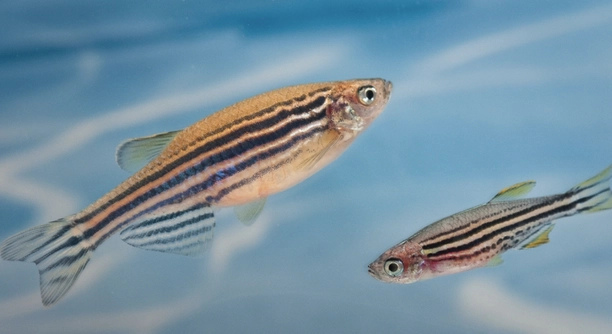
Have you ever watched your zebra danios dart around the tank and wondered if all those sudden movements and lights bother them?
Zebra danios are capable of learning to ignore regular tank distractions through a process called habituation. Repeated exposure to harmless stimuli, such as movement outside the tank or minor vibrations, leads to decreased responses over time.
Understanding how zebra danios adapt to their surroundings can help improve how we care for them and create a more calming home inside the tank.
What Is Habituation and How It Works in Fish
Habituation is a simple form of learning where an animal gradually stops reacting to something that happens often and does not pose a threat. In zebra danios, this can mean ignoring common tank movements or regular sounds. When they first experience these things, they might dart away or hide. But over time, if nothing bad happens, they begin to show less reaction. This kind of learning helps save energy and keeps the fish from becoming too stressed. Habituation happens naturally and has been observed in many animals, not just fish. It’s a helpful tool in busy environments like aquariums. It also shows how fish have basic memory and can adjust their behavior to their surroundings.
Zebra danios may take longer to adjust if the tank is placed in a noisy or high-traffic area. The more frequent the harmless disturbances, the quicker they may learn to ignore them.
These little fish are more adaptable than many people realize. By understanding how they respond to their environment, we can make better choices about where we place tanks and how we interact with them daily. A calmer tank environment leads to less stress and a healthier life for the danios.
What You Can Do to Help
Small changes in your setup can make a big difference for your zebra danios.
If your tank sits near a doorway, television, or a spot where people walk by often, your fish may feel on edge. While they can learn to ignore many things, reducing sudden movements or loud noises will help them settle faster. You can add tank decorations to create more hiding spaces, giving your fish a sense of safety when startled. Backgrounds on the tank or placing it away from windows may also help reduce constant motion from outside. Feeding them on a regular schedule can bring a sense of routine, which supports learning and calm behavior.
These small steps help create a stable environment that supports the danios’ natural ability to adjust. Watching them become more confident in their space is rewarding, and it also means they’re likely feeling secure. A peaceful tank not only looks better—it makes life easier for the fish and more enjoyable for you.
How Long Does It Take for Zebra Danios to Adapt
Most zebra danios start showing signs of habituation within a few days if the stimulus is consistent and harmless. The key is repetition without any negative outcome. Sudden, random changes can reset their progress.
When zebra danios are first placed in a new tank, they tend to be more sensitive to everything around them. Movements, tapping, or lights can cause them to dart or hide. If these actions happen often but aren’t followed by harm, the fish will usually begin to ignore them after about 3 to 7 days. However, each fish is slightly different. Some may need more time, especially if they’ve had past stress. Offering consistent lighting, a steady schedule, and avoiding loud disturbances can speed things up. It’s not about rushing their process—it’s about giving them a steady routine to adjust to.
The process takes longer when stress levels are already high. If the tank is overcrowded or water conditions are poor, even small distractions can feel overwhelming to your danios. Keeping their environment clean and giving them enough space makes it easier for them to focus on learning what’s safe. Habituation can be disrupted if you add new fish often or move tank decor frequently. Consistency is essential for real behavioral changes.
Signs Your Fish Is Getting Used to Distractions
Zebra danios that have started to habituate will show calmer behavior during events that once startled them. They may still react slightly, but the response is quicker and less frantic.
You’ll notice they return to swimming normally faster after a sudden shadow passes by or someone walks close to the tank. Instead of hiding, they might pause briefly and then continue exploring or schooling. Over time, this becomes their standard behavior. If your danios no longer dart away at routine noises, it’s a good sign they’ve adjusted. Keep in mind, this doesn’t mean they’ll ignore everything forever. New or intense changes will still get their attention.
Calm and steady swimming patterns, especially after distractions, are great indicators that your fish are learning. They’ll stick closer to the middle of the tank instead of hiding near the bottom or behind plants. A consistent feeding response—even if something moves outside the tank—is another sign of growing comfort. Also, if your danios continue interacting with each other and exploring the tank after being startled, that’s progress. Just remember, patience matters. If reactions return suddenly, it might be time to check for new changes in the tank or the room around it.
Common Distractions in a Home Aquarium
Foot traffic near the tank is one of the most common distractions. Frequent movement back and forth can cause your danios to stay on alert, especially in high-traffic areas like hallways or living rooms.
Sudden lighting changes also affect them. Turning room lights on or off quickly can make the fish dart or hide, especially if it happens often or without warning.
When Habituation Might Not Happen
Some zebra danios may not fully habituate if the distractions are too frequent, too loud, or unpredictable. Things like a constantly barking dog, loud TV near the tank, or frequent tapping on the glass can keep their stress levels high. Inconsistent tank conditions can also prevent habituation. For example, sudden temperature drops or poor water quality make it harder for them to settle and learn. Stress builds up when too many stressors stack together. If your fish seem overly jumpy for more than two weeks, it might mean the environment needs adjusting. Make sure they have hiding spaces and proper tank mates.
When to Be Concerned
If your danios stop eating, hide all day, or breathe rapidly, those are signs of chronic stress. Something in the environment may need to be fixed right away.
FAQ
How can I help my zebra danios adjust to distractions faster?
To help your zebra danios adapt quicker, make their environment more predictable. Avoid sudden changes in light or noise. Set a regular feeding schedule and limit disturbances near the tank. Adding plants or hiding spots gives them a sense of security. Consistent water conditions, like temperature and pH, also support their adjustment. By making their space more stable, you allow them to focus on learning rather than reacting to stress.
What are signs that my zebra danios are stressed?
Stressed zebra danios may swim erratically or hide more often than usual. They may also display rapid gill movement, which indicates they’re struggling to breathe properly. Another sign is refusing food or ignoring the usual feeding schedule. If they are unusually pale or showing signs of fin clamping, it’s a strong indicator that something in their environment is causing them stress. Over time, chronic stress can weaken their immune system, so it’s important to catch it early.
Can zebra danios get too used to distractions?
While zebra danios can ignore frequent, harmless distractions, they can also become too accustomed if the environment remains overly stable. They might stop reacting to disturbances, but if their surroundings are completely uneventful or lack stimulating elements, they can become bored. In a balanced environment, it’s best to provide a mix of calm and engaging factors. Regular water changes, new plants, or occasional decor rearrangements help maintain their interest without overwhelming them. A slightly dynamic environment can keep your danios active and engaged.
Should I be worried if my zebra danios are not responding to movement around the tank?
If your zebra danios are no longer reacting to normal distractions, it’s likely a sign they’ve successfully habituated to their environment. This is typically a good thing, indicating that they feel secure. However, if their lack of reaction is accompanied by changes in swimming behavior, like lethargy or reduced feeding, it might be a sign of an underlying issue. Always check for changes in water quality or temperature, as these can cause behavior shifts.
What’s the best tank setup to minimize distractions?
A quiet, low-traffic area in your home is ideal for a zebra danio tank. Avoid placing the tank near noisy appliances, like a TV or computer. It’s best to avoid direct sunlight, as bright flashes of light can startle your fish. Decorations like plants and caves not only help your fish feel safe but also reduce the likelihood of seeing sudden shadows or movements outside the tank. The more stable their environment, the easier it is for them to ignore harmless distractions.
How often should I change the tank water to keep my zebra danios comfortable?
Regular water changes are key to maintaining a stress-free environment for your zebra danios. A 25% water change every 1 to 2 weeks is ideal for most tanks. However, if you notice the water getting dirty or if the tank is heavily stocked, you may need to change the water more often. Keeping the water clean helps maintain a stable environment and reduces stress for the fish, allowing them to better adapt to other distractions.
Can tank lighting affect zebra danio behavior?
Yes, tank lighting plays a crucial role in zebra danio behavior. They prefer moderate lighting conditions and may get stressed with overly bright lights. Too much light can make them feel exposed, while too little light can cause them to become disoriented. A consistent day-night cycle is important, as it mimics their natural environment. Consider using a timer to maintain a regular light schedule, giving them the sense of stability they need to learn and feel secure.
Are zebra danios social, and can this help with their adaptation to distractions?
Zebra danios are social fish that thrive in groups. Being in a school provides them with a sense of safety and comfort, reducing stress. When they have companions, they may be less likely to react to distractions because they focus more on interacting with each other. However, overcrowding can increase stress, so it’s best to maintain a balance. A group of six or more danios is ideal for promoting calm behavior and reducing the chances of overstimulation.
Can zebra danios learn to ignore new objects in their tank?
Yes, zebra danios can learn to ignore new objects in their tank over time. When you add new decorations or rearrange their environment, they may initially show curiosity or even anxiety. However, as they become familiar with the objects, they’ll start to ignore them, especially if they don’t pose a threat. It’s a gradual process that relies on consistency. Just make sure not to add too many changes at once, as it may overwhelm them. Allow them to adjust at their own pace.
Is it possible for zebra danios to get too comfortable and stop interacting with their environment?
Yes, it’s possible for zebra danios to get too comfortable and become overly passive. While habituation helps them ignore distractions, it’s also important to offer a stimulating environment. Without challenges or changes, they might lose interest in their tank and become inactive. To keep them engaged, periodically change tank decor, add new hiding spots, or introduce new tank mates. A balance between familiarity and novelty keeps your zebra danios both calm and interested.
Final Thoughts
Zebra danios are resilient and adaptable fish that can learn to ignore distractions in their environment. Over time, they become accustomed to regular disturbances, like light changes or movement outside the tank. This ability to adapt is a result of habituation, a natural learning process where the fish reduce their responses to non-threatening stimuli. Once zebra danios have adjusted, they tend to swim more freely and comfortably, without constantly hiding or darting away. This makes them easier to care for, as their behavior becomes more predictable.
Creating an ideal environment for your zebra danios to learn and thrive is key. Consistent care, such as maintaining clean water, a stable temperature, and a peaceful location for the tank, will help them adapt more quickly. Keeping their environment calm and steady allows them to focus on learning what is safe. However, it’s important to remember that too much change or too many distractions can disrupt their adjustment process. If you notice your fish reacting strongly to something in their environment, it may be time to reduce the disturbances and allow them more time to settle.
Ultimately, understanding how zebra danios respond to their environment can improve their care and ensure they live a stress-free life. By allowing them to adjust at their own pace, you provide a better tank setup and routine that benefits their overall well-being. Whether you’re setting up a new tank or trying to reduce stress factors, patience and consistency are essential. The more comfortable your zebra danios feel, the less likely they are to react to distractions, and the more they can enjoy a peaceful life in their tank.

Hello,
If you enjoy the content that we create, please consider saying a "Thank You!" by leaving a tip.
Every little bit helps us continue crafting quality advice that supports the health, happiness, and well-being of pets around the world, for pets of all shapes, sizes, and species.
We really appreciate the kindness and support that you show us!