
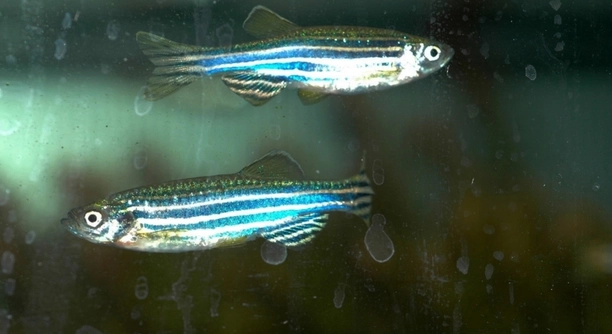
Zebra Danios are known for their curious behavior, often engaging with their surroundings. Understanding whether they can learn by watching other fish offers insight into their cognitive abilities and how they interact within their environment.
Research suggests that Zebra Danios can indeed learn by observing other fish. This ability, known as social learning, enables them to adapt their behavior based on the experiences of others, which may contribute to their survival and social dynamics.
Understanding their learning process can help enhance how we care for and observe these fascinating fish in various environments.
The Science Behind Social Learning in Fish
Zebra Danios, like many fish species, are highly social creatures. Their interactions with other fish can greatly influence their behavior, particularly when it comes to learning. Research shows that fish are capable of observational learning, which means they can pick up on new behaviors by watching others. This type of learning is crucial for survival, as it helps fish navigate their environment, avoid predators, and find food. It’s not just about copying; it’s about adapting to a changing environment based on what others have experienced.
In fact, Zebra Danios have been shown to alter their actions after observing a companion. If one fish finds a food source, others may follow, demonstrating a clear example of social learning. This behavior not only helps them adapt to their surroundings but also strengthens the social structure within the group.
Understanding how Zebra Danios use social learning can offer valuable insights into their care and behavior in captivity. Observing them interact with each other provides a unique perspective on how they function as a species.
Practical Applications in Aquarium Care
If you own Zebra Danios, knowing about their ability to learn from others can help you create a better environment for them. You may notice that when one fish interacts with a new object or tool, others may soon follow.
By introducing changes to the tank gradually and observing how the Danios respond, you can encourage social learning. For instance, placing food in different areas of the tank and watching the fish follow each other can help you understand their social structure and preferences. Social learning isn’t just an interesting trait—it plays a role in how they thrive in captivity.
This understanding can be used to improve their living conditions and provide a more stimulating environment. When Zebra Danios have the opportunity to observe and learn, their overall well-being and social dynamics are enhanced, leading to healthier and happier fish.
Observational Learning and Survival
Zebra Danios’ ability to learn from observing others is not just a fascinating trait; it’s crucial for their survival. By watching their peers, they can quickly adapt to new situations and make decisions that increase their chances of survival. Whether it’s finding food or avoiding predators, social learning helps them navigate the challenges of their environment.
In the wild, social learning enables Zebra Danios to avoid dangerous situations by following the behavior of more experienced fish. For example, if a group of fish detects a predator and flees, others will likely follow suit. This survival strategy works well in schools of fish, where individuals rely on the collective knowledge of the group.
Interestingly, Zebra Danios also show signs of learning from positive experiences. If one fish finds a food source or a safe space, others are likely to join. This type of observational learning ensures they can find essential resources and stay safe in their environment.
Social Hierarchy and Behavior
Zebra Danios exhibit a clear social structure within their schools. This hierarchy plays a role in their learning process as well. Typically, dominant fish influence the behavior of others, often guiding the group toward food or safe spaces. Subordinate fish are more likely to mimic the actions of higher-ranking individuals.
Fish in the lower ranks may observe and learn from the dominant fish, gradually picking up behaviors that help them survive. Over time, these behaviors are passed down through generations, strengthening the overall group dynamic. A more cohesive school benefits from shared knowledge, which makes them more resilient against threats and better at finding resources.
The social hierarchy, combined with observational learning, highlights the importance of cooperation in their survival. Even though Zebra Danios are often seen as small, simple creatures, their social structures are highly complex and integral to their way of life.
Teaching Through Imitation
Zebra Danios can learn behaviors not only by observing but also by imitating others. This ability allows them to replicate actions that might benefit the group, such as finding food or navigating new environments. Imitation helps them adapt faster to changes.
This form of learning is often seen in schools of fish, where one individual discovers a new food source or a safe place and others quickly follow. The ability to imitate behaviors speeds up the learning process, allowing the group to function more efficiently. It also helps them adapt to changes in their environment.
Fish and Problem-Solving
Research has shown that Zebra Danios can solve problems by observing others. For example, if one fish figures out how to get to food hidden in a container, others are likely to learn the same technique by watching. This shows that Zebra Danios are capable of cognitive learning, not just simple mimicry.
Problem-solving through observation can be vital in an aquarium setting. If you introduce a new feature or challenge, the Danios will likely watch each other for cues on how to interact with it. They learn quickly, and this trait can be especially useful in captive environments where there may be changes to their surroundings.
Enhancing Learning in Aquariums
To foster better learning in an aquarium, you can introduce new objects or activities that encourage social learning. Try placing food in new locations or adding new tank features for the fish to explore. Watching their behavior can give you insights into their social dynamics and how well they are adapting.
By understanding how Zebra Danios learn from each other, you can create an environment that stimulates their cognitive abilities and social bonds. It’s not just about the basics of food and shelter; it’s also about offering them opportunities to observe and interact with their environment.
FAQ
Do Zebra Danios have good memories?
Zebra Danios possess a short-term memory that helps them respond to immediate threats and opportunities. They can remember the locations of food sources and areas where they’ve encountered danger. However, their memory doesn’t last long enough for them to recall past experiences over extended periods. This short-term memory allows them to adapt quickly but doesn’t support long-term behavioral changes without repeated experiences.
Can Zebra Danios recognize individual fish?
Zebra Danios are not known to recognize individual fish by their appearance. They rely more on group dynamics and social interactions within schools. They can distinguish between familiar and unfamiliar situations or environments, but they likely do not have the cognitive capacity to recognize individuals as we do. Their behavior is largely driven by instinct and the collective actions of the school.
Do Zebra Danios have complex social structures?
Zebra Danios do have social structures, but these are relatively simple compared to other species. They tend to form schools for safety and food availability. The hierarchy is often based on size and strength, with dominant fish leading the group. This structure can influence how they learn from one another, with dominant fish influencing others’ behavior, especially when it comes to finding food or avoiding danger.
Do Zebra Danios learn from other species?
Zebra Danios primarily learn from other members of their species, as they are highly attuned to the social cues within their own schools. While they may occasionally observe other species in a shared environment, their ability to learn from them is much less likely. They are more likely to respond to behaviors from their own kind, which they can relate to or recognize as similar.
How does social learning benefit Zebra Danios?
Social learning helps Zebra Danios by allowing them to quickly adapt to their environment without trial and error. Instead of each fish individually having to discover safe areas or food sources, they can observe others to make faster decisions. This is particularly beneficial in the wild, where resources can be scarce, and predators are always a threat. In an aquarium, this ability to learn from others helps them adapt to new environments, food types, or tank changes.
Can Zebra Danios be trained to do tricks?
While Zebra Danios can learn through observation, their ability to perform tricks is limited compared to more trainable animals. They may respond to food or light cues, but training them to perform specific tasks like more advanced pets may be difficult. With patience and repetitive exposure to stimuli, they can learn simple tasks, like following a light or swimming through a tunnel, but they are not as responsive to complex training like some other fish species.
Are Zebra Danios easy to care for?
Yes, Zebra Danios are relatively easy to care for. They are hardy fish that can tolerate a range of water conditions, making them a great choice for beginners. They thrive in schools of at least six fish, and they are not particularly fussy when it comes to tank environment. Regular water changes, proper filtration, and a balanced diet will keep them healthy. The only real challenge is ensuring that they are not stressed by aggressive tank mates or drastic environmental changes.
How can I tell if my Zebra Danios are stressed?
Stressed Zebra Danios may exhibit signs like erratic swimming, hiding, or reduced activity. They may also display changes in color, with their normally vibrant stripes fading. Stress can be caused by overcrowding, sudden changes in water parameters, or the presence of aggressive fish. Monitoring the water quality and ensuring a stable environment is key to reducing stress. If these signs are present, it’s important to address the underlying cause to prevent health issues.
Do Zebra Danios need a specific diet?
Zebra Danios are omnivores and thrive on a varied diet. They eat both plant and animal matter, including flakes, pellets, frozen foods, and occasional live food like brine shrimp or daphnia. A well-balanced diet ensures they stay healthy and active. Overfeeding should be avoided as it can lead to water quality issues. Feeding them small amounts multiple times a day is ideal.
Are Zebra Danios aggressive?
Zebra Danios are not typically aggressive, especially when kept in a school. They are peaceful and social fish that prefer being in groups. However, they can display some territorial behavior if kept with other species, especially if they feel their space is threatened. In a tank with many fish, they are likely to be more relaxed and focus on swimming in their group. They are generally good community fish, but it’s important to monitor them with more aggressive species.
How long do Zebra Danios live?
Zebra Danios typically live for 2 to 3 years in a well-maintained aquarium. Their lifespan can be influenced by factors such as water quality, diet, and tank mates. With proper care, some individuals may live longer, but it’s important to keep their environment stable and stress-free to maximize their longevity.
Final Thoughts
Zebra Danios are fascinating creatures with unique learning capabilities. They may not have complex memories or the ability to recognize individual fish, but they excel in social learning within their schools. By observing and imitating others, they adapt to their surroundings more efficiently, making decisions that enhance their survival. These fish are highly social, often following the actions of their peers when it comes to finding food, avoiding predators, or navigating their environment. Their ability to learn from others contributes to their success in both the wild and in captivity.
While Zebra Danios may not be the most trainable fish, their instinctive behaviors and ability to learn by observing others make them an interesting species to keep in an aquarium. They thrive in a group setting, and this social dynamic is key to their well-being. Watching them interact with one another can offer a glimpse into their learning process and social structures. Though not highly interactive with humans, they are still a joy to observe, as they respond to changes in their environment and learn new behaviors through their interactions with tank mates.
In conclusion, Zebra Danios are easy-to-care-for fish with remarkable learning abilities. Their social nature and capacity for observational learning make them adaptable and resilient in various environments. Whether you’re a beginner or an experienced fish keeper, Zebra Danios can be a great addition to your aquarium. With proper care, they can live for several years, providing ongoing enjoyment through their interesting behaviors and social interactions. Understanding their need for a stable, stress-free environment and the benefits of social learning can enhance your experience with these hardy fish.

Hello,
If you enjoy the content that we create, please consider saying a "Thank You!" by leaving a tip.
Every little bit helps us continue crafting quality advice that supports the health, happiness, and well-being of pets around the world, for pets of all shapes, sizes, and species.
We really appreciate the kindness and support that you show us!