
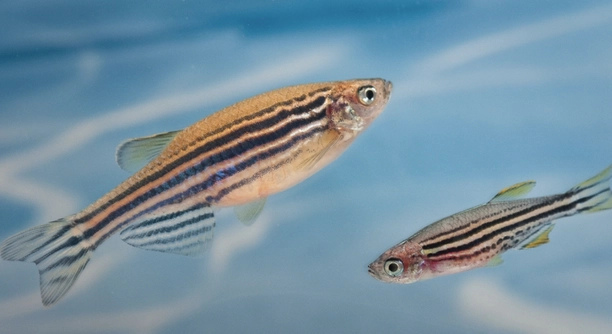
Zebra Danios are small, energetic fish that are often kept as pets. These fish have been studied to understand their behavior and how they interact with their environment. But can they actually learn from their experiences?
Research indicates that Zebra Danios have the capacity to learn from their past experiences, exhibiting forms of associative learning. They can adapt to changes in their surroundings based on previous encounters, which helps them survive in varied environments.
Understanding how Zebra Danios learn could give us insights into how other animals process information and adapt. This article will explain what science reveals about their learning abilities.
What Is Learning in Zebra Danios?
Zebra Danios are capable of learning in ways similar to other animals. They can adapt to their environment based on past experiences, which is an essential survival skill. For example, if they encounter a certain stimulus that leads to a negative result, they can remember it and avoid it in the future. This type of learning helps them make decisions that benefit their well-being. While Zebra Danios may not learn in complex ways like humans or some other animals, their ability to remember and react to experiences is a vital survival tool.
The capacity for learning in these fish has been studied in various experiments, showing that they can associate specific cues with outcomes, much like other animals. This ability enables them to navigate their environments more effectively.
Understanding the learning abilities of Zebra Danios can help us see how even small creatures make decisions based on their past experiences. It also gives us a glimpse into the mental processes of animals that are often overlooked. It shows that learning is not limited to larger, more complex species.
Types of Learning in Zebra Danios
Zebra Danios can exhibit simple forms of learning, including habituation and classical conditioning. Habituation occurs when a fish gets used to a repeated stimulus that doesn’t cause harm, such as a light turning on. Over time, the fish stops reacting to the light because it no longer associates it with anything negative or positive. On the other hand, classical conditioning involves associating a neutral stimulus with a significant event. This type of learning can be seen in experiments where the fish learns to associate a sound or light with food. These forms of learning help Zebra Danios adapt to their surroundings.
Researchers have found that Zebra Danios can form these associations relatively quickly, helping them respond to changes in their environment. In experiments, fish that were conditioned to associate a sound with food showed a clear behavioral change when the sound played. This type of learning is crucial because it helps Zebra Danios seek out resources like food while avoiding harmful situations.
Through these simple forms of learning, Zebra Danios increase their chances of survival. Learning about these basic mechanisms gives us a clearer understanding of how even small animals make decisions based on their experiences. Their ability to adapt through learning is a powerful tool in the wild.
Practical Implications of Zebra Danios Learning
The ability of Zebra Danios to learn has practical implications in both research and pet care. In research, Zebra Danios are often used as models for studying behavior and genetics. Their learning abilities allow scientists to study how the brain processes information and adapts to new experiences. These fish are commonly used in laboratory settings to better understand learning in vertebrates, providing valuable insights into animal cognition.
For pet owners, knowing that Zebra Danios can learn from experience helps in creating a more enriching environment. If kept in a tank with consistent conditions, these fish will be able to recognize patterns and adapt accordingly. For instance, they may begin to associate feeding time with specific actions, like the appearance of a hand at the tank. This understanding allows for a more interactive and engaging care routine for the fish.
By recognizing the role of learning in Zebra Danios, we can also improve their overall health and well-being. Pet owners can make adjustments based on their fish’s behavior, ensuring they thrive in a suitable environment. This highlights the connection between learning and the overall quality of life for animals.
How Do Zebra Danios Learn?
Zebra Danios can learn through simple processes like classical conditioning and habituation. These forms of learning help them adjust to their surroundings by associating certain events with specific outcomes. This ability to adapt based on experience allows them to make better decisions over time.
In classical conditioning, Zebra Danios can associate a particular sound or light with something important, like food. After several repetitions, the fish will begin to react to the sound or light in anticipation of food. This form of learning is crucial for their survival, helping them recognize cues that signal the availability of resources. It shows how these fish can use their past experiences to improve their behavior in the future.
On the other hand, habituation helps Zebra Danios filter out irrelevant stimuli in their environment. If they encounter the same stimulus repeatedly without any harm or benefit, they stop reacting to it. This ability to ignore constant, non-threatening stimuli allows them to focus on more important cues in their environment, improving their efficiency in finding food and avoiding danger.
Environmental Factors That Affect Learning
The environment plays a significant role in how Zebra Danios learn. If they live in a tank with regular changes in light, food, or interaction, they are more likely to adapt quickly. Consistent patterns help reinforce learning. Disruptions in their environment may slow down this process.
For example, in a controlled environment like a fish tank, Zebra Danios can learn when to expect feeding times if they experience consistent cues, such as a hand appearing above the water or a specific light pattern. These environmental triggers help them connect cause and effect. However, if the cues are inconsistent or chaotic, the fish may struggle to form strong associations and might not learn effectively.
The fish’s learning ability also depends on their surroundings being predictable. An environment full of sudden, random changes can interfere with the fish’s learning process. A stable and consistent setting allows Zebra Danios to focus on the important signals and adapt their behavior more effectively. This makes the care and upkeep of their environment an important factor in their ability to learn and thrive.
Can Zebra Danios Recognize Their Owners?
Zebra Danios can recognize familiar stimuli, such as regular feeding times or the presence of their owners. They may show signs of excitement when they see the person who often feeds them. However, their recognition is more based on patterns than individual faces.
Their ability to recognize a familiar person or a specific action comes from their associative learning. If a person consistently feeds them at certain times, the fish will eventually associate that person with food. They may swim toward the surface or gather in one area of the tank in anticipation of being fed. However, this recognition is not based on detailed features, like face recognition in humans.
While Zebra Danios don’t have the advanced cognitive abilities to recognize individuals as we do, their learning process involves remembering cues and patterns that have personal significance. They are more likely to react to routine stimuli than to any specific characteristics of their owner.
The Role of Memory in Zebra Danios’ Learning
Zebra Danios have a form of memory that allows them to retain experiences and adjust their behavior accordingly. Their memory plays a critical role in their ability to avoid dangers and find food. Though their memory may not be as advanced as in some animals, it is still essential for survival.
Through simple associations, Zebra Danios can remember past experiences and use that knowledge to navigate their environment. This memory helps them to avoid harmful stimuli and seek out rewards, such as food. Over time, they adapt to their surroundings by recalling the experiences that had positive or negative outcomes. These memories aren’t as detailed as human memories but serve their purpose in guiding their actions.
For instance, Zebra Danios will learn the patterns that signal feeding time, and over time, their memory helps them anticipate the arrival of food. This kind of simple memory plays a significant role in their daily lives, helping them adjust to their environment and enhance their survival chances.
FAQ
Do Zebra Danios have a good memory?
Zebra Danios have a basic form of memory that helps them learn from past experiences. They can remember specific stimuli like feeding times or danger signals. Their memory is not as complex as that of larger animals, but it is enough for them to adapt to their environment. They rely on simple associations to guide their behavior, such as learning to associate a specific sound or light with food. While their memory might not last as long as in some species, it is still an important tool for survival.
Can Zebra Danios learn from other fish?
Zebra Danios can learn from each other to a certain extent. While they do not have advanced social learning abilities like some other species, they can observe the behaviors of other fish and make connections between actions and outcomes. For example, if one fish finds food in a particular spot, others may follow its behavior and learn where to search. This type of learning is more about observing and mimicking rather than complex problem-solving. It helps Zebra Danios find food and navigate their environment by relying on the actions of their peers.
How long do Zebra Danios remember things?
The memory of Zebra Danios is relatively short-term compared to other animals. They can remember associations for a few days to a week, depending on the context. If the association is strong enough or repeated frequently, they may remember it for longer. For example, if they associate a certain sound with feeding, they will likely respond to it for several days, especially if it continues to be paired with food. However, if the association becomes less relevant or is not reinforced, they may forget it more quickly.
Can Zebra Danios recognize their owners?
Zebra Danios can recognize their owners to some extent, but not in the same way humans or more intelligent animals do. They learn to associate a specific person with feeding times or other actions, like approaching the tank. They may swim to the surface or react in other ways when they see someone who regularly feeds them. However, their recognition is more based on patterns and routines rather than distinguishing individual features like faces. They are more likely to remember the timing of events rather than the specific person.
What factors affect how Zebra Danios learn?
Several factors affect how Zebra Danios learn. The most important ones include consistency, environment, and repetition. Consistent cues, like regular feeding times or predictable changes in the tank environment, make it easier for them to learn and adapt. Repetition of these cues helps reinforce their learning. The environment also plays a role; if the tank is stable and free from too many disturbances, the fish will be able to focus more on learning and adapting. On the other hand, a chaotic or rapidly changing environment can disrupt their learning process.
Do Zebra Danios get stressed by learning new things?
Zebra Danios can experience stress, especially if they are exposed to frequent changes or if they are put into situations where they feel threatened. However, learning itself is not usually a source of stress unless it involves sudden or drastic changes to their environment. Like many animals, Zebra Danios can become stressed if they struggle to make sense of their surroundings or if they feel unsafe. Providing a stable environment and using gentle methods to introduce new stimuli can minimize stress and help the fish learn more effectively.
How can I help my Zebra Danios learn better?
To help Zebra Danios learn more effectively, it is important to maintain a consistent and stable environment. Regular feeding times, consistent tank conditions, and repetitive cues can help reinforce their learning. Keeping the tank environment calm and free from too many sudden changes allows the fish to focus on important cues. You can also use positive reinforcement, like feeding them after they exhibit desired behavior, to strengthen their learning. Avoiding overwhelming them with too many changes at once can help them process new information without becoming stressed.
Do Zebra Danios form social bonds with other fish?
Zebra Danios are social fish and tend to form loose groups or schools in their natural environment. They do not form close, lasting bonds like some other species, but they do interact with one another. These interactions are often based on survival instincts, such as staying in groups for protection and finding food. They may follow the behaviors of other fish in the group, but these interactions are more about social structure and less about forming personal connections. Their social behavior is driven by basic instincts rather than complex emotional bonds.
Can Zebra Danios learn to interact with humans?
Zebra Danios can learn to interact with humans to some degree, mostly by associating a person with feeding time. They may swim toward the surface when they see someone approaching the tank, expecting food. However, their interactions with humans are limited and do not extend beyond basic behaviors like approaching for food or swimming near the glass. They do not have the capacity for complex social interactions with humans but can recognize the patterns associated with human presence in their environment.
How can I tell if my Zebra Danios are stressed?
Zebra Danios show signs of stress through changes in their behavior and appearance. Common indicators of stress include rapid swimming, hiding, erratic movements, and loss of appetite. If the fish seem to be darting around the tank or spending excessive time in corners, it could be a sign that something in their environment is causing them distress. Changes in their coloration, such as becoming paler, can also be a sign of stress. Monitoring their behavior and providing a stable environment can help reduce stress levels.
Final Thoughts
Zebra Danios are fascinating creatures with an ability to learn from their environment. While their cognitive abilities are not as advanced as some other species, they are still capable of adapting based on their experiences. Whether it’s learning to associate a sound with feeding time or recognizing patterns in their surroundings, these fish demonstrate that even small animals can process and respond to information. Their learning methods, including classical conditioning and habituation, show how animals use memory to survive and thrive.
Understanding how Zebra Danios learn and adapt can help pet owners provide better care. By establishing consistent routines, such as regular feeding times, owners can help their fish learn to anticipate important events. A stable environment is key to their ability to learn effectively, and it also reduces the stress that can interfere with their learning processes. By recognizing the ways in which Zebra Danios respond to their surroundings, owners can ensure their fish live in an enriching and comfortable environment. This knowledge is also valuable in scientific research, as these fish are often used to study behavior and learning in animals.
In the end, while Zebra Danios may not be the most intellectually complex animals, their ability to learn from experience plays a significant role in their survival. They may not recognize individual faces or form deep social bonds, but their capacity to remember and adapt to their environment is impressive in its own right. For those who care for these fish, understanding their learning abilities can lead to a more fulfilling and rewarding experience, both for the fish and the person caring for them.

Hello,
If you enjoy the content that we create, please consider saying a "Thank You!" by leaving a tip.
Every little bit helps us continue crafting quality advice that supports the health, happiness, and well-being of pets around the world, for pets of all shapes, sizes, and species.
We really appreciate the kindness and support that you show us!