
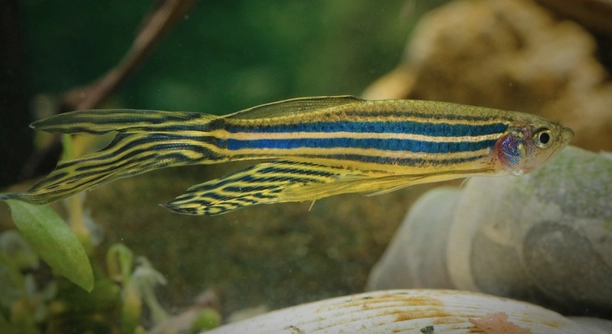
Have you ever watched your zebra danios swim together and wondered if there’s more to their behavior than just instinct? These little fish seem to move in unison, almost like they know each other.
Zebra danios do not form friendships in the way humans do, but they are social creatures that display shoaling behavior, meaning they prefer the company of their own kind for safety and comfort.
Exploring how zebra danios interact helps us understand their social needs and what makes them thrive in a shared aquarium environment.
Understanding Shoaling in Zebra Danios
Zebra danios are known for their active nature and group behavior. In a tank, they rarely swim alone. Instead, they form tight groups called shoals. Shoaling helps them feel secure and less stressed. It’s a natural behavior seen in the wild, where sticking together helps protect them from predators. In an aquarium, shoaling continues because it provides comfort and stability. This doesn’t mean the fish form deep personal bonds, but it shows they rely on the presence of others to feel safe. Keeping at least five zebra danios together in a tank is usually recommended. Fewer than that can cause stress, leading to odd behavior or even health issues. Shoaling also supports a natural swimming rhythm, allowing them to stay active and mentally stimulated. By observing how they move and react together, it’s easy to see how important social interaction is to their well-being.
Zebra danios swim in unison because it makes them feel safe, not because they’ve picked a favorite tank mate.
Shoaling is not the same as forming a bond. It’s more about instinct and survival. Even though it may look like they are close, they don’t remember or favor specific individuals. Instead, they simply prefer not to be alone.
Behavioral Signs to Watch For
Zebra danios can show stress when kept alone or in small numbers. You might notice them hiding more or becoming aggressive.
When their social needs aren’t met, zebra danios often become restless or even show signs of bullying behavior. They may nip at the fins of other tank mates or swim in erratic patterns. This is often a sign of stress from feeling unsafe or uncomfortable. A proper group setting helps reduce this. On the other hand, when kept in a group, they swim more smoothly and appear more relaxed. They may not form unique relationships with specific fish, but their overall behavior improves. A calm tank environment and a proper group size can help reduce unwanted behaviors and support better health. If you’re observing issues, check your tank’s setup—look at the group size, tank space, and water quality. All of these influence how they behave in a group. Watching their movements closely gives helpful insight into their comfort levels.
How Environment Impacts Social Behavior
Tank size, layout, and hiding spots all play a role in how zebra danios behave. A small or bare tank can lead to stress and increased aggression, while a spacious tank allows natural swimming and calmer behavior.
A tank that allows free swimming space is ideal for zebra danios. They’re very active and need room to move around. Adding plants and decorations gives them places to hide, which helps them feel more secure. However, too much clutter can make the space feel cramped, so balance is important. Lighting should be consistent but not too harsh. A stable environment supports natural shoaling behavior and keeps stress levels low. When conditions are poor—like dirty water or loud surroundings—zebra danios may isolate themselves or show anxious behavior. Observing their movement and group patterns regularly can help you catch small issues early and make quick adjustments to keep them comfortable.
Poor water quality and inconsistent tank conditions can interrupt their natural group behavior. Temperature changes, high ammonia levels, or low oxygen make them feel unsafe. This leads to swimming alone, hiding, or aggression. A regular cleaning schedule and proper filtration help keep things stable. Even small changes in water chemistry can influence how they behave with others.
Feeding Habits and Group Dynamics
Feeding time can reveal a lot about how zebra danios interact. They tend to rush toward food together, showing quick, competitive energy. In smaller groups, this behavior becomes more aggressive.
In a well-balanced group, feeding sessions are fast but manageable. They dart around to grab flakes or pellets but usually don’t fight. Overcrowding or underfeeding, though, can trigger nipping or chasing. To help reduce stress during meals, spread food across the surface rather than dropping it in one spot. This gives each fish a better chance to eat without conflict. Feeding the right amount matters, too—too little causes food aggression, while too much can dirty the tank. Zebra danios also benefit from a mix of flakes and protein-rich treats like daphnia or brine shrimp. Balanced feeding helps support calm behavior, even in a group. Watching how they act during feeding is another way to tell if your tank conditions are right.
Do Zebra Danios Remember Each Other?
Zebra danios do not show strong signs of memory tied to individual fish. Their behavior stays the same, even when new danios are added or old ones are removed.
Their social behavior is driven more by instinct than recognition. They swim with others for safety, not familiarity.
Ideal Group Size for a Peaceful Tank
Keeping at least five zebra danios together is best. Smaller numbers can cause stress and make them aggressive. A group of six or more helps spread out energy and keeps the group dynamic balanced. It also reduces the chance of one fish getting singled out. These fish are fast swimmers and like having others nearby to follow. A larger group encourages natural shoaling, which keeps them active and healthy. If you notice nipping or chasing, it might mean the group is too small or the tank is overcrowded. A proper group size in a spacious tank creates the best environment for calm, healthy zebra danios.
Can Other Fish Affect Their Behavior?
Yes, zebra danios often act differently depending on the tank mates they live with. Slower or shy fish may be chased or stressed.
Do zebra danios need a tank mate to feel comfortable?
Zebra danios are social fish and do best in groups. They rely on shoaling behavior to feel safe and secure, so keeping them alone can lead to stress. In a larger group, they’ll naturally swim together and interact, which helps keep them calm. However, a single zebra danio may become isolated and act unnaturally, showing signs of stress like hiding or erratic swimming patterns. It’s always best to have at least five zebra danios together to promote their well-being. While they may not form deep bonds with individual fish, their instinctive group behavior is essential to their comfort.
Can zebra danios live with other species?
Zebra danios are peaceful fish and can typically live with other species that share similar tank conditions. They get along well with other non-aggressive fish, such as guppies, tetras, and small catfish. However, they can be nippy if placed with slow-moving or shy fish. Danios are active swimmers and may chase or bother slower fish during feeding time. It’s best to avoid keeping them with large, territorial fish that might intimidate or harm them. A peaceful community tank with fish that aren’t too aggressive or too passive will make zebra danios feel at ease and thrive.
How many zebra danios can live in a 20-gallon tank?
A 20-gallon tank can comfortably house about 8-10 zebra danios, given the right filtration and water quality. Zebra danios are active swimmers and need room to move around, so providing enough space is essential. Overcrowding can lead to stress, aggressive behavior, and poor water conditions. If you plan to keep other species in the tank, it’s important to consider their size and behavior as well. A 20-gallon tank with proper maintenance can support a peaceful environment for zebra danios and other compatible species. Always make sure to monitor water parameters and make adjustments as needed to ensure the health of all fish.
What water conditions are best for zebra danios?
Zebra danios are quite adaptable to different water conditions, but they prefer slightly acidic to neutral pH levels, typically between 6.5 and 7.5. The water temperature should be kept between 64°F and 75°F (18°C to 24°C). They also thrive in well-filtered, oxygen-rich water. While they are tolerant of a range of conditions, extreme fluctuations in temperature or pH can cause stress and affect their health. Regular water changes and monitoring of ammonia, nitrite, and nitrate levels will ensure they stay healthy. Stable water quality is key to promoting good behavior and keeping zebra danios comfortable in the tank.
Why do zebra danios chase each other?
Zebra danios often chase each other due to their high energy levels and social nature. In a well-sized group, this behavior is typically harmless and part of their natural shoaling instinct. They chase one another to maintain the group’s cohesion and to establish a social structure. However, if they feel stressed or overcrowded, they may become more aggressive and chase each other more aggressively. If you notice excessive chasing or nipping, it may indicate that there are too few fish or that the tank is too small. Increasing the group size or providing more hiding spots can help reduce stress.
Can zebra danios be kept with shrimp?
Yes, zebra danios can generally be kept with shrimp, but there are some things to consider. Zebra danios may nip at smaller shrimp, especially if they are slow-moving or molting. However, larger shrimp like cherry shrimp or amano shrimp are usually fine because they can avoid being caught by the more active danios. It’s best to add shrimp once your zebra danios are well-established in the tank, as younger shrimp may be more vulnerable to being chased or nipped. Providing plenty of hiding spots for the shrimp will help them feel secure and reduce any potential stress from the zebra danios.
How do zebra danios reproduce?
Zebra danios are egg-layers and reproduce by releasing their eggs and sperm into the water. Mating typically occurs in the morning, and the female will scatter her eggs among plants or on the tank substrate. The male fertilizes the eggs shortly after they are released. To breed them successfully in a tank, you should set up a separate breeding tank with plants to give the eggs a place to attach. After a few days, the eggs hatch into tiny fry. To prevent the adult zebra danios from eating the eggs or fry, it’s important to remove them once they are laid. Fry can be fed on infusoria or specially formulated fry food until they grow big enough for regular fish food.
What do zebra danios eat?
Zebra danios are omnivores and have a varied diet, making them easy to feed. In the wild, they eat a mix of small invertebrates, algae, and plant matter. In an aquarium, they’ll gladly eat flake food, pellets, live or frozen foods like brine shrimp, daphnia, and bloodworms. It’s essential to provide a balanced diet to ensure they get all the necessary nutrients. Feeding them a combination of high-quality flakes and protein-rich treats like brine shrimp or daphnia will keep them healthy and active. Avoid overfeeding, as excess food can pollute the water and lead to health issues.
Do zebra danios sleep?
Zebra danios, like most fish, do sleep, though it may not be as obvious as with land animals. They don’t have eyelids, so their sleep isn’t marked by closing their eyes. Instead, they rest in place or swim slowly at the bottom of the tank. They are diurnal, meaning they are most active during the day and sleep at night. Providing a consistent light cycle of about 12 hours of light and 12 hours of darkness helps regulate their sleep patterns. Sleeping is important for their health, as it gives them time to rest and recover from their active behavior during the day.
Why do zebra danios swim in circles?
Swarming or swimming in circles can be a sign of stress in zebra danios. This behavior often occurs when the tank is too small, overcrowded, or the water quality is poor. When they feel trapped or unsafe, they may start swimming in circles as a way of coping with their stress. It can also happen during feeding time when food is scattered. However, if this behavior is persistent or extreme, it’s a sign something is wrong. Check your tank conditions, group size, and filtration to make sure they’re comfortable and their environment is stable.
Zebra danios are active, social fish that thrive in groups. While they don’t form deep friendships like humans do, they do feel safer and more comfortable when surrounded by others of their kind. The act of shoaling is a natural behavior that helps them avoid predators and stay calm in their environment. Keeping them in a group of at least five fish is essential to their well-being. A small group or a solitary zebra danio can lead to stress, restlessness, and aggression. The size of the tank, water quality, and the overall environment all play important roles in ensuring they thrive.
Their social nature doesn’t mean they need close personal bonds with individual tank mates, but they do rely on the group dynamic for safety and comfort. In a well-maintained aquarium, zebra danios interact with each other, swim together, and seem to have a calm and natural rhythm. They are not particularly picky about the species they share a tank with, as long as the other fish are peaceful and don’t pose a threat. However, they can become stressed or act out if housed with aggressive or slow-moving fish, so tank compatibility is something to consider when setting up their home.
Caring for zebra danios is fairly straightforward as long as their social needs are met. Regular tank maintenance, proper feeding, and a stable environment are all that’s needed to keep them happy. With the right conditions, they will happily shoal with each other, bringing life and movement to your tank. While they may not form personal friendships, zebra danios rely heavily on the company of their own species to feel secure and content. By creating the right environment for them, you can ensure that they remain healthy, active, and stress-free in your aquarium.

Hello,
If you enjoy the content that we create, please consider saying a "Thank You!" by leaving a tip.
Every little bit helps us continue crafting quality advice that supports the health, happiness, and well-being of pets around the world, for pets of all shapes, sizes, and species.
We really appreciate the kindness and support that you show us!