
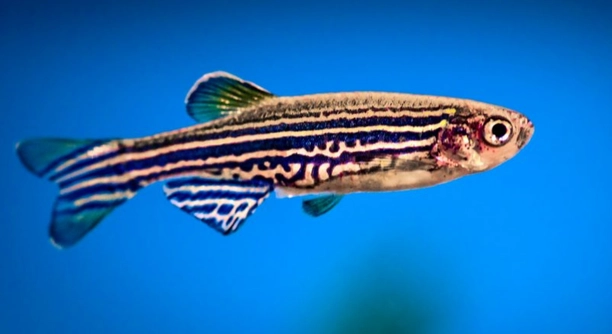
Zebra Danios are a popular choice for aquarium enthusiasts, but what drives their behavior? Are they simply patrolling their environment, or are they exploring it in a more deliberate way? Understanding this can offer valuable insights into their nature.
Zebra Danios typically exhibit both exploratory and patrolling behaviors. They frequently patrol their territory for food, shelter, and safety but also explore new areas, especially when introduced to new environments. Their behavior balances both routine and curiosity.
By examining the different ways these fish interact with their surroundings, we can gain a better understanding of their actions and instincts in the wild and in aquariums.
Zebra Danios: Natural Patrollers or Curious Explorers?
Zebra Danios are small, active fish that are known for their energy and quick movements. In the wild, they tend to patrol their environment, constantly moving from one area to the next. They are often seen swimming near the surface and at different levels in the water. This constant movement allows them to avoid predators and search for food. It’s easy to think of them as always being on a lookout for danger or food. But there is more to their behavior than just keeping watch.
Their actions also suggest that Zebra Danios are naturally curious. When introduced to new environments, they show a clear interest in exploring their surroundings. They may swim to corners of the tank, interact with decorations, or examine objects placed in the water. This suggests that while they are primarily patrolling their space for safety, they also have moments of curiosity. Their exploration behavior is important in maintaining their well-being in captivity.
Zebra Danios often rely on both instincts to stay safe and curiosity to learn about their environment. In nature, this behavior ensures they find new resources and avoid dangers. In aquariums, this balance helps keep them active and engaged. This is why their environment should provide both familiar spaces and new objects for exploration.
Why They Patrol
Zebra Danios patrol to maintain their safety, searching for potential threats and areas with food. This behavior is instinctive.
In the wild, Zebra Danios patrol their territory to avoid predators and find food. Their small size and active nature make them vulnerable to larger fish and animals. Constant movement keeps them alert and ready to flee if needed. In captivity, this behavior continues as they check every part of their tank. For aquarium owners, it is important to offer enough space for the Danios to patrol and feel safe. If confined to a small space, they may become stressed.
The Curious Side of Zebra Danios
Though Zebra Danios are known for their patrol-like behavior, they do show signs of curiosity. They will often explore new areas and objects in their environment. This behavior helps them learn about their surroundings and find new food sources.
In an aquarium, adding different decorations or changing the layout can encourage the fish to explore. This keeps them mentally stimulated, which is key to their health. For example, placing plants or hiding spots within the tank can create areas for the Danios to investigate. It mimics the conditions they might encounter in the wild, where there are rocks and plants to swim through. This curiosity also keeps them active and engaged, preventing boredom.
While patrols focus on safety, exploring offers Zebra Danios the chance to learn more about their space and even socialize with tank mates. It’s the balance of both behaviors that ensures they thrive in an aquarium setting.
The Impact of Environment on Zebra Danio Behavior
Zebra Danios’ behavior is significantly influenced by their environment. The tank setup and water conditions directly affect their activity levels, including how much they patrol and explore.
For instance, a tank with hiding spots and plants provides both safety and stimulation. If the space feels cramped or lacks features for exploration, they may display more repetitive patrol-like behaviors. The presence of objects to interact with encourages them to explore, preventing them from becoming stagnant or stressed. In their natural habitats, Zebra Danios are used to having various elements to navigate and interact with, which is why providing similar conditions in a tank is beneficial.
Water quality plays a role as well. Poor water conditions can lead to stress and decreased exploration. Proper filtration and regular water changes keep the tank environment healthy, ensuring that Zebra Danios remain active and engaged. The right conditions allow these small fish to thrive and exhibit their natural behaviors.
Active or Just Avoiding Danger?
Zebra Danios are often seen moving constantly around the tank, but is it because they are curious, or is it just to avoid potential threats? Their quick and continuous movements can sometimes seem like they are always on guard. However, this is a natural response to feeling threatened or wanting to remain alert in an ever-changing environment.
In the wild, Zebra Danios swim in schools, which helps them feel more secure from predators. In captivity, the presence of other fish or objects in the tank can trigger this sense of vigilance. While it may appear they are simply patrolling their space, they are also keeping a watchful eye on any changes. The constant movement helps them stay ready for any unexpected dangers. Though they are small, their instinct to be always on the move is crucial for their survival.
This behavior may vary depending on their tank mates and overall environment. If they feel secure and comfortable, they may relax their constant motion and show more curiosity toward their surroundings.
Understanding Zebra Danio Social Interactions
Zebra Danios are social fish that tend to thrive in groups. They feel more secure when they are not alone, which influences their patrolling and exploration behaviors.
In groups, Zebra Danios move more freely, as their constant motion serves both to patrol and interact with others. Their social nature encourages them to check out different areas of the tank. They often swim together, creating a sense of security while also keeping an eye out for any food or possible threats. Their collective behavior reduces stress and makes them more confident when exploring their surroundings.
Tank Size and Zebra Danio Movement
The size of the tank can affect how Zebra Danios move and behave. In a cramped tank, they are more likely to patrol the same areas repeatedly, becoming stressed.
A larger tank allows Zebra Danios to move more freely, offering them space to explore. More room gives them the opportunity to create their own territory within the tank and interact with different elements. When they feel more comfortable in their environment, they become less focused on constant patrol and more willing to explore new areas. This balance between space and security is essential for their well-being.
Feeding and Exploration
Feeding times can trigger a surge of activity in Zebra Danios. The excitement of food often leads them to explore new areas of their tank.
When food is introduced, they immediately investigate all corners, swimming more energetically. This exploration at feeding times is a reflection of their curiosity and need to find food. It also highlights their natural foraging instinct, which encourages them to patrol different sections of their environment in search of any potential food sources. This behavior is essential for their survival in the wild and remains prominent in captivity.
FAQ
Do Zebra Danios need to live in groups?
Yes, Zebra Danios are social fish and prefer living in groups. They feel more secure and less stressed when surrounded by others of their kind. A school of at least six or more will help them thrive in an aquarium. Living in groups allows them to engage in natural social behaviors like swimming together and patrolling the tank. It also reduces the likelihood of stress, which can affect their health.
How do Zebra Danios behave when they’re stressed?
When stressed, Zebra Danios may show signs like erratic swimming, hiding, or even less frequent movement. Stress can come from poor water quality, overcrowding, or the presence of aggressive tank mates. They may also lose their usual energetic swimming patterns, which are typically smooth and continuous. Stress can lower their immune system and make them more vulnerable to diseases, so it’s essential to maintain a stable and calm environment for them.
Can Zebra Danios be kept with other species?
Yes, Zebra Danios are peaceful and can be kept with a variety of other fish species that are not overly aggressive. They are often kept in community tanks with other small, non-aggressive fish such as guppies, tetras, or minnows. However, it’s important to avoid placing them with larger fish that might view them as food or aggressive species that could stress them out. Zebra Danios are quick swimmers and can usually hold their own, but they still need a peaceful environment to thrive.
What is the ideal tank size for Zebra Danios?
The minimum recommended tank size for Zebra Danios is 10 gallons. However, the more space, the better, especially if you plan on keeping a group of them. A larger tank allows them to swim freely, patrol their environment, and interact with each other. It also helps maintain a stable water environment. A bigger tank will reduce the stress that can come with overcrowding and allows you to introduce more plants and decorations for their exploration and safety.
What kind of environment do Zebra Danios need?
Zebra Danios prefer a well-planted aquarium with plenty of open swimming space. They enjoy a tank with a stable water temperature between 65°F to 75°F (18°C to 24°C) and slightly acidic to neutral water (pH 6.5–7.5). They also do well in tanks with a gentle current, as they like to swim throughout different areas. The inclusion of plants, rocks, and decorations helps replicate their natural habitat, giving them areas to hide or explore. A proper filtration system is essential to keep the water clean and oxygenated.
How often should I feed Zebra Danios?
Zebra Danios should be fed small amounts 2-3 times a day. Their diet should consist of high-quality flakes or pellets, supplemented with occasional live or frozen foods like brine shrimp or daphnia. Overfeeding can lead to water quality issues, so it’s best to feed only what they can consume in 2-3 minutes. They are not particularly picky eaters, but a varied diet will help keep them healthy and active. Make sure to remove any uneaten food to prevent it from polluting the tank.
Are Zebra Danios hardy fish?
Yes, Zebra Danios are considered hardy fish. They can tolerate a range of water conditions and temperatures, making them an excellent choice for beginners. However, they still require proper care, including clean water, suitable tank mates, and appropriate feeding. While they are more tolerant of changes than many other species, poor water quality or drastic changes in their environment can lead to stress and illness.
Why do Zebra Danios swim in circles?
Zebra Danios may swim in circles or constantly patrol the tank due to their instinct to stay alert. In a tank, they might swim in repetitive patterns as they search for food or check their surroundings. This behavior can also be a sign of boredom or stress if they don’t have enough to explore. Providing plenty of decorations and plants can give them new areas to investigate, helping to reduce repetitive behavior.
Can Zebra Danios live with shrimp?
Yes, Zebra Danios can live with shrimp, especially larger shrimp species like Amano or Cherry shrimp. They are generally peaceful and unlikely to harm shrimp. However, young or small shrimp may be at risk of being eaten, especially if the Danios are hungry or stressed. It’s a good idea to observe their interactions to ensure that both the fish and shrimp are comfortable in the same tank.
What is the lifespan of a Zebra Danio?
Zebra Danios typically live for around 3 to 5 years when properly cared for. Their lifespan can vary based on water quality, diet, and the presence of any diseases. Keeping them in a stable environment with clean water, appropriate tank mates, and a balanced diet will help them live a long, healthy life. Regular monitoring of their health and providing a stress-free environment are essential to their longevity.
Final Thoughts
Zebra Danios are active and social fish that display a blend of curiosity and instinctive behavior. While they are often seen patrolling their environment, they also explore and interact with new surroundings. This balance between exploring and patrolling ensures they stay engaged and active, both in the wild and in aquariums. By providing a tank with enough space, hiding spots, and environmental stimulation, owners can help Zebra Danios feel safe and curious. It’s important to remember that these fish thrive in groups, so having a small school of them will allow them to express their natural behaviors fully.
The key to understanding Zebra Danios is recognizing that their actions are not solely driven by the need to patrol for safety but also by a genuine curiosity to explore. This exploration is part of what makes them interesting to observe. Whether they are swimming through plants or investigating new objects in the tank, Zebra Danios are constantly engaged with their environment. This makes them a great species for those who want active, lively fish in their aquarium. The right balance of environment, tank mates, and space will encourage both patrol and exploration, making their behavior more natural and enjoyable to watch.
While Zebra Danios are hardy fish, they still require a proper tank setup to thrive. A tank with enough swimming space, clean water, and safe conditions will help them live longer and healthier lives. Providing for their curiosity with plenty of plants, decorations, and hiding spots keeps them active and reduces stress. As long as their basic needs are met, Zebra Danios can live up to five years, providing plenty of enjoyment for their owners. With the right care, Zebra Danios can be a wonderful addition to any aquarium, showing a perfect balance of safety-driven patrol and exploratory curiosity.

Hello,
If you enjoy the content that we create, please consider saying a "Thank You!" by leaving a tip.
Every little bit helps us continue crafting quality advice that supports the health, happiness, and well-being of pets around the world, for pets of all shapes, sizes, and species.
We really appreciate the kindness and support that you show us!