
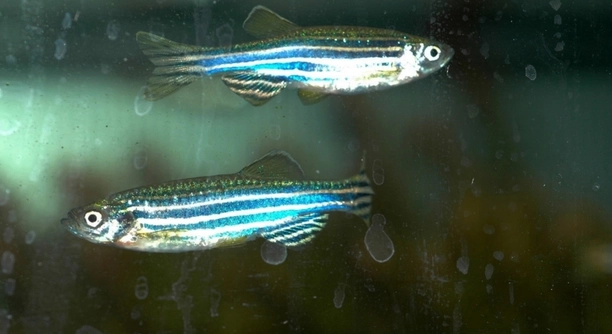
Zebra Danios are a popular fish species in aquariums, known for their vibrant stripes and energetic movements. They are often studied for their behavior, which can reveal fascinating insights about their communication methods in their natural habitat.
Zebra Danios use their movements, such as swimming patterns and body postures, to communicate with each other. These movements help them express emotions, establish territory, and communicate social status within their groups.
Their behavior is more complex than it appears, and exploring it further could provide a deeper understanding of how these tiny creatures interact with each other.
The Role of Movement in Zebra Danio Communication
Zebra Danios rely heavily on their movements to communicate with others in their environment. Unlike humans who use words, these fish express themselves through various types of body language. Their swimming patterns can indicate everything from excitement to stress. For example, when a Zebra Danio is feeling threatened, it may dart rapidly through the water or adopt a stiff posture. This quick movement is often a sign to other fish to stay away. On the other hand, when a Zebra Danio feels comfortable and secure, it moves smoothly and leisurely. The frequency and intensity of their movements can send clear messages about their current emotional state.
Fish like Zebra Danios also use movements to communicate social status. Fish that swim more boldly or in larger groups often signal that they are more dominant. Their body positions and the way they interact with other fish can help establish a pecking order.
These behaviors are essential for their survival. Zebra Danios are social creatures, and their movements help keep their groups connected. The way they swim can signal the need for food, caution about predators, or even the readiness for mating. Through these coordinated actions, Zebra Danios maintain harmony within their communities, ensuring that they all respond to changes in their surroundings at the same time.
What We Can Learn from Their Movements
By observing Zebra Danios, we can better understand how fish use body language to form social structures and communicate their needs. Their behavior can also offer valuable insights into how fish may behave in the wild, especially in response to environmental changes. Studying these movements helps researchers learn more about how fish live and interact with each other in their natural habitat.
Zebra Danios exhibit complex movement patterns that go beyond simple swimming. For instance, during feeding times, they often swim in tight groups, darting in sync to grab food. This cooperative movement not only helps them catch prey more efficiently but also keeps them safe from predators. In contrast, when they are stressed or frightened, their movements become erratic and unpredictable, signaling that something is wrong. This contrast highlights how their movement patterns serve as a form of communication, signaling both comfort and distress.
Understanding these movements is important for aquarium enthusiasts as well. By watching the way Zebra Danios behave, owners can gauge their fish’s health and stress levels. Subtle changes in how the fish swim can indicate if something is off, like water quality issues or a change in tank conditions. Keeping a close eye on their movements ensures that the fish are thriving in their environment and not in distress.
Social Behavior and Group Dynamics
Zebra Danios are highly social and thrive in groups. Their interactions with each other are crucial for their well-being. A single Danio in isolation tends to show signs of stress, including reduced activity and erratic swimming. Being in groups allows them to feel safer and more comfortable.
These fish form loose schools, often swimming together in coordinated patterns. They rely on these groups for protection, as safety in numbers helps deter predators. Within these schools, fish will use their movements to communicate their position, avoid collisions, and maintain harmony. When stressed, Danios may break away from the group, signaling discomfort or danger. Their collective behavior ensures that the entire group reacts to threats in unison, improving their chances of survival.
In addition to avoiding predators, group dynamics also help Zebra Danios in finding food. By swimming together, they increase the likelihood of locating food sources. As they move in sync, their coordinated movements give them a better advantage when searching for food or mates, making group living an essential part of their survival strategy.
Movement During Mating Rituals
During the breeding season, Zebra Danios use their movements to communicate mating readiness. The males will display more vibrant colors and swim in intricate patterns to attract females. Their movements become smoother, often involving rapid bursts of swimming to catch the female’s attention. This display helps to show off their fitness and good health.
Females, on the other hand, are less active in their movements but respond to the males’ gestures by swimming nearby. When a female is receptive, she will follow the male’s movements and join him in a mating chase. This courtship ritual often involves the male performing quick, darting movements in front of the female, while the female observes. Once she selects a mate, both fish move closer to spawning areas.
These movements are essential for successful reproduction. The synchronized movements of the male and female allow for the release of eggs and sperm in the water, ensuring fertilization. The communication through movement increases the chances of the mating process being successful, ensuring that their genes continue to be passed on.
Movement and Territory
Zebra Danios use movement to establish and defend their territories. When a male feels the need to claim space, he will swim in a series of rapid, zigzag motions. These movements serve to warn others of his presence and dominance. Territorial disputes are often resolved through these visual cues.
If another Danio challenges his space, both may engage in brief displays of aggression. These involve chasing each other in sharp, rapid movements. Once one fish backs off, the territorial male resumes his regular swimming pattern. This behavior keeps the social structure intact, as each fish knows where it stands within the group.
Such territorial movement is essential for avoiding overcrowding and ensuring that each fish has enough space. It also helps reduce conflicts that could potentially lead to injury or stress. For Zebra Danios, clear communication through movement is a key factor in maintaining a peaceful aquarium environment.
Impact of Environmental Changes on Movement
Zebra Danios’ movements can change significantly depending on their environment. For example, if the water temperature or quality drops, they may swim sluggishly or become less active. These physical changes serve as a clear sign that something in the environment is amiss, signaling the need for adjustment.
When water conditions improve, their movements become more fluid and energetic again. By paying attention to these changes, aquarium owners can spot issues early and make adjustments. Monitoring their movements is one of the easiest ways to tell if something is off, especially when it comes to water quality.
Health and Stress Indicators Through Movement
Zebra Danios also express their health through their movements. When healthy, they swim confidently, exhibiting quick and purposeful motions. However, if they are sick or stressed, their movements may become erratic or slower. Stressed Danios may swim in circles or near the surface more than usual.
Keeping an eye on these patterns can help in detecting early signs of illness or distress. If the fish seem less active, or if their movements appear disorganized, it may be time to assess the tank conditions or consult a vet.
FAQ
Do Zebra Danios communicate through color changes?
Zebra Danios can indeed communicate through color changes, although it is not as prominent as their movements. Male Zebra Danios, especially during the breeding season, may display brighter colors to attract females. Their bodies may appear more vibrant, with stripes becoming more pronounced. This visual cue is part of their mating ritual, signaling to the female that they are healthy and ready to mate. However, these color changes are less about communication with other fish in the group and more about courtship behavior.
Can Zebra Danios recognize other fish?
Yes, Zebra Danios can recognize other fish. While their social behavior is largely driven by movement and positioning within the group, there is evidence that they can distinguish between individual fish. They rely on body language and movement patterns to identify each other. In a school, Danios will tend to group together with fish they are familiar with, and they may exhibit different behavior when interacting with newcomers. However, their interactions are more about social bonds within the school rather than individual recognition over time.
Why do Zebra Danios swim in a group?
Zebra Danios are social fish and feel safer swimming in groups. Schooling together provides protection from predators, as there is strength in numbers. When in a group, they move in a synchronized manner, which helps them avoid potential threats. The group behavior also provides comfort, reducing stress and encouraging natural feeding and breeding behaviors. It’s common for Zebra Danios to swim in tight formations, especially in larger schools, which creates a sense of security and stability for each individual fish.
Do Zebra Danios get stressed easily?
Zebra Danios can become stressed, especially when placed in unfavorable environments. Poor water quality, inadequate tank size, or the presence of aggressive tank mates can cause stress. When stressed, Zebra Danios might exhibit erratic swimming patterns, such as darting around the tank, swimming in circles, or staying near the surface. Stress can also affect their health, leading to lower immune function and increased susceptibility to diseases. Proper tank conditions, including stable water temperature, cleanliness, and a suitable environment, are key to reducing stress in Zebra Danios.
How do Zebra Danios show aggression?
Zebra Danios generally have peaceful and social temperaments, but they can show aggression in certain situations. Male Danios may become territorial and show aggression towards other males, especially during the breeding season. This aggression is usually displayed through rapid, darting movements, which are meant to establish dominance. The fish may also chase each other around the tank in an attempt to assert control over a particular area. Though aggressive displays are not common in Zebra Danios, they can occur if the fish feel threatened or overcrowded.
Can Zebra Danios communicate with other species in the tank?
Zebra Danios may not communicate directly with other species, but they can influence the behavior of other fish through their movements and actions. If a Zebra Danio feels threatened, it may swim erratically, which could prompt other fish to react in a similar manner. In a community tank, their behavior often creates a ripple effect, with other species mirroring their movements as they perceive danger. While Danios themselves primarily communicate within their species, their actions can still affect the dynamics of the tank as a whole.
Are Zebra Danios active at night?
Zebra Danios are diurnal, meaning they are primarily active during the day. They spend their nights resting, usually near the bottom of the tank or among plants. However, they may still be slightly active at night, especially if there is enough ambient light or if they are in an aquarium with other active species. They will usually be less active during the night and more engaged during daylight hours when they are actively swimming and foraging for food.
How can I tell if my Zebra Danios are happy?
Happy Zebra Danios tend to swim in coordinated groups, displaying smooth, fluid movements. They will interact peacefully with each other, and their colors will be vibrant, especially in males during the breeding season. A content Zebra Danio is typically active and displays no signs of stress, such as erratic swimming or hiding in corners. Ensuring they have plenty of space, a clean environment, and a balanced diet will help maintain their happiness and well-being.
Do Zebra Danios like strong currents?
Zebra Danios generally enjoy moderate water flow but can become stressed if the current is too strong. They are naturally found in flowing streams in the wild, so they are accustomed to moving water. However, in an aquarium, it is essential to provide a gentle current. A strong current can cause them to tire more quickly and may even disrupt their swimming patterns. It’s important to ensure that the water flow in the tank is balanced, allowing them to swim comfortably while still providing oxygenation for the tank.
Can Zebra Danios live with other species?
Yes, Zebra Danios are peaceful fish that can generally live with a variety of other species in a community tank. They do best with non-aggressive fish of similar size. Avoid placing them with very large or aggressive fish, as they can become stressed or injured. Suitable tank mates include other small, peaceful species like tetras, guppies, or corydoras catfish. Zebra Danios thrive in a peaceful environment where they can swim freely and socialize with other species.
How long do Zebra Danios live?
Zebra Danios typically live for about 3 to 5 years in a well-maintained aquarium. Their lifespan depends on factors such as water quality, diet, and tank conditions. A well-cared-for Zebra Danio, with a stable environment, can live longer. Providing proper filtration, temperature regulation, and routine maintenance can ensure they reach their full potential lifespan.
Final Thoughts
Zebra Danios are fascinating little fish with unique ways of communicating through their movements. Their behavior shows that fish, despite being small and often overlooked, have a complex system of communication. From their vibrant displays during mating to their rapid movements when threatened, Zebra Danios rely on body language to express their emotions and needs. Understanding these behaviors can make keeping them as pets more enjoyable, as it allows aquarium owners to better care for their fish by recognizing signs of stress, aggression, or happiness.
Maintaining a proper environment for Zebra Danios is essential for their health and well-being. They thrive in groups and feel safest when surrounded by other Danios. Providing them with a clean, stable tank and monitoring their behavior can help ensure that they live a long, happy life. It’s important to remember that these fish are active and social creatures. They need room to swim, a balanced diet, and the right water conditions to thrive. Pay attention to how they swim and interact with their environment, as this can give you valuable insight into their condition and needs.
By paying attention to their movement and behavior, you can create a better environment for your Zebra Danios. Whether it’s noticing changes in their swimming patterns or ensuring that their social dynamics are intact, understanding their communication methods helps foster a more comfortable and stable tank. Zebra Danios, like all fish, benefit from a peaceful and balanced environment, and by respecting their natural behaviors, you can ensure they continue to thrive in your care.

Hello,
If you enjoy the content that we create, please consider saying a "Thank You!" by leaving a tip.
Every little bit helps us continue crafting quality advice that supports the health, happiness, and well-being of pets around the world, for pets of all shapes, sizes, and species.
We really appreciate the kindness and support that you show us!