
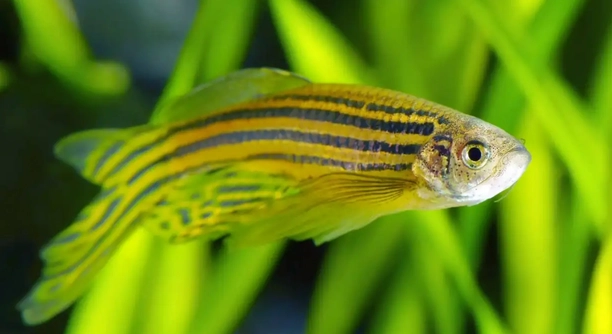
Have you ever watched your zebra danios race around the tank and wondered what’s really going on during all that chasing?
Zebra danios chase each other both for fun and to establish territory. Their active behavior is often playful, but it can also signal mild aggression or pecking order disputes, especially in smaller or crowded tanks.
Understanding their behavior helps you maintain a peaceful tank and gives your zebra danios the best chance to stay active, social, and stress-free.
Why Zebra Danios Chase Each Other
Zebra danios are naturally active fish, and their chasing behavior can often be linked to their playful nature. In many cases, they are simply interacting with their tank mates in a way that keeps them moving and stimulated. These fish are schooling species, which means they prefer to live in groups. Within these groups, it’s normal to see fast swimming and frequent following. However, if one fish is constantly being targeted or shows signs of stress like torn fins or hiding, it may be more than just play. This type of behavior can suggest territorial disputes or an attempt to establish dominance. In small tanks or overcrowded environments, chasing becomes more intense and can lead to injuries. Keeping the tank spacious with plenty of hiding spots can help reduce stress and aggression. A calm tank environment keeps your zebra danios healthier and lets them interact in more peaceful ways.
Zebra danios are happiest when they live in groups of six or more. This helps balance out aggression and creates a more natural pecking order.
If the chasing becomes aggressive, it may be due to poor tank conditions or a lack of space. Monitoring the water quality and adding more plants or decorations can make a difference. Also, avoid keeping only two or three zebra danios, as smaller groups increase stress levels. Watching their daily habits closely will help you understand when the behavior is playful and when it’s a sign of discomfort. Feeding at the same time each day and keeping the lighting regular can also improve their mood and lower stress. The more stable their environment, the less likely they are to show signs of tension or bullying.
When to Worry About Aggressive Behavior
Sometimes chasing is harmless, but in other cases, it signals a need for change in the tank setup or group size.
Zebra danios may become aggressive when the tank is too small, overcrowded, or lacks enough hiding places. These conditions create stress and force fish to compete for space. Signs of trouble include one fish hiding all the time, missing scales, or constant chasing that doesn’t stop. If these things are happening, it’s a sign to take action. Try rearranging tank decorations to break up open areas and give each fish more room to explore. Adding floating plants can also help reduce line-of-sight between fish, giving the more timid ones a break. Increasing the group size can help too, as larger groups spread out aggressive behavior more evenly. Be sure to test your water regularly to avoid poor conditions that may increase stress. A calm, well-decorated tank with enough swimming space makes a big difference in keeping zebra danios active but not aggressive.
How Tank Setup Affects Behavior
Tank size and layout have a big impact on how zebra danios behave. A tank that’s too small can increase tension and lead to more chasing and stress.
Zebra danios need plenty of space to swim freely. A tank that’s at least 20 gallons works best for a small group. It gives them room to establish their own areas without constant contact. Adding plants, rocks, and decorations helps break up sightlines and gives them areas to rest. Floating plants are also helpful because they offer cover without taking up bottom space. Keep the tank filtered and stable to reduce stress. A peaceful environment makes it easier for zebra danios to show their playful side without turning to aggression.
When there are not enough hiding spots or visual barriers, dominant fish may chase others too often. This leads to uneven stress across the group. Try spreading out decorations and creating zones with plants and rocks to give each fish its own space. Avoid sharp edges and keep decorations smooth to prevent injury during chasing. Make sure there’s enough open water for swimming, but also enough cover for comfort. Zebra danios do better when they can move around freely while still having places to rest and escape. A balanced setup supports healthier behavior in the long run.
Signs of Stress or Injury
Zebra danios under stress may swim erratically, hide constantly, or have clamped fins. These signs are often overlooked but can mean something is wrong in the tank.
Look for frayed fins, faded colors, and a fish that stays away from the group. These are signs that chasing might be too aggressive. Other signs include skipping meals, resting at the bottom, or suddenly darting around. Injuries often come from fin-nipping or crashing into decorations while fleeing. If you see wounds or missing scales, separate the injured fish if possible and monitor water quality. A clean, calm tank helps them heal faster. You might also need to rearrange decorations or increase the group size. Pay attention to their body language daily so you can catch signs early. Keeping stress low is the best way to prevent health issues caused by rough chasing.
Do Males Chase More Than Females
Male zebra danios are usually more active and tend to chase more often, especially when trying to impress females. This is normal and often linked to mating behavior, not aggression.
Females may chase occasionally, but it’s less frequent and less intense. Most chasing between males settles down once a group hierarchy is established.
How to Reduce Unwanted Chasing
Keeping a balanced male-to-female ratio helps reduce unwanted chasing. Try to keep more females than males to lower competition. Provide a spacious tank with lots of cover like plants and decorations. Feed your zebra danios a varied diet to keep them well-fed and less territorial. Avoid overcrowding by following the one-inch-per-gallon rule as a guide. Watch their behavior during feeding and add extra feeding spots to limit competition. If needed, rearrange tank items to break line-of-sight. These small changes can help your zebra danios interact more calmly and show fewer signs of stress or dominance through chasing.
Do Zebra Danios Ever Stop Chasing
Zebra danios rarely stop chasing completely, but the behavior becomes less intense once the group settles into a stable social structure.
FAQ
Do zebra danios need a lot of space to swim?
Yes, zebra danios are active swimmers and need enough space to explore and interact with each other. A tank of at least 20 gallons is recommended for a small group, but larger tanks are even better. Providing space allows your fish to establish territories and reduces the stress caused by overcrowding. A spacious tank with plants and decorations also gives them areas to hide when needed, which helps reduce aggressive behavior like chasing.
Why do zebra danios chase each other?
Zebra danios chase each other for several reasons. It can be playful, part of their natural behavior as schooling fish, or a way of establishing dominance and territory. Males tend to chase more, especially when competing for mates. In some cases, chasing may become a sign of stress if it leads to injuries or if one fish is constantly being pursued. If the chasing becomes aggressive, it’s a sign that something may need to change in their environment, such as increasing the tank size or adding more hiding spots.
How can I tell if the chasing is harmful?
If the chasing causes visible harm like missing scales, frayed fins, or stressed behaviors (hiding, erratic swimming), then it’s a sign that the situation needs attention. In a well-balanced environment, chasing is usually brief and non-aggressive, but if it’s constant and leads to physical damage, it’s harmful. Keeping an eye on the behavior of your zebra danios and making sure they’re not being bullied can prevent stress-related injuries.
Is it necessary to have more than one zebra danio?
Zebra danios are schooling fish, which means they thrive in groups of at least six. A single zebra danio will often become stressed and more prone to aggression from other fish. Keeping a group ensures they can form social bonds and reduces the likelihood of excessive chasing. The more danios in the group, the more likely the aggression will spread out and be less focused on one individual.
Do zebra danios get along with other fish?
Yes, zebra danios generally get along with other peaceful fish, especially species that have similar care requirements. They are small, active fish and do well in community tanks. Avoid aggressive or overly territorial species, as they may cause stress or bullying. Some popular tank mates for zebra danios include guppies, tetras, and mollies. Always research any new fish before introducing them to your tank to ensure compatibility.
Can zebra danios live with bettas?
It’s not ideal to keep zebra danios with bettas. Betta fish are known for their territorial nature, especially males, and may become aggressive toward the zebra danios. The danios’ fast movements might provoke the betta, leading to fighting. If you do decide to try keeping them together, make sure the tank is large enough with plenty of hiding spots to give the fish space to avoid each other. However, it’s often safer to keep them in separate tanks to avoid stress or injury.
How do I prevent zebra danios from bullying each other?
To reduce bullying among zebra danios, ensure the tank is large enough and has plenty of hiding spaces like plants or decorations. Adding more danios to the group can also help, as this spreads out any aggressive behavior. If you have an issue with a particularly aggressive fish, consider isolating it temporarily and rearranging the tank to break up established territories. Maintaining stable water conditions, feeding regularly, and avoiding overcrowding will also help keep them calm and reduce any unnecessary chasing.
Why are my zebra danios swimming at the top of the tank?
Zebra danios may swim at the top of the tank due to a lack of oxygen in the water or because they’re seeking food. If you notice them constantly at the surface, check the water quality and ensure your filter is working well. Low oxygen levels can cause fish to gasp for air at the surface. Adding an air stone or improving water circulation can help solve this problem. Additionally, if they’re looking for food, try feeding them at different times of the day or in various locations in the tank.
How often should I feed zebra danios?
Zebra danios should be fed once or twice a day. Overfeeding can lead to water quality issues, which can cause stress and health problems. It’s important to feed them only what they can eat in a few minutes to avoid excess food that might decay in the tank. A varied diet that includes flakes, pellets, and occasional live or frozen food like brine shrimp will keep them healthy and satisfied. Keep the tank clean by removing any leftover food to prevent water contamination.
What’s the best temperature for zebra danios?
Zebra danios prefer water temperatures between 64°F and 75°F (18°C to 24°C). Keeping the water within this range ensures they stay active and healthy. Temperatures outside this range can stress the fish and cause them to become more susceptible to illness. It’s important to maintain consistent water conditions, so use a reliable aquarium heater if needed, especially during colder months. Be sure to check the water temperature regularly using an aquarium thermometer.
Do zebra danios live in fresh or saltwater?
Zebra danios are freshwater fish, and they should only be kept in freshwater tanks. While they can tolerate a range of water conditions, they do not survive well in saltwater or brackish environments. Make sure to adjust the salinity in your tank according to the species of fish you are keeping. Regular water changes and proper filtration will keep the tank’s conditions ideal for your zebra danios to thrive.
Final Thoughts
Zebra danios are active, playful fish that often chase each other as part of their natural behavior. While chasing can be a sign of fun or social interaction, it can also indicate stress or aggression if it becomes too intense. Understanding the reasons behind this behavior helps you maintain a peaceful environment in your tank. By ensuring there’s enough space, hiding spots, and a proper group size, you can reduce unwanted chasing and ensure your fish stay healthy and comfortable. These small adjustments make a big difference in their overall well-being.
It’s important to remember that zebra danios are schooling fish and thrive when kept in groups. The more individuals you have, the less likely you are to see bullying or excessive aggression. A larger group spreads out the aggression, and the fish will spend more time interacting with each other instead of fighting. The right tank setup is equally crucial. A well-decorated tank with plants, rocks, and hiding spots offers the fish a sense of security and can reduce the frequency of chasing. Regularly checking the water quality also helps to keep the fish stress-free.
If you notice that the chasing becomes harmful or one fish is constantly being targeted, it’s time to reassess your tank conditions. Keep an eye out for signs of injury or stress, such as missing scales or a fish that hides constantly. These issues can often be fixed by making small changes, such as adding more fish, changing the tank layout, or adjusting the water parameters. When zebra danios feel comfortable and safe in their environment, their playful behavior remains healthy and enjoyable for both the fish and the aquarium keeper.

Hello,
If you enjoy the content that we create, please consider saying a "Thank You!" by leaving a tip.
Every little bit helps us continue crafting quality advice that supports the health, happiness, and well-being of pets around the world, for pets of all shapes, sizes, and species.
We really appreciate the kindness and support that you show us!