
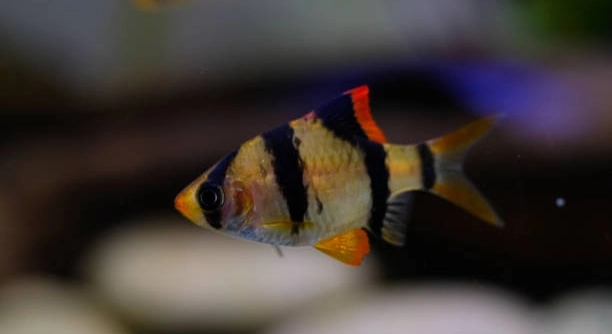
Many aquarium enthusiasts enjoy keeping tiger barbs because of their lively behavior and vibrant colors. Understanding their natural habits, including sleep patterns, helps create a better environment. Knowing how they rest can improve their health and wellbeing in captivity.
Tiger barbs do sleep with the lights off, as they follow a natural day-night cycle. Turning off aquarium lights at night simulates their natural environment, promoting proper rest and reducing stress. Consistent lighting schedules help maintain their regular sleep patterns.
Learning about tiger barbs’ sleep habits can enhance your aquarium care routine. Proper rest is essential for their activity and overall health.
How Tiger Barbs Sleep Naturally
Tiger barbs are diurnal fish, meaning they are active during the day and rest at night. In the wild, they rely on natural light cycles to regulate their behavior. When it gets dark, they become less active and find quiet spots to rest. In an aquarium, replicating these conditions by turning off the lights helps them follow their natural rhythm. They do not close their eyes like humans, but their activity slows down significantly during sleep. This rest period is important for maintaining their health and energy. Without proper darkness, tiger barbs can become stressed and restless, which may affect their immune system. Keeping a consistent light schedule supports their natural sleep habits and overall wellbeing. Observing these patterns helps you create a comfortable environment for your fish.
Sleep quality directly impacts tiger barbs’ health and behavior.
Maintaining a stable environment with regular light and dark periods ensures tiger barbs can rest properly. Sudden changes in lighting can disrupt their sleep, leading to stress and reduced vitality. Nighttime darkness allows them to conserve energy for daytime activity. Inconsistent lighting, such as leaving the aquarium lights on 24/7, can confuse their internal clock. This disruption may cause abnormal swimming patterns and reduce appetite. Providing a quiet and dark environment during their rest time helps tiger barbs recover and remain active during the day. Some hobbyists use timers to automate the light schedule, ensuring consistency even when they are away. Proper sleep promotes healthier colors and better immune responses in tiger barbs, making this aspect of care crucial for their long-term wellbeing.
Effects of Lights Left On Overnight
Leaving aquarium lights on all night can negatively affect tiger barbs. Continuous light exposure prevents them from resting properly.
Constant light can cause stress, weaken immune systems, and lead to aggressive or erratic behavior in tiger barbs. Their natural sleep cycle is interrupted, which may reduce lifespan. This can also affect their appetite and growth. Over time, the lack of darkness can cause persistent fatigue. Maintaining a regular dark period helps prevent these problems. Even a few hours of darkness allow tiger barbs to rest fully. If lights must be on for some reason, using dim night lights or a timer to limit exposure is beneficial. Proper lighting management is a simple step that greatly improves the health and behavior of tiger barbs in home aquariums.
Creating the Ideal Sleep Environment
Proper lighting is key to supporting tiger barbs’ natural sleep patterns. Use a timer to ensure the aquarium lights turn off consistently at night. This helps maintain their internal clock and reduces stress.
A stable light schedule mimics the natural day-night cycle tiger barbs experience in the wild. Lights should be on for about 10-12 hours during the day, followed by 12-14 hours of darkness. Sudden or irregular lighting can confuse the fish, making them restless or aggressive. Along with lighting, providing hiding spots such as plants or decorations offers a sense of security, encouraging restful behavior. Avoid loud noises or frequent disturbances near the tank during dark periods, as these can disrupt sleep.
Keeping the aquarium in a low-traffic area at night can improve rest quality. Adding soft substrate and live plants helps absorb excess light and creates a calming atmosphere. These elements together help tiger barbs feel safe and rested.
Monitoring Sleep Behavior in Tiger Barbs
Tiger barbs reduce movement and hover near the bottom or in shaded areas when resting. Watching these behaviors indicates if they are sleeping well.
If tiger barbs remain active during the night or seem restless, it may signal poor sleep conditions. Continuous activity or darting around the tank after lights are off suggests stress or an improper environment. Regularly check water quality, temperature, and lighting to rule out other causes. Healthy tiger barbs will display predictable patterns of rest and activity that align with the lighting schedule. Observing their behavior over time helps identify disruptions early. Adjusting environmental factors can restore proper sleep cycles and improve fish health.
Consistent sleep behavior is a good sign of a balanced, stress-free aquarium environment. It also supports the fish’s immune system and coloration.
Common Mistakes That Affect Tiger Barb Sleep
Leaving aquarium lights on all night disrupts tiger barbs’ natural rest. This constant light exposure increases stress and weakens their immune systems.
Another mistake is placing the tank in a noisy or high-traffic area. Frequent disturbances during their rest time prevent proper sleep and cause restlessness.
Using Timers for Consistent Lighting
Timers automate light cycles, ensuring tiger barbs receive regular periods of light and darkness without manual effort. This consistency supports their natural behaviors. Using a timer reduces the risk of forgetting to turn lights off, which can disturb sleep. A reliable schedule helps tiger barbs maintain healthy activity patterns and improves overall tank stability. Timers also allow for gradual lighting changes, mimicking sunrise and sunset, which can be less stressful for the fish. Automating lighting creates a more natural environment and promotes better health for your tiger barbs.
Signs of Sleep Deprivation in Tiger Barbs
Restless swimming or increased aggression can indicate poor sleep conditions in tiger barbs.
FAQ
Do tiger barbs need complete darkness to sleep?
Tiger barbs do best with a clear distinction between day and night. Complete darkness helps them rest fully and lowers stress. However, some low, dim lighting during their rest period might be tolerated, but bright lights can interfere with their sleep cycle. Darkness signals their bodies to slow down and conserve energy.
How long should aquarium lights be off for tiger barbs to sleep well?
Typically, aquarium lights should be off for 12 to 14 hours at night. This duration mimics natural conditions and supports their biological clock. Consistency is important; irregular light periods can cause stress and disrupt sleep patterns, which affects their health and behavior.
Can tiger barbs sleep during the day?
Tiger barbs are mainly active during daylight hours, so they do not usually sleep during the day. They rely on nighttime darkness to rest. Occasionally, if stressed or unwell, they might reduce activity during the day, but proper nighttime sleep remains essential.
What behaviors show that tiger barbs are sleeping?
When sleeping, tiger barbs slow their movements significantly or hover quietly near the tank’s bottom or shaded areas. Their fins and body movements become minimal, and they may rest among plants or decorations for cover. They don’t fully close their eyes but appear less alert.
Is it harmful to keep aquarium lights on 24/7 for tiger barbs?
Yes, continuous lighting prevents tiger barbs from resting properly, causing stress and health issues. Constant light exposure can weaken their immune system and increase aggressive behavior. It also disrupts their natural rhythms, reducing lifespan and vitality.
What can I do if my tiger barbs don’t seem to sleep?
Check the light schedule first. Ensure lights turn off for a consistent, adequate period each night. Also, look for disturbances such as noise or tank traffic, which can stress fish. Make sure the tank has enough hiding spots for them to feel secure. Maintaining water quality and temperature within ideal ranges also supports restful behavior.
Can sudden light changes affect tiger barbs’ sleep?
Yes, sudden or frequent light changes can confuse tiger barbs and disturb their sleep. Gradual lighting changes, like slowly dimming lights at night, help fish adjust and reduce stress. Using a timer with gradual on/off settings can improve their comfort and rest quality.
Do tiger barbs need any special tank setup to sleep well?
A tank with plenty of plants and hiding places provides shelter where tiger barbs can feel safe to rest. These areas reduce stress and encourage natural sleep behavior. Soft substrate and low noise levels at night also create a more restful environment.
Will my tiger barbs’ behavior change if they don’t get enough sleep?
Yes, lack of sleep can lead to increased aggression, restlessness, and unusual swimming patterns. It also lowers their immune response, making them more prone to illness. Over time, poor sleep affects their color brightness and overall vitality.
Is it okay to use a night light for tiger barbs?
A very dim night light may be acceptable if complete darkness is not possible, but bright or constant lighting should be avoided. The goal is to simulate natural darkness as closely as possible to support their rest.
How important is a consistent light schedule for tiger barbs?
Consistency is crucial. Regular light and dark cycles maintain their natural rhythms, reducing stress and promoting good health. A stable schedule also helps regulate feeding and activity times, making care easier and more effective.
Can I turn off the lights manually instead of using a timer?
You can, but using a timer is more reliable. Manual switching can lead to inconsistent lighting periods, which may confuse the fish and disrupt their sleep. Timers provide steady light cycles even when you are not home.
How do I know if my tank’s lighting is suitable for tiger barbs?
Appropriate lighting replicates natural daylight with a clear night phase. If your tiger barbs show normal active behavior during the day and rest at night, the lighting is likely suitable. Sudden changes in behavior or stress signs may indicate the need to adjust lighting.
Does tank size affect how tiger barbs sleep?
Tank size itself doesn’t directly affect sleep, but overcrowded or stressful environments can disrupt rest. Providing enough space and hiding spots reduces stress and supports better sleep quality.
Are there any signs that indicate my tiger barbs are well-rested?
Active swimming during the day, bright coloration, and normal feeding behavior usually mean your tiger barbs are resting well. Calm behavior at night also indicates good sleep cycles. If these signs are present, your care routine is likely effective.
Tiger barbs rely on natural light cycles to maintain their health and wellbeing. Providing a consistent environment with clear periods of light and darkness helps them follow their natural rhythm. This rhythm is important because it allows tiger barbs to rest properly at night and stay active during the day. When they get enough rest, their immune systems remain strong, their colors stay bright, and their behavior is more balanced. On the other hand, irregular lighting or constant exposure to light can cause stress and disrupt their sleep. This makes it harder for them to recover and may lead to health problems over time.
Creating a good sleep environment for tiger barbs does not require complicated steps. Using a timer to control aquarium lights is one of the simplest ways to ensure consistent lighting. This helps simulate the natural day-night cycle without extra effort. Adding plants and decorations gives tiger barbs places to hide and feel secure when they rest. It is also important to avoid loud noises or disturbances near the aquarium at night. Quiet and dark conditions promote better rest and reduce stress. Maintaining clean water and stable temperature adds to the overall comfort of the fish. These small actions together make a big difference in how well tiger barbs sleep.
Observing your tiger barbs’ behavior is the best way to know if their sleep needs are met. When they slow down, hover in shaded areas, or stay near the bottom of the tank during the dark period, it shows they are resting. If they seem restless, swim actively at night, or display aggressive behavior, it may mean their environment needs adjustment. Fixing lighting schedules or improving hiding spots can help them return to normal rest patterns. Proper sleep is essential for tiger barbs to thrive, so paying attention to these signs helps keep them healthy and happy in your care.

Hello,
If you enjoy the content that we create, please consider saying a "Thank You!" by leaving a tip.
Every little bit helps us continue crafting quality advice that supports the health, happiness, and well-being of pets around the world, for pets of all shapes, sizes, and species.
We really appreciate the kindness and support that you show us!