
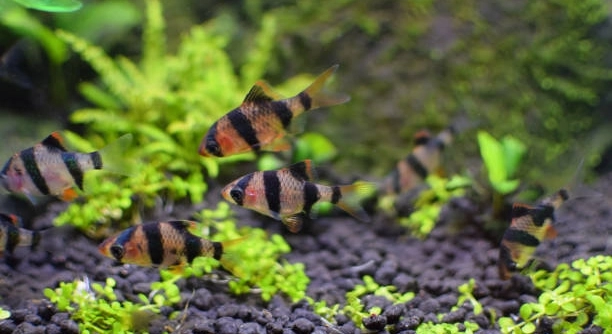
Have you ever stood by your fish tank, watching your tiger barbs chase each other around and wondered what it all means? These fast, colorful fish often show bold behavior that can seem confusing at first.
Tiger barbs do show dominance through chasing, nipping, and establishing a social hierarchy. This behavior is natural and helps maintain group structure, especially in larger schools. Signs of dominance are usually more visible in smaller or imbalanced groups.
Learning about these behaviors can help you create a more peaceful and healthy environment for your fish.
What Dominance Looks Like in Tiger Barbs
Dominance in tiger barbs is easy to spot once you know what to look for. These fish are naturally active and thrive in groups, but they often create a social order within their school. The more dominant barbs tend to lead the group and are usually the first to eat. They may chase or nip at others to maintain their position, especially in tanks with too few companions. This behavior isn’t necessarily aggressive; it’s more about keeping balance within the group. In most cases, the chasing settles down once a stable order is set, and the fish coexist without issue.
Keeping tiger barbs in groups of at least six can reduce stress and make dominance behavior less harsh. When the group is too small, a single fish may become a target.
It’s also helpful to add hiding spots, plants, or decorations. These give lower-ranking barbs space to avoid more dominant ones.
Tank Setup and Group Behavior
A well-planned tank setup makes a big difference in how tiger barbs behave.
To support healthy social behavior, make sure your tank is large enough and includes enough tiger barbs to form a proper group. A group of six to ten helps spread out any chasing and prevents one fish from being bullied too often. When the tank is too small or the group is too small, dominant behaviors can turn into more serious stress. It’s also important to provide a mix of open swimming areas and cover like plants or caves. This lets all the barbs move freely while also giving space to fish that need a break. A balanced setup not only limits conflict but also allows the natural energy of tiger barbs to show in a safer, healthier way. Watching their behavior in a calm and well-structured environment is often more enjoyable and easier to manage.
Signs Your Tiger Barb Is Showing Dominance
You’ll often see a dominant tiger barb chasing others or circling them. It may also be the first to eat and claim the best swimming spots. These signs usually appear more clearly in smaller or unbalanced groups.
Dominant tiger barbs tend to stay more active and alert than the rest. They may nip at fins or swim aggressively around tankmates, especially when food is introduced. This behavior isn’t always harmful, but it can stress out weaker fish over time. Some dominant barbs also flash their colors more brightly, which can be a sign they’re asserting their status. It’s common for these behaviors to happen more often during feeding times or when a new fish is added to the tank.
Understanding this behavior makes it easier to know when things are going too far. If you notice constant chasing, nipping, or signs of injury, it may be time to adjust the tank setup or group size.
How to Manage Aggressive Behavior
Keeping tiger barbs in a group of at least six helps spread out any dominant behavior. This makes it less likely that one fish becomes a constant target. A good mix of tankmates also helps maintain peace.
If aggression becomes a problem, start by checking your tank size. A small tank can make tiger barbs feel cramped, which can lead to more chasing. A 20-gallon tank or larger is better for a school. Adding live plants, rocks, or driftwood can break up sightlines and give fish space to get away from each other. You can also try rearranging decorations to reset territory. Feeding them in different spots can reduce competition too. In some cases, adding more tiger barbs helps balance things out. With the right setup, their social behavior becomes much more manageable.
Do Female Tiger Barbs Show Dominance
Female tiger barbs can also show dominance, but it’s often less intense than in males. They may chase or nudge others, especially during feeding or when establishing space. In a balanced group, this behavior usually stays mild.
Just like males, females need enough space and tankmates to stay peaceful. When housed properly, their social interactions are easier to manage. Even dominant females rarely become overly aggressive if the group is large and the tank is well arranged.
Does Dominance Change Over Time
Dominance can shift depending on the group’s makeup and tank conditions. As fish grow or new ones are added, the social order may change. A once-dominant fish might become less active, while another takes its place. Stress, illness, or aging can also cause shifts. Watching their behavior closely helps you notice these changes early. When balance is maintained, most transitions happen with little trouble.
Final Thoughts on Behavior
Most tiger barb behavior makes sense once you understand their social structure. A well-sized group and proper tank setup can reduce stress and support natural behavior.
FAQ
Can tiger barbs live alone?
Tiger barbs should not be kept alone. They are schooling fish and do best in groups of at least six. A single tiger barb may become stressed, bored, or aggressive due to the lack of social interaction. Without companions, they often stop eating properly and may act skittish or hide most of the time. Keeping them in a group helps them stay active and reduces the chances of aggressive behavior. A well-balanced school allows each fish to interact naturally and helps them feel more secure in the tank environment.
Why do my tiger barbs keep chasing each other?
Chasing is a normal part of their behavior and is often linked to social ranking. Tiger barbs use this action to show dominance or claim space. It becomes a problem when one fish is constantly targeted or injured. This usually happens when there are too few fish in the group or the tank is too small. Increasing the group size and providing hiding spots can reduce the intensity of chasing. Also, make sure they’re not overcrowded or hungry, as both can increase tension in the tank.
Do tiger barbs bite or nip other fish?
Yes, tiger barbs are known for nipping, especially if they are kept in too small of a group. This nipping is often directed at long-finned fish or slower-moving species. It’s not usually harmful within their own group if numbers are balanced, but it can cause stress or injury in the wrong tank setup. Avoid keeping them with fish that have flowing fins like bettas or angelfish. Instead, choose active tankmates of a similar size that can handle the barbs’ fast pace and energy.
Can a dominant tiger barb hurt others?
In some cases, yes. If one barb is overly aggressive and constantly chasing or biting others, it can lead to injury or stress. This usually points to a problem with the tank setup—such as too few barbs, lack of space, or not enough cover. A stressed fish may stop eating, hide constantly, or even become sick. If one fish is acting out, try rearranging the tank, adding more hiding places, or increasing the group size. Sometimes, removing the aggressive fish for a few days and reintroducing it can help reset behavior.
How can I tell if my tiger barbs are stressed?
Stressed tiger barbs may breathe heavily, lose color, hide often, or stop eating. Constant chasing, damaged fins, or staying in one corner of the tank are also signs something is wrong. Stress can be caused by poor water quality, the wrong tankmates, a small group size, or lack of cover. Regular water changes, good filtration, and the right tank setup can reduce stress. Watching their behavior closely each day makes it easier to catch issues before they become serious.
Do tiger barbs fight for food?
Yes, they can become competitive during feeding time. The dominant ones usually eat first and may push others away. This can lead to uneven feeding, with weaker fish missing out. To avoid this, try feeding small amounts in different spots around the tank. This spreads the food out and gives all fish a better chance to eat. You can also use sinking pellets or slow-release feeders to make the process less rushed. Consistent feeding routines help reduce food-related stress.
Can I stop tiger barbs from being aggressive?
You can’t completely stop their natural behavior, but you can manage it. Keeping a school of six or more is the most important step. Make sure the tank is at least 20 gallons and has enough plants or decorations to break up space. Choose the right tankmates and feed them regularly. These steps won’t remove all aggression, but they make it more manageable and less harmful. Observing their behavior often helps you make small changes before things get worse.
Do tiger barbs get along with other fish?
They can, but it depends on the other species. Tiger barbs do best with fast, active fish like danios, loaches, or tetras. Avoid slow-moving or long-finned species, which may become targets for nipping. Having a proper group of tiger barbs also reduces how much they bother others. A peaceful, well-structured tank helps prevent conflict and makes it easier for different species to coexist. Always watch new tankmates closely to make sure the group gets along well.
Final Thoughts
Tiger barbs are active, social fish that can bring a lot of life to a tank. Their bold behavior and constant movement make them interesting to watch, but they also need the right setup to stay peaceful. Understanding their natural behavior, especially their need to establish dominance, helps avoid problems. Keeping them in a group of six or more allows them to spread out any chasing or nipping. This also helps lower stress and prevents one fish from being targeted too often. With enough space, cover, and the right tankmates, most issues with aggression can be managed or even avoided completely.
A balanced tank setup is one of the most important parts of keeping tiger barbs healthy and happy. A 20-gallon tank or larger gives them room to swim and interact naturally. Adding plants, rocks, or other decorations helps break up their line of sight, giving weaker fish a place to hide when needed. Feeding them in more than one spot and keeping a regular schedule also helps reduce food-related tension. While you can’t stop their dominance behavior entirely, these small adjustments go a long way in keeping their actions from becoming harmful. Most tiger barbs settle down once a stable order is formed and the group feels safe.
Watching your tiger barbs closely helps you catch changes early. If you notice increased aggression, loss of appetite, or one fish being chased too much, it may be time to adjust the tank. This might mean changing the layout, adding more fish, or checking water conditions. Regular care, along with a proper understanding of how tiger barbs interact, makes it easier to maintain a calm and active tank. Their social structure is a natural part of who they are, and when supported properly, it becomes something that adds interest rather than stress. With the right care, tiger barbs can be both lively and well-behaved additions to your aquarium.

Hello,
If you enjoy the content that we create, please consider saying a "Thank You!" by leaving a tip.
Every little bit helps us continue crafting quality advice that supports the health, happiness, and well-being of pets around the world, for pets of all shapes, sizes, and species.
We really appreciate the kindness and support that you show us!