
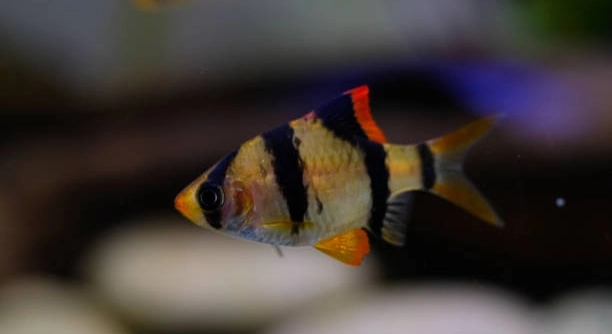
Tiger Barbs are active and colorful fish often kept in home aquariums. Many hobbyists notice their behavior near the tank glass and wonder about their reactions to reflections. Understanding how they respond can help create a better environment for these lively fish.
Tiger Barbs do react to their reflections in the tank. They may mistake reflections for other fish, triggering territorial or social behavior. This response is common and can cause increased activity or stress if the reflection is persistent.
Recognizing these behaviors helps in managing tank setups and ensuring the well-being of your Tiger Barbs in captivity.
Why Tiger Barbs React to Their Reflections
Tiger Barbs are naturally territorial and social fish. When they see their reflection, they often mistake it for another fish entering their space. This can cause them to act defensively by flaring their fins, chasing the reflection, or displaying aggressive behavior. In some cases, the fish may become stressed if the reflection appears frequently or if the tank lighting creates strong reflections. This behavior is more noticeable when the tank is placed near bright lights or windows. Reflections can also confuse Tiger Barbs because their natural environment rarely includes clear reflective surfaces like aquarium glass. Knowing this helps you understand why they sometimes seem restless or agitated near the tank walls. Adjusting lighting or tank placement can reduce these reflections and create a calmer environment for your fish.
Reflections often cause temporary changes in behavior but usually do not harm Tiger Barbs. Managing the tank setup can minimize stress.
If reflections continue to stress the fish, adding tank decorations or plants near the glass can help break up reflections. Using a background or repositioning the aquarium away from direct light sources also reduces reflections. These steps make the fish feel more secure and less likely to react to their own image. A peaceful environment helps maintain their natural behavior and overall health.
How to Manage Tank Reflections for Tiger Barbs
Tank reflections are most noticeable under bright or direct light. Keeping the tank away from windows or strong lamps can reduce this issue.
Adding plants, rocks, or backgrounds creates visual barriers, breaking up reflective surfaces inside the tank. This limits the fish’s exposure to their reflections. Live or artificial plants near the tank glass provide hiding spots and distractions. Backgrounds on the tank’s outside back wall prevent reflections from behind the fish. These methods help reduce aggression and stress caused by reflections.
In some cases, a dimmer tank lighting setup can also calm Tiger Barbs. Lower lighting reduces sharp reflections while still allowing the fish to display their colors. Monitoring the fish’s behavior after making changes is important to ensure the environment is comfortable. With proper management, reflections will not interfere with their natural social interactions or cause prolonged stress.
Signs Your Tiger Barbs Are Reacting to Reflections
Tiger Barbs may suddenly become more active near the tank glass. They often swim aggressively toward the reflection, flaring fins or chasing what seems like another fish. These actions usually happen repeatedly and can appear as territorial behavior.
This reaction can make the fish seem restless or stressed, especially if it happens frequently. You might notice the fish spending more time at the edges of the tank or showing signs of irritation. Sometimes, the fish may even nip at the glass or try to chase their own image. These behaviors indicate that the reflection is affecting them.
Not all Tiger Barbs respond the same way. Some might ignore reflections altogether, while others may become highly territorial or anxious. Monitoring how often your fish show these signs helps you understand their sensitivity to reflections and guides adjustments in their environment to reduce stress.
Adjusting Your Aquarium to Reduce Reflections
Placing the aquarium away from windows or bright lights reduces the chances of reflections. Reflections happen mostly when light hits the glass at certain angles, so controlling lighting is key.
Adding decorations like plants or rocks near the glass breaks up reflections inside the tank. This creates natural barriers that distract the fish from their mirrored images. A solid background on the tank also prevents reflections from behind the aquarium, keeping the environment calmer for the fish. These simple changes improve the overall comfort and reduce aggressive behavior linked to reflections.
How Reflections Affect Tiger Barb Behavior
Reflections can trigger increased aggression and territorial displays in Tiger Barbs. These fish may become more active and stressed when they see their mirrored image. The behavior can disrupt their usual swimming patterns and social interactions within the tank.
Continuous exposure to reflections may cause unnecessary stress, affecting the fish’s health over time. Stress can weaken their immune system and reduce lifespan. It’s important to manage reflections carefully to maintain a peaceful environment for your Tiger Barbs.
Tank Placement Tips to Minimize Reflections
Place the aquarium away from direct sunlight or bright artificial lights. This reduces glare and sharp reflections on the glass. Using curtains or blinds in rooms with strong sunlight helps control lighting conditions effectively.
Using Tank Backgrounds
Tank backgrounds help block reflections from outside the aquarium. Solid or dark-colored backgrounds work best to reduce mirrored images. They also add visual depth and make the environment feel more secure for the fish.
Monitoring Fish Behavior
Regularly observe your Tiger Barbs for signs of stress or aggression. Early detection helps prevent long-term issues caused by reflections.
FAQ
Do Tiger Barbs always react to their reflections?
Not all Tiger Barbs react to reflections in the same way. Some ignore their mirrored image, while others may become quite territorial or stressed. The reaction depends on the individual fish’s personality and the environment around the tank, such as lighting and tank setup.
How can I tell if my Tiger Barbs are stressed by reflections?
Signs of stress include increased aggression, frantic swimming near the glass, and fin flaring. You might also notice the fish avoiding other parts of the tank or spending too much time chasing their reflection. These behaviors can indicate that reflections are causing discomfort.
Can reflections harm Tiger Barbs physically?
Reflections themselves do not physically harm Tiger Barbs, but the stress they cause can weaken their immune system. Long-term stress may lead to illness or reduced lifespan, so managing reflections is important for the fish’s health.
What is the best way to reduce reflections in an aquarium?
The simplest way to reduce reflections is by controlling the light around the tank. Avoid placing the aquarium near windows or bright lamps. Adding plants, rocks, or a dark background can also break up reflective surfaces and distract the fish.
Are reflections more common during certain times of the day?
Yes, reflections tend to be more noticeable when sunlight or strong artificial lights hit the aquarium glass at specific angles. Morning or afternoon sunlight is often the strongest source, so monitoring the tank’s location during these times can help.
Should I use a background on my tank to prevent reflections?
Using a solid or dark background on the tank is highly effective. It blocks reflections from the outside and gives the fish a more secure feeling. Many fishkeepers find this simple addition greatly reduces territorial behavior linked to reflections.
Can tank decorations help with reflection issues?
Yes, decorations like plants, rocks, or driftwood placed near the glass break up reflections inside the tank. These elements create natural barriers and hiding spots, which help reduce stress caused by seeing their own image repeatedly.
Does tank size affect how Tiger Barbs react to reflections?
Tank size can play a role. In smaller tanks, reflections are more likely to be noticed because the glass surfaces are closer together. Larger tanks with more space and decorations may help reduce reflection effects by providing more distractions.
Is it normal for Tiger Barbs to chase their reflection?
Yes, it is a common behavior. Tiger Barbs are territorial and social fish. When they see their reflection, they often think it is another fish invading their space. This leads to chasing or displaying aggression, which is natural but can be stressful if prolonged.
Can reflections cause permanent damage to Tiger Barbs?
Reflections themselves do not cause permanent damage, but repeated stress can affect the fish’s health over time. Managing reflections and monitoring behavior are important to prevent long-term problems and keep the fish comfortable.
How often should I check for reflection-related stress?
Regular observation is best. Checking your Tiger Barbs daily helps you notice any changes in behavior early. If you spot signs of stress or aggression near the glass, it may be time to adjust lighting or tank decorations.
Is dim lighting better for reducing reflections?
Lower lighting can reduce sharp reflections, making it less likely for Tiger Barbs to react to their image. However, the lighting should still be bright enough for the fish’s health and to showcase their colors. Finding a balance is key.
Are Tiger Barbs more sensitive to reflections than other fish?
Tiger Barbs can be more reactive because they are naturally territorial and active. Some fish species may ignore reflections completely, while Tiger Barbs may show more noticeable behavioral changes due to their social nature.
What should I do if my Tiger Barbs are constantly stressed by reflections?
Start by changing the tank’s location or adjusting the lighting. Add more decorations or a background to break up reflections. If stress continues, consider consulting an aquarium specialist for advice on improving your fish’s environment.
Do reflections affect the social behavior of Tiger Barbs?
Yes, reflections can disrupt social interactions by causing false territorial disputes. The fish might waste energy chasing their own image instead of engaging with tank mates. Reducing reflections helps maintain natural social dynamics.
Can reflections cause fighting among Tiger Barbs?
Reflections themselves don’t cause fighting, but they can increase aggression by confusing the fish. When a Tiger Barb sees its reflection, it may think there is a rival. This can lead to aggressive displays or chasing that may escalate if unchecked.
Are reflections more of a problem in certain types of tanks?
Reflections are more problematic in tanks with clear glass and bright lighting. Tanks without backgrounds or decorations also tend to have stronger reflections. Adjusting these factors helps minimize the issue.
How quickly do Tiger Barbs get used to reflections?
Some Tiger Barbs may become less reactive over time as they get used to their reflection. Others remain sensitive. It varies by individual fish and tank conditions. Reducing reflections speeds up adaptation and lowers stress.
Does the color of the tank background matter?
Darker backgrounds reduce reflections better than light or transparent ones. A solid black or deep blue background is often recommended to minimize mirror-like effects and provide a calming environment.
Is it harmful to cover the tank glass to prevent reflections?
Covering part of the tank glass from the outside with non-reflective materials can reduce reflections. However, this should not block the fish’s view or restrict light too much. It’s important to balance reducing reflections and maintaining a healthy environment.
Tiger Barbs reacting to tank reflections is a common experience for many aquarium owners. These fish naturally see their mirrored image as a potential rival, which can lead to behaviors like chasing, fin flaring, or increased activity near the glass. While this reaction is normal, it can sometimes cause stress if the reflection is constant or too intense. Stress is not something to overlook, as it may affect the fish’s health and well-being over time. Understanding this behavior helps aquarium owners take steps to create a calmer environment for their Tiger Barbs.
Managing reflections in the tank mainly involves controlling light and visual distractions. Placing the aquarium away from direct sunlight and bright lamps reduces glare and sharp reflections. Adding tank decorations such as plants, rocks, or backgrounds breaks up reflective surfaces inside the tank and blocks outside reflections. These adjustments create a more natural setting for the fish, helping them feel secure. When the fish are less focused on their own reflections, they can interact more normally with other fish and spend less energy on defensive behaviors.
Regular observation is important to notice how Tiger Barbs respond to reflections in your setup. Not all fish react the same, and some may be more sensitive than others. Watching for signs of stress or aggression near the tank glass allows you to make changes early on. Simple steps like dimming tank lights, repositioning the aquarium, or adding backgrounds can make a significant difference. By managing reflections carefully, you help ensure your Tiger Barbs stay healthy, less stressed, and able to thrive in their aquarium home.

Hello,
If you enjoy the content that we create, please consider saying a "Thank You!" by leaving a tip.
Every little bit helps us continue crafting quality advice that supports the health, happiness, and well-being of pets around the world, for pets of all shapes, sizes, and species.
We really appreciate the kindness and support that you show us!