
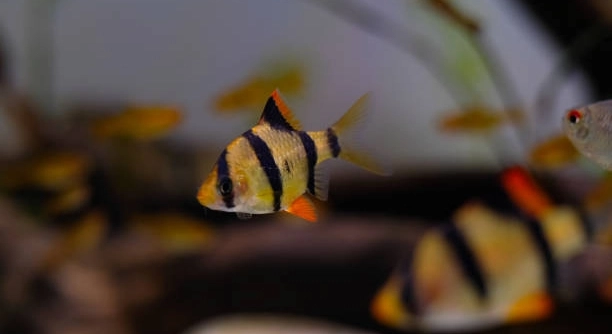
Do you ever notice how your fish tank sounds might affect the way your tiger barbs behave? Many fish owners wonder if music or noise changes how these colorful fish swim and interact. Understanding their reaction can improve how we care for them.
Tiger barbs show limited reaction to music or general noise. Their behavior mainly depends on water conditions, tank environment, and presence of other fish rather than sound stimuli. Loud or sudden noises may cause brief stress but no lasting changes.
Exploring how sound influences tiger barbs can help create a better tank environment and support their wellbeing in subtle ways.
How Tiger Barbs Respond to Sounds
Tiger barbs mainly rely on their senses of sight and smell to understand their environment. Unlike mammals, fish do not have ears but detect vibrations through their lateral line system. This means they can sense some noises but not in the same way humans do. When music or background noise plays near the tank, tiger barbs might notice the vibrations, but these usually do not cause strong reactions. Sudden loud sounds, however, can startle them for a short time. If the noise continues constantly at a high level, it might increase stress, which is not good for their health. Quiet, calm environments are best for these fish to stay relaxed and active. Keeping the tank in a peaceful spot helps them maintain their natural behavior without unnecessary disturbances.
Tiger barbs do not react directly to music but can be sensitive to loud or abrupt noises.
Knowing how sound affects tiger barbs can improve your care routine and tank setup, creating a calm space for them to thrive.
Creating a Comfortable Environment for Tiger Barbs
A calm environment supports healthy behavior and reduces stress in tiger barbs.
Lighting, tank size, water quality, and tank mates have a greater effect on tiger barbs’ wellbeing than sound. Proper water temperature and regular cleaning are crucial. Overcrowded tanks or aggressive neighbors cause more stress than background noise. Providing plants and hiding spots helps them feel safe. While sounds may cause slight discomfort if very loud or sudden, stable conditions and a peaceful atmosphere are far more important. Music at a low volume or gentle household noise rarely disturbs them. Ensuring good water flow and oxygen levels also keeps them healthy and active. Understanding these factors helps keep your tiger barbs happy and vibrant for a long time.
Impact of Different Types of Noise
Constant loud noise can increase stress levels in tiger barbs.
Sudden bangs or sharp noises may cause quick bursts of panic, making the fish dart around the tank. This reaction is natural but should be avoided to prevent injury or exhaustion. On the other hand, soft background sounds like quiet music or household noises usually do not bother them. Their ability to detect vibrations is limited to the tank water, so distant noises have little effect. Tank placement away from noisy areas helps reduce stress.
Low to moderate noise levels don’t significantly change tiger barb behavior. Their main triggers are changes in water quality and tank environment. Ensuring a stable habitat is far more important than controlling background sounds.
Tips to Minimize Noise Stress for Tiger Barbs
Keeping noise levels low around the tank benefits tiger barbs’ comfort.
Choose a quiet area for the aquarium, away from busy rooms or loud appliances. Avoid placing the tank near speakers or heavy traffic zones. Adding soft materials like rugs or curtains can absorb sound waves, reducing vibrations around the tank. Regular maintenance to keep water clean and oxygenated helps fish stay healthy despite minor noise. If sudden noise is unavoidable, try covering part of the tank temporarily with a dark cloth to help fish feel safe. Simple changes like these reduce stress and help tiger barbs stay calm and active in their environment.
How to Observe Your Tiger Barbs’ Reactions
Watch for changes in swimming patterns or hiding behaviors.
If your fish seem restless or avoid certain areas, noise could be a factor.
Signs of Stress Caused by Noise
Stress in tiger barbs shows as faded colors, rapid breathing, or loss of appetite. These signs suggest the environment may be too noisy or otherwise uncomfortable. Early detection helps prevent health issues and keeps the fish active and healthy.
When to Consult a Specialist
If behavior changes persist despite quieting the environment, seek advice from an aquatic veterinarian or experienced fish keeper. Professional guidance can identify other causes and suggest solutions to improve your tiger barbs’ wellbeing.
Do tiger barbs like music?
Tiger barbs do not have the ability to appreciate music like humans do. Their hearing is limited to sensing vibrations through the water, not recognizing melodies or rhythms. Soft background sounds might be noticed as vibrations, but these usually don’t affect their behavior. They respond more to changes in their environment, such as water quality and tank mates, rather than music itself.
Can loud noises harm tiger barbs?
Loud noises can cause temporary stress to tiger barbs. Sudden, sharp sounds may startle them, leading to rapid swimming or hiding. If loud noise is constant, it can increase stress levels and weaken their immune system over time. Avoid placing the tank near noisy appliances or areas with frequent loud sounds to keep the fish comfortable and healthy.
Do tiger barbs react to human voices?
Tiger barbs might notice vibrations from nearby human voices, but they don’t understand or respond directly to speech. Their reactions are generally mild unless the voices are loud or sudden, which could briefly startle them. Consistent gentle talking near the tank is unlikely to disturb them.
Is it okay to play music near my fish tank?
Playing music at a low volume near a fish tank is usually safe for tiger barbs. They might detect some vibrations but won’t react negatively if the sound is soft and steady. Avoid heavy bass or loud music close to the tank, as strong vibrations can stress the fish.
How can I tell if noise is stressing my tiger barbs?
Look for signs such as unusual hiding, darting quickly around the tank, faded colors, or reduced appetite. These behaviors often point to stress. If these signs appear after exposure to noise, consider reducing sound levels and observing if the fish return to normal behavior.
Can tiger barbs get used to noise?
Tiger barbs can gradually adapt to constant, low-level noise over time. However, sudden or very loud noises will always startle them. Consistent, gentle environmental sounds might become background stimuli that they ignore. It is best to maintain a calm environment to avoid unnecessary stress.
Do other fish react differently to music or noise?
Different fish species have varied sensitivity to sound and vibrations. Some fish may be more reactive than tiger barbs, while others barely notice noises. Researching the specific needs and behaviors of your fish species helps create the best environment for them.
Does playing music help calm fish?
There is no clear evidence that music calms fish like tiger barbs. Their calming factors are mostly related to stable water conditions and peaceful tank environments. Noise reduction is more effective than adding music for reducing fish stress.
Can tank vibrations from speakers harm fish?
Strong vibrations from speakers placed close to the tank can stress fish by disturbing the water’s natural calm. These vibrations may cause discomfort and disrupt normal swimming patterns. Avoid placing speakers directly on or too close to the tank to protect your fish.
What is the best way to reduce noise stress for tiger barbs?
Place the tank in a quiet area, away from loud appliances and high traffic. Use soft furnishings like rugs or curtains nearby to absorb sound. Regular tank maintenance and stable water conditions are key to helping tiger barbs feel safe, reducing stress from any unavoidable noise.
Tiger barbs are fascinating fish that respond mostly to their environment rather than sounds like music or noise. While they can detect vibrations in the water, they do not truly hear or react to music the way humans do. Instead, their behavior depends much more on the tank’s conditions, such as water quality, temperature, and tank mates. Loud or sudden noises can startle them briefly, but these reactions usually do not last long if the noise stops. Providing a calm and stable environment helps keep tiger barbs healthy and comfortable, allowing them to show their natural, lively behavior.
It is important to pay attention to how your tiger barbs act when there is noise near their tank. If you notice signs like hiding, rapid swimming, or faded colors, the fish might be stressed. Noise can be one reason, especially if it is loud or unexpected. Reducing noise levels by placing the tank in a quieter spot or softening sound around it can make a difference. Small changes, like using rugs or curtains nearby, may absorb some vibrations and create a more peaceful space for your fish. Keeping the tank clean, maintaining water quality, and providing enough space are even more important for their well-being.
Ultimately, tiger barbs need a calm and safe home where they can thrive without too many disturbances. While music and gentle background sounds usually do not bother them, very loud or constant noise should be avoided. Understanding how these fish react to their surroundings helps you create the best care routine. Watching their behavior closely and adjusting the environment when needed will ensure your tiger barbs live a happy, healthy life. This simple approach benefits both the fish and the enjoyment of watching them in your aquarium.

Hello,
If you enjoy the content that we create, please consider saying a "Thank You!" by leaving a tip.
Every little bit helps us continue crafting quality advice that supports the health, happiness, and well-being of pets around the world, for pets of all shapes, sizes, and species.
We really appreciate the kindness and support that you show us!