
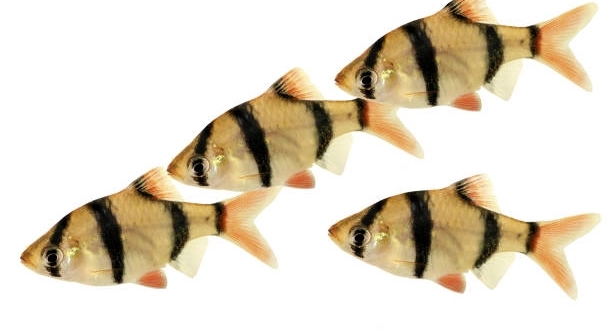
Have you ever stood by your fish tank and noticed your tiger barbs acting strangely when they catch a glimpse of their reflection?
Tiger barbs can react to mirror surfaces with increased aggression, mistaking their reflection for another fish. This response is rooted in their territorial nature and social behavior, which can lead to stress or conflict in some setups.
This article explores what causes these reactions, how they affect your fish, and whether mirrors should be used in a tiger barb tank.
Why Tiger Barbs React to Mirrors
Tiger barbs are active, social fish that often display bold behavior in a group setting. When placed in a tank with a mirror, some may respond aggressively or appear more energetic. This is because they mistake their reflection for another fish, especially a rival. Unlike some peaceful fish, tiger barbs have a natural instinct to establish dominance within a group. Seeing another “fish” that doesn’t back down can trigger their competitive side. While this behavior might seem entertaining at first, repeated exposure to a mirror can lead to stress or overexertion. Mirrors can be stimulating, but they also confuse the fish. It’s important to understand their instincts and how visual triggers affect them. In some cases, a mirror might help a lone tiger barb stay active temporarily, but for group tanks, it usually does more harm than good.
Mirrors may cause short-term excitement, but the stress from confusion can affect your fish’s health and comfort over time.
Tiger barbs thrive best when their environment supports natural behavior. Instead of mirrors, offering enrichment through plants, tank mates, and hiding spots is more beneficial. These fish rely heavily on social interaction and visual cues, so a stable and familiar setup is key. A mirror can disrupt this balance. Prolonged exposure may lead to aggression that doesn’t stop when the mirror is removed. This can result in fin nipping or chasing behaviors directed at real tank mates. If your tank includes multiple tiger barbs, they will create a natural social order. In such cases, the presence of a “stranger” in a mirror creates unnecessary stress. Observing your fish closely after introducing a mirror is important. If aggression seems heightened or nonstop, it’s best to remove the mirror and give the fish time to readjust. A calm, consistent setup allows your tiger barbs to remain active without overstimulation.
Better Alternatives to Mirror Use
Instead of mirrors, create a more engaging environment using natural decorations, gentle lighting, and safe tank mates.
Providing hiding places with plants or driftwood can make your tank feel more secure for your fish. Tiger barbs enjoy exploring and swimming through structures, and this helps reduce stress. Adding tank mates that match their activity level can also support healthy interactions. Choose fish that are fast and not easily intimidated, such as danios or other barbs. Be sure the tank is large enough to support group dynamics. Watching fish interact in a balanced group is often more rewarding than a response to a mirror. When the tank feels natural and safe, tiger barbs display vibrant colors and smoother swimming patterns. These signs show they are comfortable and thriving. Mirrors, though interesting at first, lack long-term benefits. Prioritizing their long-term comfort will result in a healthier and more active tank community overall.
When a Mirror Might Be Useful
A mirror can be used for a short time to provide stimulation to a single tiger barb that lacks tank mates. It may encourage movement and reduce boredom temporarily, especially in tanks with limited enrichment.
If a tiger barb is housed alone, which isn’t ideal long-term, a mirror might help keep it active. Since these fish are naturally social, being alone can sometimes cause lethargy or stress. A mirror can simulate the presence of another fish, prompting more movement or engagement with the environment. However, this should not be a daily or constant tool. Use it for just a few minutes at a time, then remove it to avoid confusion. Repeating this too often may result in frustration, as the fish never receives feedback from its “opponent.” Always observe how the fish responds and adjust based on its behavior and energy levels.
In temporary setups, like a hospital tank or a quarantine space, mirrors can also play a short-term role. When fish are recovering or temporarily separated, mild stimulation may help them stay alert. However, overstimulation can delay recovery or lead to further stress. Any mirror use must be closely monitored and discontinued at the first sign of distress. If the fish starts glass surfing, flashing, or showing signs of irritation, it’s best to remove the mirror right away. Calm environments are better for healing. Mirrors are not a replacement for proper care, social structure, or tank conditions. They’re only useful for specific needs and brief periods when no better alternative is available. Even then, natural enrichment is always preferred.
Recognizing Stress in Tiger Barbs
Stress from mirror exposure can show up in subtle but clear ways. Fast swimming, flaring fins, or persistent glass surfing are some of the early signs that a tiger barb is overstimulated or anxious. These behaviors should be taken seriously.
Tiger barbs are usually energetic, but if their movement becomes frantic or repetitive, it’s likely caused by a constant visual trigger like a mirror. You may notice them hitting the glass, chasing their reflection, or showing more aggression than usual. These behaviors aren’t playful; they signal that the fish feels threatened or confused. Stress can weaken their immune system and lead to illness or poor coloration. It can also make them more aggressive toward real tank mates. If the tank environment suddenly changes or mirrors are introduced, monitor behavior over a few days. A calm fish with smooth swimming and regular feeding patterns is a sign of good health.
How Long Is Too Long?
Leaving a mirror in the tank for more than a few minutes can lead to increased stress and confusion. Tiger barbs don’t understand reflections and may keep reacting as if the image is another fish. This can make them feel constantly threatened.
Short sessions of no more than five minutes are the safest approach. Use mirrors occasionally and only when needed, such as during brief enrichment or observation periods. Anything longer risks overstimulating the fish and encouraging aggressive behavior that might continue even after the mirror is removed.
Group Dynamics in Mirror Exposure
In a group setting, mirror exposure can cause problems. Tiger barbs naturally form a social hierarchy and rely on group behavior to manage interactions. Introducing a reflection into this setup may disrupt the balance by making them feel like there’s a newcomer that won’t back down. This can cause confusion and aggression to spread throughout the group. You might notice increased chasing, fin nipping, or stress even after the mirror is gone. These behaviors can affect the health of the entire tank. It’s best to let tiger barbs interact with real fish, not reflections. A steady environment supports better group behavior.
Final Thoughts on Mirror Use
Mirrors can be used in short, controlled sessions but should never replace real social interaction or natural enrichment.
FAQ
Can mirrors be harmful to tiger barbs?
Yes, mirrors can be harmful if left in the tank for too long. Tiger barbs don’t recognize their reflection and may think it’s another fish invading their space. This causes them to become aggressive, overly active, or stressed. These reactions can affect their health over time. If they spend too much time flaring at the mirror or attacking it, it might lead to fatigue or even injury. While short use might be fine in rare cases, constant exposure often creates more problems than benefits. Always observe how your fish react and remove the mirror at the first sign of distress.
Is it okay to use a mirror if a tiger barb is kept alone?
Yes, but only for very short periods. Tiger barbs are schooling fish, so they don’t do well alone. If you have a single tiger barb temporarily, a mirror might give it something to interact with. However, it’s not a replacement for proper tank mates. Use the mirror for a few minutes only, and never leave it in the tank full-time. Watch for any signs of confusion, aggression, or stress. The best solution is still to keep them in a group of at least five or six so they can form a natural social structure and stay more relaxed.
Do tiger barbs think their reflection is another fish?
Yes, tiger barbs likely see their reflection as another fish. Since the image moves exactly as they do and doesn’t react in a normal social way, it’s easy for them to become confused. They may display aggressive behavior, thinking it’s a rival, or show interest as if it’s a new tank mate. However, because the reflection never “backs down” or changes behavior, the interaction often becomes frustrating or stressful. It’s not like interacting with real fish, which communicate through subtle cues. This constant tension can be tiring and unhealthy for your fish in the long run.
How can I tell if my tiger barb is stressed by a mirror?
Look for signs like fast swimming, glass surfing, fin flaring, or attacking the tank walls. These are common stress behaviors. If your fish starts pacing along the glass, flaring at the same spot, or won’t stop charging at its reflection, it’s likely overwhelmed. You may also notice loss of appetite or color fading, especially if the stress lasts more than a few minutes. If any of these behaviors occur, remove the mirror right away. Tiger barbs usually calm down quickly once the trigger is gone. It’s best to create a stable, familiar environment that doesn’t confuse them.
Are there better ways to entertain a tiger barb?
Yes, there are safer and more natural ways to keep tiger barbs active. Use live or artificial plants, rocks, tunnels, or driftwood to create a tank they can explore. Floating toys, gentle current, and varied lighting can also keep them engaged. The best way to keep them stimulated is by keeping them in a group. They naturally chase, school, and interact with each other, which keeps their minds and bodies active. Feeding routines with occasional changes in food type or feeding location can also be enriching. These methods support their natural behavior and avoid confusion or stress caused by mirrors.
Can using a mirror make my tiger barbs more aggressive over time?
Yes, it’s possible. Repeated exposure to a mirror may train tiger barbs to become more aggressive, even toward their real tank mates. If they constantly “fight” with their reflection, they may start to see all similar-looking fish as threats. This can increase chasing, nipping, and dominance behavior inside the tank. Once this behavior sets in, it can be difficult to reverse. It’s especially risky in community tanks where peaceful coexistence is important. Instead of encouraging aggressive tendencies, it’s better to offer natural challenges that let them express healthy, social behavior without constant tension or confusion.
Final Thoughts
Tiger barbs are active and social fish that need the right environment to stay healthy. While mirrors might seem like a fun way to entertain them, they can often cause more harm than good. A tiger barb that sees its reflection doesn’t understand what it’s looking at. It thinks another fish has entered its space and refuses to back down. This triggers stress, aggression, and confusion. Over time, these responses can affect the fish’s health and behavior, even after the mirror is removed. That’s why mirror use should always be limited, carefully observed, and never used as a long-term solution.
In most cases, tiger barbs do much better in groups with plenty of space to swim and explore. Their natural behavior includes schooling, playing, and building a social order with other barbs. When they are given tank mates and a well-decorated tank, they tend to be more relaxed and show fewer signs of stress. Simple things like live plants, hiding places, and changes in the tank setup from time to time can keep them engaged without causing confusion. These methods support their mental and physical well-being in a much healthier way than a mirror ever could.
Mirrors may have limited use in rare situations, such as when a tiger barb is recovering in isolation. Even then, they should only be used for a short time, never more than a few minutes. It’s important to watch for signs of stress and stop immediately if the fish looks agitated. The safest approach is to focus on creating a natural, stable environment where your tiger barbs can interact with real fish and explore safely. Choosing the right tank size, maintaining water quality, and offering enrichment through decor and group dynamics will help your tiger barbs stay active, colorful, and content. Mirrors might seem like a harmless addition, but for most setups, they just aren’t necessary.

Hello,
If you enjoy the content that we create, please consider saying a "Thank You!" by leaving a tip.
Every little bit helps us continue crafting quality advice that supports the health, happiness, and well-being of pets around the world, for pets of all shapes, sizes, and species.
We really appreciate the kindness and support that you show us!