
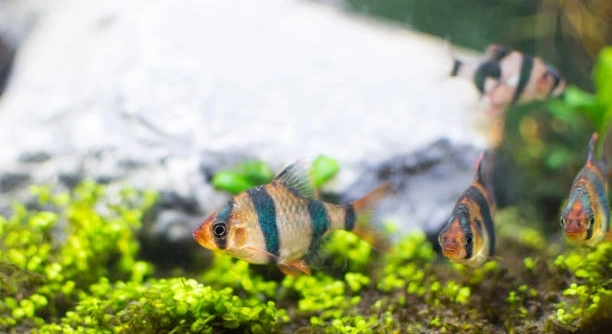
Tiger barbs are popular aquarium fish known for their vibrant colors and active nature. Many aquarists wonder about the best substrate to use in their tanks to keep these fish comfortable and healthy. Gravel choice can affect both the fish and the overall tank environment.
Tiger barbs generally prefer smooth gravel over rough gravel, as smoother surfaces reduce the risk of injury to their delicate fins and bodies. Smooth gravel also facilitates easier cleaning and helps maintain better water quality within the aquarium.
Choosing the right gravel is an important step in creating a safe and comfortable habitat for tiger barbs. The following sections will explore the benefits of different gravel textures and their impact on these lively fish.
Why Gravel Texture Matters for Tiger Barbs
The texture of the gravel in a tiger barb tank affects both the fish’s health and the aquarium’s cleanliness. Rough gravel can have sharp edges that might damage the barb’s fins or scales, causing stress or infections. Smooth gravel reduces these risks by providing a gentle surface for the fish to swim over and explore. Additionally, rough gravel can trap more debris and waste, making the tank harder to clean and potentially lowering water quality. Good water quality is essential for tiger barbs, as poor conditions can lead to illness. Choosing smooth gravel helps create a safer environment while supporting easier maintenance. This not only benefits the fish but also saves time and effort for the tank owner.
Using smooth gravel helps maintain the tank’s cleanliness and keeps tiger barbs safe from physical harm.
Tiger barbs often interact with the substrate by swimming close to it or picking at it. Smooth gravel minimizes injury risk during these behaviors. It also supports beneficial bacteria growth, which is important for breaking down waste. Rough gravel might disrupt this natural process by trapping uneaten food and debris in crevices. Therefore, smooth gravel not only protects the fish physically but also encourages a healthier tank environment overall.
Selecting the Right Gravel Size
Gravel size plays a key role alongside texture in supporting tiger barbs. Small to medium-sized gravel works best because it is easy for the fish to navigate. Gravel that is too large can cause difficulty for the fish when they swim close to the bottom or search for food. On the other hand, very fine gravel or sand might compact and reduce water flow, potentially harming the tank’s filtration system.
Medium gravel with smooth edges provides a balance of safety and cleanliness. It allows for easy movement and supports bacterial colonies that help break down waste. In addition, medium-sized smooth gravel is less likely to trap debris, making tank cleaning simpler and more efficient.
Picking gravel with the right size and texture improves the overall well-being of tiger barbs and makes aquarium maintenance more manageable. It also enhances the tank’s appearance, offering a natural and comfortable setting for the fish. This careful selection supports a stable, healthy aquatic environment that promotes the long-term happiness of tiger barbs.
Impact of Gravel on Water Quality
Gravel texture and size directly affect water circulation and cleanliness. Smooth gravel promotes better water flow, preventing debris buildup that can harm water quality. Rough or uneven gravel traps more waste, making filtration less effective.
Better water flow around smooth gravel supports beneficial bacteria that break down harmful substances. This keeps ammonia and nitrite levels low, which is crucial for tiger barbs’ health. Cleaner water reduces the risk of disease and stress. Uneven gravel, with hidden pockets, can allow waste to accumulate and degrade water conditions. This creates an environment where toxins can build up, threatening the fish.
Maintaining optimal water quality depends on gravel that supports efficient filtration and bacterial growth. Smooth gravel helps keep the tank cleaner and safer by minimizing waste traps. Choosing appropriate gravel can prevent frequent water changes and tank cleanings, making care easier. It also contributes to a balanced ecosystem inside the aquarium, which is essential for tiger barbs’ well-being.
Cleaning and Maintenance Considerations
Smooth gravel is easier to clean because debris sits on top and can be vacuumed out without disturbing beneficial bacteria. Rough gravel requires more effort to prevent waste buildup in crevices.
Cleaning smooth gravel reduces the risk of damaging bacterial colonies, maintaining natural filtration. Rough gravel’s uneven surfaces trap particles, requiring more frequent and careful cleaning to avoid water quality issues. Regular vacuuming over smooth gravel keeps the tank cleaner for longer periods.
Choosing smooth gravel simplifies maintenance routines, reducing time spent cleaning while protecting fish health. This makes keeping tiger barbs less stressful and more enjoyable. Proper gravel selection supports a stable tank environment with less effort, helping both fish and owner.
Choosing Gravel Based on Tank Size
Tank size influences the choice of gravel texture and size. Smaller tanks benefit from finer, smooth gravel for easier cleaning and better water flow. Larger tanks can accommodate medium smooth gravel without harming fish or filtration.
Gravel should complement the tank size to maintain balance. Too large gravel in a small tank can cause debris buildup and poor water circulation. For bigger tanks, smoother gravel helps avoid injury while supporting beneficial bacteria throughout the substrate.
Gravel’s Effect on Tiger Barb Behavior
Tiger barbs explore the tank bottom frequently, and smooth gravel allows safe foraging without risk of injury. Rough gravel might deter natural behavior due to discomfort or damage risk.
Gravel and Plant Growth
Smooth gravel supports healthy plant roots better than rough gravel, which can damage delicate roots or trap debris that harms growth.
FAQ
What type of gravel is safest for tiger barbs?
Smooth gravel with rounded edges is safest for tiger barbs. It prevents damage to their fins and bodies, which can happen with rough or sharp gravel. This type of gravel also supports good water circulation and reduces the risk of waste buildup, promoting a healthy tank environment.
Can tiger barbs live on sand instead of gravel?
Tiger barbs can live on sand, but it requires extra care. Sand can compact, reducing water flow and making cleaning harder. Smooth gravel is generally preferred because it balances safety for the fish and easier maintenance. Sand may also be stirred up more easily, causing cloudy water.
How often should I clean gravel in a tiger barb tank?
Cleaning frequency depends on tank size and filtration, but generally every 1-2 weeks is recommended. Using smooth gravel helps make cleaning easier by allowing debris to sit on the surface, so it can be vacuumed out without disturbing beneficial bacteria.
Does gravel affect water parameters in the tank?
Yes, gravel can affect water parameters slightly. Some gravels release minerals or change pH, but most aquarium-safe smooth gravels are neutral. Proper gravel helps maintain stable water conditions by supporting beneficial bacteria that break down waste products.
Is it necessary to rinse gravel before adding it to the tank?
Yes, always rinse new gravel thoroughly before adding it to the tank. This removes dust, dirt, and loose particles that can cloud the water or introduce contaminants. Rinsing also helps prevent sudden water quality issues after setting up the tank.
Will tiger barbs dig into the gravel?
Tiger barbs may occasionally dig or disturb the substrate while searching for food. Smooth gravel minimizes risk of injury during this natural behavior. Rough or sharp gravel can hurt them and cause stress or infections.
Can gravel color impact tiger barb behavior?
Gravel color has minimal impact on behavior but can affect tank aesthetics. Natural tones often make fish feel more comfortable, while bright or unnatural colors might cause stress. Choosing neutral, smooth gravel supports a calm environment.
How much gravel should I use in a tiger barb tank?
A layer of about one to two inches of gravel is sufficient. This depth supports beneficial bacteria and plant roots if you have live plants. Too much gravel can trap waste, while too little might not provide enough surface area for bacteria.
Is smooth gravel better for breeding tiger barbs?
Smooth gravel is better for breeding because it protects the eggs and fry from damage. Rough gravel may cause injuries or trap eggs in hard-to-reach places. A smooth substrate also makes tank cleaning safer for young fish.
Can gravel choice affect algae growth?
Yes, rough gravel can trap more organic waste, encouraging algae growth. Smooth gravel reduces debris buildup, which helps limit algae problems. Regular cleaning and good water quality control are also essential to manage algae.
Choosing the right gravel for a tiger barb tank is important for both the fish’s health and the aquarium’s cleanliness. Smooth gravel is generally the best choice because it protects the fish from injuries and helps keep the tank environment stable. Rough or sharp gravel can cause damage to the tiger barbs’ delicate fins and bodies, which can lead to stress or infections. Using smooth gravel also makes cleaning easier, as debris is less likely to get trapped in the substrate, allowing the filtration system to work more efficiently.
In addition to safety and cleanliness, smooth gravel supports the growth of beneficial bacteria that help break down waste in the tank. This natural biological process is essential to maintaining good water quality, which directly affects the health of the fish. Smooth gravel allows water to flow evenly through the substrate, preventing dead zones where toxins might build up. The result is a cleaner, healthier environment that reduces the chances of illness and keeps tiger barbs more comfortable in their home.
When setting up or maintaining a tiger barb aquarium, paying attention to gravel texture and size will make a noticeable difference. Smooth, medium-sized gravel is usually the best fit, balancing safety with ease of cleaning and proper tank function. This choice not only benefits the fish but also helps simplify aquarium care. Taking the time to select the right gravel sets the foundation for a thriving tank, making it easier to keep the water clean, the fish healthy, and the overall tank environment balanced.

Hello,
If you enjoy the content that we create, please consider saying a "Thank You!" by leaving a tip.
Every little bit helps us continue crafting quality advice that supports the health, happiness, and well-being of pets around the world, for pets of all shapes, sizes, and species.
We really appreciate the kindness and support that you show us!