
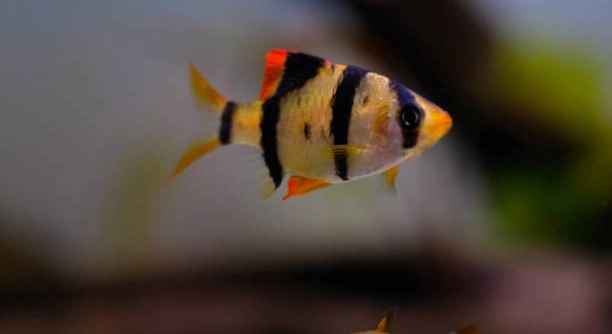
Tiger Barbs are popular aquarium fish known for their bright colors and active behavior. Many fishkeepers want to create the best environment for them. Light plays a key role in maintaining the health and natural appearance of these fish.
Tiger Barbs do benefit from natural light, as it supports their circadian rhythm and enhances their coloration. However, direct sunlight should be avoided to prevent algae growth and temperature fluctuations in the tank. Balanced lighting is essential for their wellbeing.
Understanding how light affects Tiger Barbs helps improve their care and overall tank environment. This article will guide you through the best lighting practices for these lively fish.
Importance of Light for Tiger Barbs
Light plays a crucial role in the health and behavior of Tiger Barbs. These fish rely on a consistent light cycle to regulate their daily activities, including feeding, swimming, and resting. Natural light helps maintain their internal clock, which keeps them active during the day and calm at night. Proper lighting also enhances their vibrant orange and black colors, making them more visually appealing in the tank. However, too much direct sunlight can cause algae to grow rapidly, which affects water quality and the overall environment. It is important to balance natural and artificial light to mimic their natural habitat as closely as possible. Providing 10 to 12 hours of light daily is generally ideal for Tiger Barbs, supporting their health without overwhelming their space. This balance keeps the fish comfortable and reduces stress, which is essential for their long-term wellbeing.
Maintaining the right light balance improves the fish’s coloration and activity levels consistently over time.
Keeping a stable lighting schedule with a mix of natural and controlled light sources allows you to enjoy the beauty and liveliness of Tiger Barbs while avoiding common lighting-related issues like algae buildup or tank overheating.
How to Provide Natural Light Safely
Natural light should be indirect to avoid heating the tank or encouraging algae growth. Place the aquarium near a window that receives filtered sunlight rather than direct rays. Curtains or blinds can help diffuse the light and reduce its intensity. If natural light is limited, supplement with a quality aquarium light that mimics daylight, maintaining the same schedule daily. Avoid sudden changes in light exposure, as Tiger Barbs can become stressed by inconsistent lighting. Regularly monitor the tank temperature and water clarity to ensure conditions remain stable. Light timers can help automate the process and maintain a consistent cycle. Providing a mix of natural and artificial light creates a comfortable environment, helping Tiger Barbs stay healthy and display their best colors. Consistency and careful placement are key when using natural light in your aquarium setup.
Effects of Too Much Light
Excessive light can cause stress in Tiger Barbs. It may lead to erratic behavior, reduced appetite, and weaker immune response. Too much light also encourages algae growth, which disrupts the tank environment.
When the tank receives too much light, Tiger Barbs may hide more often or become overly aggressive. Bright, constant light can interfere with their natural day-night cycle, making it harder for them to rest properly. Stress from excess light often results in a duller appearance and less vibrant coloration. Algae growth from too much light competes with the fish for oxygen and can make the water dirty, requiring more frequent cleaning. Controlling the light exposure helps maintain a healthy balance in the tank, keeping Tiger Barbs active and colorful.
Managing light intensity and duration prevents common problems related to stress and poor water quality. Using adjustable lighting or timers can be an effective way to avoid overexposure and protect your fish’s health.
Choosing the Right Aquarium Light
Selecting the correct aquarium light is important for mimicking natural conditions. LED lights are popular due to their efficiency, adjustable settings, and low heat output. They provide consistent light without raising tank temperature, which benefits Tiger Barbs.
LED lighting offers a customizable spectrum, allowing you to enhance the colors of your fish and plants. Many LED systems come with timers and dimmers to simulate sunrise and sunset, promoting a stable environment. Avoid using overly bright or harsh lighting, as it may cause stress and algae overgrowth. Full-spectrum lights that cover a range of wavelengths best replicate natural light. Investing in quality lighting tailored for freshwater tanks supports the health and appearance of Tiger Barbs while making maintenance easier. Proper lighting also encourages natural behaviors and growth, contributing to a balanced, attractive aquarium setup.
Natural Light and Algae Growth
Natural light encourages algae to grow in the aquarium. Algae can cloud the water and compete with plants for nutrients. This growth can make tank maintenance more demanding.
Too much algae reduces oxygen levels, which can stress Tiger Barbs. Controlling light exposure helps keep algae growth manageable and maintains a healthy environment for the fish.
Impact of Light on Behavior
Light influences the daily habits of Tiger Barbs. Proper lighting supports their active periods and resting times. This cycle is essential for their overall wellbeing.
Adjusting Light Based on Tank Location
The location of your tank affects how much natural light it receives. Position the tank carefully to avoid too much direct sunlight, which can cause temperature spikes and algae growth.
Using Timers for Consistency
Timers help maintain a steady light schedule, providing consistent day and night cycles. This consistency reduces stress and supports healthier fish behavior.
FAQ
How much natural light do Tiger Barbs need daily?
Tiger Barbs generally need about 10 to 12 hours of light per day, which includes both natural and artificial sources. This amount mimics their natural environment and supports their normal activity and rest cycles. Too little light can make them less active, while too much can cause stress and algae growth. Maintaining a consistent light schedule helps keep their behavior and coloration stable.
Can Tiger Barbs live with only artificial light?
Yes, Tiger Barbs can thrive under artificial lighting alone if it mimics natural daylight. Full-spectrum LED lights are ideal because they provide the right wavelengths to support the fish’s health and color. Artificial lights also allow better control over the lighting cycle, which prevents stress caused by sudden changes in light intensity or duration.
Is direct sunlight harmful to Tiger Barbs?
Direct sunlight is generally harmful because it can raise the tank’s temperature quickly and promote excessive algae growth. Sudden temperature changes and algae blooms can stress the fish and affect water quality. It’s better to provide indirect natural light or rely on artificial lighting to avoid these problems.
How does lighting affect Tiger Barb coloration?
Proper lighting enhances the bright orange and black patterns of Tiger Barbs. Natural and full-spectrum artificial lights bring out their vivid colors, making them more attractive. Insufficient or harsh lighting can cause colors to fade and the fish to look dull. Balanced lighting supports healthy pigmentation and overall wellbeing.
What problems can arise from inconsistent lighting?
Inconsistent lighting disrupts Tiger Barbs’ circadian rhythm, causing stress, erratic swimming, and reduced appetite. It may also affect their immune system, making them more vulnerable to illness. Maintaining a regular light schedule using timers can prevent these issues by providing a stable environment.
Can too little light harm Tiger Barbs?
Yes, too little light can reduce activity levels and weaken the fish’s immune system. It also impacts their coloration, making them less vibrant. A proper lighting schedule is necessary to keep Tiger Barbs healthy and visually appealing.
How to prevent algae growth caused by natural light?
Limit the exposure of the tank to direct sunlight and use window coverings to diffuse light. Regular water changes and cleaning can also keep algae in check. Using a balanced light schedule and avoiding overfeeding help prevent excess nutrients that feed algae growth.
Are LED lights better than fluorescent for Tiger Barbs?
LED lights are generally better because they produce less heat, use less energy, and offer adjustable settings. They provide a full spectrum that can be tailored to enhance fish coloration and plant growth. Fluorescent lights may not offer as much control or efficiency.
Can natural light replace artificial lighting completely?
Natural light alone may be insufficient or inconsistent, depending on your tank’s location and season. Combining natural light with artificial lighting ensures a stable and adequate light cycle, which is better for the fish’s health and tank balance.
Should light be turned off at night?
Yes, Tiger Barbs need darkness to rest properly. A clear day-night cycle is essential for their wellbeing. Leaving lights on overnight can cause stress and disrupt their natural rhythms.
How to create a natural light cycle for Tiger Barbs?
Aim for 10 to 12 hours of light followed by 12 to 14 hours of darkness. Use timers to turn lights on and off consistently. Supplement limited natural light with artificial lighting to maintain this cycle throughout the year.
Does lighting affect plant growth in the Tiger Barb tank?
Yes, plants need adequate light to photosynthesize and stay healthy. Proper lighting supports both fish and plant health, helping create a balanced ecosystem. Overly strong light, however, can encourage algae, so balance is key.
What is the best position for a tank to receive natural light?
Place the tank near a window with indirect sunlight or filtered light. Avoid direct sun rays that can overheat the water and promote algae growth. Using blinds or curtains helps control the light intensity.
Can natural light cause temperature fluctuations?
Yes, direct sunlight can heat the tank unevenly, causing temperature spikes during the day and drops at night. These changes stress Tiger Barbs and can lead to health problems. Consistent artificial lighting helps prevent this issue.
How often should I adjust lighting based on seasons?
Adjust the lighting schedule gradually if natural daylight changes significantly with the seasons. Using a timer makes this easier. Sudden changes should be avoided to reduce stress on the fish.
Are there specific light colors that Tiger Barbs prefer?
Full-spectrum lighting that simulates natural daylight is best. Avoid very bright white or blue-only lights, which may stress the fish. Balanced lighting enhances their natural colors without overwhelming their senses.
Final Thoughts
Natural light plays an important role in the health and behavior of Tiger Barbs, but it must be managed carefully. While these fish benefit from exposure to natural light that supports their internal rhythms and enhances their colors, too much direct sunlight can create problems. Excessive light may cause stress, encourage algae growth, and cause temperature fluctuations that affect water quality. For this reason, many fishkeepers use a combination of indirect natural light and controlled artificial lighting to maintain a stable environment. Finding the right balance helps keep Tiger Barbs healthy, active, and vibrant.
Using artificial lighting with natural light is often the safest approach. LED lights, in particular, are a good choice because they can be adjusted to provide the right spectrum and intensity of light without heating the tank. Timers can also help maintain a consistent day-night cycle, which is important for reducing stress and encouraging natural behaviors in Tiger Barbs. By controlling the amount and quality of light, you can avoid common issues such as algae overgrowth and erratic fish behavior. This combination of lighting sources gives you better control over your aquarium environment and helps ensure your fish thrive.
It is also essential to consider the placement of the tank in your home or office. Avoid putting the aquarium in direct sunlight, as this can lead to rapid temperature changes and unwanted algae blooms. Using window coverings like curtains or blinds can help diffuse natural light and protect your tank from harsh rays. Regular maintenance, including water changes and algae cleaning, will support the efforts to balance light exposure. Overall, understanding how natural and artificial light affect Tiger Barbs will improve your ability to provide a comfortable and healthy habitat for them. This knowledge contributes to the long-term success of your aquarium and the wellbeing of your fish.

Hello,
If you enjoy the content that we create, please consider saying a "Thank You!" by leaving a tip.
Every little bit helps us continue crafting quality advice that supports the health, happiness, and well-being of pets around the world, for pets of all shapes, sizes, and species.
We really appreciate the kindness and support that you show us!