
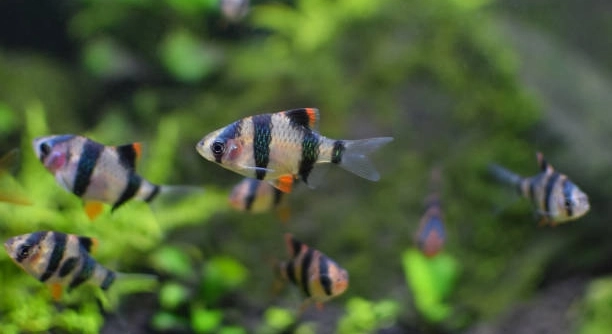
Have you ever set up a small aquarium and noticed how some fish seem more active when they’re not alone? Watching their behavior can be fascinating, especially when it comes to social species like tiger barbs.
Tiger barbs show a clear preference for living in groups rather than in pairs. Their social nature makes them thrive in schools of at least six, which reduces aggression and promotes more natural behaviors in a captive environment.
Understanding their group dynamics can help create a healthier and more peaceful tank. By observing how they interact, you’ll gain useful insights into what makes these lively fish feel comfortable and safe.
Why Tiger Barbs Prefer Being in Groups
Tiger barbs are active, social fish that naturally live in schools in the wild. When kept in groups, they show fewer signs of stress, reduced aggression, and more consistent swimming patterns. A group of six or more allows them to establish a social hierarchy, which helps manage their naturally nippy behavior. In smaller numbers, especially pairs, they can become aggressive or withdrawn. This can lead to fin nipping and stress, which affects their health over time. In a group, they chase each other playfully, show off their colors more, and behave more confidently. Group living also encourages proper feeding behavior and reduces boredom. Tank mates also tend to do better when tiger barbs are kept in the right numbers, as it minimizes territorial outbursts. If you’re thinking of keeping tiger barbs, it’s best to start with a small school to support their needs and allow for more natural interactions in your tank.
When kept in pairs or alone, tiger barbs often become more aggressive and unpredictable, which can lead to poor tank dynamics and health issues.
The natural tendency of tiger barbs to live and interact in a group setting should not be overlooked. Keeping them in the proper numbers supports their well-being and creates a more balanced tank.
Setting Up a Tank That Supports Their Needs
A proper tank setup makes a big difference for tiger barbs. While they are hardy and adaptable, they still require structure and space to thrive.
A tank for a group of tiger barbs should be at least 20 to 30 gallons, depending on how many you plan to keep. The larger the group, the more room they will need to swim and establish social structure. Use plants, rocks, and decorations to give them places to explore and break lines of sight, which helps reduce any aggression. Good filtration is important since these fish are active and produce waste. Keep the water temperature between 74–79°F with a steady pH level between 6.5 and 7.5. Lighting should be moderate, and it’s best to avoid sharp or bright lights, which can make them uneasy. When adding other fish, choose tank mates that can handle a similar activity level and aren’t slow-moving or long-finned, as tiger barbs can be nippy. Proper planning leads to a healthier, more active tank.
Observing Behavior in Groups vs Pairs
Tiger barbs kept in pairs often show signs of tension. One may chase the other frequently, creating stress. In contrast, groups display more playful chasing and balanced interaction, which is a natural part of their social structure and helps reduce conflict.
When you observe a group of tiger barbs, you’ll notice they form a loose school and move through the tank together. They occasionally chase each other, but it’s more balanced and less intense. No single fish becomes a constant target. This group interaction helps distribute energy and attention across all members. It also reduces fin nipping and aggressive outbursts. In contrast, pairs tend to create a dominant-submissive dynamic. One fish usually becomes the aggressor, while the other hides or avoids interaction. Over time, this can lead to health problems due to stress. Keeping a proper group improves both behavior and overall tank harmony.
Group behavior also includes more confident feeding and exploration. Tiger barbs are more willing to come to the front of the tank, try new food, and investigate their surroundings when they are part of a group. Their colors also appear brighter, and they spend more time in open spaces. This indicates that they feel safe and comfortable.
Understanding Social Hierarchies in Tiger Barbs
Tiger barbs form a loose hierarchy in their group. This helps manage their energy and reduces constant conflict. Some fish become more dominant, but the power shifts often. This keeps things balanced and prevents long-term bullying or stress.
In a group, dominant tiger barbs may occasionally chase others to assert their position, but this behavior is usually brief and evenly spread among the group. No single fish stays in control for long, and roles tend to change depending on the day or feeding situation. This shifting hierarchy allows each fish to feel included without creating permanent stress for any one member. In smaller groups or pairs, this balance is lost. The dominant fish may become overly aggressive and cause harm. That’s why a group of at least six is usually recommended. It allows natural hierarchy behaviors to happen in a way that feels less threatening and more stable for the entire group.
Health and Stress Levels
Tiger barbs kept in pairs often show signs of stress such as faded color, hiding, or lack of appetite. This is usually caused by constant chasing or lack of stimulation, which affects their overall health over time.
In groups, stress levels tend to drop. The fish are more active, display brighter colors, and show consistent eating habits.
Feeding Behavior in Different Setups
Feeding behavior changes based on how many tiger barbs you keep together. In pairs, one fish may dominate feeding time, leaving the other with less food or causing aggressive competition. This can lead to uneven growth and stress. In a group, the food competition spreads out more evenly. While they are still fast eaters, group feeding encourages movement and social interaction without focusing too much pressure on any one fish. It’s easier to monitor their health this way. They also seem more curious and responsive during feeding when surrounded by other barbs, which helps keep their appetite strong and their energy levels up.
Final Thoughts on Group Living
Keeping tiger barbs in a group leads to more natural behavior, reduced stress, and better overall health. It’s a small change that makes a big difference.
FAQ
How many tiger barbs should I keep together?
Tiger barbs do best in groups of at least six. Smaller groups or pairs often lead to increased aggression and stress. Keeping six or more allows them to spread out their energy and reduces the chance of one fish becoming a constant target of bullying.
Can tiger barbs live alone or in pairs?
While they can survive alone or in pairs, it’s not ideal. Alone, they may become lonely or stressed. In pairs, aggression tends to increase, which can harm both fish. Groups offer a more balanced and natural environment for their social behavior.
What tank size is suitable for a group of tiger barbs?
A 20 to 30-gallon tank is recommended for a group of six tiger barbs. More space is better if you want to keep a larger school or mix in other fish. Proper space helps reduce stress and aggression by giving fish room to swim and establish territories.
Are tiger barbs aggressive to other fish?
Tiger barbs are known for their nippy behavior, especially toward slow-moving or long-finned fish. They can be aggressive, but this is often because they are bored or stressed. Keeping them in groups helps reduce aggression. Choosing fast or similarly active tank mates also minimizes conflict.
What signs show that tiger barbs are stressed?
Signs of stress include faded colors, hiding, loss of appetite, and frayed fins. If tiger barbs are kept in small numbers or an unsuitable environment, these signs become more common. Stress weakens their immune system and makes them more prone to illness.
How can I reduce aggression in tiger barbs?
Keeping them in groups of six or more is the best way to reduce aggression. Providing plenty of hiding spots and plants also helps. Feeding them well and maintaining good water quality reduces stress, which in turn lowers aggressive behavior.
Do tiger barbs need special care compared to other tropical fish?
Tiger barbs are relatively hardy but do have specific social needs. They require a proper group size and suitable tank setup to thrive. Their natural behavior includes nipping and chasing, so careful tank mate selection and group management are important.
What should I feed tiger barbs?
Tiger barbs eat a varied diet, including flakes, pellets, frozen foods, and live foods like bloodworms or brine shrimp. A balanced diet keeps them healthy and supports their active lifestyle. Feeding small amounts multiple times a day is better than one large feeding.
Can tiger barbs live with community fish?
Yes, but choose tank mates carefully. Avoid slow-moving or long-finned fish, as tiger barbs may nip at their fins. Good companions include danios, rasboras, and fast-swimming tetras. Keeping tiger barbs in groups also reduces their tendency to bully other fish.
How often should I clean the tank for tiger barbs?
Regular maintenance is key. Perform partial water changes of about 25% every one to two weeks. Keep the filter clean but avoid removing all beneficial bacteria. Good water quality keeps tiger barbs healthy and reduces stress-related problems.
What water conditions do tiger barbs prefer?
Tiger barbs thrive in water temperatures between 74°F and 79°F. They prefer a pH of 6.5 to 7.5 and moderate hardness. Stable water conditions help prevent stress and illness. Avoid sudden changes in temperature or chemistry.
Why do tiger barbs nip fins?
Fin nipping is a natural behavior linked to their active and territorial nature. When kept in small groups or alone, this behavior can increase out of boredom or stress. Providing a larger group and environmental enrichment helps minimize nipping.
Is it okay to mix tiger barbs with bettas or goldfish?
Mixing tiger barbs with bettas or goldfish is generally not recommended. Bettas can be aggressive, and goldfish have different temperature and care needs. Tiger barbs may nip at slow or long-finned fish, causing stress or injury.
How long do tiger barbs live?
With proper care, tiger barbs can live 5 to 7 years. Providing a good environment, stable water conditions, and a balanced diet contributes to a longer, healthier life. Stress and poor conditions can shorten their lifespan significantly.
Can tiger barbs breed in a home aquarium?
Breeding tiger barbs at home is possible but requires specific conditions like separate breeding tanks and soft, slightly acidic water. They scatter eggs and may eat their young, so separating fry is necessary to raise them successfully.
What are common health problems in tiger barbs?
Common issues include fin rot, ich, and fungal infections, often caused by poor water quality or stress. Maintaining clean water, proper diet, and stable conditions helps prevent these problems. Early detection and treatment are important for recovery.
Tiger barbs are lively and social fish that do best when kept in groups rather than alone or in pairs. Their natural behavior in the wild is to swim and interact in schools, which helps them feel safe and reduces stress. When kept in groups of six or more, tiger barbs show more balanced behavior, less aggression, and better overall health. They chase and play with each other, which is normal and healthy for their social needs. This group setting also helps spread out their energy so no single fish becomes overly aggressive or stressed. By understanding this, aquarium owners can create a more peaceful and active environment for their tiger barbs.
Setting up a tank for a group of tiger barbs involves giving them enough space to swim and explore. A tank of at least 20 gallons is recommended for a small group. It is also important to provide plants, hiding spots, and decorations that break up the tank visually. These elements help reduce aggression by allowing fish to have their own space and feel secure. Proper water quality and stable conditions are necessary for their health, as stressed fish are more likely to show aggressive behavior or get sick. Feeding a balanced diet and choosing compatible tank mates also supports their well-being. When these basic needs are met, tiger barbs display their natural bright colors and lively behavior, which is rewarding to watch.
Keeping tiger barbs in groups not only improves their quality of life but also makes managing an aquarium easier. Stress and illness are less common in well-maintained groups, and aggression toward other fish is reduced. It’s important to avoid keeping tiger barbs alone or in pairs because this can cause problems that are harder to fix later. Instead, planning for a group and providing a proper tank setup leads to healthier fish and a more enjoyable aquarium experience. Whether you are new to fish keeping or have some experience, remembering the social nature of tiger barbs will help you create a balanced and thriving tank.

Hello,
If you enjoy the content that we create, please consider saying a "Thank You!" by leaving a tip.
Every little bit helps us continue crafting quality advice that supports the health, happiness, and well-being of pets around the world, for pets of all shapes, sizes, and species.
We really appreciate the kindness and support that you show us!