
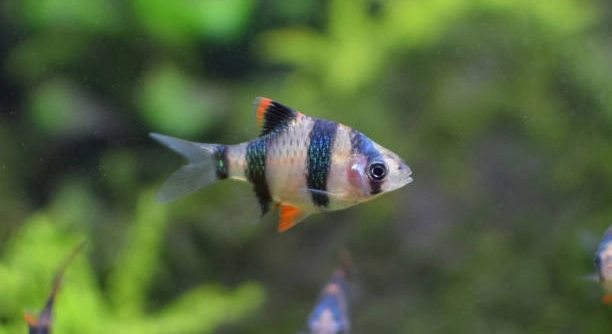
Tiger Barbs are a popular choice for many aquarium enthusiasts. These small, colorful fish are known for their lively behavior and striking patterns. Understanding their tank preferences can improve their well-being and create a balanced aquarium environment.
Tiger Barbs generally prefer moderately busy tanks that offer plenty of swimming space combined with ample hiding spots. Overcrowded or overly sparse tanks can cause stress or aggression, so a balanced environment is essential for their health and social behavior.
Learning how tank setup affects Tiger Barbs helps ensure their happiness and longevity. Proper tank conditions can promote natural behaviors and reduce conflicts within the aquarium community.
Understanding Tiger Barbs’ Natural Behavior
Tiger Barbs are active and social fish. They tend to swim in groups and can become aggressive if kept alone or in too small numbers. Their natural environment includes dense plant life and hiding spots, which provide security and reduce stress. A busy tank with moderate decoration allows them to explore and establish territories without feeling crowded. When tanks are too empty, Tiger Barbs may become bored or display unwanted behaviors such as fin nipping. On the other hand, overcrowding can lead to competition for space and food, increasing aggression. Maintaining a balance between open swimming areas and cover is key to their well-being. Many aquarists find success with 10 or more Tiger Barbs to promote social interaction and distribute aggression.
A balanced tank setup helps Tiger Barbs thrive by supporting their social and exploratory needs. Proper space and hiding spots reduce stress and promote natural behaviors.
Tank conditions directly affect Tiger Barb behavior and health. A well-planned aquarium with appropriate group sizes and tank decor can create a peaceful and stimulating environment. Providing plants, rocks, and caves offers shelter, which helps reduce aggression. Open swimming areas let them exercise and interact as they would in the wild. Monitoring tank mates is also important, as some species may provoke or be stressed by Tiger Barbs’ energetic nature. Consistent water quality and proper feeding support their overall health. Observing their behavior over time allows adjustments to improve their environment, ensuring long-term well-being.
The Impact of Tank Population on Tiger Barbs
Keeping Tiger Barbs in groups influences their behavior significantly. Larger groups tend to reduce individual aggression and increase natural schooling behavior.
When Tiger Barbs are kept in small numbers, aggression can increase because they establish dominance more strongly. In larger groups, aggression is spread out, which lowers stress on individual fish. A busy tank with several Tiger Barbs creates a dynamic environment that mimics their social needs. Balancing the number of fish and tank size prevents overcrowding and territorial disputes. Tank mates should be chosen carefully to avoid stress and aggression. Species that tolerate similar water conditions and activity levels work best. Adjusting the population and environment based on observations helps maintain a peaceful community tank where Tiger Barbs feel secure and active.
Tank Decoration and Environment
Tank decoration plays a crucial role in creating a suitable environment for Tiger Barbs. Plants, rocks, and caves provide hiding places and help reduce stress. Decorations also break sight lines, which minimizes aggression among fish.
Choosing sturdy plants is important because Tiger Barbs are known to nip at soft-leafed varieties. Artificial plants or hardier species like Java fern and Anubias work well. Adding driftwood or rock formations creates natural barriers and territories within the tank. These features help distribute the fish and reduce fighting. A mix of open swimming space and covered areas offers the right balance for their activity and security needs.
Lighting and substrate also influence tank comfort. Moderate lighting supports plant growth without causing excessive algae. A dark substrate can help Tiger Barbs’ colors stand out and create a calm atmosphere. Avoid sharp decorations that might injure the fish during their active swimming.
Water Conditions and Maintenance
Tiger Barbs thrive in stable water conditions with moderate temperatures and good filtration. The ideal temperature range is between 74°F and 79°F. Maintaining a pH between 6.5 and 7.5 keeps the water comfortable and close to their natural habitat. Regular water changes are essential to remove waste and prevent toxins from building up, which can cause stress or illness.
Consistent filtration ensures clear water and good oxygen levels. Biological filtration supports beneficial bacteria that break down harmful substances. Monitoring ammonia, nitrite, and nitrate levels regularly helps maintain a healthy environment. Avoid sudden changes in water parameters, as Tiger Barbs are sensitive to fluctuations. Keeping the tank clean and stable reduces stress and promotes vibrant behavior and coloration.
Proper care in water quality also minimizes the risk of disease. Clean water and balanced conditions support the immune system, making Tiger Barbs less susceptible to common infections. A well-maintained tank provides a stable home that encourages natural behavior and overall health.
Choosing Tank Mates
Choosing the right tank mates for Tiger Barbs is important to maintain harmony. Peaceful, fast-swimming fish that can tolerate Tiger Barbs’ activity are ideal. Avoid slow or long-finned species, as they may become targets of fin nipping.
Compatible tank mates include danios, barbs, and some larger tetras. These fish share similar water requirements and energy levels. It is best to avoid aggressive or territorial species that might provoke fights. Proper selection helps reduce stress and aggression, creating a more balanced community tank where Tiger Barbs can thrive alongside others.
Feeding Tiger Barbs
Tiger Barbs eat a variety of foods. A diet rich in flakes, pellets, and live or frozen foods provides balanced nutrition. Feeding small amounts multiple times a day prevents overeating and water pollution.
Behavior in Busy Tanks
Tiger Barbs display more natural schooling and playful behavior in busy tanks. A lively environment helps reduce boredom and aggression.
Signs of Stress in Tiger Barbs
Stress in Tiger Barbs shows through color fading, erratic swimming, or hiding. Prompt action helps prevent health issues.
FAQ
Do Tiger Barbs do better in groups or alone?
Tiger Barbs are schooling fish, so they do much better in groups. Keeping at least six or more helps spread out aggression and encourages natural behaviors. When kept alone or in very small numbers, they may become stressed and overly aggressive, leading to fin nipping and other issues. A group setting promotes social interaction and reduces dominance fighting.
How many Tiger Barbs should be kept together?
A minimum group of six Tiger Barbs is recommended for a peaceful community. Larger groups can further reduce aggression and encourage schooling. However, tank size must be large enough to accommodate the number of fish comfortably. A tank of 30 gallons or more works well for groups of six to ten. Overcrowding can lead to stress and water quality problems, so balance is important.
What kind of tank setup is best for Tiger Barbs?
Tiger Barbs thrive in tanks that provide both open swimming areas and plenty of hiding spots. Including plants, rocks, and caves helps reduce aggression and creates a more natural environment. Moderate lighting and a dark substrate enhance their coloration. The tank should be well-filtered and maintained with stable water conditions to support their health.
Are Tiger Barbs aggressive to other fish?
Tiger Barbs can be semi-aggressive, especially if kept in small groups or overcrowded tanks. They may nip fins of slow-moving or long-finned tank mates. Choosing fast, similarly sized, and active fish helps minimize conflicts. Ensuring enough space and hiding spots also reduces aggressive behavior. Proper group size is key to managing their natural territorial instincts.
What do Tiger Barbs eat?
Tiger Barbs are omnivores and accept a wide variety of foods. Flakes, pellets, live or frozen foods like brine shrimp and bloodworms work well. Feeding several small meals per day helps maintain their health and reduces waste buildup in the tank. Providing occasional vegetable matter supports a balanced diet.
How often should water be changed for a Tiger Barb tank?
Regular water changes are crucial for maintaining water quality. A weekly change of 20-30% helps remove toxins and keeps parameters stable. Consistent water quality reduces stress and supports the fish’s immune system. Avoid drastic or sudden changes, as Tiger Barbs can be sensitive to fluctuations.
Can Tiger Barbs live with other barbs or tetras?
Yes, Tiger Barbs can coexist with other barbs and many types of tetras, especially those that are fast and active. Choosing species with similar water requirements and temperaments helps maintain peace. Avoid mixing with very aggressive or very slow fish that may be harassed.
How can I tell if my Tiger Barbs are stressed?
Signs of stress include faded colors, clamped fins, erratic swimming, or hiding more than usual. Stress often results from poor water quality, overcrowding, or incompatible tank mates. Addressing these issues quickly can prevent illness and improve their overall condition.
What temperature and pH range do Tiger Barbs prefer?
Tiger Barbs prefer temperatures between 74°F and 79°F and a pH from 6.5 to 7.5. Keeping these stable within the tank supports their health and activity levels. Sudden changes in temperature or pH can cause stress and increase susceptibility to disease.
Is it necessary to provide a specific light cycle for Tiger Barbs?
A regular day-night light cycle of about 10-12 hours of light is sufficient. Consistent lighting supports plant growth and natural behavior patterns. Avoid overly bright or constant lighting to reduce stress.
Can Tiger Barbs adapt to new tank mates?
They can adapt if introduced carefully. Quarantining new fish and adding them to the tank gradually helps reduce aggression and stress. Ensuring the tank has enough space and hiding spots also eases the transition.
Do Tiger Barbs require special care during breeding?
Breeding Tiger Barbs requires a separate tank with fine-leaved plants or spawning mops. They scatter eggs and do not care for the fry. Removing adults after spawning prevents them from eating the eggs. Maintaining clean water and good nutrition encourages successful breeding.
How long do Tiger Barbs typically live?
With proper care, Tiger Barbs live around 5 to 7 years. Stable water conditions, a balanced diet, and a peaceful environment contribute to a longer lifespan.
Are Tiger Barbs suitable for beginner fish keepers?
Tiger Barbs are moderately easy to care for but require attention to group size, tank conditions, and compatible tank mates. They are not the best choice for complete beginners due to their semi-aggressive nature and need for proper social structure.
What are common health problems in Tiger Barbs?
Common issues include fin rot, ich, and stress-related illnesses. Maintaining clean water, proper diet, and reducing stress from tank conditions helps prevent disease. Prompt treatment at the first signs of illness is important to avoid complications.
How can I reduce fin nipping in a Tiger Barb tank?
Keeping larger groups, providing hiding spots, and choosing appropriate tank mates helps reduce fin nipping. Ensuring the tank is not overcrowded and feeding a balanced diet also decreases aggressive behavior.
These frequently asked questions cover many important aspects of Tiger Barb care and behavior. Proper understanding helps maintain a healthy, balanced tank environment for these active and colorful fish.
Tiger Barbs are lively fish that bring energy and color to an aquarium. Their preference for moderately busy tanks helps them feel secure and reduces stress. A well-balanced environment with enough swimming space, hiding spots, and compatible tank mates allows them to show natural behaviors and socialize properly. Overcrowded or empty tanks can lead to aggression or boredom, which affects their health and happiness. Paying attention to tank setup is important to support their active nature and keep them comfortable.
Maintaining good water quality is essential for Tiger Barbs’ well-being. Stable temperature and pH levels, regular water changes, and effective filtration all contribute to a healthy tank. Poor water conditions can cause stress and make the fish more vulnerable to disease. Careful monitoring and routine maintenance help create a stable environment where Tiger Barbs can thrive. Feeding them a varied diet that includes flakes, pellets, and occasional live or frozen foods supports their nutritional needs and vibrant colors.
Choosing the right tank mates and keeping Tiger Barbs in groups reduces aggression and promotes natural schooling behavior. They do best in groups of six or more and with other active fish that can handle their playful but sometimes nippy nature. Providing plenty of plants, rocks, and caves allows the fish to hide and reduces territorial disputes. Understanding these factors helps create a peaceful, lively aquarium that benefits Tiger Barbs and their tank mates alike. Overall, thoughtful care and a balanced environment ensure Tiger Barbs remain healthy and active in any home aquarium.

Hello,
If you enjoy the content that we create, please consider saying a "Thank You!" by leaving a tip.
Every little bit helps us continue crafting quality advice that supports the health, happiness, and well-being of pets around the world, for pets of all shapes, sizes, and species.
We really appreciate the kindness and support that you show us!