
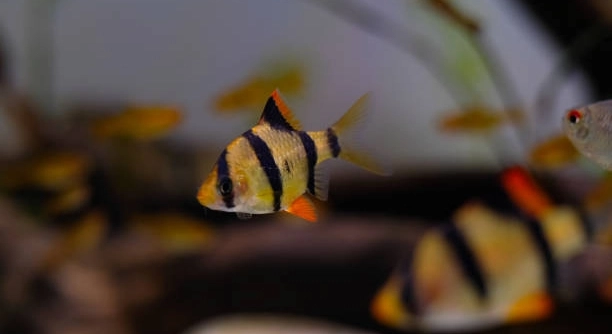
Tiger barbs are lively freshwater fish that many keep in home aquariums. They are known for their energetic swimming and playful behavior, making them popular among fish enthusiasts. Observing their actions can reveal interesting traits about their nature.
Tiger barbs do interact with air bubbles in their environment, often chasing or nudging them. This behavior is a form of play or curiosity, reflecting their natural instinct to explore and engage with moving objects in the tank.
Understanding how tiger barbs play with bubbles helps enhance their care and environment. Recognizing these behaviors can improve tank setups and overall fish well-being.
Why Tiger Barbs Are Attracted to Air Bubbles
Tiger barbs are naturally curious fish that respond to movement in their environment. Air bubbles rising through the water create a dynamic and changing element that captures their attention. This interaction is not just random; it can stimulate their instincts to chase and investigate. In tanks, bubbles often come from air stones or filtration systems. These bubbles mimic small prey or disturbances they might find in the wild. The fish swim around, darting after the bubbles, which provides mental stimulation and physical activity. This behavior can also reduce boredom, which is important for their overall health. However, it’s important to ensure the bubbles are gentle and not causing stress or disrupting water flow too much. Proper aeration helps maintain oxygen levels and keeps the environment healthy while giving tiger barbs something interesting to engage with.
This natural curiosity means bubbles are more than just oxygen sources; they play a part in the fish’s daily activities.
In addition to chasing bubbles, tiger barbs often use this time to interact socially. They may swim in groups around the bubbles or display brief bursts of excitement. These moments contribute to their natural playfulness and add a lively atmosphere to the tank. Watching them engage with bubbles can be satisfying and help owners notice subtle behavior changes that indicate well-being.
Creating the Ideal Environment for Bubble Play
Air stones and gentle filters work best for encouraging playful bubble activity.
Choosing the right equipment can create a comfortable habitat that supports bubble chasing. Air stones that produce small, steady bubbles are ideal because they are less likely to stress the fish or disturb the tank’s balance. Strong currents or large bubbles might cause the tiger barbs to avoid certain areas or become stressed. Positioning the air stone near plants or decorations can also encourage interaction, as bubbles move through these elements, adding visual interest. Maintaining good water quality and stable conditions is key to keeping tiger barbs active and happy. Regular monitoring ensures that bubble play remains a positive part of their environment. Proper care combined with thoughtful setup helps the fish thrive while enjoying their playful nature.
How Bubble Interaction Benefits Tiger Barbs
Bubble interaction encourages physical activity in tiger barbs. Chasing bubbles helps keep them agile and alert, contributing to their overall fitness.
The playful movement caused by bubbles provides essential exercise, which helps prevent lethargy and related health issues. When tiger barbs engage with bubbles, it stimulates their natural behaviors like chasing and exploring, which they would perform in the wild. This activity can reduce stress by giving them a distraction and a form of mental engagement. A more active fish tends to show brighter colors and healthier behavior, indicating good well-being.
Social dynamics also improve during bubble play. Tiger barbs often group together while chasing bubbles, which supports bonding and reduces aggression. The bubbles become a shared interest that helps the fish interact more positively. This cooperative behavior encourages a peaceful tank environment where each fish has a role in the group’s activity.
Risks of Excessive Bubble Interaction
Too much bubble activity can cause stress in tiger barbs if not managed properly.
Overly strong bubbles or constant bubble streams can tire the fish or create uncomfortable water currents. When bubbles are too large or numerous, tiger barbs might struggle to swim freely or avoid certain tank areas, which limits their movement and comfort. Excessive stimulation may also cause anxiety or aggressive behavior if the fish feel overwhelmed.
Careful adjustment of bubble production helps maintain a balance that encourages play without causing harm. Monitoring the fish’s response to bubbles and making changes when signs of stress appear is important. This ensures the tank environment stays healthy and enjoyable for the tiger barbs over time.
Setting Up Safe Bubble Play
Use gentle air stones to create small bubbles that encourage safe play. Avoid strong currents that may stress the fish.
Place air stones in areas with enough space for tiger barbs to swim freely. This prevents overcrowding near bubbles and reduces stress.
Monitoring Fish Behavior Around Bubbles
Regular observation helps spot signs of stress or discomfort in tiger barbs. Healthy fish will actively chase bubbles without hesitation or hiding.
Changes in behavior, such as hiding or erratic swimming, may indicate that bubbles are too strong or overwhelming. Adjust equipment accordingly to maintain comfort.
Bubble Play and Tank Maintenance
Bubbles assist in oxygenating the water, which supports fish health and tank cleanliness. Proper aeration improves water circulation and reduces buildup of harmful gases.
Encouraging Natural Behavior Through Bubbles
Bubble interaction stimulates instincts like chasing and exploration. This keeps tiger barbs mentally active and more engaged in their environment.
FAQ
Do tiger barbs always play with air bubbles?
Not all tiger barbs will engage with air bubbles all the time. Their interest depends on individual temperament and tank conditions. Some may be more curious and active, chasing bubbles often, while others might ignore them. Providing a well-balanced environment encourages more interaction.
Can air bubbles harm tiger barbs?
Air bubbles themselves are not harmful when produced gently. However, strong currents or large bubbles can stress tiger barbs by making swimming difficult or causing avoidance behavior. Using equipment that creates small, steady bubbles is best to prevent any negative effects.
How do I know if bubbles are stressing my tiger barbs?
Signs of stress include hiding, erratic swimming, or aggression towards tank mates. If you notice these behaviors near the bubbles, it may mean the flow is too strong or the bubbles are overwhelming. Adjusting the air stone or filter can help reduce stress.
Should I keep bubbles running all the time?
Continuous gentle bubbles help maintain oxygen levels and provide consistent stimulation. However, it’s good to have periods of calm to avoid overstimulation. Running bubbles for most of the day and turning them off during feeding or rest times works well.
What equipment is best for bubble play?
Air stones that produce fine bubbles are preferred, along with adjustable air pumps to control bubble strength. Sponge filters can also provide gentle aeration while keeping the water clean. Avoid strong powerheads or large bubble generators that create turbulence.
Do other fish interact with bubbles like tiger barbs?
Yes, many active and curious fish species enjoy bubbles. However, the way they react depends on species behavior. Tiger barbs are particularly playful, so bubbles often encourage their natural chasing instincts more than some quieter fish.
Can bubble play help reduce aggression in tiger barbs?
Bubble play can offer distraction and reduce boredom, which sometimes lowers aggressive behavior. When tiger barbs focus on bubbles, they may be less likely to nip fins or fight. Still, tank size and stocking density are critical factors in managing aggression.
Is bubble play necessary for tiger barb health?
While not strictly necessary, bubbles offer enrichment that benefits mental and physical health. Active interaction with bubbles encourages exercise and curiosity, which can improve overall well-being. Proper tank conditions and diet remain the top priorities.
How often should I clean the equipment producing bubbles?
Regular cleaning every 2–4 weeks prevents buildup of algae or debris that can reduce bubble quality and airflow. Cleaning keeps air stones and filters functioning properly, ensuring consistent bubble production and good water quality.
Can bubble play replace other forms of enrichment?
Bubble play is one form of environmental enrichment but should be combined with plants, hiding spots, and tank mates to create a stimulating habitat. A varied environment helps tiger barbs stay healthy and engaged.
Tiger barbs interacting with air bubbles is a natural behavior that many owners notice in their tanks. This simple activity offers more than just visual interest—it provides physical and mental stimulation for the fish. Bubbles moving through the water create a dynamic environment that encourages tiger barbs to swim actively and explore. This kind of play helps keep them healthy and engaged, reducing the risk of boredom and related stress. While not all tiger barbs will react the same way, many find bubbles intriguing and enjoy chasing them around the tank.
It is important to create a safe and comfortable environment for this type of interaction. Using gentle air stones and adjusting the bubble flow to a moderate level can ensure that the fish are not overwhelmed. Strong currents or excessive bubbles may cause discomfort or stress, so monitoring the fish’s behavior is necessary. Watching how tiger barbs respond to bubbles helps determine if any adjustments are needed. Maintaining good water quality, stable temperatures, and proper tank conditions supports their well-being, making bubble play a positive and healthy part of their daily life.
Overall, bubble interaction is a useful addition to a tiger barb’s habitat but should be balanced with other care practices. Providing plants, hiding spaces, and proper nutrition contributes to a well-rounded environment. Regularly observing the fish’s behavior and making small changes to the tank setup can improve their comfort and happiness. By understanding the role bubbles play, owners can support the natural instincts of tiger barbs while ensuring their long-term health. This simple yet effective form of enrichment adds value to the aquarium without causing harm or stress.

Hello,
If you enjoy the content that we create, please consider saying a "Thank You!" by leaving a tip.
Every little bit helps us continue crafting quality advice that supports the health, happiness, and well-being of pets around the world, for pets of all shapes, sizes, and species.
We really appreciate the kindness and support that you show us!