
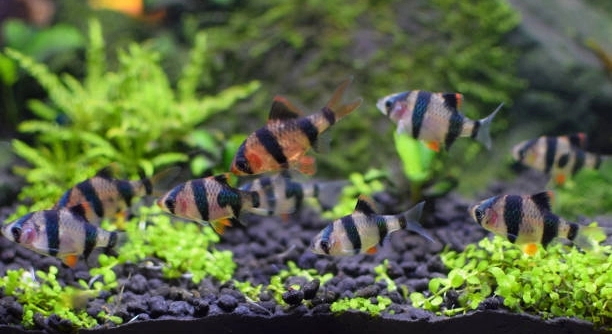
Do you ever find yourself watching your tiger barbs swim around and wondering what they do when you’re not in the room?
Tiger barbs continue to engage in playful behaviors even when humans aren’t watching. Their activity is driven by social interaction, environmental stimulation, and natural instincts, making them lively and curious whether observed or alone.
This subtle behavior offers a glimpse into their complex world, revealing more about their needs and daily routines.
Why Tiger Barbs Stay Active Without an Audience
Tiger barbs are naturally active fish that don’t rely on human attention to stay engaged. They swim in groups, explore their space, and react to changes in their surroundings. This constant movement is part of their instinctive behavior. In the wild, these fish are always on the move—searching for food, keeping an eye out for threats, or interacting with other fish. When placed in an aquarium, they keep those habits. Even when no one is around to watch, tiger barbs chase one another, peck at objects, and remain lively. Their environment plays a big role in keeping them stimulated. Decorations, plants, and hiding spots encourage exploration and natural play. So, if you’re away from the tank, your tiger barbs aren’t bored or idle. They’re simply doing what comes naturally to them—staying alert, swimming in sync, and interacting with their surroundings.
They play, explore, and interact whether or not someone is watching them.
This behavior helps reduce stress and supports their health. It also shows how important it is to create an environment that meets their needs. Even when the room is quiet, a well-designed aquarium offers enough stimulation to keep tiger barbs busy. Their actions reflect both instinct and comfort. A secure space with variety encourages them to swim confidently and stay curious. Small things like the placement of a plant or the introduction of a new ornament can trigger excitement and investigation. Even subtle shifts in lighting or water flow can affect how they move. While their behavior may seem random, it’s actually a sign that they’re mentally and physically engaged. Watching them in action is enjoyable, but their activity doesn’t stop when you’re not there. They continue to interact with their tankmates and environment, showing how adaptable and social they really are.
What This Means for Your Aquarium
Keeping tiger barbs active without direct attention means you need to offer a thoughtful setup.
A well-structured tank with varied features supports this natural behavior. Use live or artificial plants, floating decorations, and places for hiding to encourage exploration. Keep the water clean and maintain a steady temperature to promote activity. A balanced diet also plays a key role. Feeding at regular times creates routine, and offering variety keeps things interesting. Consider foods that sink and float to trigger movement at different levels of the tank. Tank size matters too—more space means more room to swim and interact. If your tiger barbs live with others, make sure the tank is not overcrowded. Overcrowding leads to stress, which limits their usual activity. On the other hand, having a compatible group of fish encourages natural behavior. Watching tiger barbs thrive in a balanced setup is rewarding. Even when you’re not present, your fish will keep moving, showing that the right care makes a difference.
How Environment Shapes Their Play
A clean and enriched tank encourages tiger barbs to stay playful. Even without an audience, they continue to explore and swim actively when their environment supports natural movement and offers mental and physical stimulation.
Lighting, water flow, and layout all affect how tiger barbs behave. Soft, consistent lighting helps them feel safe, while moderate current keeps them engaged as they swim against or with the flow. Use plants, tunnels, or rocks to give them things to navigate around. These features create small challenges and hiding spots, helping reduce stress and encouraging curiosity. Rearranging the decor occasionally also keeps them alert, as new paths and visuals trigger a fresh response. When they feel secure in their space, they play more often and display brighter colors. Even subtle changes to the environment can influence their mood and behavior. An interactive setting supports healthy instincts, even when no one is nearby to observe.
Consistency in the environment is just as important as variety. If lighting or water quality changes too frequently, tiger barbs may feel unsettled. Their playfulness relies on feeling secure. A filter that maintains steady flow, regular cleaning, and stable water parameters are key. Avoid sharp decorations or anything that limits their movement. Wide open spaces mixed with covered areas give them room to swim and regroup. A good balance helps them choose when to be active or when to rest. That freedom makes their play more natural and less forced. So even when no one’s watching, they continue darting through plants, swimming in patterns, or simply hovering near decorations. Their movements might seem small, but they’re important signs of well-being and comfort. Providing a predictable yet stimulating home allows their personality to shine—no audience needed.
Signs of Play and Social Behavior
Playful behavior often includes chasing, quick turns, or synchronized swimming. These actions happen frequently among tiger barbs, especially when they feel secure and have enough space and stimulation. They may also engage in light nipping that looks aggressive but is part of their normal interaction.
Social play shows up in how they respond to each other. Tiger barbs tend to swim in groups and follow one another in tight formations. These movements help reinforce bonds within the group and build a social structure. They’ll sometimes race or dart quickly, which isn’t always a sign of stress—it can be a natural way of releasing energy. If they’re constantly active, but show no signs of hiding, gasping, or faded colors, then the behavior is usually positive. Observing these patterns gives clues about how healthy and comfortable they are. Even without someone nearby, they continue these habits because they are deeply rooted in their social instincts.
Tankmates Influence Behavior
Tiger barbs are more playful and active when kept in groups of at least six. Smaller groups can lead to stress or aggression. Their natural behavior relies heavily on social interaction, making tank size and group dynamics especially important.
The presence of compatible tankmates helps reduce tension. Avoid slow-moving or long-finned fish, as tiger barbs may nip at them. Choose active species that can match their pace.
Why They Play When You’re Not There
Their play continues without an audience because it’s part of how they stay alert and connected to their environment. Tiger barbs don’t play for attention—they play because they are instinctively wired to move, explore, and interact. These actions are signs of physical and mental well-being. A peaceful setting encourages more frequent behavior like chasing, darting, and swimming in patterns. Their activity level reflects how secure they feel in their space. Even in a quiet room, they still have routines, explore tank features, and respond to movement or changes. Their world doesn’t pause when people walk away—they keep going.
When to Watch for Changes
If tiger barbs stop playing or isolate themselves, something may be off. Check water quality, temperature, and group size.
FAQ
Do tiger barbs need to be in groups to play?
Yes, tiger barbs are social fish that thrive in groups of six or more. Being in a group encourages natural behaviors like chasing and swimming together. Without enough companions, they may become stressed, shy, or even aggressive. Their playful nature depends heavily on these social interactions, so keeping them with enough tankmates helps them stay active and healthy.
Can tiger barbs get bored if left alone?
Tiger barbs can become bored or stressed if kept alone or in very small groups. They are active swimmers and explorers who rely on interaction with other fish and environmental stimulation. Lack of companionship or a dull tank setup may reduce their activity and playfulness. Providing a varied environment and proper company helps prevent boredom and supports their natural behaviors.
How can I tell if my tiger barbs are playing or fighting?
Playful chasing is usually quick and involves swimming in groups or darting around the tank without causing harm. Light nipping is normal but should not cause injury. Aggressive behavior, however, includes prolonged chasing, chasing fish into hiding spots, or visible wounds. If fighting seems frequent or intense, reassess tank size, group dynamics, and compatibility with other fish.
What types of tankmates work well with tiger barbs?
Good tankmates are active, similarly sized fish that can handle the tiger barbs’ fast pace and occasional nipping. Species like danios, barbs, and some rasboras usually do well. Avoid slow-moving or long-finned fish, such as bettas or angelfish, as tiger barbs may nip at their fins, causing stress and injury.
Do tiger barbs need special decorations to encourage play?
Decorations like plants, caves, and rocks offer hiding spots and areas for exploration, which stimulate play and natural behavior. Rearranging decorations occasionally can renew interest and encourage curiosity. However, avoid sharp or rough items that could injure them. A mix of open swimming space and sheltered areas works best.
How often should I feed my tiger barbs to keep them active?
Feeding two to three times a day with a balanced diet helps maintain their energy and health. Offering a variety of foods—flakes, pellets, and occasional live or frozen treats—keeps them interested. Avoid overfeeding, which can lead to poor water quality and reduce activity.
Will tiger barbs play more during the day or night?
Tiger barbs are diurnal, meaning they are most active during the day. They rest or stay less active at night. Consistent lighting schedules help regulate their daily patterns. Sudden changes in light or too much darkness can cause stress or disrupt their normal behavior.
What does it mean if tiger barbs suddenly stop playing?
A sudden drop in activity can signal stress, illness, or poor water conditions. Check water parameters like ammonia, nitrite, nitrate levels, temperature, and pH. Also, watch for signs of disease or bullying within the tank. Addressing these issues quickly can help restore their normal behavior.
Can changes in water flow affect tiger barb play?
Yes, moderate water flow encourages natural swimming patterns and activity. Too strong a current can tire them, while too weak can reduce stimulation. Filters and pumps should be adjusted to create a balanced flow that supports their movement without causing stress.
Are tiger barbs more playful in larger tanks?
Larger tanks provide more space for swimming and exploring, which naturally encourages activity and play. A bigger environment also allows for better social interaction and reduces territorial disputes. If possible, aim for at least 20 gallons for a group of tiger barbs to ensure they have enough room to thrive.
Tiger barbs are naturally active and social fish that continue to play even when no one is watching. Their behavior is driven by instincts, social interaction, and the environment they live in. When given a proper setup, they stay lively and curious throughout the day. This means they do not rely on human presence for stimulation or play. Instead, they explore their surroundings, swim together, and engage in natural activities that keep them healthy and alert. Understanding this helps create better care routines and a more comfortable home for them.
Creating an environment that meets their needs is key to encouraging their natural behavior. A tank with enough space, clean water, and varied decorations helps keep tiger barbs active and stress-free. They enjoy swimming around plants, hiding in caves, and chasing each other in groups. Having other fish that can keep up with their energy also supports social play. Maintaining stable water conditions and regular feeding schedules also plays an important role. When these factors are in place, tiger barbs continue their playful habits regardless of human observation.
Recognizing the importance of their natural behaviors can improve how they are cared for. Watching tiger barbs interact and move can be enjoyable, but it’s important to remember they don’t need an audience to stay busy or happy. Their play helps keep them physically fit and mentally sharp. When their environment is safe and stimulating, tiger barbs show signs of comfort and confidence. Taking time to create this environment ensures their well-being over the long term, making the aquarium a healthier space for them to thrive in.

Hello,
If you enjoy the content that we create, please consider saying a "Thank You!" by leaving a tip.
Every little bit helps us continue crafting quality advice that supports the health, happiness, and well-being of pets around the world, for pets of all shapes, sizes, and species.
We really appreciate the kindness and support that you show us!