
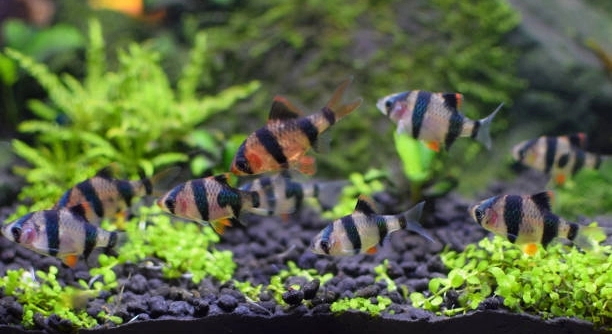
Tiger barbs are popular freshwater fish known for their lively behavior and striking stripes. Many fish owners notice their tank reflections and wonder how these fish react to seeing themselves. Understanding this behavior can help improve tank care.
Tiger barbs do notice their own reflection, but their reaction varies. Some may see it as a rival and display aggressive behavior, while others might ignore it over time. Their response depends on individual temperament and environment.
Learning how tiger barbs respond to reflections reveals more about their social habits and stress levels. This insight can help you create a more comfortable home for your fish.
How Tiger Barbs React to Their Reflection
Tiger barbs often react strongly when they first see their reflection in the glass of a tank. They might swim aggressively toward the image, thinking it is another fish invading their space. This behavior is especially common in males during breeding times when they feel territorial. Some tiger barbs may nip at the glass or chase their reflection, which can be a sign of stress or excitement. However, over time, many fish become used to the reflection and stop reacting so intensely. The reflection does not harm them physically, but constant aggression toward it might cause unnecessary stress. Providing hiding places or plants in the tank helps reduce this stress and gives the fish areas to retreat. Observing your tiger barbs’ behavior with their reflection can help you understand their mood and adjust the tank environment to keep them calm and healthy.
Tiger barbs’ reactions vary by individual, so it’s normal for some to ignore their reflection completely.
Recognizing how these fish perceive their reflection can improve tank management. Aggression caused by reflections might signal the need for changes in tank setup or group size. For example, increasing the number of fish or adding decorations can distract them from fixating on their image. It also helps prevent injuries from repeated attacks on the glass. Knowing when your tiger barbs are stressed by their reflection allows you to create a better environment, reducing aggressive behavior and promoting peaceful interactions within the tank.
Why Reflections Can Cause Stress
Reflections create a situation where tiger barbs believe another fish is nearby, which can trigger defensive or territorial instincts. This can be stressful because the fish cannot escape or resolve the conflict, unlike in open water. Over time, the stress may affect their health or cause them to hide more often. It’s important to monitor their behavior and adjust the tank to minimize these triggers. Simple changes like repositioning the tank or reducing direct light on the glass can lessen the reflection’s visibility. Understanding this helps keep tiger barbs calm and prevents unnecessary stress from reflections.
How to Reduce Stress from Reflections
Placing plants or decorations near the tank glass helps block reflections. This reduces aggressive behavior in tiger barbs.
Adding plants or tank decorations near the glass creates visual barriers that interrupt reflections. This simple change can distract tiger barbs from focusing on their image. It gives them areas to explore and hide, which lowers stress. Over time, the fish become less interested in the reflection, making the tank environment calmer and safer for them.
Another way to reduce reflection is by adjusting the tank’s lighting. Using softer or indirect light minimizes glare on the glass, which cuts down the chances of fish seeing their reflection clearly. Covering parts of the tank or moving it away from windows also helps reduce reflection. These small adjustments improve the fish’s comfort, making their behavior less aggressive and more natural.
Tank Setup Tips for Tiger Barbs
Choosing the right tank size and group number impacts tiger barb behavior. Crowding or isolation can worsen aggression.
Tiger barbs are schooling fish that feel safer in groups of at least six. When kept alone or in small numbers, they may become stressed or overly aggressive, especially when faced with their reflection. A spacious tank with plenty of hiding spots allows each fish space to escape perceived threats. This helps reduce aggressive displays triggered by reflections. Proper tank setup creates a balanced environment that supports natural behavior and limits conflict. Paying attention to these details makes a big difference in the fish’s well-being.
Signs Your Tiger Barbs Are Stressed by Reflections
Frequent chasing or nipping at the glass often shows stress caused by reflections. Look for these behaviors.
Other signs include hiding more than usual or loss of appetite. These symptoms mean the fish feels threatened and may need changes in its environment to feel safer.
The Role of Tank Lighting
Bright lighting can increase the visibility of reflections, causing more aggressive behavior. Adjusting light levels helps reduce stress.
Using dimmer lights or placing the tank away from direct sunlight can make reflections less noticeable. This small change creates a calmer environment, making the fish less likely to react aggressively to their own image.
Using Backgrounds to Minimize Reflections
Attaching a dark or solid-colored background to the tank reduces reflections and lowers stress. This simple step improves your fish’s comfort and behavior.
FAQ
Do tiger barbs recognize themselves in the mirror?
Tiger barbs do notice their reflection, but they don’t recognize it as themselves. Instead, they usually see it as another fish. This can lead to aggressive behavior or curiosity, depending on the fish’s temperament. Unlike some animals, tiger barbs lack self-awareness of their mirror image.
Why do tiger barbs attack their reflection?
Aggression toward reflections is mostly due to territorial instincts. Tiger barbs may feel threatened by the “other fish” in their space. They try to chase or nip at the reflection to protect their territory. This behavior often happens more in males or during breeding periods.
Can reflections harm tiger barbs?
Reflections do not cause physical harm, but repeated aggression can cause stress. Stress weakens their immune system and affects overall health. It’s important to manage the tank environment to reduce constant reflection exposure and keep the fish calm.
How can I tell if my tiger barb is stressed?
Look for signs like constant chasing of the glass, hiding more than usual, or loss of appetite. These behaviors suggest stress, possibly from seeing their reflection or other tank issues. Early detection helps prevent health problems and keeps the fish comfortable.
What’s the best tank size for tiger barbs to reduce stress?
A minimum tank size of 20 gallons is recommended for a small group of tiger barbs. Bigger tanks give them more space to swim and avoid conflicts, especially with reflections. Overcrowding increases stress and aggressive behavior.
How many tiger barbs should be kept together?
Keeping at least six tiger barbs together is best. They are schooling fish and feel safer in groups. Smaller groups may cause increased aggression as they focus more on each other or their reflection. A proper group size helps balance their social needs.
Do tiger barbs get used to their reflection over time?
Yes, many tiger barbs gradually ignore their reflection after repeated exposure. They learn it’s not a real threat. However, some fish stay reactive depending on their personality. Providing hiding spots and tank decorations helps speed up this adjustment.
Does tank lighting affect reflection behavior?
Bright lighting increases reflection visibility, which can trigger more aggressive responses. Using softer or indirect lighting reduces glare and reflections, helping tiger barbs stay calmer. Adjusting light placement is a simple way to improve fish comfort.
Can tank decorations reduce aggression toward reflections?
Yes, adding plants, rocks, or backgrounds breaks up reflections and distracts fish. These decorations provide hiding spaces and reduce the chance of constant mirror interactions. A well-decorated tank supports natural behavior and reduces stress.
Is it okay to cover parts of the tank glass to block reflections?
Covering parts of the glass is a practical way to reduce reflection exposure. Using a dark or solid-colored background can help minimize reflections. This lowers aggressive behavior and helps maintain a peaceful tank environment for tiger barbs.
Tiger barbs are lively fish that often react to their own reflections in interesting ways. Their behavior shows how they interpret what they see as a possible rival or another fish nearby. While this can sometimes cause stress or aggression, it is a natural response tied to their territorial instincts. Understanding these reactions helps fish owners provide a better environment for their tiger barbs. Making small changes in the tank setup or lighting can reduce unwanted behaviors and keep the fish comfortable.
It is important to remember that not all tiger barbs respond the same way to reflections. Some may become aggressive or chase their image, while others simply ignore it over time. Factors such as tank size, group numbers, and decorations play a big role in how fish behave. Offering enough space and places to hide helps tiger barbs feel safe and less threatened by their reflections or other fish. Adjusting light and adding backgrounds also cut down on reflections, making the tank less stressful for them.
By paying close attention to your tiger barbs’ behavior and making thoughtful changes, you can help them live a healthier and happier life. Watching for signs of stress, like constant chasing or hiding, is key. Using plants, rocks, and proper lighting can reduce the impact of reflections and improve overall tank harmony. With a little care and understanding, tiger barbs can thrive and show their natural, playful personalities without being disturbed by their own reflection.

Hello,
If you enjoy the content that we create, please consider saying a "Thank You!" by leaving a tip.
Every little bit helps us continue crafting quality advice that supports the health, happiness, and well-being of pets around the world, for pets of all shapes, sizes, and species.
We really appreciate the kindness and support that you show us!