
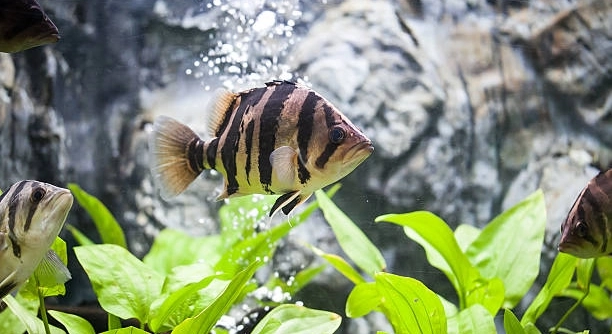
Tiger barbs are popular freshwater fish known for their lively behavior and vibrant colors. Many aquarium owners enjoy watching them interact in their tanks. Changes to their environment, such as rearranging the tank, often catch the attention of these active fish.
Tiger barbs do notice tank rearrangements, reacting to new layouts with curiosity or stress. Their behavior can change as they adapt to altered hiding spots, swimming patterns, and territory boundaries, impacting their overall comfort in the aquarium.
Understanding how tiger barbs respond to tank changes helps ensure their well-being and creates a balanced environment for them to thrive.
How Tiger Barbs React to Tank Rearrangement
When the tank layout changes, tiger barbs immediately notice differences in their surroundings. New hiding places, open spaces, or obstacles affect how they swim and interact. At first, they may act more cautious or even hide more often. This reaction is natural because they rely on familiar landmarks to feel safe. Over time, they explore the new setup and adjust their swimming routes and social behavior. Some may become more active once they settle in, while others may show signs of stress like darting quickly or nipping. The way they respond also depends on how dramatic the rearrangement is. Moving just a few decorations causes less disruption than completely changing the tank’s look. It’s important to observe their behavior after any changes to ensure they are comfortable and healthy.
Tank rearrangement often causes a brief period of stress, but tiger barbs usually adapt within a few days.
Paying close attention to your fish after rearranging the tank helps catch any signs of prolonged stress. Keeping some familiar elements and providing plenty of hiding spots can ease their adjustment. Making changes gradually also reduces shock. If you notice aggressive behavior or lack of appetite, these might be signs your fish need more time or a less dramatic change. Maintaining water quality and stable conditions supports their overall well-being during transitions. Remember, a comfortable environment is key to healthy, happy tiger barbs.
Tips for Rearranging Your Tiger Barb Tank
When planning to rearrange the tank, start small and keep some favorite spots intact. Gradual changes help the fish get used to their new home without feeling overwhelmed. Introduce new decorations slowly and watch how the fish react before adding more. Ensure that hiding places remain available since tiger barbs like to feel secure.
Slow and steady changes reduce stress and encourage smoother adaptation in tiger barbs.
Rearranging a tank can refresh the look and stimulate your fish mentally, but it needs careful thought. Sudden, large changes can upset their routine and cause prolonged stress or aggressive behavior. Providing plants, caves, or rocks that offer shelter helps tiger barbs feel safe. Observing their behavior closely during this time is essential. If needed, return some items to their previous positions to create a familiar environment. Keeping feeding consistent and water parameters stable supports their health through the transition. By planning rearrangements thoughtfully, you create a balanced habitat where your tiger barbs can thrive and display their natural behaviors.
Signs That Tiger Barbs Are Affected by Tank Changes
Tiger barbs may show stress after rearranging the tank through rapid swimming, hiding, or increased aggression. Changes in appetite or lethargy can also signal discomfort. Watching these behaviors helps you know when they need more time to adjust.
Stress from tank changes can cause tiger barbs to dart quickly or hide more often. They may nip at each other or other fish if feeling unsettled. Appetite loss is common during adjustment, so feeding habits should be monitored closely. If aggressive behaviors persist, consider reversing some changes or adding more hiding places. Not all tiger barbs react the same, so observing each fish’s behavior helps manage stress effectively.
It’s important to check water conditions after rearranging. Sometimes water chemistry shifts during cleaning or moving decorations. Stable water parameters reduce stress and support healing if needed. If fish continue to act distressed, extra care with water quality and minimizing disturbances can make a big difference.
How to Help Tiger Barbs Adjust Quickly
Provide plenty of cover and familiar objects to help tiger barbs feel safe after rearranging. Gradually introduce new decorations instead of sudden, major changes to avoid overwhelming them.
Keeping tank conditions stable is key for quick adjustment. Sudden changes in temperature, pH, or cleanliness can add stress. Avoid overcrowding the tank, and ensure fish have enough space to swim and hide. Regular feeding with a balanced diet supports their immune system. During transitions, keep noise and vibrations near the tank to a minimum, as these can increase anxiety. By paying attention to their environment and behavior, you help your tiger barbs settle in comfortably and maintain good health.
When to Rearrange Your Tiger Barb Tank
Rearranging the tank can refresh the environment and reduce boredom for tiger barbs. It also helps remove algae buildup or clean the substrate effectively.
Timing is important; avoid rearranging during breeding or when the fish are already stressed. Plan changes carefully to minimize disruption.
Preparing for a Tank Rearrangement
Before rearranging, prepare by cleaning decorations and planning the new layout. Remove any fragile plants or delicate items temporarily. Ensure all equipment is functioning properly to avoid water quality issues during the change.
Avoiding Common Mistakes
Avoid moving too many decorations at once or changing water conditions drastically. Sudden changes can increase stress and cause health problems in tiger barbs.
FAQ
Do tiger barbs always react negatively to tank rearrangement?
Not always. Some tiger barbs are more adaptable and adjust quickly without showing much stress. However, many will notice changes and may act cautious or restless at first. Their reaction depends on the extent of the rearrangement and their individual temperament.
How long does it usually take for tiger barbs to get used to a new tank layout?
Most tiger barbs adjust within a few days to a week. During this time, they explore the new space and establish new territories. If signs of stress continue beyond a week, it might indicate that the changes were too drastic or that other factors are affecting their comfort.
Can rearranging the tank cause aggression among tiger barbs?
Yes, changes in the tank can increase aggression temporarily. New layouts disrupt established territories, which may lead to chasing or nipping as they reestablish social order. Providing plenty of hiding spots and visual barriers can help reduce aggression during this period.
Should I rearrange the tank if my tiger barbs seem stressed?
If your tiger barbs are already stressed, it’s best to avoid rearranging the tank. Sudden changes add more pressure. Instead, focus on stabilizing water conditions, ensuring proper nutrition, and reducing disturbances until they calm down.
How can I make tank rearrangement less stressful for my fish?
Make changes gradually, moving only a few decorations at a time. Keep some familiar elements in place so the fish can recognize parts of their environment. Also, maintain stable water parameters and avoid sudden temperature shifts. Adding extra hiding places helps fish feel secure during transition.
Do tiger barbs notice changes in water parameters after rearrangement?
Yes, fish are sensitive to water quality changes. Rearranging often involves cleaning or disturbing the substrate, which can affect ammonia, nitrite, or nitrate levels temporarily. Always test the water after changes to make sure parameters remain safe.
Will rearranging the tank improve my tiger barbs’ health or behavior?
Rearranging can stimulate tiger barbs mentally and physically by providing a fresh environment. However, it must be done carefully to avoid stress. A well-planned change can reduce boredom and encourage natural behaviors like exploring and hiding.
Is it better to rearrange the tank regularly or keep it the same?
Both approaches work, depending on your fish. Regular small changes can keep the environment interesting, but too many sudden rearrangements may cause stress. If you prefer a stable setup, keep changes minimal and only rearrange when necessary for cleaning or health reasons.
What signs show my tiger barbs are comfortable after rearranging?
Comfortable tiger barbs swim calmly, explore their new environment, and eat normally. Social behaviors like schooling and playing without aggression are good signs. Reduced hiding and normal coloration also indicate they feel safe and settled.
Can tank rearrangement affect other fish if I keep tiger barbs with tank mates?
Yes, rearranging affects all fish. Different species react differently to changes, and some may be more sensitive than tiger barbs. Monitor all fish closely and adjust the environment in ways that support the needs of everyone in the tank.
Rearranging a tank where tiger barbs live is something many aquarium owners consider to keep the environment fresh and clean. Tiger barbs are lively and curious fish, but they do notice changes in their surroundings. When decorations, plants, or hiding spots are moved, these fish may feel uncertain at first. This is a natural response because they rely on familiar places to feel safe. Even though they might act a little stressed or hide more when the tank is rearranged, most tiger barbs adjust fairly quickly once they explore their new environment. The key is to help them feel comfortable during the transition by paying attention to their behavior and making changes carefully.
It is important to remember that tiger barbs can show signs of stress after a tank rearrangement, such as swimming faster than usual, hiding, or showing aggression toward other fish. These reactions don’t usually last long if the environment is stable and the changes aren’t too dramatic. Keeping the water quality steady and making sure there are enough hiding places helps the fish feel secure. It’s also a good idea to rearrange the tank slowly, moving a few items at a time instead of all at once. This gradual approach allows the tiger barbs to get used to changes step by step. Watching how the fish behave after each change is helpful, so you can stop or adjust if they seem too stressed.
Overall, rearranging a tiger barb tank can be beneficial when done thoughtfully. It can stimulate the fish by giving them new areas to explore and can improve the look of the aquarium. The best results come from balancing the need for change with the fish’s comfort. Keeping familiar spots, stable water conditions, and plenty of hiding places will help tiger barbs adapt quickly and stay healthy. When you take the time to understand how your tiger barbs respond, you create a better environment for them to thrive and show their lively, colorful personalities.

Hello,
If you enjoy the content that we create, please consider saying a "Thank You!" by leaving a tip.
Every little bit helps us continue crafting quality advice that supports the health, happiness, and well-being of pets around the world, for pets of all shapes, sizes, and species.
We really appreciate the kindness and support that you show us!