
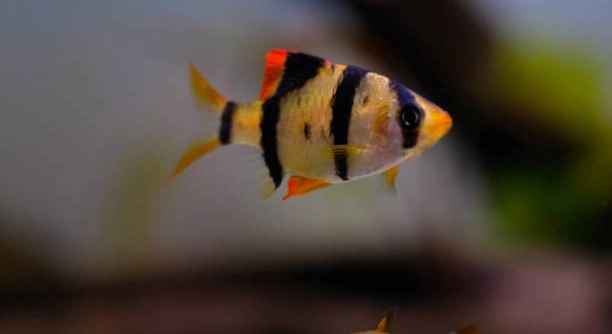
Tiger Barbs are a popular choice for aquarium enthusiasts due to their vibrant colors and lively behavior. Many fish owners consider how to best care for them, including whether these fish need companions to live well. Understanding their social needs helps ensure a healthy and happy environment.
Tiger Barbs are schooling fish that thrive best when kept in groups of six or more. Social interaction reduces stress and aggression, promoting natural behaviors and overall well-being. Keeping them alone or in small numbers can lead to increased anxiety and health issues.
Maintaining the right group size supports their natural habits and improves the aquarium’s atmosphere for both the fish and the owner.
Why Tiger Barbs Are Social Fish
Tiger Barbs naturally live in groups in the wild, where they swim together for protection and interaction. When kept alone in an aquarium, they can become shy and stressed because they lack the social stimulation they need. A group helps them feel secure and encourages healthy activity. Without companions, Tiger Barbs may display aggressive or erratic behavior, which can lead to injury or illness. Group living also helps distribute attention among the fish, reducing fights and dominance struggles. Their bright colors and quick movements make them a lively addition, but this liveliness depends on a social environment where they can interact. Keeping them in groups mimics their natural setting and supports their mental and physical health.
Social groups reduce aggression and stress.
Grouping Tiger Barbs properly requires at least six individuals to create a stable dynamic. In smaller groups, dominant fish might bully others, causing injury or hiding. More fish help balance this out and promote natural schooling behavior. When you provide a good-sized group, they swim actively and show natural color brightness. Group living also encourages feeding and exploration, improving their overall well-being. Remember, their social needs mean a larger tank is better to provide enough space for movement. A crowded tank can lead to stress and water quality problems, so proper space is key. Planning the right group size and tank dimensions ensures your Tiger Barbs thrive happily and healthily.
Tank Setup for Group Living
A tank for Tiger Barbs kept in groups should be spacious enough for swimming and exploration. At least 30 gallons is recommended to comfortably house six or more Tiger Barbs. Providing plants, hiding spots, and open swimming areas helps them feel secure and reduces aggression. Proper filtration and regular water changes keep the environment clean, which is essential since stress from poor water quality affects their health. A well-maintained tank supports their active lifestyle and bright colors.
Tiger Barbs need space and variety to thrive.
Decorate the tank with sturdy plants and smooth decorations that won’t injure the fish during their active swimming. Floating plants can offer shade and resting areas, helping to reduce stress. Avoid sharp objects as Tiger Barbs are energetic swimmers and may hurt themselves. Adding moderate water flow simulates their natural habitat and encourages activity. A balanced diet with quality flakes, pellets, and occasional live or frozen food will keep them healthy. Meeting these needs alongside their social requirements leads to a successful aquarium with vibrant, happy Tiger Barbs.
Signs of Stress in Tiger Barbs
Stress in Tiger Barbs often shows through changes in behavior or appearance. Common signs include hiding, loss of color, and aggressive or lethargic behavior. Noticing these early helps prevent more serious health problems.
Stress can cause Tiger Barbs to lose their vibrant colors and become less active. They may isolate themselves or fight more frequently with tank mates. These behaviors often indicate that their environment or social setup needs adjustment. Monitoring water quality and group size regularly is important, as poor conditions or loneliness can trigger stress. Providing proper hiding spots and maintaining a stable environment helps reduce these issues and keeps the fish healthy and active.
Ignoring stress signs can lead to illness or death. Frequent observation and timely action improve the overall wellbeing of your Tiger Barbs. Adjustments in tank conditions or social groupings are often needed to bring them back to their usual lively selves.
Feeding Habits and Group Dynamics
Tiger Barbs eat a variety of foods, including flakes, pellets, and live or frozen options. In a group, they may compete during feeding, so providing enough food and space is crucial to avoid stress.
Feeding multiple times a day in small amounts helps keep all fish nourished without overfeeding. Observing feeding times allows you to spot weaker or bullied fish that might not get enough food. Offering a balanced diet supports their bright colors and energy levels. Using feeding rings or spreading food across the tank encourages fair access. Maintaining good feeding habits alongside proper social care creates a healthier and more harmonious aquarium environment.
Introducing New Tiger Barbs
Introducing new Tiger Barbs to an existing group requires care to avoid aggression. Quarantine new fish for at least two weeks to ensure they are healthy before adding them.
Add new fish slowly and watch for signs of bullying or stress. Rearranging tank decorations can help reduce territorial behavior and make introductions smoother.
Maintaining Water Quality
Consistently good water quality is essential for Tiger Barbs to thrive. Regular testing and water changes keep harmful chemicals low and maintain stable conditions. Use a reliable filter and clean it regularly to prevent buildup of waste. Keeping parameters steady reduces stress and illness in your fish.
Compatible Tank Mates
Tiger Barbs are semi-aggressive and may nip at slow or long-finned fish. Choose tank mates that are fast swimmers and can handle their active nature to maintain harmony in the tank. Avoid keeping them with very peaceful or delicate species to reduce conflict.
FAQ
Do Tiger Barbs need to be kept in groups?
Yes, Tiger Barbs are schooling fish that do best in groups of at least six. Keeping them alone can cause stress and lead to aggressive or shy behavior. Groups help them feel secure and encourage natural swimming patterns, which promotes their health and happiness.
Can Tiger Barbs live with other fish?
Tiger Barbs can live with other fish, but it’s important to choose tank mates carefully. They tend to nip fins, so fast or similarly active fish work best. Avoid slow, long-finned, or very peaceful species, as Tiger Barbs might bother them.
How big should the tank be for Tiger Barbs?
A tank of at least 30 gallons is recommended for a group of six or more Tiger Barbs. This size provides enough swimming space and reduces territorial aggression. Larger tanks are even better, especially when adding other fish.
What do Tiger Barbs eat?
Tiger Barbs are omnivores and accept a variety of foods, including flakes, pellets, live, and frozen foods. A balanced diet keeps them healthy and colorful. Feeding small amounts multiple times a day ensures all fish get enough without polluting the tank.
How often should I change the water?
Changing 20-30% of the water every week helps maintain good water quality. Regular water changes reduce toxins and keep the environment stable. Testing water parameters regularly can help you decide if more frequent changes are needed.
Why are my Tiger Barbs aggressive?
Aggression usually happens if the group is too small or the tank is overcrowded. Less than six Tiger Barbs can cause dominance fights. Also, poor tank conditions or lack of hiding spots can increase stress and aggression.
Can Tiger Barbs live alone?
Tiger Barbs generally do not do well alone. They need social interaction to feel secure and stay active. An isolated Tiger Barb may become stressed, hide more, and lose color.
What signs show that Tiger Barbs are stressed?
Signs include faded colors, hiding frequently, reduced activity, and increased aggression or lethargy. These behaviors often point to issues with tank conditions, social group size, or water quality.
How do I introduce new Tiger Barbs to my tank?
Quarantine new fish for two weeks before adding them. Introduce them slowly and rearrange tank decorations to reduce territorial behavior. Watch for bullying and separate fish if needed.
Can Tiger Barbs live with plants?
Yes, Tiger Barbs do well with plants, especially sturdy ones. Plants provide hiding spots and reduce stress. Avoid delicate or soft plants that might be damaged by their activity.
What water temperature do Tiger Barbs prefer?
Tiger Barbs thrive in water between 74°F and 79°F (23°C to 26°C). Keeping the temperature stable within this range supports their immune system and activity levels.
How long do Tiger Barbs live?
With proper care, Tiger Barbs typically live 5 to 7 years. Good water quality, proper diet, and social environment are key factors for a longer life.
Are Tiger Barbs good for beginners?
Tiger Barbs can be suitable for beginners who understand their social needs and tank requirements. They are hardy but require attention to group size and water conditions.
Do Tiger Barbs breed in community tanks?
Breeding in community tanks is rare because other fish often eat the eggs or fry. For breeding, a separate tank with hiding places for the young is recommended.
What should I do if my Tiger Barbs nip other fish?
Increasing the group size, providing more hiding spots, and ensuring enough space can reduce nipping. Avoid keeping them with slow or long-finned fish to prevent stress for all species involved.
Tiger Barbs are lively fish that show their best colors and behavior when kept in groups. They naturally live in schools, so providing company is important for their well-being. Without enough companions, they may become stressed, shy, or aggressive, which affects their health. Keeping at least six Tiger Barbs together helps them feel secure and encourages natural swimming patterns. This group size also reduces bullying and promotes more balanced social interactions. Understanding their social needs is essential for anyone wanting to care for these active fish properly.
Besides companionship, maintaining a clean and well-structured tank is crucial. Tiger Barbs need enough space to swim and explore, so a tank of 30 gallons or more is recommended for a small group. Adding plants and hiding spots helps reduce aggression and provides comfort. Regular water changes and proper filtration keep the water quality stable, which is key to preventing stress and illness. Feeding them a varied diet multiple times a day supports their health and vibrant colors. Balancing these factors—social environment, tank setup, and diet—creates the best conditions for Tiger Barbs to thrive.
While Tiger Barbs are hardy fish, their happiness depends on careful care and attention to their social behavior. Avoid keeping them alone or in very small groups, as this can lead to problems. Watching for signs of stress and adjusting the tank environment or group size when needed will help maintain their health. Choosing compatible tank mates also reduces conflict and creates a peaceful community aquarium. By providing the right group size, environment, and care, Tiger Barbs can live actively and brightly for many years.

Hello,
If you enjoy the content that we create, please consider saying a "Thank You!" by leaving a tip.
Every little bit helps us continue crafting quality advice that supports the health, happiness, and well-being of pets around the world, for pets of all shapes, sizes, and species.
We really appreciate the kindness and support that you show us!