
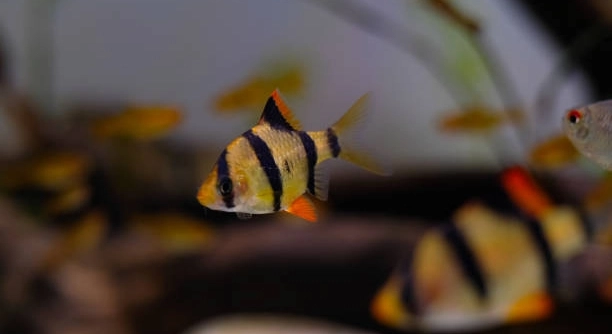
Are your tiger barbs swimming around with plenty of energy, but you’re unsure if they’re getting enough oxygen in their tank? Understanding the basics of aquarium care can help you keep your fish healthy and active.
Tiger barbs do not strictly need bubble stones to survive, but adding one can improve water circulation and oxygen levels, which benefits their overall health and supports a more stable tank environment.
Learning how bubble stones work and when they might be helpful can make a big difference in your fishkeeping routine.
What Bubble Stones Do in a Tank
Bubble stones, also called air stones, help release tiny air bubbles into the tank. These bubbles improve oxygen exchange by increasing the surface movement of the water. When the surface moves more, it allows more oxygen to mix in and helps carbon dioxide escape. This is especially useful in tanks that don’t have strong water circulation or that are stocked with many fish. More oxygen in the water can lead to healthier, more active fish. It also helps beneficial bacteria thrive, which supports better water quality. Bubble stones also create a calming visual effect, and some fish seem to enjoy swimming through the rising bubbles. However, they are not required for every setup. If your filter already creates enough surface agitation, you may not see a big difference by adding one. Still, many fishkeepers like the extra oxygen support bubble stones can offer in more demanding tanks.
Some aquariums are already well-aerated through filters and don’t benefit much from bubble stones.
If your tiger barb tank has good filtration, moderate stocking levels, and clear water, a bubble stone may not be necessary. But if your tank often feels stuffy, or if fish gather near the surface often, adding one could help. It’s also helpful during warm weather when oxygen levels drop.
Do Tiger Barbs Benefit From Them?
Tiger barbs are active swimmers and produce a fair amount of waste, so they do better in tanks with good water movement and oxygen levels.
A bubble stone can support their active nature by helping to stabilize oxygen levels throughout the tank. Although tiger barbs can live in tanks without one, they thrive in well-maintained environments where the water is consistently oxygenated. A bubble stone isn’t just for oxygen—it also reduces dead zones in the tank, which can keep waste from settling and improve overall water quality. This is especially important if your tank has dense decorations or live plants that can block water flow. If your tiger barbs seem sluggish, stay near the top, or show signs of stress, checking your tank’s oxygen levels might be a good step. In many cases, a bubble stone offers an easy, affordable way to give your fish a little extra support. It’s a small tool that can make a noticeable difference, especially in warmer or heavily stocked tanks.
Choosing the Right Bubble Stone
A small to medium-sized bubble stone is usually enough for a standard tiger barb tank. Look for one that creates fine bubbles, as these improve oxygen exchange more efficiently and don’t disturb your fish too much.
Disc-shaped or cylinder bubble stones tend to work well because they spread bubbles evenly across a larger area. Avoid large, noisy air stones if you have a smaller tank, as they can cause too much movement and stress your fish. The bubble stone should be placed near the bottom of the tank to help circulate water from the lower levels upward. Make sure the air pump powering it is quiet and strong enough to keep the bubbles steady. Some air pumps come with adjustable flow settings, which allow you to control how strong the bubbles are. This helps keep things comfortable for tiger barbs, who enjoy steady flow but not rough currents.
The quality of materials also matters. Choose a bubble stone made of durable, non-toxic materials that won’t break down over time. Replace them if you notice any clogging or reduced airflow. Regular cleaning helps keep them working properly and ensures your tank remains well-aerated. Silicone tubing and check valves can also help with setup and prevent backflow.
How to Tell If Your Tank Needs One
Watch for signs like fish hovering near the surface or moving less than usual. Poor water movement, cloudy water, or an oily surface can also point to low oxygen levels.
If your tank feels too still or warm, or if it’s heavily stocked, a bubble stone can help restore balance. Heat reduces oxygen, and more fish means faster oxygen use. When bubbles are added, the surface moves more, allowing fresh oxygen to mix in while releasing carbon dioxide. Tiger barbs are especially sensitive to changes in water quality, so it’s important to act quickly if you notice anything off. Some filters already provide enough movement, but adding a bubble stone is often a simple, low-cost way to increase oxygen without changing your setup too much. You’ll also notice the tank looks livelier, and your fish may become more active as the environment becomes more stable and comfortable for them.
Common Mistakes to Avoid
Using a bubble stone that’s too strong can cause stressful currents, especially in smaller tanks. Tiger barbs prefer steady flow but not water that pushes them around constantly.
Placing the bubble stone too close to delicate plants or tank decorations can lead to damage or uneven water movement.
Proper Maintenance Tips
Rinse your bubble stone every few weeks to prevent clogging. Use warm water and gently scrub the surface with an old toothbrush or soft brush. If you notice the bubbles weakening or coming out unevenly, it’s time to clean or replace the stone. Over time, minerals from the water and debris can block the tiny pores. It’s also helpful to check the air tubing for kinks or buildup that might be reducing airflow. Replace any worn parts as needed, and always make sure the air pump is running smoothly. Proper upkeep keeps your tank running well.
Final Thoughts on Usage
Bubble stones are not required but offer helpful support for maintaining a stable and healthy tank, especially with active fish like tiger barbs.
FAQ
Do tiger barbs need a bubble stone to survive?
Tiger barbs do not need a bubble stone to survive if the tank is already well-aerated and filtered. A good filter that moves the surface of the water is often enough to keep oxygen levels stable. However, in tanks that are warm, heavily stocked, or have limited water movement, a bubble stone can offer added support. It helps increase oxygen levels and keeps the tank environment healthier. While not essential, it can improve overall water quality and comfort for your fish.
Can a bubble stone replace a filter in a tiger barb tank?
No, a bubble stone cannot replace a filter. Filters do much more than provide oxygen—they remove debris, break down waste, and maintain the nitrogen cycle. A bubble stone simply adds air and surface agitation. It does not clean the water or remove harmful toxins like ammonia or nitrites. Both tools serve different purposes. If your filter is weak or not creating enough surface movement, a bubble stone can help support the tank, but it should never be used as a substitute for proper filtration.
Where should I place the bubble stone in the tank?
The best spot for a bubble stone is near the bottom of the tank, ideally in an open area with good water flow. Placing it too close to plants or decorations may block the bubbles and reduce its efficiency. If you use a sponge filter or other air-driven equipment, you can place the bubble stone nearby to help with even water circulation. Also, position it so that the bubbles don’t disturb the fish too much. Tiger barbs like some movement, but too much can stress them out.
How can I tell if the bubble stone is helping?
If your fish are swimming more actively and no longer hovering near the surface, the bubble stone is likely doing its job. You may also notice clearer water and less surface film. Oxygen levels tend to rise with better surface movement, which supports a more stable environment. A healthy tank will have fish spread throughout all levels of the water, not just staying at the top. You can also use a dissolved oxygen test kit to check oxygen levels more accurately if you’re unsure.
Can too many bubbles stress my fish?
Yes, too much bubbling can create strong currents that may overwhelm your fish. Tiger barbs are active, but they still need calmer areas to rest. If the bubbles are too fast or forceful, your fish might avoid that area of the tank. Use a small or medium-sized bubble stone with fine bubbles and pair it with a quiet air pump that has an adjustable flow setting. This allows you to control how much air enters the tank and keeps the flow at a comfortable level.
How often should I clean or replace a bubble stone?
You should check your bubble stone about once a month. If the bubbles seem weaker or uneven, clean it using warm water and a soft brush. Over time, buildup can clog the stone and reduce its performance. Most bubble stones last a few months to a year, depending on your water quality and how often it runs. If cleaning doesn’t help, it’s best to replace it with a new one to keep your tank properly aerated.
Is it okay to turn off the bubble stone at night?
It’s better to keep the bubble stone running all the time, especially in tanks that rely on it for extra oxygen. At night, plants stop producing oxygen and start using it, which can lower the overall oxygen levels in the tank. This makes nighttime one of the most important times to keep water movement going. If noise is a concern, look for a quieter air pump or move it to a padded surface to reduce vibration. Consistent use provides a more stable environment for your fish.
Do bubble stones affect water temperature?
Bubble stones do not change the temperature of the water. However, the increased surface movement can slightly speed up the rate at which heat escapes from the tank, especially in cooler rooms. If you notice the temperature dropping more than usual, check your heater settings or add insulation to your tank. In general, any change in temperature due to a bubble stone is very minor and not something most tank owners need to worry about.
What size bubble stone is best for a 20-gallon tank?
For a 20-gallon tank, a small to medium bubble stone works well. Disc or wand styles that are about 4–6 inches long can create good surface movement without being too powerful. Choose one that releases fine, steady bubbles and avoid oversized models made for much larger tanks. Pair it with an air pump that matches your tank size to get the right balance. You don’t need a strong bubbling effect—just enough to gently move the surface and improve oxygen levels.
Can bubble stones be used with live plants?
Yes, bubble stones can be used with live plants, but placement matters. Avoid placing them too close to delicate leaves, as strong bubbling may disturb or damage them. Also, too much surface agitation can reduce the amount of carbon dioxide available for the plants. If you’re using CO₂ injection for your plants, consider running the bubble stone on a timer, so it operates only at night when plants don’t need CO₂. In non-CO₂ tanks, a bubble stone is generally safe and helpful.
Final Thoughts
Tiger barbs are active and social fish that do best in clean, well-aerated water. While a bubble stone is not a requirement, it can be a helpful addition to your tank. It supports better oxygen levels, improves water movement, and can make the tank a more stable and comfortable place for your fish. If your tank already has good filtration and surface movement, you may not notice a huge change. But in tanks that feel too still, are heavily stocked, or run warmer, a bubble stone can provide extra support without much effort or cost.
Adding a bubble stone is also simple to do. It doesn’t take up much space and works well with most tank setups. You can choose different shapes and sizes depending on your tank size and layout. Just make sure the air pump is quiet and strong enough to produce a steady stream of fine bubbles. Maintenance is easy—just clean the stone every few weeks and replace it if the bubbles become weak or uneven. Watching how your tiger barbs respond after adding one can help you decide if it’s making a difference. If they seem more active or no longer stay near the surface, that’s a good sign it’s helping.
Overall, a bubble stone is a small tool that can bring steady benefits to your tank. It won’t solve major water quality issues, but it adds extra oxygen and helps create a better environment for your fish. For tiger barbs, who enjoy movement and do well in lively water conditions, it’s a useful addition. Whether you’re new to fishkeeping or have had tanks for a while, a bubble stone is worth considering if you want to support the health and energy of your fish. Keeping your setup balanced doesn’t have to be complicated—and sometimes, small changes like this make a noticeable difference.

Hello,
If you enjoy the content that we create, please consider saying a "Thank You!" by leaving a tip.
Every little bit helps us continue crafting quality advice that supports the health, happiness, and well-being of pets around the world, for pets of all shapes, sizes, and species.
We really appreciate the kindness and support that you show us!