
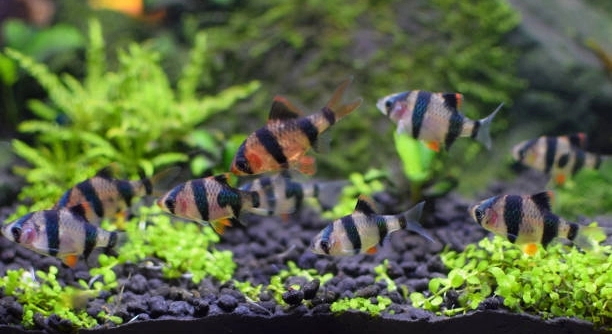
Tiger barbs are popular aquarium fish known for their vibrant colors and active behavior. Many keepers notice their social nature and wonder about how they rest. Understanding their sleeping habits can improve how we care for these lively fish.
Tiger barbs prefer to sleep in groups rather than alone. They feel safer and more secure when resting near others of their kind. Group sleeping helps reduce stress and mimics their natural behavior in the wild.
Knowing more about their group sleeping habits can help create a better environment for your tiger barbs. This article will explain why they choose to rest together and what it means for their care.
Why Tiger Barbs Sleep in Groups
Tiger barbs are naturally social fish that thrive when kept with others of their kind. Sleeping in groups provides them with a sense of security because there is safety in numbers. In the wild, this behavior helps protect them from predators during vulnerable moments like resting. When they sleep together, they can better watch their surroundings and alert each other if danger appears. Group sleeping also reduces stress, which is important for their overall health. If tiger barbs are kept alone, they may become anxious and restless, which can affect their sleeping patterns. Providing a group environment mimics their natural setting and encourages natural behaviors. It also makes the aquarium more dynamic and interesting to observe. To support this, aquarists often recommend keeping at least six tiger barbs together. This allows them to interact properly and feel comfortable enough to rest peacefully in the tank.
Group sleeping helps tiger barbs stay calm and alert to any threats, making them healthier and less stressed.
Providing a suitable group environment in the tank ensures tiger barbs feel safe during rest. This lowers their stress levels and supports their natural behavior, which improves their overall well-being and lifespan.
How to Create a Comfortable Sleeping Environment for Tiger Barbs
Tiger barbs need a calm and secure space to rest well. This includes dim lighting, plenty of hiding spots, and stable water conditions. Plants, caves, and decorations can help create cozy areas where they can gather quietly. Avoid sudden changes in the tank, as this can disrupt their rest and increase stress. It’s important to maintain a regular day and night cycle with a timer on the aquarium light. This helps signal when it is time to sleep. Keep the water clean and parameters steady because poor water quality can disturb their rest. Observing your tiger barbs’ behavior will help you understand their preferred sleeping spots. Adjusting the tank setup to match their needs encourages peaceful group sleeping and better health.
A well-planned tank setup with hiding places and stable conditions supports tiger barbs’ natural rest.
Ensuring your tank provides quiet, shaded areas with stable water conditions allows tiger barbs to sleep comfortably in groups. Regular light cycles and hiding spots help reduce stress and encourage natural sleeping behavior. Watching how they rest can guide small adjustments to improve their environment.
Signs Tiger Barbs Are Sleeping
Tiger barbs often become less active and hover quietly in one spot when they sleep. Their fins may be relaxed, and they might tuck themselves near plants or decorations. During this time, they are less responsive to movement around the tank. These signs help indicate when your fish are resting.
Sometimes, tiger barbs will group closely together in one area of the tank during sleep. This behavior reduces stress by providing a sense of safety. They usually choose shaded or hidden spots to avoid bright lights, which can disturb their rest.
You may also notice subtle changes in their color while they sleep. Their colors can become less vibrant and more muted, which helps them blend into their surroundings. This natural camouflage offers extra protection from potential threats.
Impact of Group Sleeping on Behavior
Group sleeping reinforces social bonds among tiger barbs. Being near others during rest reduces anxiety and helps maintain peaceful interactions. It also encourages natural schooling behavior, which is important for their mental health.
When tiger barbs sleep alone, they tend to be more alert and restless, which can affect their overall well-being. Group resting promotes relaxation and improves their ability to cope with stress, leading to a healthier, more balanced aquarium environment.
Common Sleeping Spots for Tiger Barbs
Tiger barbs often choose shaded areas near plants or aquarium decorations to sleep. These spots provide cover and help them feel safe during rest.
They also tend to gather near the bottom or mid-level of the tank, where lighting is softer and they can stay close to each other.
Effects of Lighting on Sleeping Patterns
Bright lighting can disturb tiger barbs’ sleep, causing them to be more active at night. Dimming the lights gradually helps signal that it’s time to rest. A consistent day-night cycle encourages natural sleep rhythms and reduces stress, promoting healthier behavior.
Feeding and Sleep
Feeding time can affect when tiger barbs choose to sleep. They often become more active after eating and settle down to rest later.
Tank Size and Group Sleeping
A larger tank with enough space encourages natural group sleeping behavior by allowing tiger barbs to spread out and find comfortable spots.
FAQ
Do tiger barbs always sleep in groups?
Tiger barbs prefer to sleep in groups because it provides them with safety and comfort. While they sometimes rest alone for short periods, they mostly feel more secure when near their tank mates. Group sleeping is a natural behavior that helps reduce stress and encourages peaceful rest.
How many tiger barbs should I keep together for group sleeping?
Keeping at least six tiger barbs together is ideal to support their social nature. Smaller groups can cause stress and aggression, making it harder for them to rest comfortably. A group of six or more encourages natural schooling and sleeping habits.
Can tiger barbs sleep during the day?
Tiger barbs are diurnal fish, meaning they are active during the day and rest mostly at night. However, they may take short naps or rest quietly in shaded areas during the day, especially if the tank lighting is bright or if they feel stressed.
What signs show that tiger barbs are sleeping?
Sleeping tiger barbs usually become less active, hovering quietly in one spot or near decorations. Their fins relax, and they are less responsive to movement or disturbances in the tank. Their colors may also fade slightly, which helps them stay camouflaged.
Will tiger barbs fight while sleeping in groups?
Generally, tiger barbs do not fight while sleeping. Group sleeping helps reduce tension, as they feel safer together. However, if the tank is overcrowded or poorly maintained, aggression may occur at other times, but it is usually less common during rest.
Does lighting affect tiger barbs’ sleep?
Yes, lighting plays an important role in their sleep patterns. Bright or sudden light changes can disturb their rest. Maintaining a consistent day-night cycle with gradual dimming helps tiger barbs adjust and promotes better sleeping habits.
What tank setup encourages group sleeping?
A tank with plenty of hiding spots, plants, and shaded areas encourages tiger barbs to gather and rest comfortably. Stable water conditions and clean environments also reduce stress, making them more likely to sleep peacefully in groups.
Can stress prevent tiger barbs from sleeping well?
Stress can definitely affect their sleep. Causes include poor water quality, overcrowding, sudden changes in environment, or aggressive tank mates. Reducing stress by maintaining proper tank care and keeping suitable companions helps improve their rest.
Do tiger barbs need a specific temperature to sleep well?
Tiger barbs thrive in temperatures between 74°F and 79°F (23°C–26°C). Temperatures outside this range can disrupt their metabolism and rest cycles. Keeping the tank stable within this range supports healthy sleeping behavior.
How long do tiger barbs sleep?
Tiger barbs typically rest for several hours during the night, similar to many other fish species. Their sleep may not be continuous but consists of periods of inactivity. Providing a quiet, stable environment helps ensure they get enough rest.
Is it normal for tiger barbs to change sleeping spots?
Yes, tiger barbs may switch resting places based on comfort, tank conditions, or social dynamics. Offering multiple hiding spots allows them to choose the safest or most comfortable area at any time.
Can feeding times affect their sleep?
Feeding can increase activity, especially right after food is added. After eating, tiger barbs usually settle down and rest. Feeding too late in the day might delay their sleep, so it’s best to feed them earlier.
Should I turn off aquarium lights completely for tiger barb sleep?
Turning off the lights at night creates a natural dark period that encourages sleep. However, some aquarists use dim night lights or moonlights to observe fish without fully disturbing their rest. The key is to avoid bright, sudden lighting changes.
Do tiger barbs sleep differently in the wild compared to aquariums?
In the wild, tiger barbs sleep in groups in shaded or hidden spots to avoid predators. Aquariums with proper setups can mimic these conditions, helping fish maintain their natural sleeping patterns.
Can tiger barbs sleep while swimming?
Tiger barbs generally rest while remaining relatively still, but they may hover gently in the water. Unlike some species, they do not truly sleep while actively swimming around the tank. Stillness is a key sign of sleep for them.
What happens if tiger barbs don’t get enough sleep?
Lack of rest can lead to stress, weakened immune systems, and increased aggression. It can also affect their growth and lifespan. Ensuring they have a calm environment and proper group setup supports healthy sleep and overall well-being.
How do I know if my tiger barbs are stressed or just sleeping?
Sleeping tiger barbs remain calm and still in a consistent spot. Stressed fish often dart around, hide excessively, or show signs of aggression. Watching their behavior over time helps distinguish between rest and stress.
Can I handle tiger barbs while they are sleeping?
It’s best to avoid disturbing them during sleep, as sudden movement or light changes can cause stress. Letting them rest quietly ensures they stay healthy and comfortable.
Are there any special care tips for sleeping tiger barbs?
Keep the tank stable with regular water changes, maintain a proper light schedule, and provide enough space and hiding spots. A peaceful environment helps tiger barbs sleep well and stay healthy.
Do tiger barbs ever sleep at the surface?
Tiger barbs usually prefer mid to lower areas of the tank for resting. Sleeping near the surface is uncommon and may indicate stress or poor water quality, which should be checked immediately.
Tiger barbs are social fish that naturally prefer sleeping in groups. This behavior helps them feel safe and less stressed while resting. When they are close to others, they can relax more easily, knowing they have company to alert them if danger approaches. Group sleeping is part of their natural instincts, and replicating this in an aquarium helps keep them calm and healthy. Understanding their sleeping habits allows aquarists to create a comfortable environment that supports their well-being.
Creating a suitable space for tiger barbs to rest involves providing plenty of hiding spots, shaded areas, and stable water conditions. Proper lighting cycles with gradual dimming encourage natural sleep rhythms. Keeping the tank clean and maintaining ideal water temperatures also contribute to their peaceful rest. Observing their behavior can help identify where they like to sleep and if they are stressed. Small changes in the tank setup, such as adding plants or caves, often make a noticeable difference in how comfortably they sleep.
Paying attention to tiger barbs’ sleep habits is important for their overall care. When they rest well, they show better color, less aggression, and improved activity during the day. On the other hand, poor sleep due to stress or inadequate environment can lead to health problems. Providing a stable group setting and a peaceful tank helps tiger barbs thrive. Keeping these points in mind supports a happy, balanced aquarium where tiger barbs can display their natural behaviors, including group sleeping.

Hello,
If you enjoy the content that we create, please consider saying a "Thank You!" by leaving a tip.
Every little bit helps us continue crafting quality advice that supports the health, happiness, and well-being of pets around the world, for pets of all shapes, sizes, and species.
We really appreciate the kindness and support that you show us!