
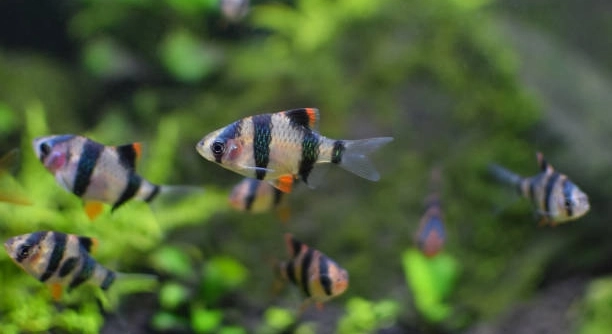
Tiger barbs are popular aquarium fish known for their lively behavior and striking colors. Many aquarium enthusiasts wonder about the best lighting conditions for these fish to thrive comfortably in their tanks. Understanding their preference for light or shade can improve their overall health and environment.
Tiger barbs prefer moderate lighting with some shaded areas in their aquarium. Excessive bright light can stress them, while too much darkness may reduce their activity and color vibrancy. Providing a balance supports their natural behavior and well-being.
Knowing the right light balance can help create a comfortable habitat for tiger barbs. This article explores key lighting tips to maintain their health and happiness in home aquariums.
Understanding Tiger Barbs’ Natural Habitat
Tiger barbs come from streams and rivers in Southeast Asia, where water conditions change throughout the day. These fish are used to environments with dappled light, where sunlight filters through plants and rocks. They often swim in shaded areas to avoid predators and to rest. This natural setting helps explain why tiger barbs do not thrive under constant, intense lighting. In a home aquarium, replicating this environment by offering both light and shaded spots encourages their natural behavior. Providing plants or decorations that cast shadows creates these necessary shaded areas. It also reduces stress and helps maintain their vibrant colors. Adjusting the light duration to about 8 to 10 hours daily mimics their natural conditions well. This balance prevents algae overgrowth and keeps the tank environment healthy. Understanding their habitat is essential to setting up a comfortable aquarium space for tiger barbs.
Maintaining shaded areas in the tank helps tiger barbs feel secure and reduces their stress levels significantly.
Creating a tank environment that resembles their natural habitat supports their activity and color. Using floating plants or decorations helps form shaded areas. Avoid placing the aquarium in direct sunlight to prevent excessive light and algae growth. A timer can control the light period to keep it consistent. Observing your fish can also guide adjustments; if they hide constantly, the light might be too bright. If they appear dull or inactive, consider increasing the lighting slightly. These small changes help keep tiger barbs healthy and active over time.
How Lighting Affects Tiger Barb Behavior
Too much light can cause tiger barbs to become stressed, leading to erratic swimming and hiding more often.
Stress from bright lighting also weakens their immune systems, making them more prone to disease. In contrast, low light reduces their energy and may dull their colors. Proper lighting stimulates their natural activity and helps maintain their striking orange and black stripes. Bright but not harsh lighting promotes their vibrant appearance, while shaded spots give them places to rest. The overall goal is to balance visibility and comfort. Aquarium owners should observe how their tiger barbs respond to different lighting setups and adjust accordingly. Using adjustable LED lights or dimmers can provide control over the lighting intensity. Lighting changes should be gradual to avoid shocking the fish. Ensuring an environment with both light and shade will support their health, behavior, and longevity in captivity.
Lighting Equipment for Tiger Barb Tanks
Choosing the right lighting equipment is important for tiger barb tanks. LED lights are a popular choice because they provide good illumination without heating the water. They are energy-efficient and easy to control with timers or dimmers.
LED lighting allows precise control over brightness and color temperature. This helps create an environment closer to the tiger barb’s natural habitat. Some LED systems offer customizable settings, letting you simulate sunrise and sunset, which can reduce fish stress. Using a timer ensures consistent light cycles, supporting regular behavior patterns. Avoid high-wattage bulbs that can overheat the tank or cause excessive algae growth. Compact fluorescent lights (CFLs) are another option, but they produce more heat and use more energy. Proper lighting also benefits live plants, which help create shaded areas and improve water quality. Choosing the right equipment can make tank maintenance easier and support the fish’s health.
When setting up lights, position them to cover most of the tank but allow for shadows. Combining overhead lighting with plants or décor creates natural-looking shaded spots. It also prevents the fish from being exposed to harsh light for long periods. Adjusting light intensity gradually over time helps tiger barbs acclimate without stress. Regularly monitoring the tank’s light and plant growth can guide needed changes. Lighting equipment with adjustable features gives more flexibility to meet the fish’s needs as they grow and the tank matures.
Signs Tiger Barbs Need More Shade
Tiger barbs hiding excessively or appearing pale may need more shade.
If they frequently stay near plants or decorations without exploring, it suggests stress from bright lighting. Bright light can cause constant hiding and reduce their activity. Watch for fading colors, which can indicate discomfort or illness caused by light exposure. Providing extra shaded areas or dimming the lights can help. If the fish become more active and colorful after these adjustments, the lighting was likely too intense. Sudden changes in lighting can also stress tiger barbs, so make changes gradually. Maintaining a mix of light and shade ensures the fish feel safe and can express natural behaviors. Regular observation helps keep lighting conditions balanced.
Adjusting Light Levels Gradually
Sudden changes in lighting can cause stress for tiger barbs. Adjust light levels slowly over several days to help them adapt. This approach prevents shock and encourages natural behavior.
Gradually increasing or decreasing brightness allows tiger barbs to become comfortable with their environment. Use timers or dimmers to make small changes daily. Observing the fish’s reaction during this period helps identify if the adjustment is effective or needs more time.
Using Plants to Create Shade
Live plants are excellent for providing natural shade in the tank. They offer hiding spots and reduce direct light exposure. Plants also improve water quality by absorbing nitrates and producing oxygen, which benefits the overall tank environment.
Avoiding Direct Sunlight on the Tank
Direct sunlight can cause overheating and excessive algae growth. It also increases light intensity beyond what tiger barbs prefer, leading to stress. Position the tank away from windows or use curtains to block sunlight during peak hours.
FAQ
Do tiger barbs need a lot of light?
Tiger barbs do not require intense lighting. Moderate light with some shaded areas is best. Too much bright light can stress them, while too little light can make them inactive and dull their colors. Aim for about 8 to 10 hours of light daily with spots for shade.
Can tiger barbs live in a dark tank?
A completely dark tank is not suitable for tiger barbs. They need light to regulate their daily behavior and maintain their vibrant colors. Darkness for extended periods can reduce their activity and harm their health. A balance of light and shade is necessary.
What kind of light is best for tiger barbs?
LED lights are the best option for tiger barb tanks. They are energy-efficient, provide good brightness, and don’t heat the water. LED lights with adjustable settings help create natural light conditions, including shaded areas. Avoid high-wattage bulbs that produce excessive heat.
How can I create shaded areas in my aquarium?
Use live or artificial plants, rocks, and decorations to create shaded spots. Floating plants are especially effective at blocking some overhead light. These shaded areas help tiger barbs feel secure and reduce stress caused by constant bright lighting.
Is natural sunlight good for tiger barb tanks?
Direct sunlight is generally not recommended. It can cause water temperature to rise and increase algae growth, which affects water quality. Position the tank away from windows or use curtains to block sunlight during the brightest parts of the day.
How do I know if the lighting is stressing my tiger barbs?
Signs of stress from lighting include hiding often, pale colors, and erratic swimming. If fish spend most of their time in shaded areas or near plants without exploring, the light might be too bright. Adjusting the light level and increasing shaded spots can help.
How long should the lights stay on in a tiger barb tank?
About 8 to 10 hours of light per day is ideal. This timing mimics natural daylight cycles and helps regulate the fish’s activity. Using a timer ensures consistent light periods and reduces the risk of overexposure or insufficient lighting.
Can I use a timer for aquarium lighting?
Yes, timers are very useful. They keep the light cycle consistent without needing daily manual adjustments. Consistent lighting supports natural behavior and helps maintain healthy fish and plants in the tank.
What happens if the lighting changes suddenly?
Sudden changes in lighting can cause stress to tiger barbs. It may lead to hiding, erratic swimming, or reduced appetite. Gradual adjustments over several days help fish adapt and prevent shock.
Do plants affect the lighting needs of tiger barbs?
Yes, live plants provide shade and absorb light, reducing brightness in some tank areas. They also improve water quality, which benefits tiger barbs. Plant coverage allows you to use moderate lighting without stressing the fish.
Should I adjust lighting based on fish behavior?
Observing your fish is important. If tiger barbs are hiding too much or look pale, the lighting might be too bright or too dim. Adjust light intensity and shaded areas based on how active and colorful the fish appear.
Can lighting affect algae growth in the tank?
Yes, excessive light promotes algae growth, which can harm water quality and reduce oxygen levels. Controlling light duration and intensity helps prevent algae problems and keeps the tank environment balanced.
Are there specific light colors tiger barbs prefer?
Tiger barbs do not have a strong preference for specific light colors. However, lighting that mimics natural daylight (around 6500K color temperature) helps showcase their colors best. Avoid overly harsh or unnatural colors.
Is it necessary to have a dark period in the tank?
Yes, fish need a dark period to rest and maintain healthy biological rhythms. Providing about 14 to 16 hours of darkness or dim conditions each day supports this need and prevents stress.
Can artificial shade replace natural shade for tiger barbs?
Artificial plants and decorations can effectively provide shade if natural plants are not an option. The key is to create areas where the light is softened or blocked to offer hiding spots and comfort.
How often should I clean or adjust the lighting setup?
Regular cleaning of lights and fixtures keeps them working efficiently. Adjust lighting as plants grow or fish behavior changes. Monitoring the tank every few weeks helps maintain optimal conditions for tiger barbs.
Tiger barbs are lively fish that need the right balance of light and shade to stay healthy and active. Their natural habitat includes areas of dappled light and shadow, so it is important to recreate similar conditions in a home aquarium. Providing moderate lighting combined with shaded spots allows them to feel secure and show their natural behaviors. Overly bright or constant lighting can cause stress, while too little light can reduce their activity and dull their colors. Paying attention to their environment helps maintain their well-being.
Using adjustable LED lighting is a practical way to manage light intensity and duration in the tank. These lights offer control over brightness and can mimic natural daylight patterns. Combining lighting with live or artificial plants and decorations helps create shaded areas, which tiger barbs use to rest and hide. This setup reduces stress and supports their immune system. It is also important to keep lighting consistent, using timers to ensure they have a regular day-night cycle. Gradual changes to lighting conditions help fish adapt without shock.
Observing the fish regularly will help determine if adjustments are needed. Signs such as hiding, pale colors, or unusual swimming behavior may indicate that lighting conditions are not ideal. By providing the right light balance and shaded areas, tank owners can encourage healthy activity and vibrant colors in their tiger barbs. Maintaining proper lighting also benefits plants and keeps algae growth in check. Overall, managing light and shade carefully is key to creating a comfortable environment where tiger barbs can thrive.

Hello,
If you enjoy the content that we create, please consider saying a "Thank You!" by leaving a tip.
Every little bit helps us continue crafting quality advice that supports the health, happiness, and well-being of pets around the world, for pets of all shapes, sizes, and species.
We really appreciate the kindness and support that you show us!