
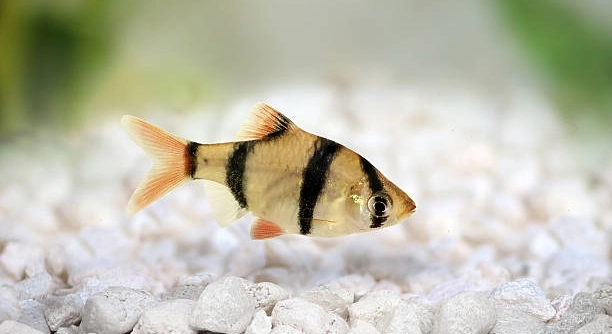
Tiger Barbs are popular aquarium fish known for their vibrant colors and active nature. Many fishkeepers want to create the best environment for them, including the right lighting. Lighting can influence their behavior and health in subtle ways.
Tiger Barbs prefer moderate to dim lighting rather than bright light. Excessive brightness can stress them and cause hiding or erratic swimming. Providing softer, indirect light helps maintain their natural activity and coloration without causing discomfort.
Understanding the proper lighting setup can improve your Tiger Barbs’ well-being and make your aquarium more enjoyable to watch. This article explores how lighting impacts these lively fish and what to consider for their care.
How Lighting Affects Tiger Barbs
Lighting plays an important role in the environment of Tiger Barbs. These fish come from tropical waters where light is often filtered through plants and water depth. Bright, direct light can make them feel exposed, causing stress. Stress can lead to weakened immune systems and increased vulnerability to illness. On the other hand, too little light may affect their ability to find food and interact socially. Finding the right balance means mimicking their natural habitat as closely as possible. Using adjustable aquarium lights or placing the tank in a spot with indirect sunlight can help achieve this. A lighting schedule that includes periods of darkness is also important because it allows Tiger Barbs to rest. Over time, the right lighting can support their bright colors and active swimming habits, making them healthier and more visible to observe.
Light affects not only Tiger Barbs’ health but also their mood and behavior. Adjusting it correctly is a simple step to improve their tank life.
Creating a lighting setup that fits your home and your fish can feel straightforward once you understand their needs. Many aquarists find that using LED lights with adjustable brightness works best. These lights provide control over intensity and color temperature. It is helpful to create a day and night cycle, with about 8 to 10 hours of light each day. Dimming the lights during feeding times can encourage more natural behavior. Additionally, adding floating plants or decorations can help diffuse the light and give Tiger Barbs places to hide when they need to feel safe. Watching how your fish respond to changes in lighting will guide you toward the best setup for them.
Choosing Between Dim and Bright Lighting
Bright lighting often causes Tiger Barbs to hide or become restless. Dim lighting is generally better for their comfort.
Dim lighting reduces stress and encourages natural activity patterns. Tiger Barbs in dimmer tanks show better coloration and interact more with their environment. Bright lights can cause quick darting or hiding behind decorations. When light levels are low to moderate, Tiger Barbs are more relaxed, making them easier to observe. This setting also supports the growth of live plants, which improve water quality and provide hiding spots. Too much light can also promote algae growth, which may harm water conditions. Choosing a light level that feels soft and even helps maintain a balanced tank environment, supporting the health and happiness of your fish. Many aquarists recommend using adjustable LED lights to fine-tune brightness and avoid the negative effects of overly bright lighting.
Adjusting Aquarium Lighting for Tiger Barbs
Proper lighting adjustment helps Tiger Barbs stay calm and active. Too much light can cause stress, while too little can reduce their visibility and activity.
Using dimmable LED lights lets you control brightness easily. Start with a low setting and increase gradually until your fish seem comfortable. Observe their behavior—if they hide often or swim erratically, the light might be too strong. Also, consider placing plants or decorations to create shaded areas. This setup mimics natural environments and offers fish places to retreat. Timer settings are useful to maintain a consistent day-night cycle, helping Tiger Barbs establish a routine.
Adjustments don’t need to be drastic. Small changes over time let your fish adapt without sudden stress. It’s important to balance light intensity with tank size and decoration density. Testing different settings during various times of day will help you find what works best. Remember, each tank and group of Tiger Barbs might have slightly different preferences.
Lighting Impact on Tank Plants and Water Quality
Lighting supports live plant growth, which benefits Tiger Barbs by improving water quality. Plants absorb harmful chemicals and provide hiding spots, making fish feel secure.
Bright light encourages faster plant growth but can also increase algae growth. Algae compete with plants for nutrients and can harm the tank environment if uncontrolled. Dimmer light slows plant growth but helps prevent algae problems. Balancing light intensity with plant type and tank maintenance is essential. Regular cleaning and water changes also keep algae under control. Choosing hardy plants that tolerate moderate light levels can reduce care requirements.
Healthy plants contribute to stable water conditions, which reduce stress for Tiger Barbs. They also create natural hiding places that improve fish comfort. Lighting must support both fish and plants to keep the tank ecosystem balanced. Adjusting light levels carefully can promote both vibrant plants and active, healthy fish.
Recommended Light Duration for Tiger Barbs
Most experts suggest keeping aquarium lights on for about 8 to 10 hours daily. This duration mimics natural daylight cycles and supports fish health.
Too long under light can cause stress and algae overgrowth. Too short may disrupt fish activity and plant growth. Finding the right balance is key.
Best Types of Lighting for Tiger Barbs
LED lights are the preferred option because they provide adjustable brightness and color temperature. They are energy-efficient and produce less heat, which benefits tank stability. Fluorescent lights work but may be harder to control. Incandescent lights are not recommended due to excessive heat and poor efficiency. LEDs also allow customization to create the dimmed environment Tiger Barbs prefer, enhancing their natural colors without stressing them.
Effects of Lighting on Tiger Barbs’ Color
Proper lighting helps Tiger Barbs show their best colors. Dim or moderate light prevents fading and promotes vibrant patterns.
FAQ
Do Tiger Barbs need a specific type of light to thrive?
Tiger Barbs do best under moderate, adjustable lighting, such as LED lights. These allow control over brightness and color temperature, creating a comfortable environment. Bright or harsh lighting can stress them, while dim lighting helps them feel secure and show natural behavior.
How long should the aquarium light be on for Tiger Barbs?
A daily light duration of 8 to 10 hours is ideal. This mimics natural daylight cycles, supporting healthy activity and rest periods. Too much light can cause stress and promote algae, while too little light may affect plant growth and fish behavior.
Can too much light harm Tiger Barbs?
Yes, excessive bright light can cause stress, leading to hiding, erratic swimming, and weakened immune systems. It may also increase algae growth, which can harm water quality. A softer, balanced light level is better for their health and comfort.
Will dim lighting make Tiger Barbs less active?
Dim lighting generally encourages more natural and relaxed behavior. While very low light might reduce visibility of the fish, moderate dimming allows them to swim actively and feel less threatened. It’s important to balance light levels for both activity and visibility.
Do Tiger Barbs prefer natural sunlight or artificial light?
Artificial light is usually better because it can be controlled. Direct natural sunlight can cause temperature spikes and algae growth. Using indirect natural light combined with adjustable aquarium lights provides a safer, more stable environment.
How does lighting affect the coloration of Tiger Barbs?
Proper lighting enhances their vibrant colors and patterns. Bright light may cause colors to fade due to stress, while moderate to dim lighting helps maintain vivid coloration. Balanced lighting also supports overall fish health, which reflects in their appearance.
Is it necessary to have a day-night lighting cycle for Tiger Barbs?
Yes, a consistent day-night cycle is important. It helps regulate their internal clocks, supporting normal behavior, feeding, and rest. Using a timer to provide 8 to 10 hours of light followed by darkness mimics natural conditions.
What kind of plants work best under the lighting conditions Tiger Barbs need?
Plants that tolerate moderate to low light, such as Java fern, Anubias, or Cryptocoryne species, fit well. These plants thrive under dimmer light and provide hiding spots, helping Tiger Barbs feel safe and improving tank water quality.
Can lighting changes cause stress to Tiger Barbs?
Sudden or drastic lighting changes can stress Tiger Barbs. Gradual adjustments allow fish to adapt more easily. It’s best to slowly increase or decrease brightness over several days and maintain a stable lighting schedule.
How do I know if the lighting is right for my Tiger Barbs?
Observe their behavior and coloration. If they swim calmly, show bright colors, and interact socially, the lighting is likely suitable. If they hide often, appear dull, or act nervously, the light may be too bright or too dim.
Does tank size affect the lighting needs of Tiger Barbs?
Yes, larger tanks may require more powerful or additional lighting to ensure even coverage. Smaller tanks need less intense light. It’s important to balance light strength with tank size to avoid overexposure or dark spots.
Are LED lights better than fluorescent lights for Tiger Barbs?
LED lights are generally better due to their energy efficiency, lower heat production, and adjustable brightness. Fluorescent lights work but offer less control and generate more heat. LEDs help create a comfortable, dimmable environment preferred by Tiger Barbs.
Can too little light harm Tiger Barbs?
While Tiger Barbs tolerate dim light, too little light can negatively affect their activity and overall tank health. Poor lighting may hinder plant growth, which impacts water quality and fish comfort. Maintaining moderate light supports a healthy environment.
How often should I change or maintain the aquarium lighting setup?
Regularly check the lighting system for wear or malfunction. Bulbs and LED units may need replacement every 1-2 years depending on use. Clean light covers to ensure brightness is not reduced by dust or algae buildup. Consistency is important for fish well-being.
What role does lighting play in algae growth, and how does it affect Tiger Barbs?
Excessive or prolonged lighting encourages algae growth, which can cloud the water and reduce oxygen levels. This harms water quality and stresses Tiger Barbs. Controlling light duration and intensity helps prevent algae problems, keeping the tank healthier.
Can lighting influence the breeding behavior of Tiger Barbs?
Yes, proper lighting can encourage natural breeding behaviors. A stable day-night cycle with moderate light levels helps trigger spawning. Sudden changes or overly bright lights may inhibit breeding activity by causing stress.
Is it necessary to provide shaded areas in the tank for Tiger Barbs?
Yes, shaded areas created by plants or decorations offer places for Tiger Barbs to retreat when lighting feels too strong. These spots reduce stress and mimic their natural habitat, promoting healthier and more confident fish behavior.
Proper lighting is an important part of caring for Tiger Barbs. These fish come from environments where light is often soft and filtered. Bright, harsh lighting can cause them stress, leading to hiding or unusual behavior. On the other hand, dim to moderate lighting helps them feel comfortable and encourages natural activity. Setting up your aquarium with adjustable lights gives you the control needed to find the best balance for your fish. Maintaining a consistent day-night cycle also supports their health and well-being. Lighting should be seen as a key factor, just like water quality and temperature, when creating a suitable habitat for Tiger Barbs.
In addition to the fish themselves, lighting affects other parts of the aquarium ecosystem. Plants need light to grow, and healthy plants contribute to water quality and fish comfort. Using lighting that supports plant life without encouraging excessive algae growth is important. Algae can be a nuisance and harm the balance of the tank if it spreads too much. Placing plants and decorations in ways that create shaded areas also benefits Tiger Barbs by giving them places to hide when they want to feel safe. This approach helps mimic their natural habitat and reduces stress.
Finding the right lighting for Tiger Barbs involves observation and adjustments over time. Watching how your fish respond to different light levels is key. If they swim actively, show bright colors, and interact socially, the lighting is likely appropriate. If they seem stressed or hide often, reducing the light intensity may help. Choosing energy-efficient and adjustable LED lighting allows for easier control and customization. Ultimately, proper lighting enhances the overall health and happiness of Tiger Barbs, making your aquarium more enjoyable to maintain and watch.

Hello,
If you enjoy the content that we create, please consider saying a "Thank You!" by leaving a tip.
Every little bit helps us continue crafting quality advice that supports the health, happiness, and well-being of pets around the world, for pets of all shapes, sizes, and species.
We really appreciate the kindness and support that you show us!